Seasonal Apple Varieties Guide: Picking, Baking & Eating
Discover the delightful diversity of apples throughout the harvest season. From crisp early-season gems perfect for snacking to robust late-season varieties ideal for baking, this guide will help you navigate the orchard and find your perfect pick.
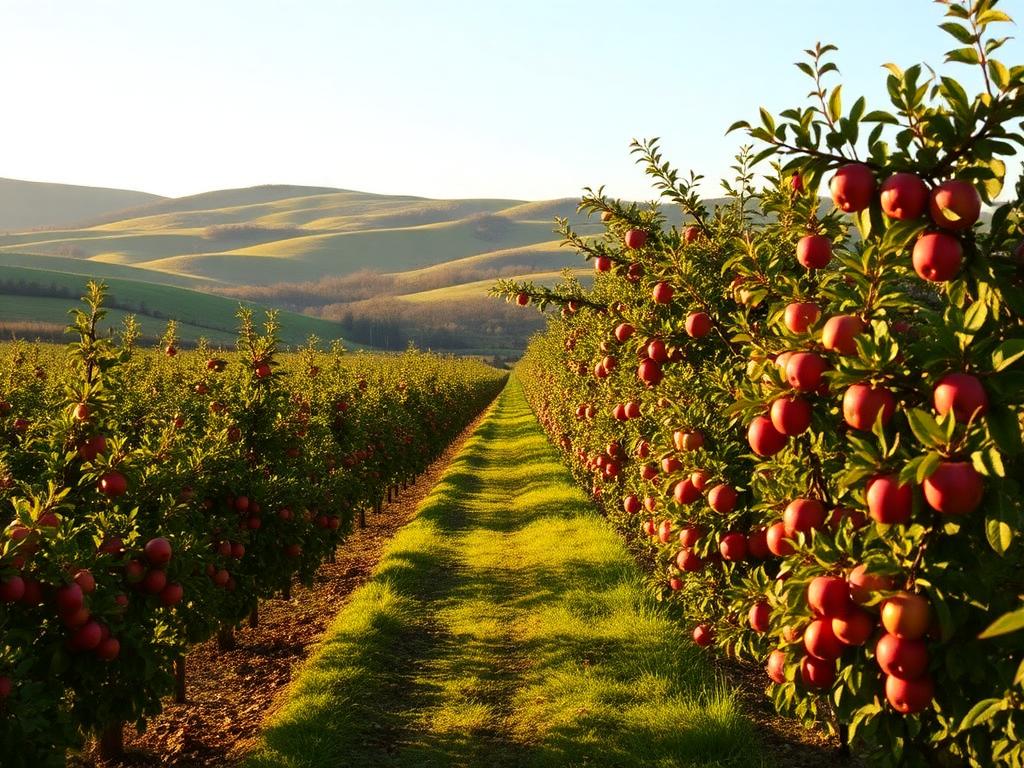
The arrival of apple picking season is a beloved tradition, painting orchards with vibrant hues and filling the air with the sweet scent of ripening fruit. But beyond the familiar Red Delicious or Granny Smith, lies a vast and wondrous world of apple varieties, each with its own unique flavor profile, texture, and ideal use. Understanding the seasonal availability of these diverse apples is key to maximizing your orchard experience, ensuring you pick the perfect fruit for snacking, baking, or crafting that award-winning cider.
Embark on a delightful journey through the apple picking calendar, from the sun-drenched days of early autumn to the crisp chill of late fall. This comprehensive guide will illuminate the characteristics of various apple types, empowering you to make informed choices that will elevate your culinary adventures and appreciation for this iconic fruit.
The Early Harvest: Sweet & Snappy Starters
As summer gently transitions into fall, the first wave of apples makes its appearance, often in late August or early September in many regions. These early birds are typically characterized by their crisp texture and balanced sweetness, making them excellent for immediate eating fresh off the tree. While they might not be the best candidates for long-term storage, their refreshing crunch is an irresistible invitation to the season.
Popular Early Varieties:
- Gala: A universally loved apple, Gala offers a mild, sweet flavor with a pleasing crispness. Its thin skin and aromatic flesh make it a favorite for lunchboxes and fresh snacking.
- Honeycrisp: Renowned for its explosive crispness and juicy, sweet-tart flavor, the Honeycrisp is a modern favorite. It's fantastic for eating out of hand and holds up well in salads.
- McIntosh: With its distinctive red and green skin, the McIntosh is soft, juicy, and famously aromatic. Its slightly tart flavor makes it a good all-purpose apple, suitable for eating, baking (especially for sauces), and cider.
- Ginger Gold: One of the earliest yellow apples, Ginger Gold is crisp, sweet, and moderately tart. It resists browning longer than many varieties, making it a good choice for salads and fruit platters.
Early season apples are perfect for introducing your palate to the season's bounty and enjoying immediately.
Mid-Season Marvels: The Balanced Beauties
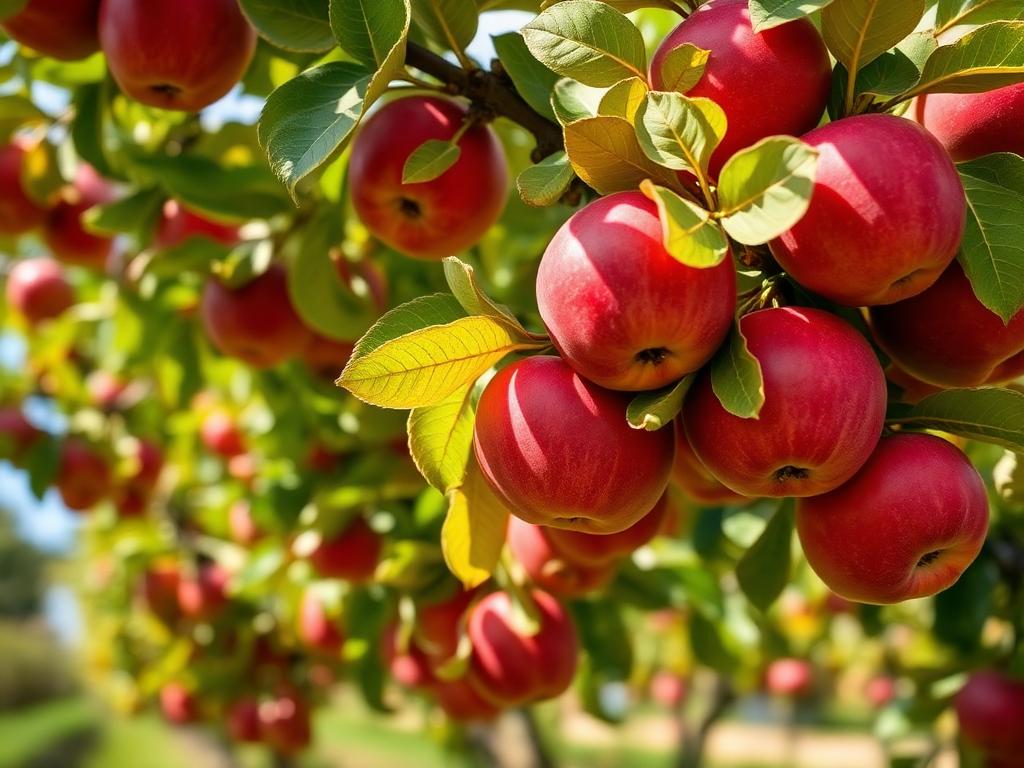
As September progresses into October, the apple harvest reaches its peak with a wide array of varieties offering a broader spectrum of flavors and textures. These mid-season apples are often more versatile, excelling in both fresh eating and various culinary applications, including baking, saucing, and pressing for cider. This is often when orchards offer the greatest selection.
Versatile Mid-Season Picks:
- Fuji: Known for its intense sweetness, firm flesh, and exceptional crunch, Fuji apples are a cross between Ralls Janet and Red Delicious. They store exceptionally well and are fantastic for snacking.
- Jonathan: A beautiful red apple with a tangy, tart flavor and firm flesh. Jonathans are excellent for baking, producing outstanding pies and crisps, and also make a flavorful cider.
- Cortland: Similar to McIntosh but firmer and less prone to browning, Cortland apples are a great all-purpose choice. Their sweet-tart taste and white flesh make them ideal for salads, fruit tarts, and baking.
- Golden Delicious: The classic golden apple, known for its sweet, mellow flavor and firm, yet tender flesh. Golden Delicious apples are superb for snacking, baking (especially for apple pie), and applesauce.
These varieties truly showcase the breadth of what an apple can offer, providing options for virtually every culinary need.
Late-Season Legends: Bakers' Delight & Storage Stars
As the air turns colder and frost begins to appear, typically from mid-October into November, the final apples of the season ripen. These late-season varieties are often characterized by their robust flavors, firmer textures, and exceptional storage capabilities. Many are specifically prized for their ability to hold their shape and flavor during baking, making them indispensable for holiday pies and other treats.
Hearty Late Varieties:
- Granny Smith: Iconic for its tart, crisp flavor and vibrant green skin, Granny Smith is a baking superstar. Its firm flesh holds up beautifully in pies and tarts, and it adds a refreshing tang to savory dishes.
- Rome Beauty: A classic baking apple, Rome Beauty is firm, mildly tart, and holds its shape well when cooked. It's often used for baked apples due to its round shape and even cooking.
- Braeburn: Offering a delightful balance of sweet and tart, Braeburn apples are firm, juicy, and aromatic. They are excellent for both eating fresh and baking, retaining their flavor through cooking.
- Pink Lady (Cripps Pink): One of the latest apples to ripen, Pink Lady is known for its effervescent sweet-tart flavor and crisp, firm texture. They are excellent for snacking and store exceptionally well, lasting months in proper conditions.
These apples are your go-to for extending the taste of apple season well into winter.
Choosing the Right Apple for Your Purpose
Understanding which apple to choose for specific uses can transform your cooking and eating experience. While many apples are versatile, some truly shine in particular roles.
For Fresh Eating & Snacking:
Look for varieties that are crisp, juicy, and have a good balance of sweetness and tartness. Apples with thinner skins are often preferred for snacking.
Best Choices: Honeycrisp, Gala, Fuji, Pinova, Pink Lady, SweeTango.
For Baking (Pies, Crisps, Tarts):
The key here is an apple that holds its shape and flavor well when cooked. They should be firm and often have a good tart-sweet balance to prevent a cloyingly sweet dessert.
Best Choices: Granny Smith, Honeycrisp, Braeburn, Northern Spy, Rome Beauty, Jonagold, Crispin (Mutsu).
For Applesauce & Apple Butter:
Softer apples that break down easily and contribute a rich flavor are ideal. A mix of sweet and tart varieties often yields the best results.
Best Choices: McIntosh, Golden Delicious, Fuji, Cortland, Winesap.
For Cider:
Cider makers often blend varieties to achieve a complex flavor profile, combining apples for sweetness, tartness, and tannins. Specific cider apple varieties exist, but many eating apples also contribute well.
Best Choices: Jonathan, Winesap, Northern Spy, Harrison.
Exploring Heirloom Varieties
Beyond the most common apples, many orchards, particularly smaller, family-run operations, take pride in growing heirloom varieties. These apples, often with quirky names and fascinating histories, offer a glimpse into the past and an incredible range of unique flavors that you won't find in grocery stores. They might be less perfectly uniform or store for shorter periods, but their taste can be an unparalleled experience.
Don't hesitate to ask orchard staff about their lesser-known varieties. You might discover a new favorite with a compelling story.
Tips for Your Orchard Visit
To make the most of your apple picking adventure and navigate the seasonal offerings:
- Check Orchard Websites: Most pick-your-own (PYO) orchards update their websites regularly with current availability of varieties.
- Call Ahead: Confirm picking conditions and what varieties are ripe before you go, especially later in the season.
- Taste Test: If allowed, taste a small piece of an apple before filling your bag. This helps ensure it meets your expectations for flavor and texture.
- Plan Your Uses: Have a general idea of how you'll use your apples (eating, baking, saucing) to guide your choices.
- Don't Be Afraid to Ask: Orchard owners and staff are an invaluable resource; they can tell you specific characteristics of their apples and offer recommendations.
Picking apples by their seasonal peak ensures the best possible flavor and optimizes your harvest for specific culinary uses.
Storing Your Seasonal Bounty
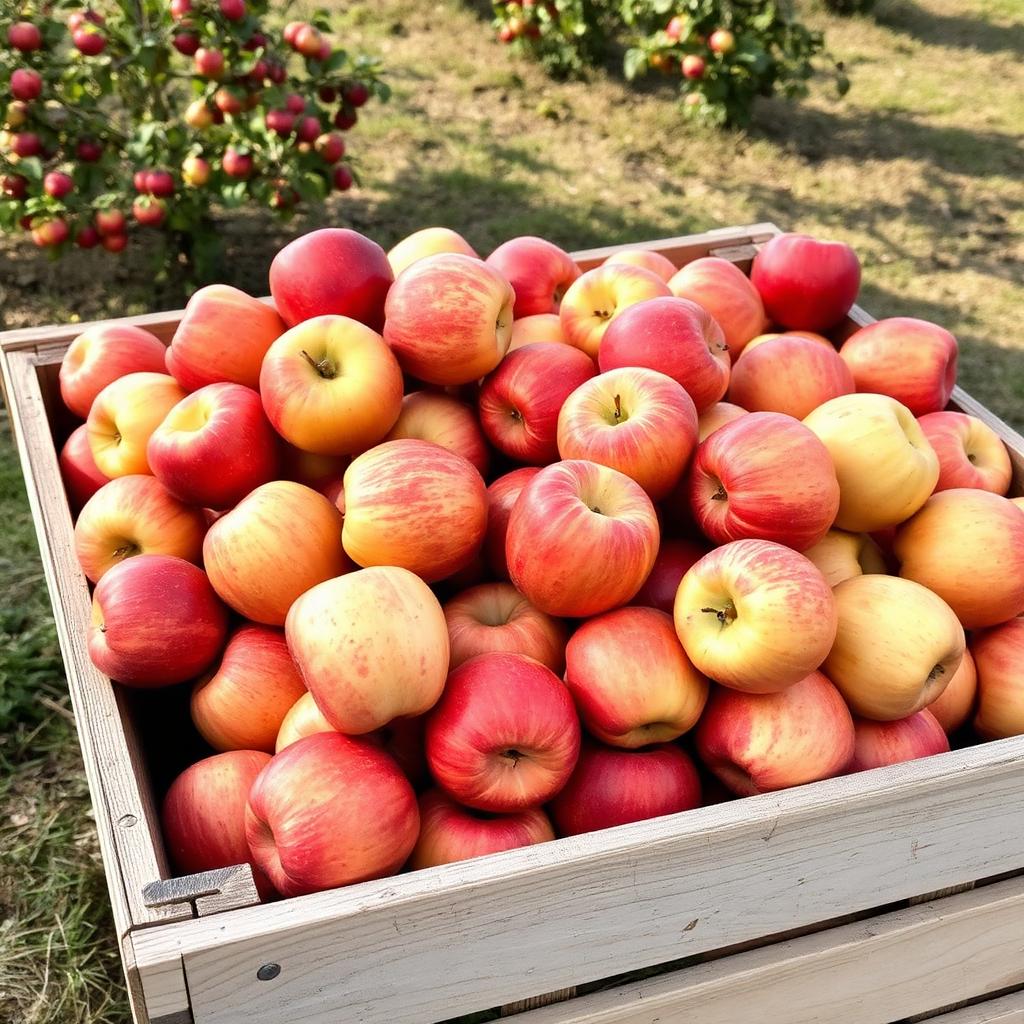
Once you've picked your perfect seasonal apples, proper storage is crucial to enjoying them for as long as possible. Many late-season varieties are particularly good for extended storage.
- Refrigeration: The crisper drawer of your refrigerator is the best place for most apples, significantly extending their shelf life.
- Cool, Dark Place: For larger quantities, a cool, dark cellar or garage (above freezing) can keep apples fresh for weeks, or even months for varieties like Pink Lady or Fuji.
- Separate from Other Produce: Apples release ethylene gas, which can hasten the ripening, and spoilage, of other fruits and vegetables. Store them separately.
With careful selection and storage, the flavors of apple season can last well beyond your orchard visit.
Frequently Asked Questions
How do I know which apples are ripe for picking?
Ripe apples usually detach easily from the branch with a slight twist. They should have good color for their variety, feel firm, and often smell fragrant. Avoid apples that are soft, mushy, or have significant bruising.
Can I mix different apple varieties when baking a pie?
Absolutely! Many experienced bakers recommend mixing two or three different varieties for a pie. Combining a tart apple (like Granny Smith) with a sweeter one (like Honeycrisp or Golden Delicious) and perhaps an aromatic variety (like Cortland or McIntosh) creates a more complex and flavorful pie. The different textures also add interest.
Why do some apples brown faster than others after being cut?
Apples brown due to a chemical reaction called oxidation when their flesh is exposed to air. The rate of browning varies by variety, largely depending on the amount of an enzyme called polyphenol oxidase (PPO) they contain. Varieties like Ginger Gold and Cortland are known to brown more slowly, while others like McIntosh brown fairly quickly.
What's the difference between an early and late harvest apple?
Early harvest apples generally ripen from late August to mid-September, tend to be sweeter, and are often best for immediate eating. Late harvest apples ripen from mid-October to November, are typically firmer, have more robust or tart flavors, and are often excellent for baking and long-term storage.
Are organic apples better than conventionally grown apples?
Both organic and conventionally grown apples can be delicious and nutritious. Organic apples are grown without synthetic pesticides, herbicides, or fertilizers. The choice often comes down to personal preference, environmental concerns, and availability at your local orchard.
How long do freshly picked apples typically last?
The storage life of freshly picked apples varies significantly by variety and storage conditions. Softer, early-season varieties like McIntosh might last only a few weeks in the refrigerator, while firm, late-season apples like Fuji, Pink Lady, or Rome Beauty can last for several months if stored properly in a cool, dark, and humid environment.
Tags
Explore more on Apple Picking Finder
Find orchards near you →
See the closest U-Pick apple farms with hours, pricing, and directions.
Apple varieties guide →
50+ varieties with taste notes, ripening windows, and best uses.
Ripening calendar →
When each variety is ready to pick, month by month, across the US.
Apple recipes →
60+ tested recipes for pies, crisps, cider, butter, and more.
Keep reading

Apple Industry Shifts: Current Price Trends and Orchard Economics
Discover how shifting weather patterns, rising production inputs, and evolving consumer habits are shaping apple prices and your next pick-your-own orchard visit.
Apple Prices and Harvest Trends: What Orchard Visitors Can Expect
Wondering why apple prices fluctuate at your favorite pick-your-own orchard? We break down national harvest economics, input costs, and what consumers should expect this fall.
Apple Picking Tips for Families: Stress-Free Orchard Days
Plan the ultimate fall orchard outing with our comprehensive guide to apple picking with kids. Learn smart packing habits, harvesting tricks, and fun family field games.