Apple Picking Tips for Families: Stress-Free Orchard Days
Plan the ultimate fall orchard outing with our comprehensive guide to apple picking with kids. Learn smart packing habits, harvesting tricks, and fun family field games.

A crisp autumn morning spent walking beneath heavy fruit-laden branches is an iconic family tradition across the country. Yet, between muddy boots, over-excited toddlers, and heavy bushel baskets, a spontaneous trip can sometimes test a parent's patience. With just a small amount of preparation and the right field-tested strategies, your annual harvest outing can be joyful, educational, and remarkably smooth.
Choosing the Best Day and Arrival Window
Timing can make or break your orchard adventure when you have little ones in tow. Weekend afternoons draw the thickest crowds, creating long lines at checkout stands, packed hayrides, and picked-over lower branches. Aim instead for early morning visits, ideally arriving right as the gates open. Morning air is cooler, parking is convenient, and children are naturally more alert and energetic.
If your schedule allows, consider a weekday morning. Many commercial orchards welcome families on Thursdays or Fridays when the rows are quiet. On these calmer days, staff members often have more time to chat with curious kids, explain different cultivars, and offer samples directly from the sorting tables.
Pre-Trip Research: What to Confirm Before Leaving Home

Not every orchard caters to families in the exact same manner. Before piling into the car, check the farm's website or social media channels for real-time updates. Weather shifts can quickly change orchard conditions, and popular varieties sell out faster than expected.
Key details to verify include:
- Ground conditions: Inquire if recent rains have made the lanes too muddy for regular push strollers.
- Payment methods: Some remote pay booths remain cash-only, while others prefer contactless card payments.
- Restroom accessibility: Check whether indoor facilities or portable restrooms are available near the picking rows.
- Pricing structure: Confirm whether the orchard charges by the pound, by the container, or by an overall admission fee per vehicle.
Dressing for Success: Layers, Mud, and Sturdy Soles
Autumn weather is notoriously fickle. What starts as a chilly morning can rapidly turn into a sunny, warm afternoon under the trees. Dressing your children in easily removable layers helps avoid sudden meltdowns caused by overheating. Choose comfortable cotton base layers paired with fleece pullovers or light windbreakers.
Footwear deserves special attention. Orchard ground is naturally uneven, strewn with fallen fruit, hidden rocks, and soft dirt patches. Skip open-toed sandals, light-colored canvas sneakers, or slippery costume boots. Choose closed-toe shoes with deep treads or waterproof rain boots that you do not mind getting dirty. Brightly colored jackets or hats also make it much easier to keep eyes on energetic youngsters darting between rows.
Smart Gear: What to Pack in the Orchard Wagon
Carrying children alongside bulging bags of heavy apples will exhaust even the fittest parents. An all-terrain folding wagon with wide wheels is often far superior to a standard stroller. It holds your harvest, securely carries exhausted toddlers on the return walk, and navigates rough turf without sinking.
Alongside your transport wagon, pack a small day bag containing wet wipes, paper towels, and hand sanitizer. Picking apples leaves sticky tree sap and dirt on small hands, especially if children snack along the way. Bring reusable water bottles to keep everyone hydrated, as walking across sprawling acreage works up a quick thirst. Finally, stash a few clean cardboard boxes or sturdy tote bags in your vehicle trunk so you can transfer your fruit securely without bruising during the drive home.
Teaching Kids the Gentle Pick: Twist and Lift
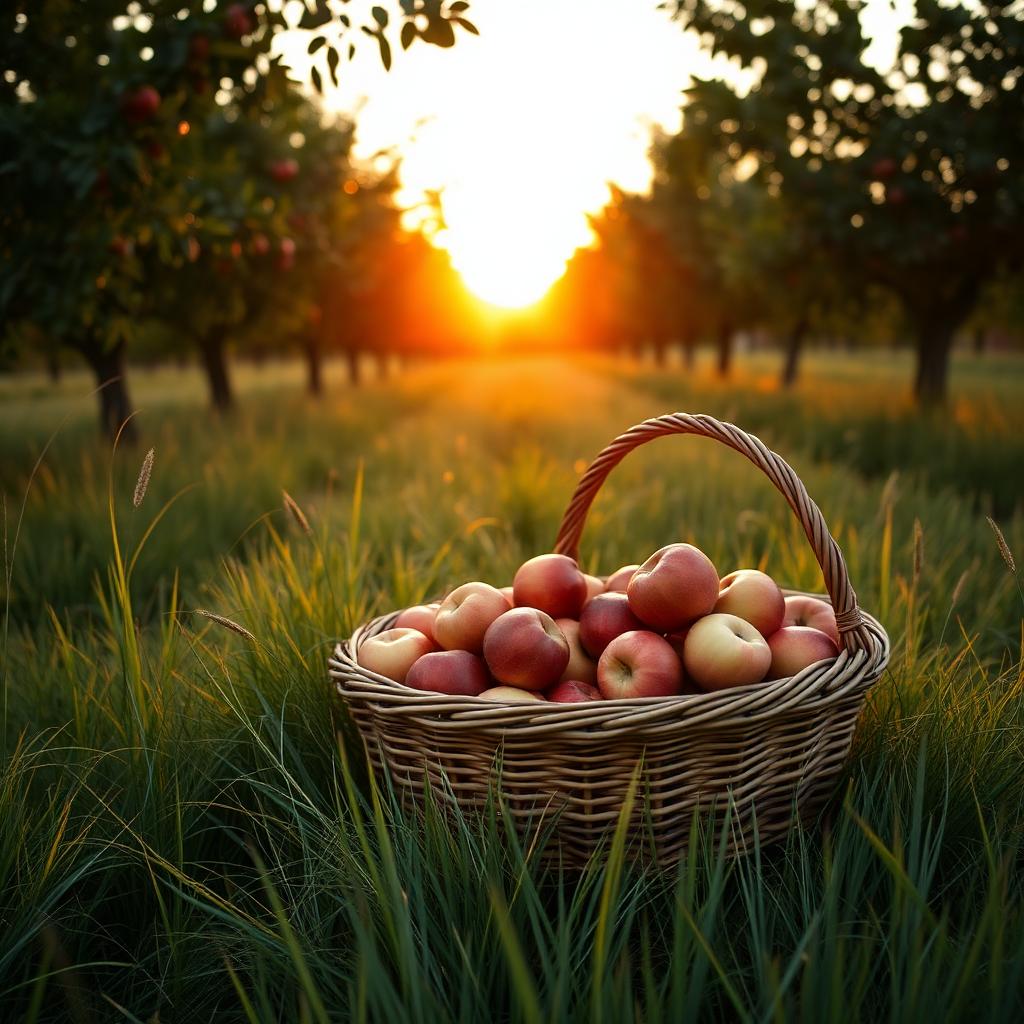
Children naturally want to yank fruit straight downward from the bough. Unfortunately, pulling downward often tears off the fruiting spur, damaging the tree's ability to produce apples in future seasons, or shakes loose three other apples that drop and bruise. Teach your children the classic orchard worker method instead: eye to the sky.
Show your child how to cup the base of the apple in the palm of their hand, lift it gently toward the sky, and give it a slight twist. When an apple is fully ripe, the stem will cleanly separate from the branch with minimal resistance. If a child has to struggle or twist vigorously, that particular apple is not ready to be harvested, and they should move to another branch.
Pro Tip for Parents: Teach children to place apples into bags like delicate eggs rather than dropping them. A dropped apple begins softening and browning immediately, cutting its storage lifespan by weeks.
Keeping Toddlers Engaged and Curious
For preschoolers and early elementary kids, an orchard provides an extraordinary open-air sensory classroom. Turn the stroll into an interactive nature scavenger hunt. Encourage children to look for different shades of skin pigment, observe pollinating insects buzzing around clover, or inspect the differences in leaf shapes across different rows.
You can introduce simple math and color identification games while filling your containers:
- Count how many apples fit into a single layer within your container.
- Search for trees featuring yellow, green, and deep red fruit in neighboring rows.
- Compare the rough, matte finish of an heirloom russet to the glossy, smooth skin of a fresh Honeycrisp.
- Observe the pattern of five seeds nestled inside a fallen, sliced core.
Establishing Clear Orchard Safety Rules
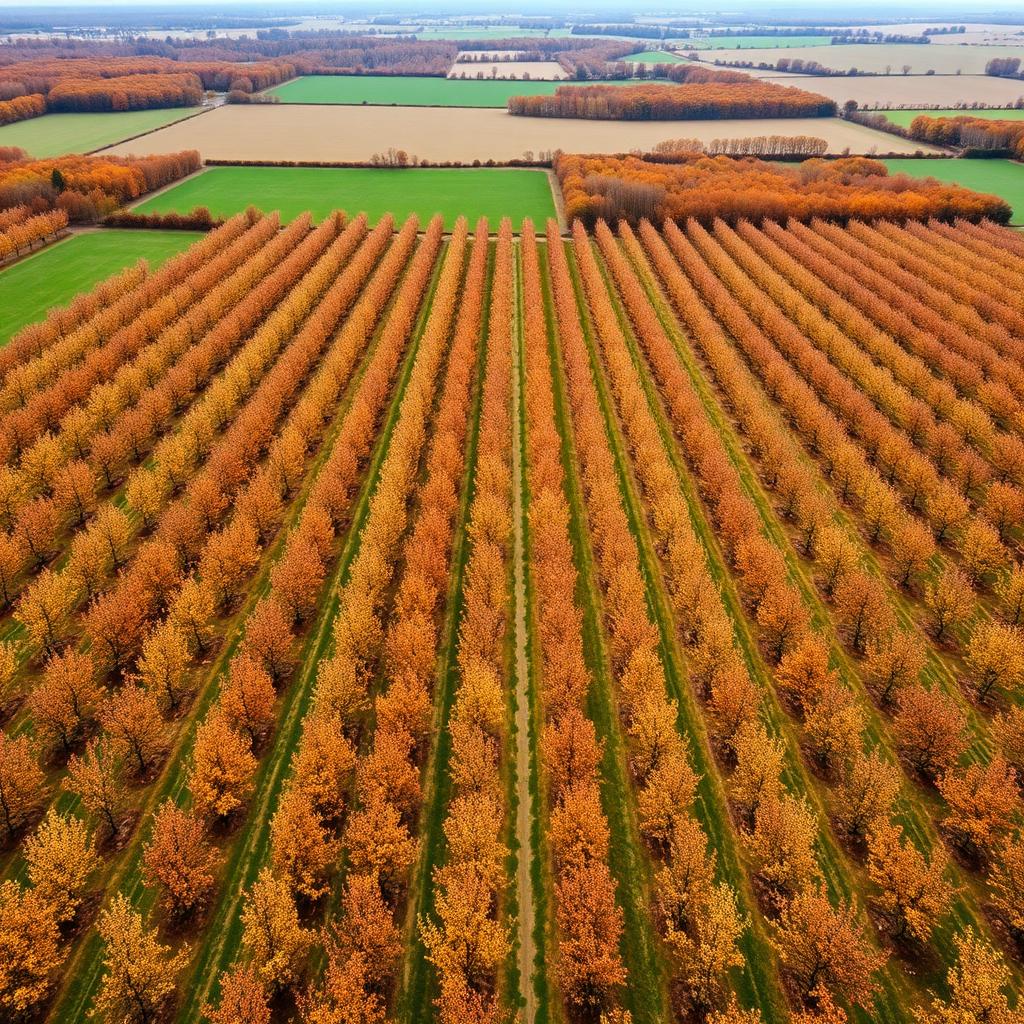
Working farms feature unique hazards that children rarely encounter in suburban parks. Before entering the rows, hold a brief family huddle to establish clear, common-sense boundaries. Emphasize that while the orchard is an exciting place to explore, running at full speed is unsafe due to concealed gopher holes, low-hanging limbs, and farm equipment.
Ensure your children understand that orchard ladders are strictly reserved for farm employees. Climbing metal or wooden picking ladders is a primary cause of orchard injuries among visitors. If the best fruit appears out of reach, lift your child safely onto your shoulders or seek out dwarf tree rows, which are naturally pruned low to the ground for easy harvest by small hands.
Managing the Harvest: How Much Is Too Much?
It is remarkably easy to get carried away when surrounded by thousands of perfect, glowing apples. Many families set out intending to pick a modest half-peck and leave carrying two full bushels. Remember that a full bushel weighs over forty pounds, which represents a massive kitchen commitment once you get home.
Before you begin picking, agree on a family goal. Decide together whether you are harvesting fruit purely for fresh snacking, or if you plan to make large batches of homemade applesauce, baked pies, or slow-cooker apple butter. Keep a close tally as you fill your bags, and remind enthusiastic kids that leaving apples on the tree ensures another family gets to enjoy the experience tomorrow.
Frequently Asked Questions
What is the best age to take children apple picking?
Children of any age can enjoy an orchard trip. Toddlers around age two begin to fully appreciate searching for low-hanging fruit and tasting fresh slices, while older children can learn about agricultural grafting, pollination, and varied flavor profiles.
Can we eat apples right off the tree while picking?
Orchard policies vary widely regarding sampling. Some growers actively encourage tasting a slice to confirm flavor, while others ask visitors to pay for all picked fruit before consuming it. Check the farm signage or ask staff at the entrance before taking a bite.
How should we store our freshly picked apples at home?
Store your unwashed apples in the crisper drawer of your refrigerator rather than on the kitchen counter. Cool, humid conditions keep apples crisp for several weeks, whereas room temperature causes them to turn soft and mealy within days.
What should we do if my child drops an apple on the ground?
If an apple falls while your child is picking, it is proper orchard etiquette to pick it up and place it in your harvest bag. Avoid picking up apples that were already resting on the orchard dirt, as fallen fruit may harbor bacteria or pests.
Are dwarf apple trees better for families with young kids?
Yes. Dwarf and semi-dwarf apple trees are pruned to stand between six and ten feet tall. This ensures that abundant, ripe fruit hangs directly at eye level for toddlers and elementary-aged children, eliminating any need for dangerous reaching or lifting.
Tags
Explore more on Apple Picking Finder
Find orchards near you →
See the closest U-Pick apple farms with hours, pricing, and directions.
Apple varieties guide →
50+ varieties with taste notes, ripening windows, and best uses.
Ripening calendar →
When each variety is ready to pick, month by month, across the US.
Apple recipes →
60+ tested recipes for pies, crisps, cider, butter, and more.
Keep reading

Sustainable Apple Orchards: Your Guide to Eco-Friendly Picking
Dive into the world of sustainable apple farming and discover how organic orchards are shaping the future of healthy eating and environmental stewardship. Learn what makes an orchard truly green and how your picking choices make a difference.
Cider Donut Delights: Beyond Apples, Your Ultimate Orchard Treat Guide
Step into the aromatic world of apple cider donuts and discover the sweet symphony of treats that await at pick-your-own orchards. This comprehensive guide explores the irresistible charm of these fried delights and other must-try goodies that make autumn orchard visits truly magical.
Mastering Orchard Fun: Apple Picking Strategies for Young Families
Apple picking with kids can be a magical experience, creating cherished family memories and fostering a love for nature. But let's be honest, it can also quickly devolve into a chaotic scene. This guide offers practical tips to ensure your next orchard adventure is joyful, stress-free, and full of d