Sustainable Apple Orchards: Your Guide to Eco-Friendly Picking
Dive into the world of sustainable apple farming and discover how organic orchards are shaping the future of healthy eating and environmental stewardship. Learn what makes an orchard truly green and how your picking choices make a difference.

When you visit a pick-your-own apple orchard, you are not just gathering fruit; you are participating in a tradition deeply rooted in agriculture and community. Increasingly, this experience is also becoming a statement about sustainability, as more orchards embrace eco-friendly practices and organic certifications. Understanding what goes into sustainable apple farming can enrich your picking experience, connecting you more deeply to the land and the food you enjoy.
Sustainable apple farming is a holistic approach that seeks to meet current needs without compromising the ability of future generations to meet their own needs. It is about balancing ecological health, economic viability, and social equity. This means looking beyond just the apples themselves to consider the soil, water, biodiversity, and the well-being of the people involved.
The Pillars of Sustainable Apple Farming
Sustainable apple cultivation rests on several foundational principles designed to minimize environmental impact and foster a healthy ecosystem. These principles guide growers in making decisions that benefit both their crops and the planet.
Integrated Pest Management (IPM)
Perhaps the cornerstone of modern sustainable agriculture, Integrated Pest Management (IPM) is a sophisticated, science-based strategy for managing pests. Unlike conventional methods that might rely heavily on broad-spectrum chemical sprays, IPM employs a variety of techniques to control pests while minimizing risks to human health and the environment. This can include using beneficial insects that prey on pests, planting pest-resistant varieties, maintaining healthy soil to boost plant immunity, and carefully monitoring pest populations to apply treatments only when absolutely necessary and in targeted ways.
Soil Health and Nutrient Management
Healthy soil is the foundation of healthy plants. Sustainable orchards prioritize soil health through practices like cover cropping, composting, and reduced tillage. Cover crops, such as clover or vetch, are planted between apple tree rows to prevent erosion, suppress weeds, add organic matter, and fix nitrogen in the soil. Composting enriches the soil with vital nutrients, reducing the need for synthetic fertilizers. By nurturing the soil biome, growers create a resilient environment where trees can thrive naturally, drawing on a rich network of microorganisms and organic matter.
Water Conservation
Water is a precious resource, and sustainable orchards employ smart irrigation techniques to conserve it. Drip irrigation systems deliver water directly to the tree roots, minimizing evaporation and runoff compared to traditional sprinkler systems. Many growers also utilize soil moisture sensors to ensure they are watering only when and where it is needed, preventing waste and ensuring optimal hydration for the trees.
Biodiversity and Habitat Preservation
A thriving orchard is not just about apple trees; it is a complex ecosystem. Sustainable farms encourage biodiversity by planting hedgerows, creating pollinator habitats, and preserving natural areas around the orchard. This provides homes for beneficial insects, birds, and other wildlife, which in turn help with pest control and pollination. A diverse ecosystem is a robust one, less susceptible to widespread outbreaks of pests or diseases.
Understanding Organic Certification
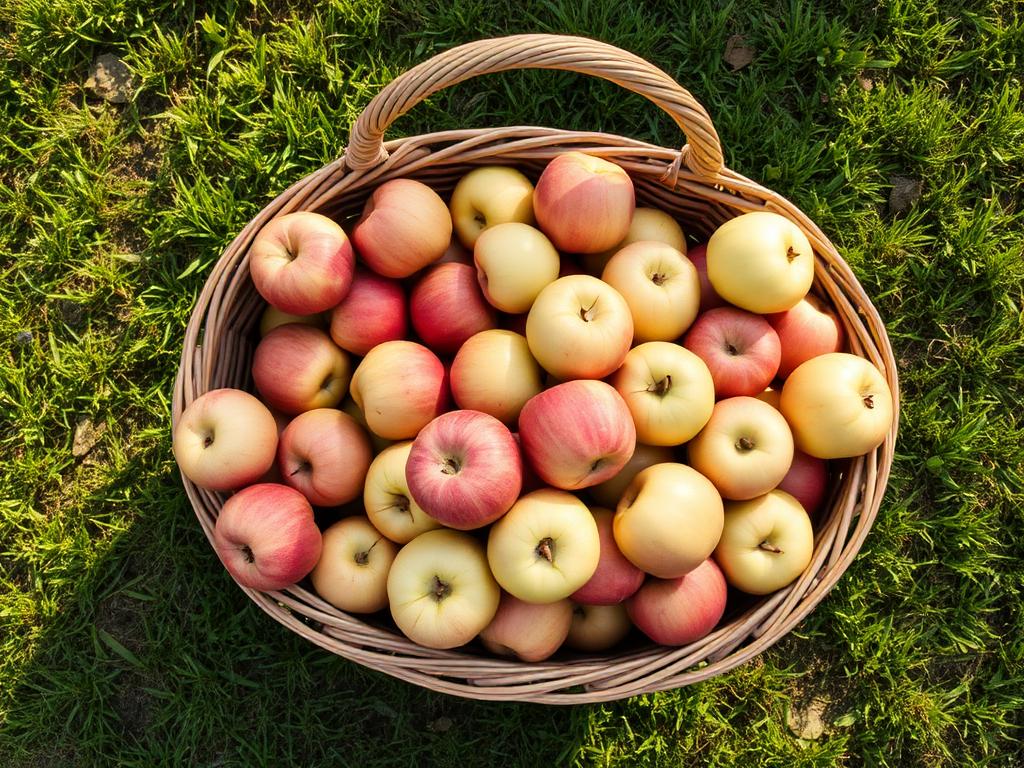
While all organic farming is sustainable, not all sustainable farming is certified organic. Organic certification is a legally defined standard that ensures products are produced without synthetic pesticides, herbicides, GMOs, or artificial fertilizers. It requires rigorous adherence to specific guidelines and regular inspections.
The Benefits of Organic Apples
Choosing organic apples means supporting farming practices that are explicitly designed to protect human health and the environment. Organic orchards focus intensely on soil vitality, natural pest cycles, and biodiversity. They prioritize ecological balance and aim for a closed-loop system where waste is minimized, and resources are recycled. This often results in apples that are not only free from chemical residues but also grown in a way that regenerates the land for future generations.
Many sustainable orchards go beyond minimum requirements, embracing innovative techniques to create truly regenerative agricultural systems.
The Role of Pick-Your-Own in Sustainable Orchards
Pick-your-own operations are inherently linked to sustainability in several ways. By allowing consumers to harvest their own fruit, orchards reduce the need for extensive packaging and transportation, cutting down on carbon emissions and waste. This direct-to-consumer model also fosters a deeper connection between people and their food source, encouraging an appreciation for where food comes from and the effort involved in growing it sustainably.
Supporting Local and Sustainable
When you choose a pick-your-own orchard that practices sustainable or organic farming, you are directly supporting local economies and environmentally responsible agriculture. This decision helps these farms remain economically viable, allowing them to continue investing in methods that protect our planet. It is a powerful way to vote with your dollars, encouraging the growth of sustainable food systems.
Challenges and Innovations in Sustainable Apple Growing
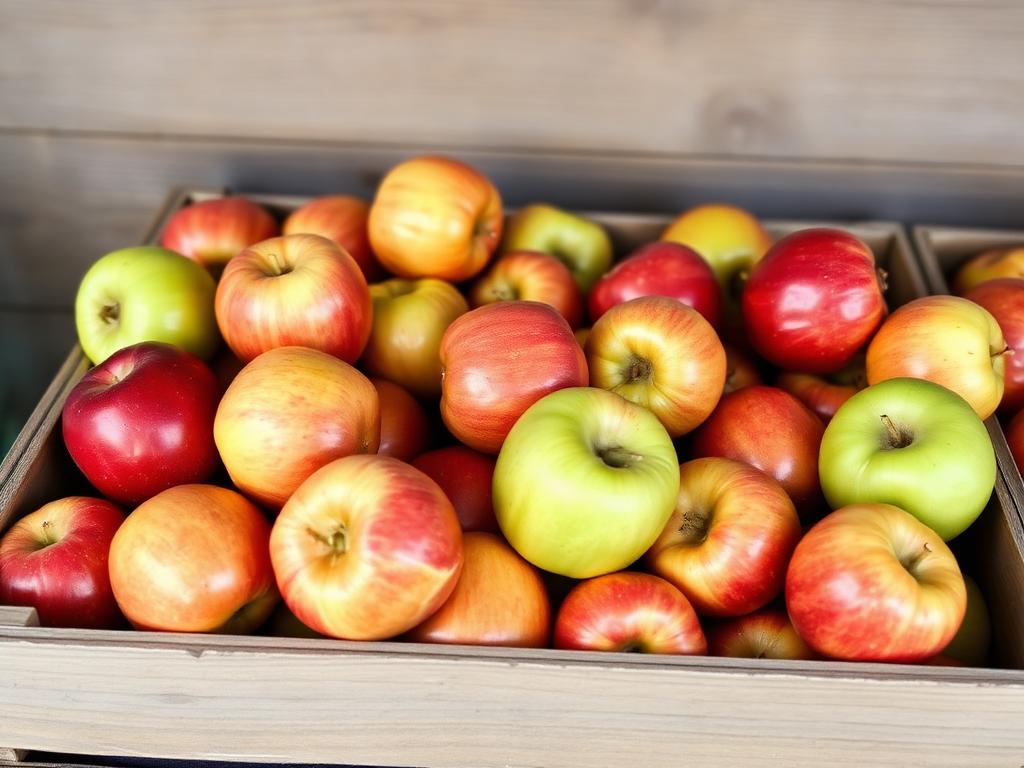
Sustainable apple farming is not without its challenges. Growers must constantly adapt to changing weather patterns, evolving pest resistances, and the economic pressures of the market. However, these challenges also spur innovation.
New Technologies and Techniques
- Precision Agriculture: Utilizing GPS, sensors, and drones to monitor crop health, soil conditions, and water needs with extreme accuracy, optimizing resource use.
- Biocontrol Agents: Expanding the use of natural enemies, pheromone traps, and biological sprays to combat pests and diseases.
- Drought-Resistant Varieties: Developing and planting apple varieties that can withstand drier conditions, reducing water dependency.
- Agroforestry: Integrating trees with other crops or livestock to create diverse and productive landscapes, enhancing ecological functions.
Consumer Awareness and Education
A significant aspect of driving sustainable practices forward is consumer awareness. Educating pickers about the importance of sustainable farming, how to identify it, and the benefits it provides can create a powerful demand for greener apples. Many orchards now offer educational tours, signage, and online resources to help visitors understand their farming philosophies.
How to Find Sustainable Apple Orchards Near You
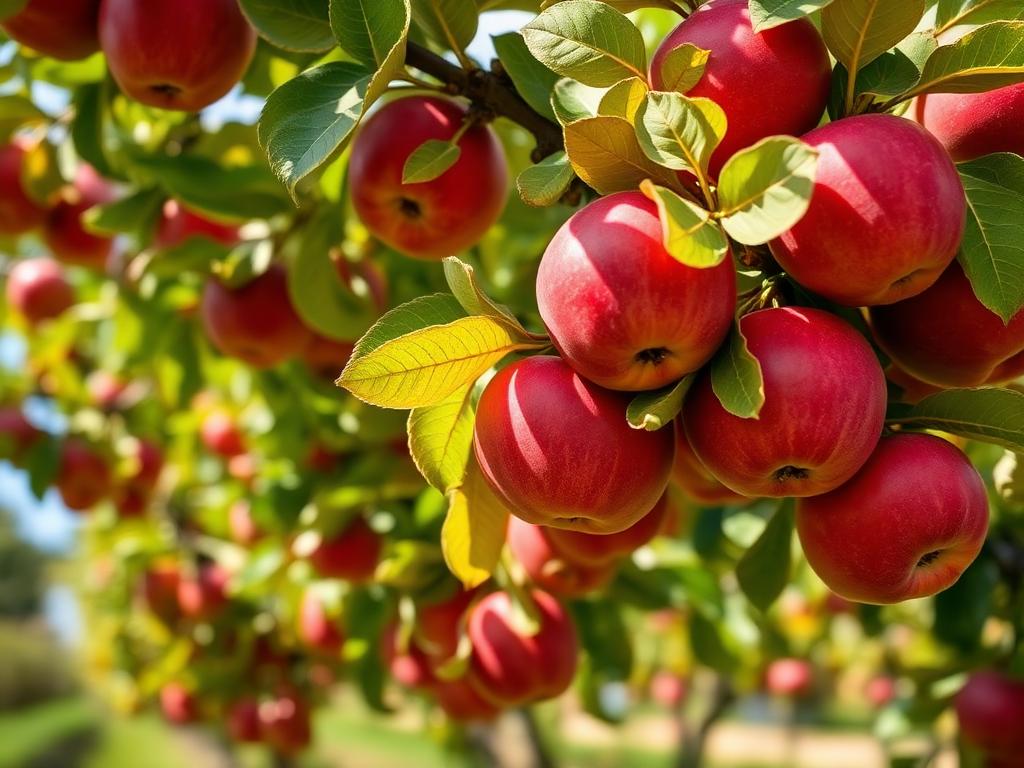
Finding orchards committed to sustainable practices can be easier than you think. Start by checking their websites for information on their farming methods. Look for keywords like 'organic,' 'IPM,' 'sustainable,' 'ecologically friendly,' or 'regenerative agriculture.'
- Check Certifications: Look for USDA Organic certification or other local sustainability programs.
- Ask Questions: Do not hesitate to ask orchard staff about their pest management, water usage, and soil health practices.
- Read Reviews: Other visitors might share insights into the farm's practices.
- Visit in Person: Often, you can observe signs of sustainable practices, like cover crops between rows or diverse plantings.
By engaging with these orchards and understanding their commitment, you become part of the solution, helping to cultivate a future where our food systems are resilient, healthy, and abundant for all.
Frequently Asked Questions
What does "sustainable" mean in apple farming?
Sustainable apple farming means growing apples in a way that protects the environment, is economically viable for the farmer, and supports the well-being of the community. It involves practices that minimize harm to the planet and conserve natural resources for future generations, like reducing water use and enhancing soil health.
Are organic apples always better than conventionally grown apples?
Organic apples are grown without synthetic pesticides, herbicides, or fertilizers, which can be better for the environment and may have fewer chemical residues. However, many conventional farms also use sustainable practices like Integrated Pest Management (IPM) to minimize chemical use, providing excellent quality fruit. The best choice often depends on your priorities and the specific farm's practices.
What is Integrated Pest Management (IPM) in apple orchards?
IPM is a strategy that uses a variety of methods to control pests in a way that minimizes environmental risk. Instead of relying solely on chemical sprays, IPM incorporates techniques like monitoring pest populations, introducing beneficial insects, planting pest-resistant varieties, and only using targeted treatments when necessary. It is a cornerstone of sustainable farming.
How can I tell if an orchard practices sustainable farming?
Look for information on their website or signage at the orchard describing their practices. Key indicators include mentions of organic certification, IPM, cover cropping, water conservation, and biodiversity initiatives. Do not hesitate to ask the farmers directly about their methods; many are proud to share their sustainable commitments.
Does sustainable apple farming affect the taste or quality of the apples?
Many believe that sustainable and organic farming practices lead to healthier trees and richer soil, which can result in more flavorful and nutritious apples. While scientific studies on taste can vary, the focus on soil health and natural growing conditions aims to produce robust and delicious fruit.
Why is supporting local, sustainable orchards important?
Supporting local, sustainable orchards helps reduce the carbon footprint associated with long-distance transportation, promotes biodiversity, protects local ecosystems, and ensures the economic viability of farms committed to environmentally responsible practices. It also connects you directly to your food source and strengthens local communities.
Tags
Explore more on Apple Picking Finder
Find orchards near you →
See the closest U-Pick apple farms with hours, pricing, and directions.
Apple varieties guide →
50+ varieties with taste notes, ripening windows, and best uses.
Ripening calendar →
When each variety is ready to pick, month by month, across the US.
Apple recipes →
60+ tested recipes for pies, crisps, cider, butter, and more.
Keep reading
Cider Donut Delights: Beyond Apples, Your Ultimate Orchard Treat Guide
Step into the aromatic world of apple cider donuts and discover the sweet symphony of treats that await at pick-your-own orchards. This comprehensive guide explores the irresistible charm of these fried delights and other must-try goodies that make autumn orchard visits truly magical.

Mastering Orchard Fun: Apple Picking Strategies for Young Families
Apple picking with kids can be a magical experience, creating cherished family memories and fostering a love for nature. But let's be honest, it can also quickly devolve into a chaotic scene. This guide offers practical tips to ensure your next orchard adventure is joyful, stress-free, and full of d
Furry Friends in the Orchard: Your Guide to Pet-Friendly Picking
Bringing your beloved canine companion along for a day of apple picking can elevate the experience from great to unforgettable. But navigating orchards with pets requires preparation and awareness. Discover how to make your visit smooth and enjoyable for everyone.