Apple Industry Shifts: Current Price Trends and Orchard Economics
Discover how shifting weather patterns, rising production inputs, and evolving consumer habits are shaping apple prices and your next pick-your-own orchard visit.

Planning an autumn excursion to your favorite pick-your-own orchard involves more than just checking harvest calendars and packing warm jackets. Behind every crisp peck of Honeycrisp or bushel of Gala lies a complex agricultural landscape influenced by shifting weather patterns, labor logistics, and supply chain expenses. Understanding the latest apple industry news and retail price trends offers valuable perspective on what to expect when you head into the grove this season.
The Economic Realities Behind Your Apple Peck
When visitors step into a family orchard, it can be easy to see the outing purely as an idyllic autumn tradition. However, apple production is one of the most capital-intensive branches of American specialty crop agriculture. Before a single tree yields marketable fruit, growers must invest years of patient labor, land preparation, and infrastructure maintenance.
In recent seasons, growers across the nation have faced steadily increasing operational costs. The basic materials required to sustain high-density modern plantings, including high-tensile trellis wire, pressure-treated support posts, and precision drip irrigation tubing, have all climbed in price. Additionally, soil health amendments, natural fertilizers, and certified organic pest control materials have seen compounding price increases. For independent growers, these heightened upfront costs must ultimately be balanced across retail farm markets and pick-your-own container sales.
Industry Note: While retail apple prices across grocery channels fluctuate based on global shipping and cold storage capacity, pick-your-own pricing remains largely tied to immediate farm operational sustainability and land preservation costs.
Labor, Energy, and Fuel: The Pressure on Overhead
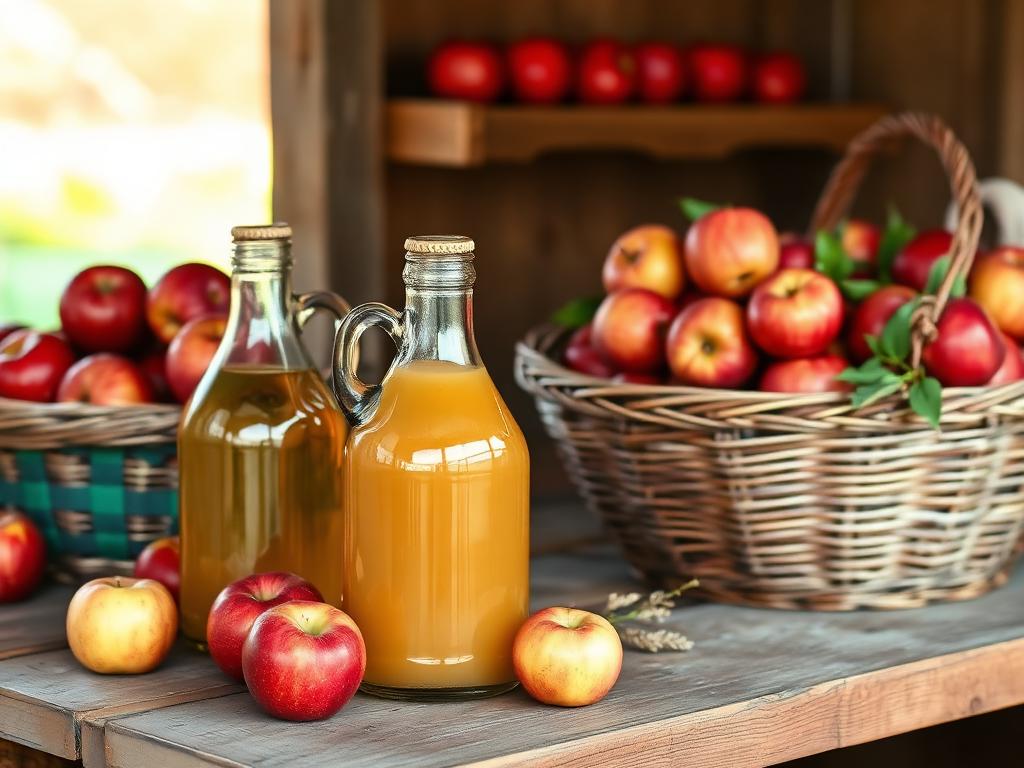
Tree fruit production remains an intensely manual trade. While grain and soy farming rely heavily on mechanized harvesting equipment, fresh-market dessert apples must still be harvested carefully by hand. A bruised apple cannot be sold at premium fresh-market rates, meaning orchards depend on experienced seasonal workers who know how to twist, lift, and stem-clip fruit without causing damage.
Agricultural wages have risen steadily across all major growing regions, from the Pacific Northwest to the Hudson Valley. Growers who rely on the federal seasonal worker programs face escalating administrative requirements, housing obligations, and transportation fees. Combined with fuel surcharges for tractor operations, mowing, and hauling, the baseline cost of maintaining a single acre of orchard ground has never been higher.
Energy expenses create another significant financial burden. Commercial apple preservation requires massive refrigerated facilities, often running controlled-atmosphere systems that reduce oxygen levels to slow ripening. The electricity required to chill thousands of bushels of fruit immediately after harvest represents one of the largest ongoing expenses for mid-sized and large orchards alike.
Weather Volatility and Regional Crop Sizes
The national apple market is never uniform. It is a mosaic of microclimates, where an extraordinary harvest in Washington State can occur alongside severe production shortfalls in Michigan, New York, or Pennsylvania. Recent growing cycles have underscored just how volatile these regional dynamics can be.
Unpredictable spring freeze events have become a major concern for growers in the eastern half of the country. A sudden warm spell in March can cause delicate blossoms to open prematurely, leaving the tender blooms vulnerable to sudden April cold snaps. Orchards that experience severe frost events must deploy costly frost-protection fans, tractor-mounted heaters, or overhead sprinkler systems to save the crop. Even when these protective measures succeed, the financial cost of running machinery through freezing nights adds to overall harvest expenses.
Conversely, western growers have contended with record summer heat and fluctuating water allotments. Excessive heat during late summer can cause sunburn on fruit surfaces or delay the cool-night temperature drops required for red varieties to develop their signature blush. When extreme weather limits the volume of top-tier fresh fruit, the limited available supply inevitably pushes regional pricing upward.
The Premium Variety Phenomenon
Take a stroll through any modern farm stand or grocery display, and you will quickly notice stark differences in price depending on the cultivar. Classic standby varieties like McIntosh, Cortland, Rome, and Golden Delicious frequently retail at lower price points. Meanwhile, newer managed varieties and premium selections command noticeable price premiums.
This price disparity stems from two distinct factors: cultivation difficulty and intellectual property licensing. Honeycrisp, which remains the undisputed sales darling of modern orchards, is notoriously difficult to grow. The trees are prone to biennial bearing, meaning they may produce heavily one year and yield almost nothing the next. The fruit is also exceptionally vulnerable to bitter pit, a calcium deficiency that creates dark spots beneath the skin, as well as delicate stems that puncture neighboring fruit during harvest. Because a substantial portion of a Honeycrisp crop may never make it into a customer basket, growers must price the successful yield higher to offset losses.
Additionally, modern managed club varieties such as SweeTango, EverCrisp, and Cosmic Crisp require growers to pay tree royalties and annual marketing fees to university breeding programs or variety management consortiums. These investments fund breeding research and national consumer promotions, but they also establish a higher baseline price floor for consumers.
Agritourism and Experience-Based Orchard Pricing
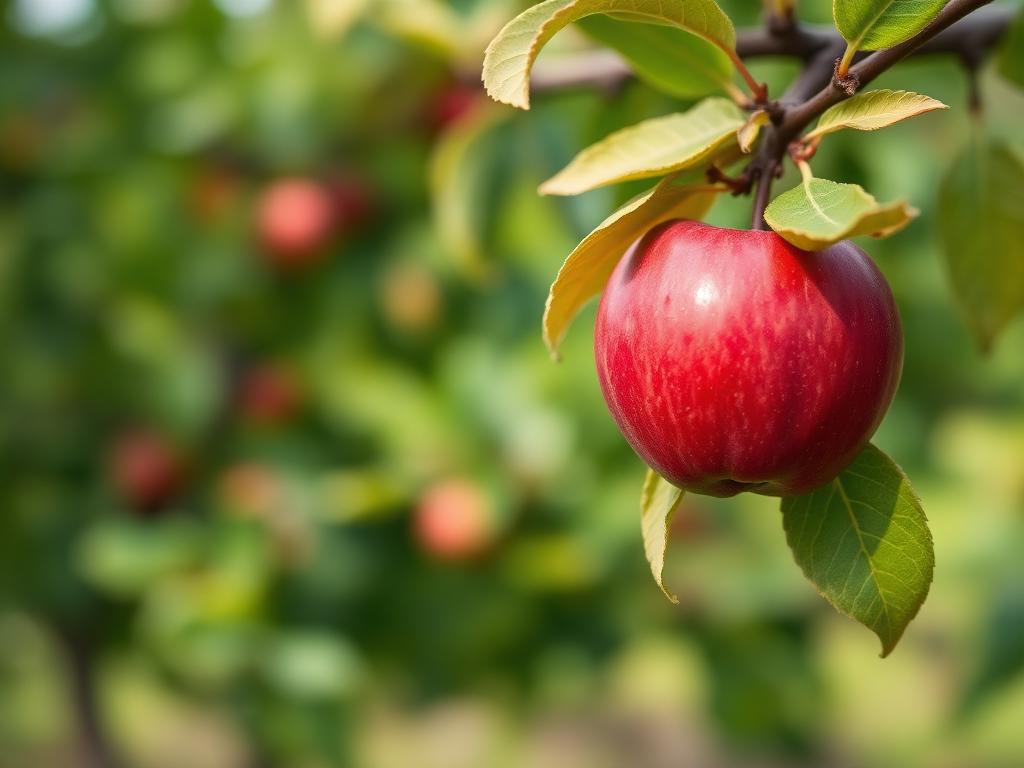
To insulate themselves against volatile wholesale commodity pricing, hundreds of apple farms have pivoted toward agritourism. This structural shift has changed how visitors pay for their orchard experience. Where older picking operations once simply weighed a brown paper bag at the exit, modern farms often charge an all-inclusive admission fee covering tractor rides, live music, corn maze entry, and picking privileges.
This evolution reflects consumer desire for full-day rural experiences rather than quick commodity shopping. While some casual visitors may be surprised by orchard admission fees or fixed bag pricing, farm operators point out that these fees finance essential guest amenities. Paved parking spaces, accessible restrooms, liability insurance, dedicated field staff, and family entertainment require substantial financial reserves that commodity apple sales alone cannot sustain.
Commercial Grocery Aisles Versus Pick-Your-Own Value
Comparing supermarket prices directly to pick-your-own rates can sometimes feel confusing. Supermarket chains often purchase apples in massive bulk quantities, benefiting from volume discounts, centralized packing facilities, and nationwide logistics contracts. Furthermore, commercial grocery stores frequently use staple apples as loss leaders to drive foot traffic into their produce aisles.
When you purchase fruit at a pick-your-own orchard, you are not simply buying a food commodity. You are paying for unmatched freshness and direct farm connection. Apples plucked straight from the branch retain their natural sugars, crisp texture, and aromatic volatiles, which begin degrading the moment fruit enters industrial distribution channels. When you factor in the entertainment value, educational benefit for children, and superior shelf life of cold-stored, locally harvested fruit, the per-pound cost of farm picking remains a compelling seasonal value.
How Savvy Consumers Can Maximize Their Orchard Budget
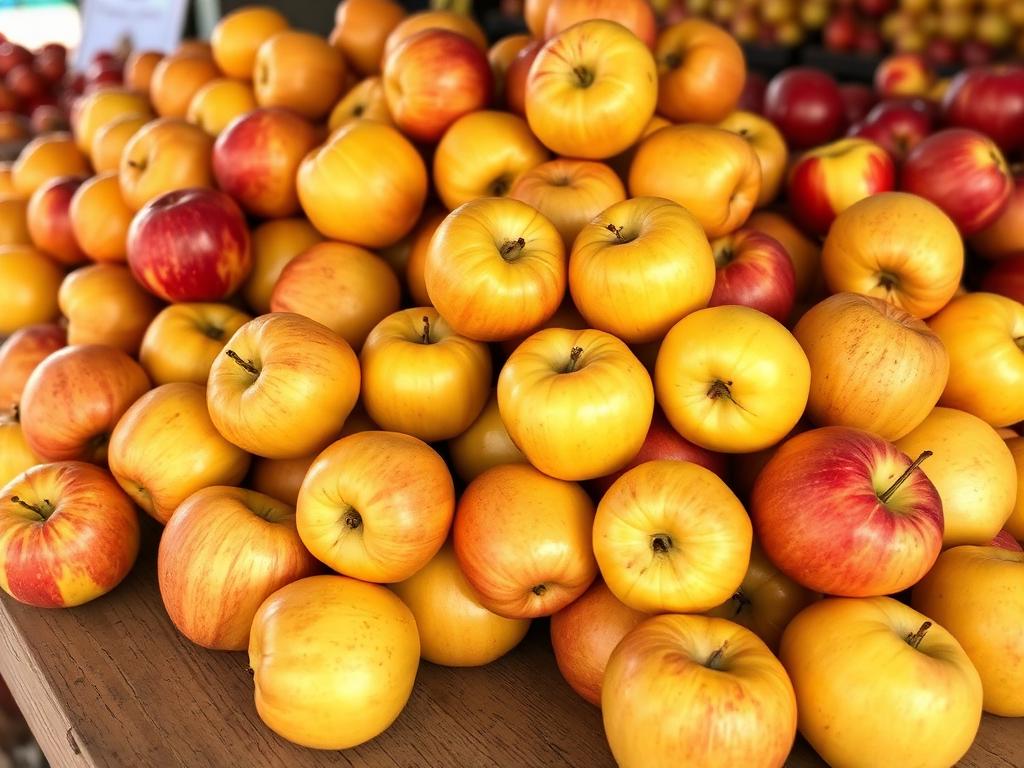
If you want to enjoy the orchard experience while keeping family spending in check, several practical strategies can help you maximize your autumn budget:
- Opt for volume discounts: Purchasing a full bushel or half-bushel bag almost always yields a significantly lower per-pound price than buying small quarter-peck containers.
- Target multipurpose heritage varieties: Excellent multipurpose apples like Ida Red, Jonathan, Northern Spy, or Baldwin often carry lower price points than trending club varieties while delivering phenomenal baking and pressing flavor.
- Inquire about utility or second-grade apples: Many farm stores sell discounted utility grade bags. These apples possess minor cosmetic blemishes or hail marks, making them unsuitable for long-term display, but they are ideal for immediate applesauce making, pies, or cider pressing.
- Plan visits during off-peak windows: Some agritourism farms offer discounted admission rates or lower picking fees on weekdays, allowing budget-conscious families to skip both the crowds and the weekend price premiums.
- Learn proper storage techniques: Protect your investment by keeping picked apples in your refrigerator crisper drawer rather than a warm kitchen bowl. Keeping fruit at near-freezing temperatures extends crispness for weeks, preventing unnecessary waste.
Looking Ahead: The Long-Term Trajectory of Orchard Agriculture
As the commercial apple industry looks to the future, adaptation will be the primary theme. Growers are accelerating the adoption of precision agriculture technologies, including canopy sensors that map blossom density, smart sprayers that apply materials only to targeted trees, and automated weather stations that alert managers to microclimate frost risks in real time.
Furthermore, research into climate-resilient rootstocks and heat-tolerant cultivars is gaining momentum. Plant scientists are actively developing varieties that require fewer winter chilling hours to break dormancy, ensuring that orchards can remain productive even as regional winter conditions grow milder. By embracing both modern science and welcoming agritourism experiences, America's apple growers are working diligently to keep their historic farms viable for generations to come.
Frequently Asked Questions
Why have apple picking bag prices increased recently?
Higher picking bag rates reflect broader economic trends, including increased agricultural wages, elevated energy costs for refrigeration, higher prices for trellising materials, and rising business insurance premiums required for public agritourism activities.
Why does Honeycrisp cost more per pound than traditional varieties?
Honeycrisp is among the most demanding apple cultivars to produce. The trees are prone to irregular bearing cycles, calcium disorders, and delicate fruit skin that punctures easily. Growers experience higher crop loss rates, which necessitates a higher retail price to cover production expenses.
Is pick-your-own picking cheaper than buying apples at the supermarket?
Per-pound picking prices can occasionally match or exceed standard supermarket rates. However, pick-your-own fruit offers unmatched branch freshness, an extended home storage lifespan, and an outdoor family entertainment experience that a grocery aisle cannot provide.
What are utility grade apples, and should I consider them?
Utility or second-grade apples are healthy, clean fruits that have minor cosmetic imperfections, unusual shapes, or skin blemishes from wind or hail. They taste just as delicious as pristine fruit and are typically sold at substantial discounts, making them ideal for canning, baking, and cider.
How do regional weather challenges affect national apple availability?
Because major growing states experience vastly different weather patterns, a late freeze in the East or Midwest can reduce regional harvest supplies, driving local farm prices up. However, robust production in western growing regions often stabilizes broad supermarket availability, balancing national consumer pricing.
Tags
Explore more on Apple Picking Finder
Find orchards near you →
See the closest U-Pick apple farms with hours, pricing, and directions.
Apple varieties guide →
50+ varieties with taste notes, ripening windows, and best uses.
Ripening calendar →
When each variety is ready to pick, month by month, across the US.
Apple recipes →
60+ tested recipes for pies, crisps, cider, butter, and more.
Keep reading
Apple Prices and Harvest Trends: What Orchard Visitors Can Expect
Wondering why apple prices fluctuate at your favorite pick-your-own orchard? We break down national harvest economics, input costs, and what consumers should expect this fall.
Apple Picking Tips for Families: Stress-Free Orchard Days
Plan the ultimate fall orchard outing with our comprehensive guide to apple picking with kids. Learn smart packing habits, harvesting tricks, and fun family field games.

Sustainable Apple Orchards: Your Guide to Eco-Friendly Picking
Dive into the world of sustainable apple farming and discover how organic orchards are shaping the future of healthy eating and environmental stewardship. Learn what makes an orchard truly green and how your picking choices make a difference.