Apple Prices and Harvest Trends: What Orchard Visitors Can Expect
Wondering why apple prices fluctuate at your favorite pick-your-own orchard? We break down national harvest economics, input costs, and what consumers should expect this fall.
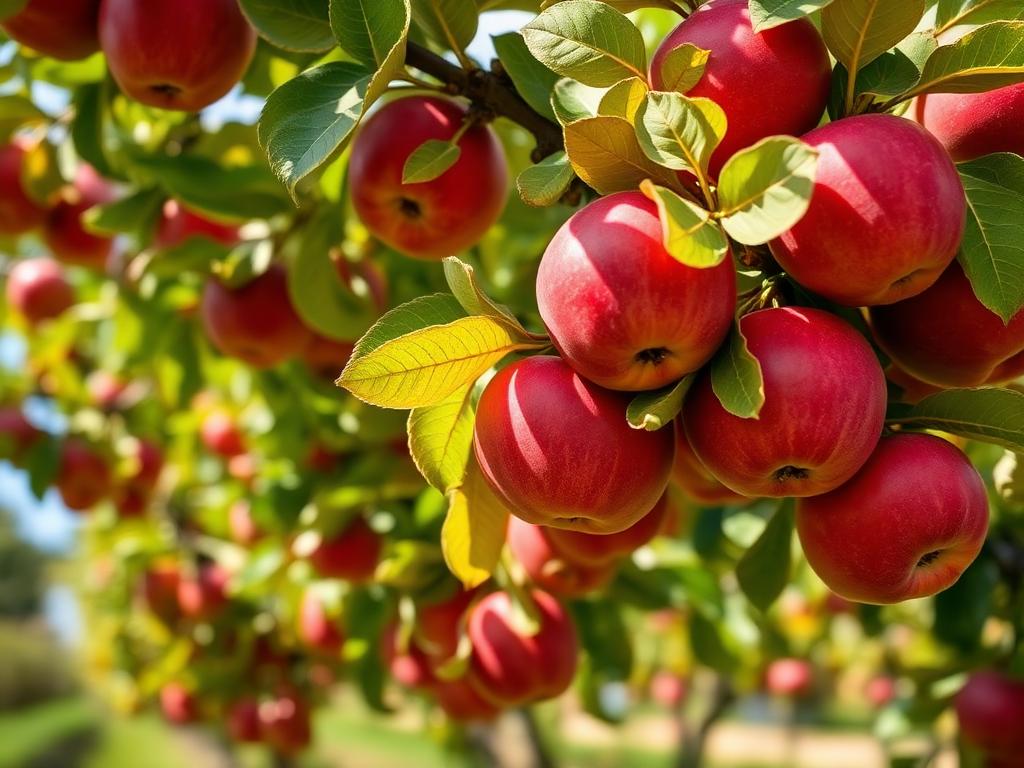
Every autumn, millions of families head out to their local orchards with canvas totes and wooden baskets, eager to snap crisp fruit directly from sun-drenched branches. Yet as you tally up your haul at the farm stand register, you might notice that the per-pound cost looks a bit different than it did a few years ago. Understanding how shifting weather patterns, rising production inputs, and fluctuating distribution expenses influence apple prices can help you appreciate every bushel you bring home.
Behind the Bushel: The Driving Forces of Apple Pricing
Apple pricing across the United States is rarely accidental. It reflects a delicate balance between national yield volumes, consumer demand, and the escalating realities of running an agricultural operation. While shoppers often think of apples as a staple grocery item with predictable costs, the commercial apple sector operates on razor-thin margins subject to wide seasonal swings.
When national supplies are abundant, wholesale prices generally soften, easing pressure on supermarket shelves. However, that wholesale price does not translate directly to your neighborhood pick-your-own orchard. Small to mid-sized family farms cultivate their fruit with specific retail experiences in mind, balancing regional overhead against local consumer habits. The price you pay at the orchard scales with the true cost of local land stewardship, bespoke cultivation techniques, and agritourism overhead that commercial commodity operations simply do not encounter.
Input Costs and Farm Realities: Why Orchard Care Costs More
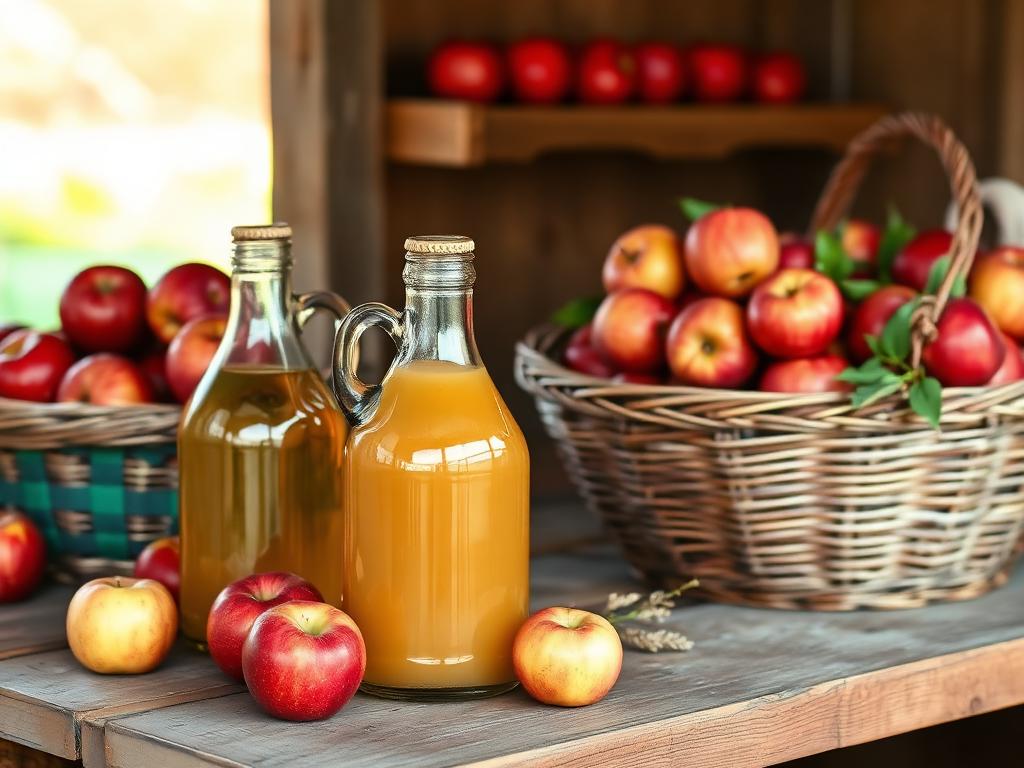
To understand why apple prices trend upward over time, one must examine the calendar of an orchardist. Long before the first blossom opens in May, growers invest massive financial resources into their groves. Pruning thousands of trees during dormant winter months requires specialized, skilled labor that cannot be automated. Every cut shapes the canopy to guarantee sunlight reaches each bud, setting the foundation for autumn quality.
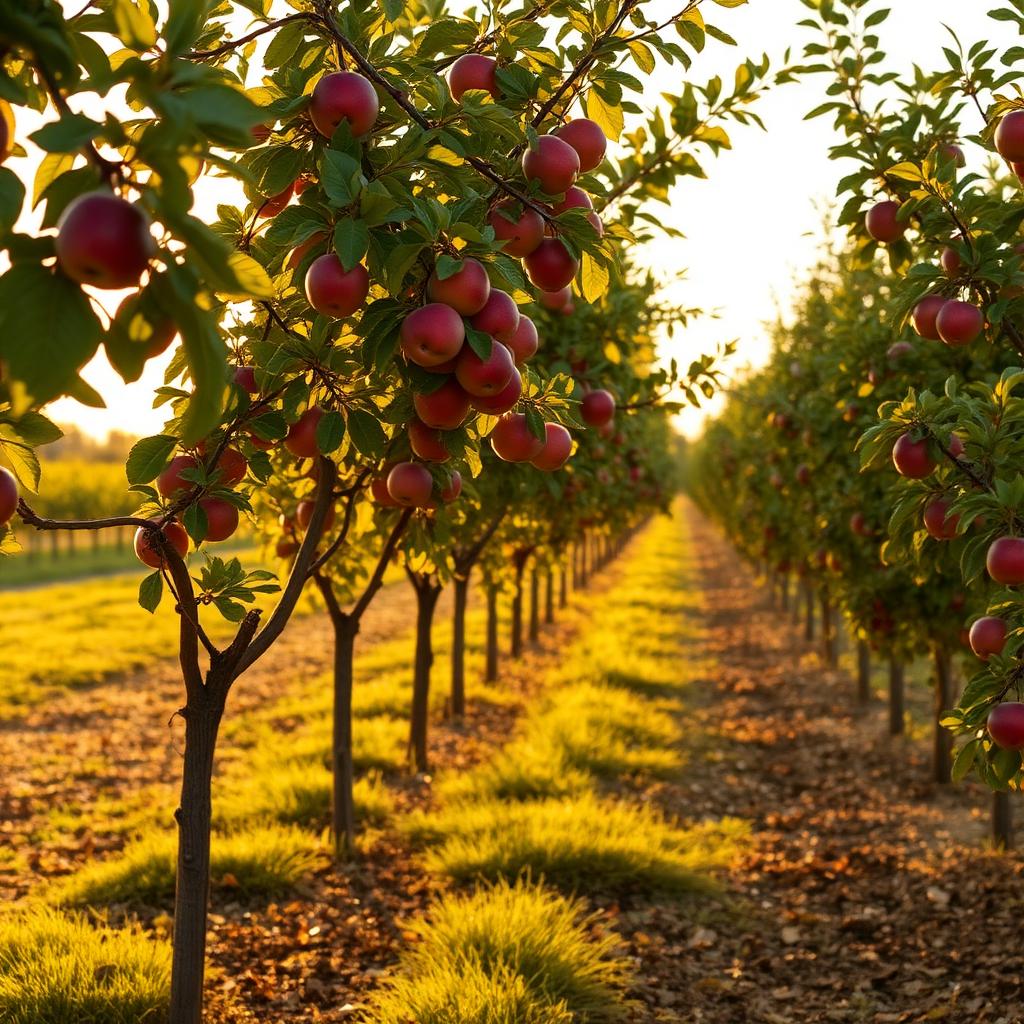
Over recent seasons, the cost of core agricultural inputs has risen noticeably. Fertilizer, organic soil amendments, and biological pest controls have seen sustained cost increases across the country. Furthermore, modern orchards rely heavily on high-density trellis systems. These setups plant hundreds more trees per acre than historic standard plantings, using support wires, irrigation lines, and wooden posts that have all grown more expensive to construct and maintain.
Orchardists typically invest up to five full years of labor, irrigation, and trellis maintenance into a newly planted block before the trees produce a commercially viable harvest.
Fuel expenses also play an immediate role. Tractors must traverse orchard alleys dozens of times throughout the spring and summer to mow grass, apply protective treatments, and monitor tree health. When diesel and electricity rates climb, the cost of pumping well water for drip irrigation systems and cooling cold-storage warehouses rises in lockstep.
Regional Harvest Shifts Across Major Growing States
The national apple market is anchored by several key production hubs, each experiencing distinct growing seasons that ripple across state lines. The dynamics between these regions influence fruit availability, retail pricing, and the varieties that end up in regional farm markets.
The Pacific Northwest Powerhouse
Washington State remains the undisputed leader in American apple volume, consistently producing the majority of the nation fresh-market crop. What happens in the valleys of Central Washington sets the baseline wholesale price for apples across North America. When Washington experiences optimal bloom weather and strong harvests, wholesale grocery prices often moderate. Conversely, unexpected heat waves or early freezes in the Northwest send waves of supply shifts through commercial distribution channels, prompting supermarket buyers to look eastward.
Eastern and Midwestern Resilience
States like New York, Michigan, and Pennsylvania represent the heart of traditional pick-your-own culture and regional processing. These states feature high concentrations of multi-generation family farms that rely heavily on direct-to-consumer sales. In these humid growing environments, disease management requires intensive oversight, meaning input costs per bushel can run higher than in the arid, irrigated valleys of the West. When late spring frosts touch the Great Lakes or the Hudson Valley, local yields contract, keeping farm stand prices firm even when national supermarkets seem well-stocked.
Pick-Your-Own Versus Supermarket Pricing Dynamics
One of the most common questions orchard guests ask is why pick-your-own fruit can sometimes cost the same as, or more than, standard bagged apples at a discount grocery store. At first glance, harvesting your own fruit might feel like you are saving the grower labor costs. In reality, the economics of agritourism tell a much different story.
When an orchard opens its gates to thousands of weekend visitors, its liability and operational requirements multiply. Farms must invest in extensive parking accommodations, safety infrastructure, sanitization stations, and seasonal customer-service staffing. Unlike commercial pickers who move systematically down a row to harvest every tree clean, public pickers naturally drop fruit, snap delicate fruiting spurs, and occasionally damage lower limbs. Growers must factor this unavoidable fruit loss into their field pricing.
Furthermore, visitors are not merely buying bulk fruit. They are paying for peak freshness, single-origin transparency, outdoor recreation, and the opportunity to spend a fall day connected to the land. You receive an apple that matured on the branch to its absolute peak sugar content, harvested hours before you eat it rather than weeks prior.
The Premium Variety Shift: Club Apples and Licensing
Walk through an orchard today and you will notice a stark shift away from legacy varieties toward premium, high-flavor cultivars. While older standards like Red Delicious and McIntosh still have dedicated followers, consumer preferences have shifted toward varieties that deliver explosive crispness, elevated sweetness, and balanced acidity.
This shift has financial consequences for consumers and growers alike. Many modern favorites are proprietary club varieties. Cultivars like SweeTango, EverCrisp, and Cosmic Crisp require growers to pay tree royalties, licensing fees, and marketing dues for the right to plant and sell them. These varieties yield exceptional crunch and complex flavor, but their production rights come at a distinct premium. Even open-access varieties like Honeycrisp remain challenging to grow, prone to bitter pit and delicate skin, demanding extra calcium sprays and careful handling that keep their market price reliably high.
Weather Anomalies and Climate Pressures on Yields
Apples are temperate perennials that depend on predictable seasonal cues: sufficient winter chilling hours to break dormancy, a frost-free bloom window in spring, moderate summer heat for cellular development, and cool autumn nights to trigger vibrant skin color. In recent years, unseasonal weather events have made orchard planning far more volatile.
Early spring warm-ups, followed by severe overnight freezes when flower buds are open, have forced many farm owners to invest in costly mitigation measures. Helicopters and massive tractor-mounted frost fans are deployed overnight to mix warm inversion layers down onto cold orchard floors. When these extreme interventions are required, fuel costs escalate rapidly. Similarly, extreme summer hail events can instantly render an entire crop unfit for fresh-market retail, redirecting potential table fruit into lower-value cider pressing.
Smart Strategies for Budget-Conscious Orchard Visitors
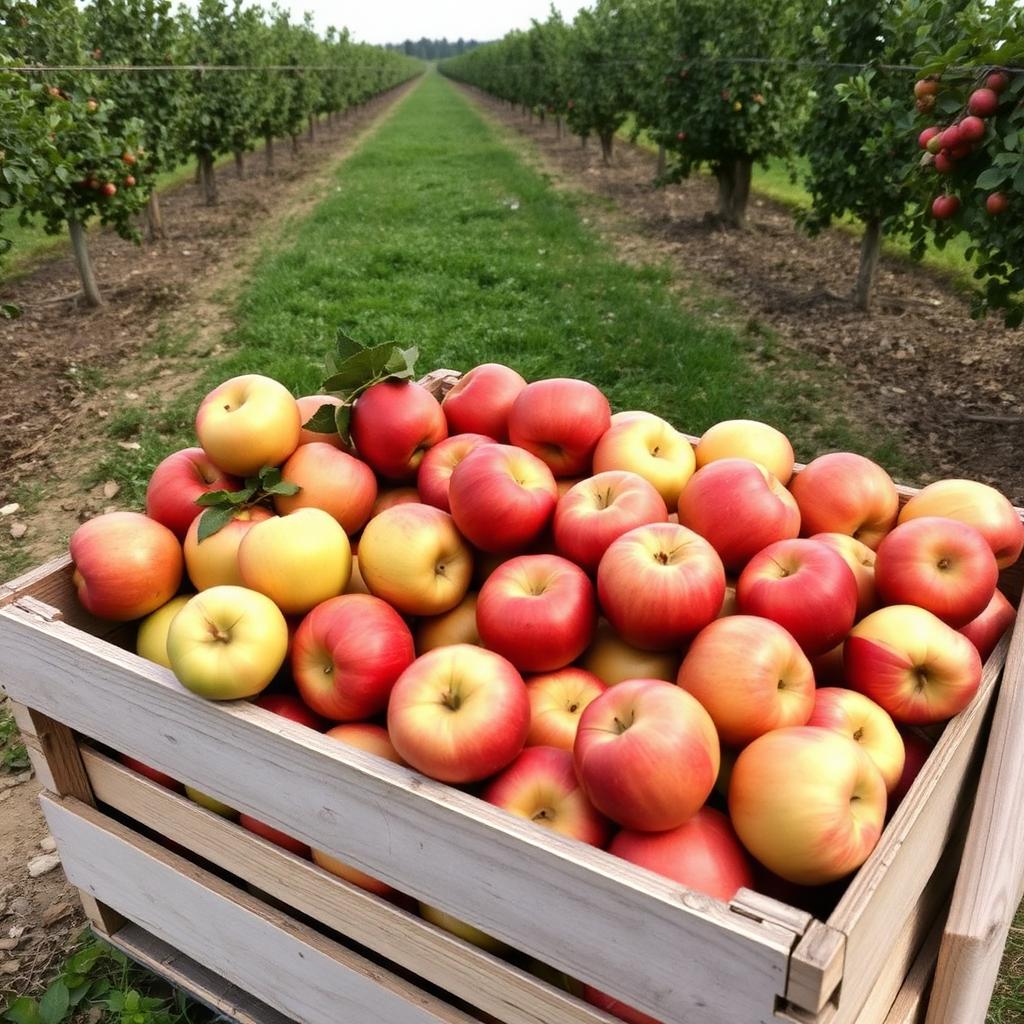
While economic pressures have caused orchard prices to rise, there are plenty of practical ways for families to enjoy the harvest tradition without overspending. Planning your visit with intention allows you to maximize your budget while supporting local growers.
- Buy by the bushel rather than the peck: Most farms structure their pricing with steep volume discounts. Splitting a full bushel with friends or neighbors significantly lowers your cost per pound.
- Inquire about utility grade fruit or seconds: If you plan to make applesauce, apple butter, or pie filling, ask the farm stand for processing grade apples. These fruits often have minor cosmetic blemishes but taste identical to showpiece fruit at half the price.
- Visit during midweek picking hours: Several orchards now offer discounted field admissions or lower per-pound pricing on Tuesdays, Wednesdays, and Thursdays to balance customer foot traffic.
- Focus on dual-purpose heirloom varieties: Choosing versatile varieties like Ida Red, Rome, or Golden Delicious allows you to use a single harvest bag for both fresh lunchbox snacking and weekend baking.
Frequently Asked Questions
Why have pick-your-own apple prices increased over the past few seasons?
Prices reflect cumulative increases in agricultural labor rates, fuel, soil management, liability insurance, and the physical maintenance of agritourism infrastructure. Growers must price their fruit to cover these rising foundational costs.
Are apples at pick-your-own orchards more expensive than supermarket apples?
They can be, particularly when compared to commercial grocery store sales. Supermarket apples are purchased in massive wholesale volumes and often stored for months. Pick-your-own prices reflect the recreational farm experience, premium tree-ripened freshness, and direct support of local open space.
Why are varieties like Honeycrisp consistently priced higher than other apples?
Honeycrisp is notoriously difficult to cultivate. The trees are delicate, susceptible to nutrient imbalances, and require extensive hand-thinning and specialized pruning. The higher price compensates the farmer for lower overall pack-out yields and increased field labor.
What is the most economical way to buy apples at a local orchard?
Purchasing larger volumes such as half-bushels or full bushels yields the lowest price per pound. Inquiring about slightly blemished utility apples for cooking and visiting on off-peak weekdays can also generate substantial savings.
How does unpredictable spring weather affect autumn apple prices?
Severe late spring frosts kill delicate blossoms, reducing the total amount of fruit a tree can set. When regional yields drop due to weather damage, orchards must price their remaining harvest carefully to sustain their annual operating budgets.
Tags
Explore more on Apple Picking Finder
Find orchards near you →
See the closest U-Pick apple farms with hours, pricing, and directions.
Apple varieties guide →
50+ varieties with taste notes, ripening windows, and best uses.
Ripening calendar →
When each variety is ready to pick, month by month, across the US.
Apple recipes →
60+ tested recipes for pies, crisps, cider, butter, and more.
Keep reading

Apple Industry Shifts: Current Price Trends and Orchard Economics
Discover how shifting weather patterns, rising production inputs, and evolving consumer habits are shaping apple prices and your next pick-your-own orchard visit.
Apple Picking Tips for Families: Stress-Free Orchard Days
Plan the ultimate fall orchard outing with our comprehensive guide to apple picking with kids. Learn smart packing habits, harvesting tricks, and fun family field games.

Sustainable Apple Orchards: Your Guide to Eco-Friendly Picking
Dive into the world of sustainable apple farming and discover how organic orchards are shaping the future of healthy eating and environmental stewardship. Learn what makes an orchard truly green and how your picking choices make a difference.