Storing Fresh-Picked Apples: How to Keep Orchard Fruit Crisp
Brought home a bountiful orchard haul? Learn the best cellar tricks, cold storage methods, and simple preservation techniques to keep your apples crisp and flavorful all winter long.
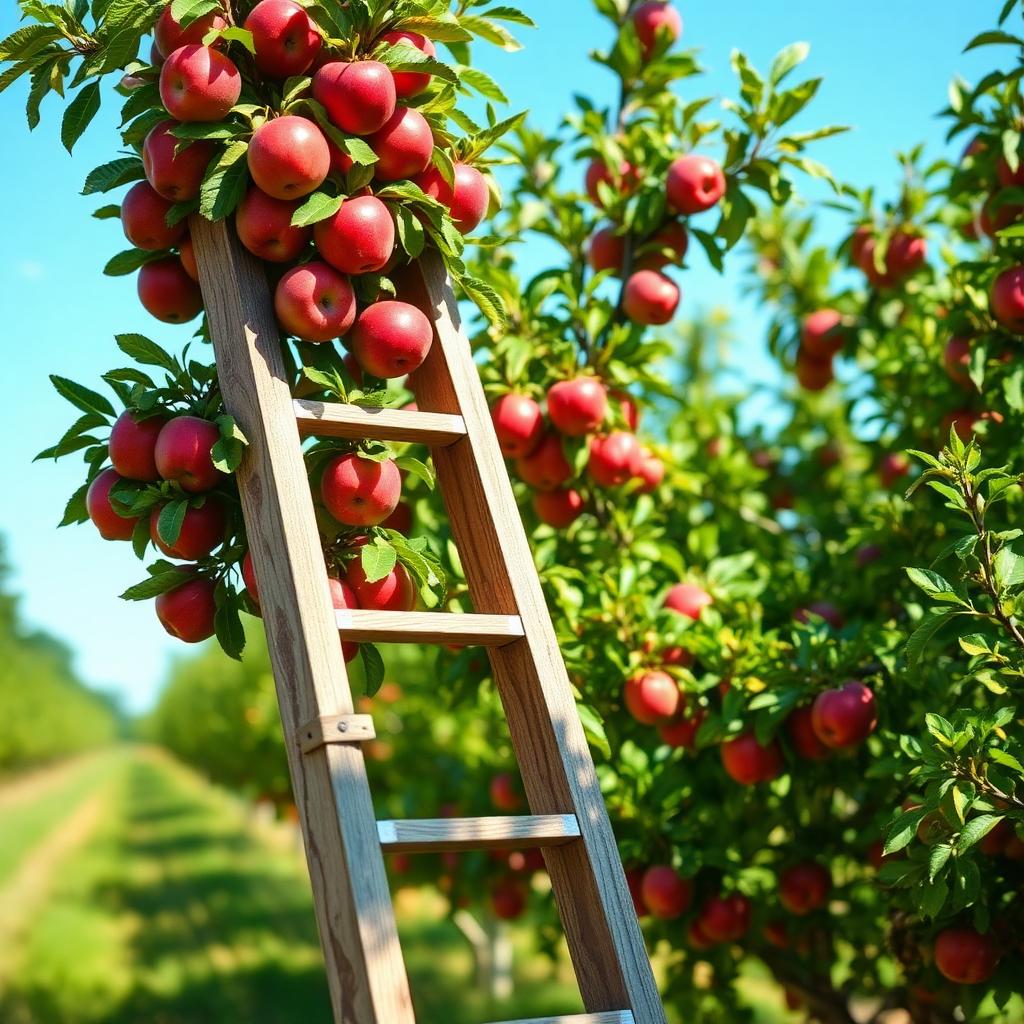
Standing in the orchard on a crisp October afternoon, it is easy to let your enthusiasm get the better of you. Before you know it, your trunk is filled with peck bags, half-bushel baskets, and crates of hand-picked treasures. Knowing how to properly store and preserve fresh-picked apples ensures that none of your hard-earned harvest goes to waste before winter sets in.
Sorting the Harvest: The First Step to Long-Term Storage
Before you stow away a single apple, you must sort your haul with a critical eye. Orchard apples are fresh and unprocessed, which means they lack the synthetic waxes and chemical retardants common in commercial grocery distribution. They are living, breathing agricultural produce, and their natural clock starts ticking the moment they are twisted from the branch.
Separate your fruit into two primary categories: pristine keepers and processing candidates. Pristine keepers are apples that have zero skin breaks, no bird pecks, no insect stings, and intact stems. If an apple is missing its stem, the skin around the cavity can tear slightly, creating a tiny gateway for fungal spores like blue mold and gray rot.
Any apple that displays a small bruise, a dropped impact mark, or skin imperfections should be set aside for immediate consumption or preservation through cooking. The old proverb about one bad apple spoiling the whole barrel is rooted in solid botany. Injured apples produce surges of ethylene gas, a natural ripening hormone that triggers nearby fruit to mature, soften, and eventually rot in rapid succession.
Orchard Wisdom: Never wash your apples before putting them into cold storage; natural bloom protects the skin from moisture loss and harmful mold spores.
Understanding Apple Varieties: Keepers Versus Eaters
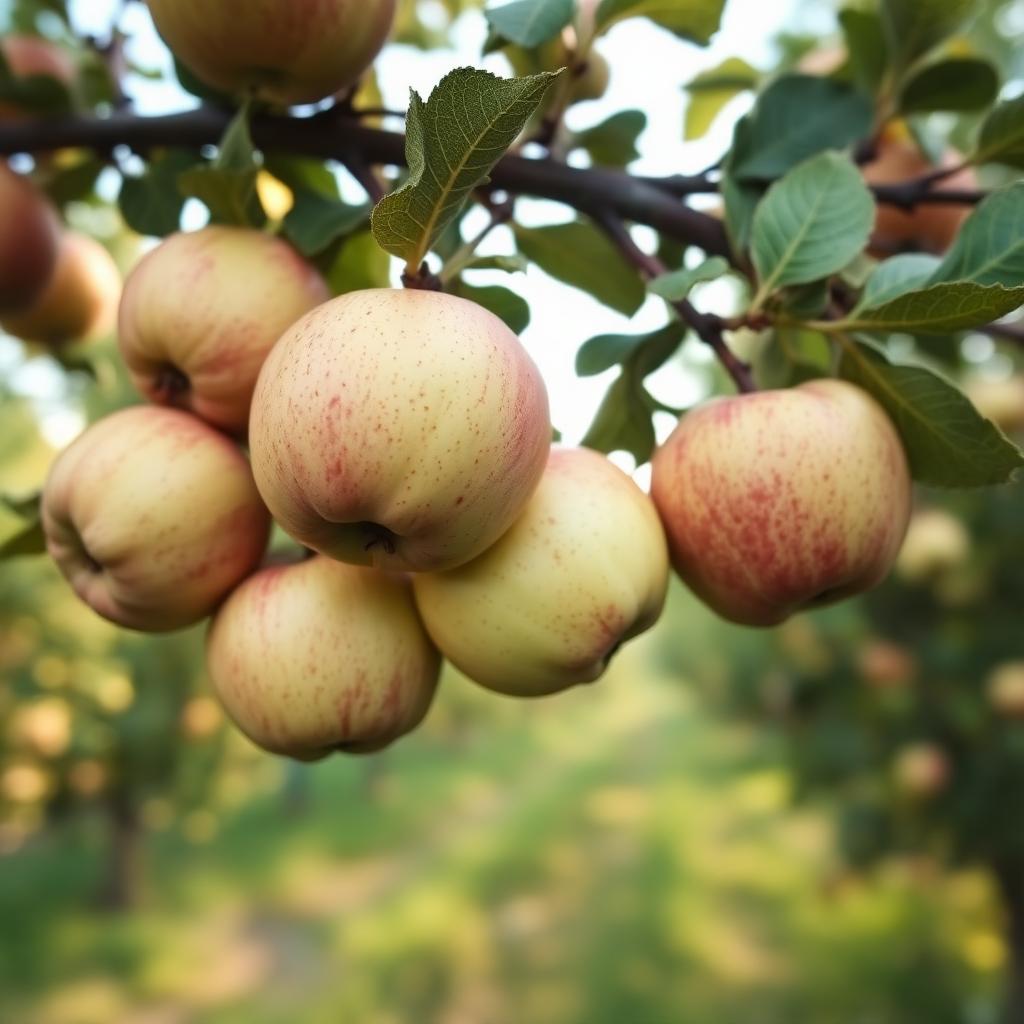
Not all apple varieties possess the cellular structure required for months of cold storage. In general, late-season harvest varieties with thick skins, dense flesh, and high acid content will keep far longer than early-ripening summer varieties. Knowing what you picked helps you establish an eating and preserving schedule.
- Long-Term Keepers (3 to 5 months): Late-season cultivars such as Arkansas Black, Fuji, Rome Beauty, Northern Spy, Ida Red, and Winesap possess firm cell walls and resilient skins that excel in cool basements or refrigerators.
- Moderate Keepers (1 to 2 months): Mid-season favorites like Honeycrisp, Cortland, Jonagold, and Golden Delicious hold up well under refrigeration but will lose their signature snap if left at room temperature for more than a week.
- Immediate Use (1 to 3 weeks): Early-season cultivars like McIntosh, Gala, Ginger Gold, and Lodi soften rapidly and should either be eaten fresh or turned into sauces and pies right away.
If your orchard day included picking an assortment of varieties, label your crates carefully. Plan to enjoy the sweet, tender early varieties first while allowing the tart winter varieties to rest, as many winter apples actually improve in flavor after a month in cold storage.
The Ideal Climate: Replicating Commercial Storage at Home
To keep an apple dormant, you must manage three environmental factors: temperature, humidity, and atmospheric air quality. In commercial packing houses, apples rest in controlled atmosphere rooms with regulated oxygen levels. While you cannot replicate high-tech gas scrubbers at home, you can mirror the temperature and humidity conditions that slow natural decay.
Temperature Management
The ideal temperature for storing fresh-picked apples is between 31 and 35 degrees Fahrenheit. Apples will freeze at approximately 29 degrees, which damages their cell walls and leaves them mushy upon thawing. A standard refrigerator set to 33 or 34 degrees provides an exceptional environment for small to medium harvests. If you use an unheated garage, cellar, or enclosed porch, keep a reliable thermometer nearby to ensure the temperature does not drop below freezing during unexpected cold snaps.
Humidity and Ethylene Control
Apples thrive in high relative humidity, ideally around 90 to 95 percent. Without sufficient moisture in the air, the fruit transpires, losing water weight and developing shriveled, leathery skins. In a standard household refrigerator, which tends to run dry, keep apples inside perforated plastic bags or crisper drawers lined with damp paper towels. Avoid storing apples directly next to root vegetables like potatoes, as potatoes emit moisture and gases that make apples taste earthy, while apple ethylene causes potatoes to sprout prematurely.
Best Practices for Root Cellars and Garage Storage
If you have several bushels of apples, your kitchen refrigerator will quickly run out of real estate. Utilizing an unheated basement, root cellar, or insulated outbuilding is the traditional method for bulk preservation. Success in these spaces depends on careful packing and routine monitoring.
Arrange your apples in shallow wooden crates, cardboard boxes, or slatted trays lined with untreated newspaper. Arrange them in single layers where possible, or separate double layers with thick sheets of corrugated cardboard. For maximum longevity, consider wrapping individual apples in single sheets of brown paper or unprinted newsprint. This simple barrier traps ethylene gas around the specific fruit and prevents rot from jumping to its neighbors.
Elevate storage boxes several inches off concrete floors using wood pallets or scrap boards to allow cool air to circulate beneath them. Keep the room dark, as ambient light can accelerate deterioration. Check your stock once a week, gently feeling the fruit and removing any specimen that feels spongy or shows signs of rot.
Freezing Apples: Fast Preservation for Winter Baking
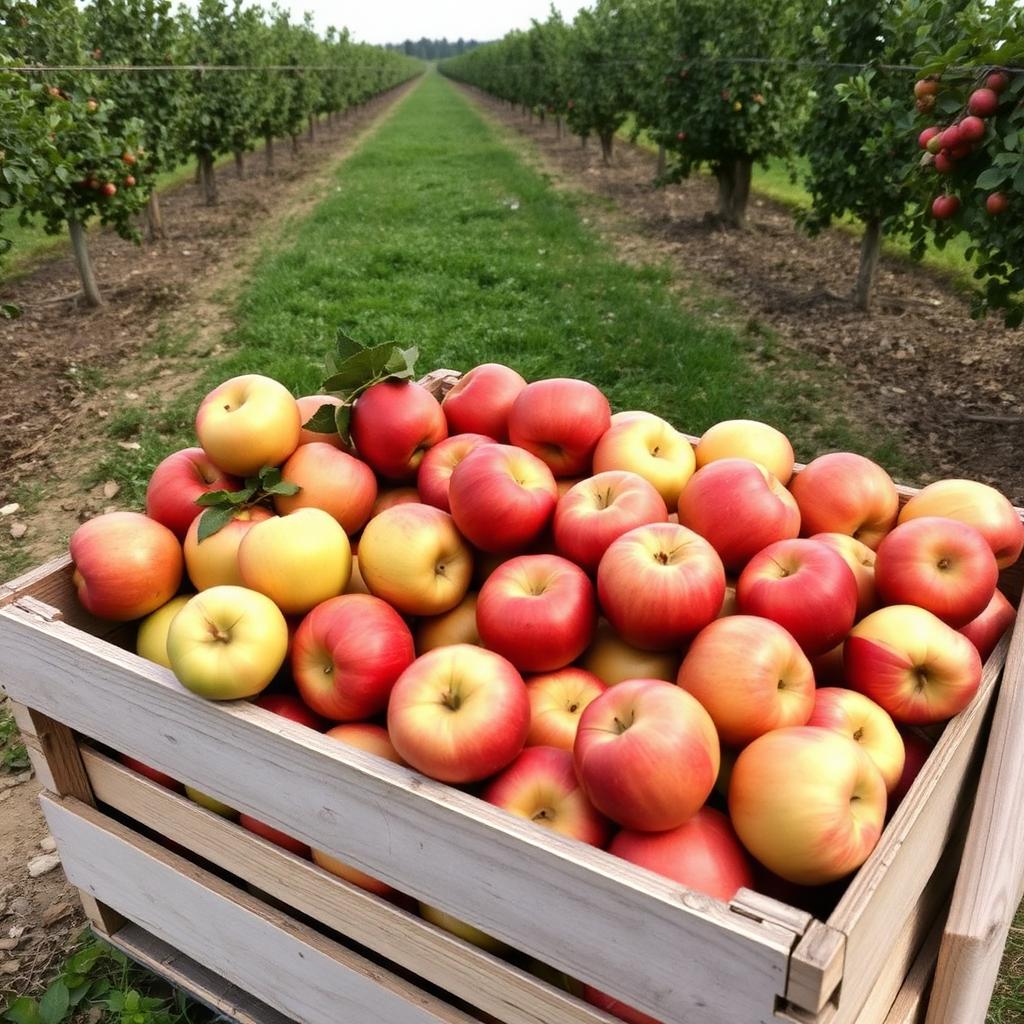
Freezing is arguably the fastest and most versatile preservation method for apples that will eventually end up in pies, crisps, cobblers, or morning oatmeal. Unlike canning, freezing requires no specialized boiling equipment, and it retains the bright, fresh-picked flavor of your orchard haul.
Preparing Slices for the Freezer
Peel, core, and slice your apples into uniform wedges. To prevent enzymatic browning, toss the freshly cut slices into a water bath treated with ascorbic acid powder or fresh lemon juice. A ratio of one tablespoon of lemon juice per quart of water provides adequate protection without altering the natural flavor of the fruit.
Dry Pack Versus Sugar Pack
For maximum utility, use the flash-freeze dry pack method. Drain your treated slices thoroughly and pat them dry with a clean kitchen towel. Spread the slices in a single layer on parchment-lined baking sheets, ensuring they do not touch, and place them in the freezer for two to three hours until rock solid. Transfer the frozen wedges into heavy-duty freezer bags, press out all excess air, and label with the date and variety. They will remain excellent for up to twelve months.
Preserving through Canning: Applesauce, Butter, and Slices
For shelf-stable storage that frees up freezer and refrigerator space, home water-bath canning is a time-tested tradition. Apples are naturally high in acid, making them very safe and straightforward for beginner and veteran home canners alike.
Applesauce and Apple Butter
Sauces and fruit butters are the perfect destination for bruised or oddly shaped orchard drops. Simmer peeled or unpeeled apple chunks with a splash of fresh cider or water until soft, then run them through a food mill to remove skins and seeds while creating a silky texture. Blend in cinnamon, nutmeg, and brown sugar to taste, then ladle the hot sauce into sterilized mason jars, leaving one-half inch of headspace. Process the jars in a boiling water-bath canner according to established cooperative extension guidelines for your altitude.
Hot Packed Slices in Light Syrup
If you enjoy pie fillings year-round, can apple slices in a very light sugar syrup or clear apple juice. Pre-cooking the apple slices in the simmering liquid for five minutes before packing them into jars prevents them from shrinking inside the jars during processing, which eliminates unsightly floating fruit and excessive air pockets.
Dehydrating Orchard Apples: Lightweight Pantry Snacks
Dehydrating concentrates the natural sweetness of apples into chewy rings or crispy chips that store compactly in your pantry. This method works beautifully with almost every apple variety, particularly balanced sweet-tart cultivars like Honeycrisp, Pink Lady, and Jonathan.
Core whole apples and slice them horizontally into uniform rounds about one-eighth of an inch thick for chips, or one-quarter inch thick for chewy rings. Soak the slices briefly in a lemon water bath to retain bright color, sprinkle with cinnamon if desired, and arrange them in single layers on dehydrator trays. Dry at 135 degrees Fahrenheit for six to ten hours, depending on ambient humidity and slice thickness. Once cool, store the dried fruit in airtight glass jars; properly conditioned dried apples will keep in a cool, dark cupboard for six to nine months.
Frequently Asked Questions
Should I wash apples before storing them in the refrigerator?
No, you should never wash apples before putting them into storage. Fresh-picked apples are coated with an invisible, natural waxy substance called the bloom, which seals in moisture and acts as a natural barrier against mold spores. Moisture from tap water will accelerate fungal growth and cause premature decay. Always wash apples immediately before you plan to eat or process them.
How long will fresh apples last at room temperature on a counter?
At standard room temperature of 68 to 72 degrees Fahrenheit, fresh orchard apples will stay crisp for only five to ten days. Apples ripen roughly four to ten times faster at room temperature than they do in cold storage near 33 degrees. If you have decorative bowls of apples out on display, replenish them frequently from a chilled stock kept in the refrigerator or basement.
Can I store apples and root vegetables in the same cellar?
It is best to separate apples from root vegetables like potatoes, carrots, and onions. Apples release significant amounts of ethylene gas as they slowly age, which causes potatoes to sprout eyes, turns carrots unpleasantly bitter, and encourages onions to soften. If you share a cellar space, keep apples and root crops on opposite sides of the room and ensure adequate ventilation.
What is the easiest way to prevent apple slices from browning?
The simplest and most reliable method is soaking freshly cut slices in a cold water bath containing ascorbic acid powder, citric acid, or fresh lemon juice. A standard mixture is one tablespoon of lemon juice per quart of cool water. Submerge the slices for three to five minutes, drain them thoroughly, and proceed with your drying, freezing, or baking plans.
Can I preserve apples without peeling them first?
You can certainly leave the peels on for applesauce, apple butter, and dehydrating. When making applesauce, cooking apples with their skins intact imparts a lovely rosy pink hue to the final sauce, especially when using red-skinned varieties like Cortland or Rome. A food mill will separate the softened skins effortlessly. However, for canned pie slices, peeling is recommended because skins can become unpleasantly tough and chewy during the canning process.
Tags
Explore more on Apple Picking Finder
Find orchards near you →
See the closest U-Pick apple farms with hours, pricing, and directions.
Apple varieties guide →
50+ varieties with taste notes, ripening windows, and best uses.
Ripening calendar →
When each variety is ready to pick, month by month, across the US.
Apple recipes →
60+ tested recipes for pies, crisps, cider, butter, and more.
Keep reading

Family Orchard Adventures: Essential Apple Picking Tips with Kids
Planning an orchard trip with children? Learn practical strategies for packing gear, teaching proper picking techniques, handling crowds, and keeping kids happy from arrival to checkout.

Best Apple Recipes and Desserts: From Orchard Haul to Table
Transform your fresh-picked autumn harvest into irresistible kitchen creations. Discover the best apple recipes and desserts, from classic double-crust pies to buttery skillet crisps.
Apple Varieties by Season: The Orchard Harvest Calendar
Plan your orchard trips around peak ripeness with our harvest calendar. Learn which apple varieties shine in early, mid, and late autumn for fresh eating, baking, and cider.