Family Orchard Adventures: Essential Apple Picking Tips with Kids
Planning an orchard trip with children? Learn practical strategies for packing gear, teaching proper picking techniques, handling crowds, and keeping kids happy from arrival to checkout.

An autumn trek into an apple orchard is one of the most beloved family traditions in the country, offering fresh air, sweet seasonal treats, and unforgettable memories. However, taking children into expansive farm rows without a solid game plan can quickly turn an idyllic morning into an exercise in frustration. With thoughtful preparation, smart timing, and realistic expectations, you can ensure your orchard adventure stays joyful for toddlers, teenagers, and parents alike.
Choosing the Right Orchard for Little Legs
Not all commercial fruit farms offer the same visitor experience, and choosing a site geared toward families makes an enormous difference. When researching destinations, look closely at tree architecture. Modern pick-your-own orchards frequently plant dwarf or semi-dwarf apple trees. These varieties are grafted onto special rootstocks that keep the canopies between six and ten feet tall. For families with young children, dwarf trees are a blessing because fruit clusters hang right at eye level, allowing preschoolers to reach and harvest their own apples without requiring risky parent lifts or step stools.
You should also evaluate farm amenities before packing the car. Check whether the orchard provides pull wagons for guest use or if you must bring your own cart. Look at restroom accommodations, specifically noting whether clean flush facilities or standard port-a-potties are located near the picking rows. A farm with dedicated picnic zones, wide grassy avenues between rows, and clear signage makes navigating with young children far more manageable.
Timing Your Visit to Avoid Farm Meltdowns
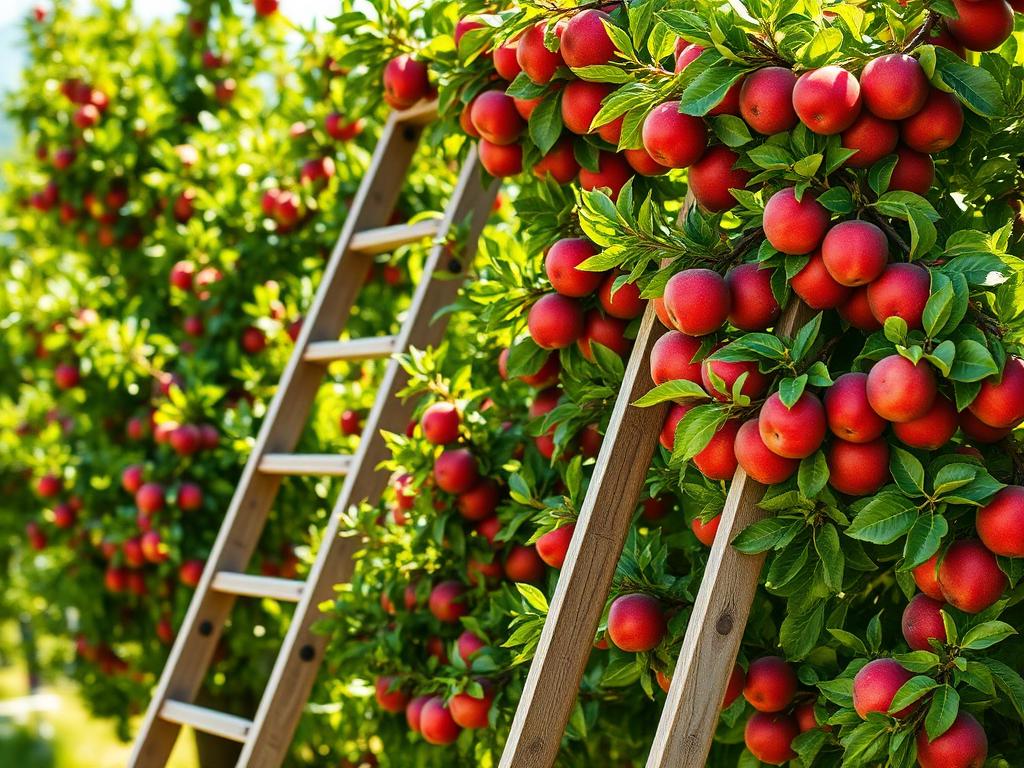
Peak apple harvest season brings massive crowds, especially on clear October weekends between eleven in the morning and two in the afternoon. For families with young children, this peak window is often a recipe for sensory overload, parking delays, and long lines at the checkout barn. To set your family up for success, aim to pull into the farm gates right when picking begins in the morning.
Arriving early delivers cooler morning temperatures, abundant parking close to the entrance, and pristine picking rows that have not yet been stripped of their lowest-hanging fruit. Furthermore, finishing your picking run before lunchtime aligns beautifully with afternoon nap schedules. If your calendar permits, consider visiting on a Friday morning or an autumn teacher workday. Weekday orchard visits offer quiet, open rows where children can explore at a leisurely pace without being jostled by crowds.
What to Pack for a Day in the Trees
A successful farm outing requires packing for outdoor elements that can change rapidly over the course of a morning. Temperatures often feel crisp when you step out of the car at nine, but walking up sunlit hillside rows will quickly warm everyone up. Dressing in breathable layers allows kids to shed fleece jackets as their activity levels rise.
Footwear deserves special attention. Orchard grass is often soaked with heavy dew in the morning, and high-traffic areas can become thick mud after a light rain. Leave white sneakers and thin sandals at home in favor of sturdy, water-resistant hiking shoes, work boots, or rubber rain boots. Pair these with tall socks to prevent irritated ankles from tall grass and briars.
Here is an essential packing checklist for families heading to the orchard:
- Wet wipes and gentle paper towels for sticky, apple-juice-covered hands and faces.
- A compact first-aid pouch with adhesive bandages, sting relief swabs, and insect repellent.
- Refillable water bottles, as walking hilly rows in autumn sunshine induces thirst quickly.
- A heavy-duty folding utility wagon with wide rubber wheels suitable for grass and dirt paths.
- A soft picnic blanket and high-protein snacks to stave off hunger before apple cider donuts are purchased.
- A change of socks and shoes stored safely in the car trunk for the ride home.
Teaching Kids the Twist and Lift Technique
One of the most rewarding parts of apple picking is teaching children where their food originates and how to harvest it gently. Young kids often instinctually grab an apple and yank it downward with all their strength. This brute force pulling frequently breaks the delicate fruiting spur off the branch, which prevents the tree from producing fruit in that exact spot next year. Harsh pulling also shakes the limb, causing half a dozen ripe neighboring apples to drop to the ground and bruise.
Before you enter the picking rows, show your children the proper harvest method. Teach them the simple rule known among growers as eye to the sky. Instruct the child to cup the base of the apple gently in the palm of their hand rather than digging their fingertips into the skin. Then, guide them to tilt the bottom of the apple upward toward the sky and give it a gentle, quarter-turn twist. When fruit is fully ripe, the stem naturally separates cleanly from the branch with almost zero resistance.
Orchard Wisdom: Remind children that once an apple is picked, it must go directly into the basket. Apples do not continue to ripen or sweeten after they are detached from the tree branch, so only harvest what looks completely ready to eat.
Setting Clear Expectations on Quantity and Budget
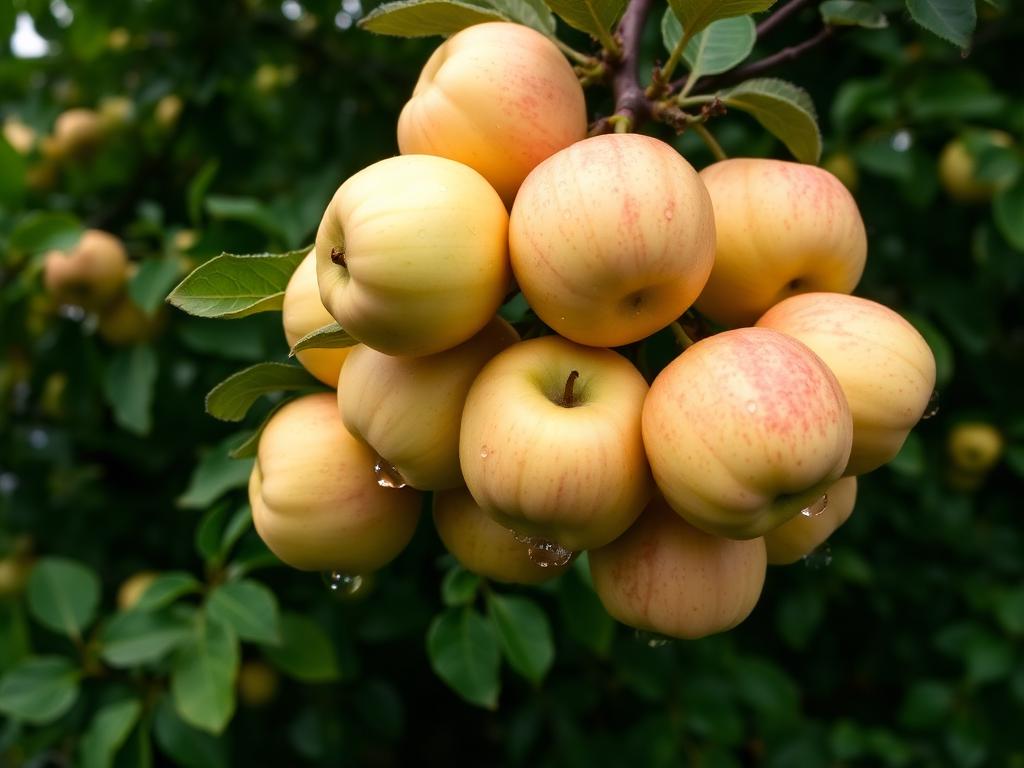
Children naturally treat pick-your-own orchards like a treasure hunt, and their enthusiasm can cause your bushel bag to fill up far faster than your wallet or pantry can handle. Most orchards sell fruit by the pound or require visitors to prepay for specific bag sizes, such as a peck (about ten to twelve pounds) or a half-bushel (about twenty to twenty-two pounds). Without clear boundaries, a family can easily harvest forty pounds of apples in less than twenty minutes.
Turn apple gathering into an interactive counting and decision-making game. Give each child a specific number of apples they are responsible for choosing. Encourage them to inspect their potential picks carefully, looking for firm skin, bright coloration, and an absence of soft spots or bird pecks. By slowing down the selection process, children learn appreciation for food quality while keeping your final tally manageable.
Navigating Bug Life, Fallen Fruit, and Mud
Working agricultural environments feature natural elements that can surprise city-dwelling children. In autumn, orchards contain millions of fallen, overripe apples that ferment naturally in the grass. This sweet aroma attracts yellowjackets, honeybees, and hornets who feed on the sugary juices. Explain to children beforehand that bees are helpful orchard workers pollinating flowers, but ground fruit should be avoided.
Establish a firm farm rule: never pick or kick apples resting on the dirt. Fallen fruit is often bruised, may harbor insects, and poses a food-safety concern. Stick to harvesting fruit still hanging securely on the branches. If a bee approaches your child, teach them not to swat frantically, as sudden aggressive movements trigger defensive stings. Instead, encourage them to slowly walk a few paces away into a clear row.
Farm Etiquette and Orchard Safety
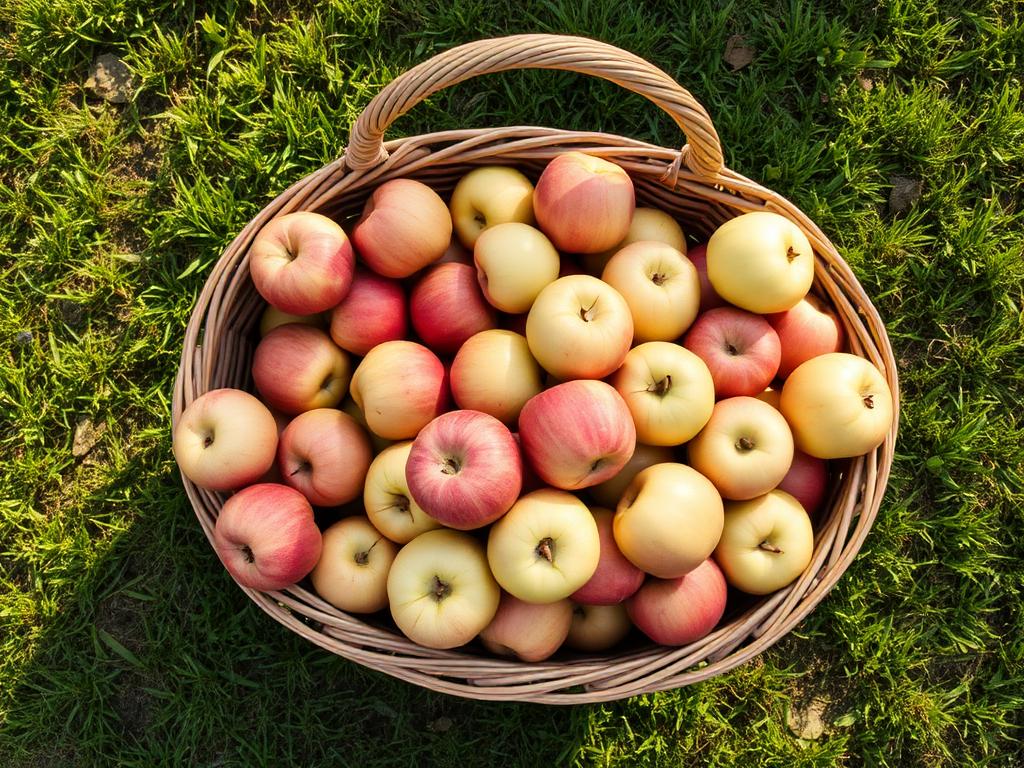
Orchards open their private land to the public each autumn, and respecting the trees ensures these farms remain viable for generations to come. Review basic safety guidelines before unbuckling car seats. Climbing trees is universally prohibited at pick-your-own farms because limbs can snap under child weight, injuring the child and permanently damaging valuable crop branches.
Similarly, running at top speed through the aisles should be discouraged. Tree roots often surface across paths, and gopher holes or uneven turf can cause twisted ankles. Remind children to stay in the specific rows designated by farm staff for that day. Farmers deliberately open rows based on variety ripeness, so entering closed rows results in picking sour, immature apples.
Wrapping Up the Visit and Heading Home
When your harvest bags are full, transition toward the farm stand at a calm pace. Checkout lines can grow long toward midday, so having a parent hold the line while another parent takes the children to wash hands or visit farm animals keeps restlessness at bay. Reward good orchard manners with a warm cider donut or a cup of fresh-pressed cider at the farm tables before loading up.
Before loading your bounty into the vehicle, keep in mind that fresh-picked apples bruise easily under road vibration. Secure your fruit bags on the floorboards of the back seat where they cannot roll around, rather than tossing them loosely into a cluttered trunk. Once home, unpack the apples promptly into shallow containers and store them in your refrigerator crisper drawer to maintain their crisp, farm-fresh snap for weeks to come.
Frequently Asked Questions
What should my child wear for an apple picking trip?
Dress children in comfortable, breathable layers that can be removed as the day warms up. Closed-toe shoes with strong traction, such as running shoes or hiking boots, are essential because orchards feature uneven dirt, wet grass, and occasional mud. Avoid open-toe sandals and fancy clothing that cannot tolerate dirt or fruit stains.
Can I bring a standard stroller into the apple orchard?
Standard umbrella strollers with small plastic wheels struggle immensely in orchard terrain. Uneven soil, thick sod, and rutted tractor tracks will cause narrow wheels to catch and stall. A sturdy all-terrain jogger with large air-filled tires or a rugged outdoor utility wagon is far superior for transporting toddlers and heavy bags of apples.
How do I stop my kids from picking too many apples?
Establish clear boundaries before entering the orchard rows by explaining the size of your bag and the budget. Involve kids in finding only top-quality apples by asking them to inspect fruit for bruises or blemishes before picking. Assigning each child a quota, such as finding their six favorite apples, keeps the harvest controlled and thoughtful.
Are bees a major danger when picking apples with kids?
Bees and yellowjackets are common in orchards during harvest time because they feed on dropped, fermenting apples. However, they rarely bother visitors who stay focused on picking fruit directly from tree branches. Teach children to avoid stepping on or handling apples on the ground, and instruct them to remain calm and walk away slowly if an insect approaches.
How can toddlers participate safely in apple picking?
Look for farms that plant dwarf fruit trees, where ripe apples hang within two to three feet of the ground. Let toddlers carry small, lightweight baskets with handles rather than large canvas sacks. Closely supervise their choices to ensure they do not sample unwashed fruit directly off the tree or pick dropped apples from the mud.
Tags
Explore more on Apple Picking Finder
Find orchards near you →
See the closest U-Pick apple farms with hours, pricing, and directions.
Apple varieties guide →
50+ varieties with taste notes, ripening windows, and best uses.
Ripening calendar →
When each variety is ready to pick, month by month, across the US.
Apple recipes →
60+ tested recipes for pies, crisps, cider, butter, and more.
Keep reading
Storing Fresh-Picked Apples: How to Keep Orchard Fruit Crisp
Brought home a bountiful orchard haul? Learn the best cellar tricks, cold storage methods, and simple preservation techniques to keep your apples crisp and flavorful all winter long.

Best Apple Recipes and Desserts: From Orchard Haul to Table
Transform your fresh-picked autumn harvest into irresistible kitchen creations. Discover the best apple recipes and desserts, from classic double-crust pies to buttery skillet crisps.
Apple Varieties by Season: The Orchard Harvest Calendar
Plan your orchard trips around peak ripeness with our harvest calendar. Learn which apple varieties shine in early, mid, and late autumn for fresh eating, baking, and cider.