Best Apple Recipes and Desserts: From Orchard Haul to Table
Transform your fresh-picked autumn harvest into irresistible kitchen creations. Discover the best apple recipes and desserts, from classic double-crust pies to buttery skillet crisps.

Returning from a sun-drenched orchard with overflowing baskets of crisp fruit is one of autumn's greatest rewards. The true magic begins when you bring that bounty home, wash off the orchard dust, and fill your kitchen with the warmth of cinnamon, nutmeg, and caramelized sugar. Whether you picked a half-peck on a whim or loaded several bushels into the trunk, this curated guide to the best apple recipes and desserts will help you celebrate every single fruit at peak flavor.
The Baker's Secret: Selecting the Right Apple Variety
Not every apple behaves the same way when subjected to high oven temperatures. Some varieties melt into a lush puree, while others retain their firm, toothsome bite through hours of slow braising. Understanding the balance between sweetness, acidity, and cellular density is the foundation of outstanding home baking.
Firm and Tart Champions
Granny Smith remains the gold standard for tart structure, but heritage varieties like Northern Spy, Rhode Island Greening, and Bramley deliver unmatched complexity. These apples possess high acidity and dense pectin chains, preventing them from turning to mush under a heavy blanket of butter and sugar. When sliced thinly, they keep their distinct layers inside a double-crust pie.
Sweet and Balanced Workhorses
Honeycrisp, Jonagold, Pink Lady, and Braeburn bridge the gap between bright acidity and honeyed sweetness. Mixing at least two distinct varieties inside any given baked treat produces a multifaceted flavor profile that single-apple desserts simply cannot match. Pairing a sharp, firm apple with an aromatic, slightly softer selection ensures every bite offers contrasting texture and nuanced sweetness.
The Master Pie: Perfecting the Classic Double-Crust Apple Pie
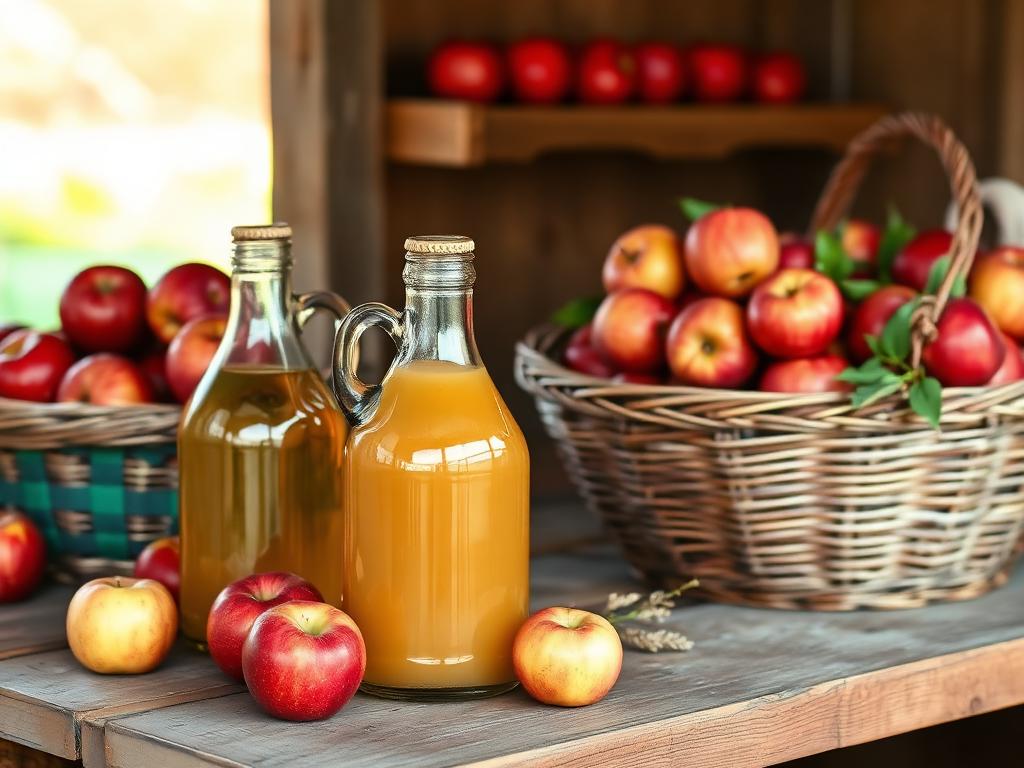
A towering apple pie remains the quintessential dessert of the American harvest season. While pre-made fillings rely heavily on cornstarch and artificial flavorings, a homemade pie allows the pure essence of orchard fruit to shine through alongside a buttery, flaky crust.
The secret to eliminating the dreaded hollow gap between the top crust and the cooked fruit lies in maceration. Toss your peeled, quarter-inch slices with granulated sugar, brown sugar, lemon juice, kosher salt, ground cinnamon, and a pinch of ground cardamom. Allow the fruit to rest in a colander set over a bowl for thirty minutes. The sugars draw out excess moisture, yielding a concentrated, fragrant liquid. Reduce this liquid on the stovetop with a tablespoon of unsalted butter until thick and syrupy, then pour it back over the drained fruit before piling it into the chilled dough.
Bake the pie at four hundred degrees Fahrenheit for the initial twenty minutes to set the pastry, then reduce the heat to three hundred and seventy-five degrees until the juices bubble vigorously through the decorative steam vents. Let the pie cool completely on a wire rack for at least four hours before slicing, allowing the natural starches to set cleanly.
Rustic Comfort: Golden Crisps, Crumbles, and Cobblers
When you crave the spiced warmth of pie without the precision work of rolling pastry dough, skillet crisps and crumbles offer immediate gratification. These rustic baked treats highlight the fruit directly, requiring little more than a cast-iron pan and a bowl of pantry staples.
For a memorable apple crisp, balance is paramount. Cut your apples into generous half-inch wedges so they retain their texture during baking. The topping should feature equal measures of rolled oats, unbleached flour, dark brown sugar, and chilled unsalted butter cut into pea-sized bits. Adding chopped toasted pecans or walnuts introduces a nutty crunch that pairs naturally with the tender baked fruit beneath.
A fruit cobbler, by contrast, relies on a dropped biscuit topping. As the spiced fruit bubbles underneath, the sweet biscuit dough absorbs the rising steam, creating a tender, pillowy bottom with a golden, crackled crust on top. Serve either dessert warm from the oven with a generous scoop of vanilla bean ice cream or a pour of heavy cream.
French Patisserie at Home: The Upside-Down Tarte Tatin
Created by accident at the Hotel Tatin in nineteenth-century France, the tarte tatin proves that simplicity often yields the most extraordinary culinary results. This upside-down dessert relies on caramelizing large apple lobes in butter and sugar on the stovetop before sealing them beneath a round of puff pastry and finishing the dish in the oven.
Because the apples simmer directly in hot caramel for an extended period, choosing dense varieties like Gala, Braeburn, or Golden Delicious is essential. Peel, core, and halve the apples, letting them air-dry slightly on kitchen towels for an hour. Pack the rounded apple halves vertically into a heavy stainless-steel or copper skillet coated in melted butter and sugar. As the caramel bubbles and turns a rich amber color, the fruit shrinks and settles into a tight concentric pattern.
Cover the caramelized apples with chilled puff pastry, tucking the edges neatly down the inside rim of the skillet. Bake until the pastry turns deep golden brown and crisp. Inverting the hot pan onto a serving platter requires confidence and steady hands, but the reward is a glossy, mahogany crown of meltingly tender fruit that looks worthy of a Parisian bakery window.
Savory Orchard Dinners: Apples Beyond the Dessert Plate
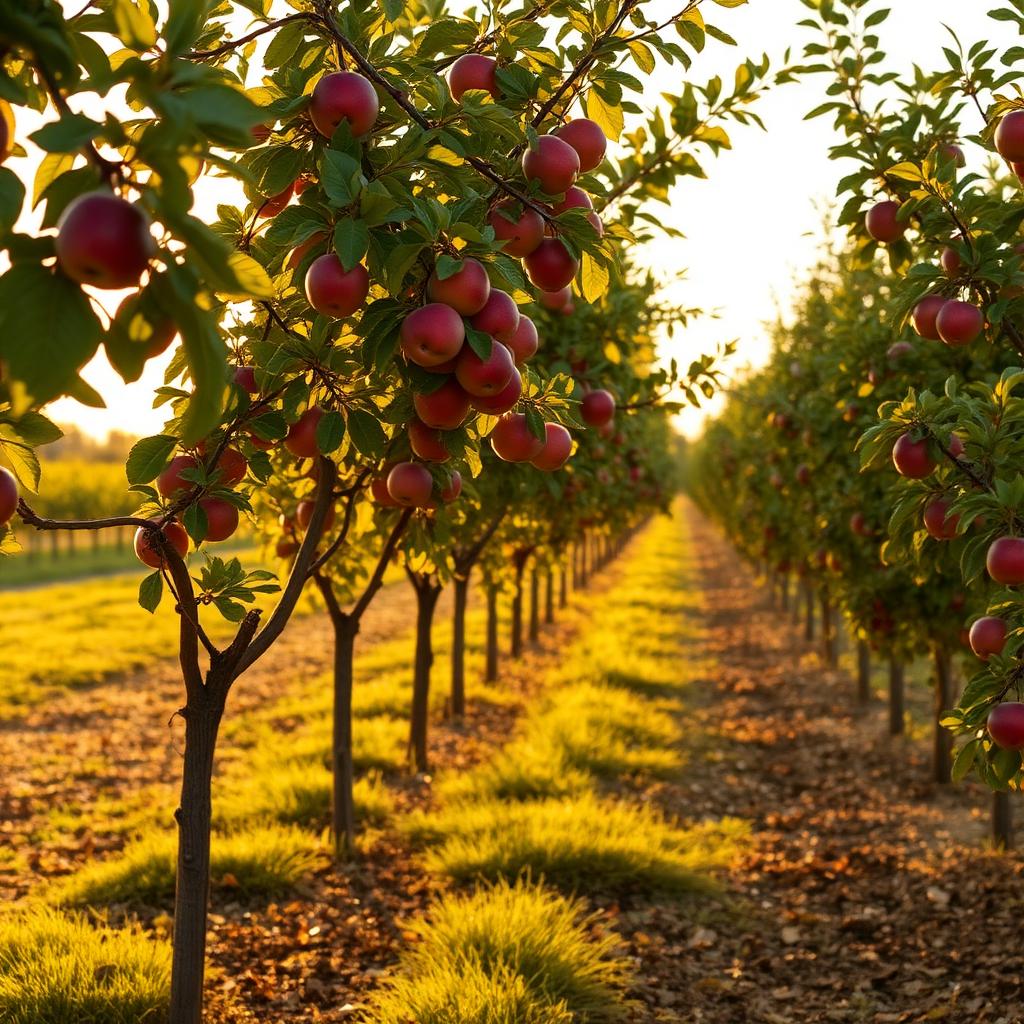
While sugary confections claim most of the spotlight, apples play an equally versatile role in savory autumn cooking. The natural acidity and sweetness of harvest fruit cut through rich meats, melted cheeses, and earthy grains with exceptional grace.
- Pork Chops with Caramelized Slices: Pan-sear bone-in pork chops in a cast-iron skillet, remove them to rest, and saute sliced Jonagolds in the remaining drippings alongside minced shallots, fresh thyme, and a splash of hard cider.
- Roasted Squash and Apple Soup: Roast butternut squash halves alongside peeled Honeycrisp wedges, puree the mixture with hot vegetable stock and a touch of heavy cream, and garnish with toasted pumpkin seeds.
- Cheddar and Tart Apple Grilled Cheese: Layer sharp aged cheddar cheese with paper-thin slices of Granny Smith and whole-grain mustard between slices of sourdough bread for a balanced lunch.
- Autumn Farro Salad: Combine cooked farro, diced raw Fuji apples, baby arugula, crumbled goat cheese, and toasted walnuts, tossed in a bright apple cider vinaigrette.
Preserving the Harvest: Slow-Cooker Apple Butter
When you find yourself with an abundance of bruised or smaller windfalls that are unsuitable for uniform pie slices, homemade apple butter is the ideal solution. Unlike standard applesauce, apple butter undergoes a long, slow reduction that caramelizes the sugars, producing a rich, spreadable paste with a deep mahogany hue.
Place four pounds of cored and chopped apples into a slow cooker along with dark brown sugar, apple cider, ground cinnamon, allspice, and a splash of vanilla extract. Cook on low for ten hours until the fruit breaks down completely. Puree the mixture smooth with an immersion blender, then prop the slow cooker lid open slightly with a wooden spoon and cook on low for another two hours until the butter thickens to a glossy spread. Stored in clean glass jars, it keeps in the refrigerator for weeks or freezes beautifully for mid-winter breakfasts.
Pro Baker Tip: Never discard your apple peels and cores during a large baking session. Simmer them on the stovetop with water, a cinnamon stick, and a strip of orange peel for forty minutes to create a fragrant, homemade orchard cider concentrate.
Essential Kitchen Tips for Flawless Apple Baking
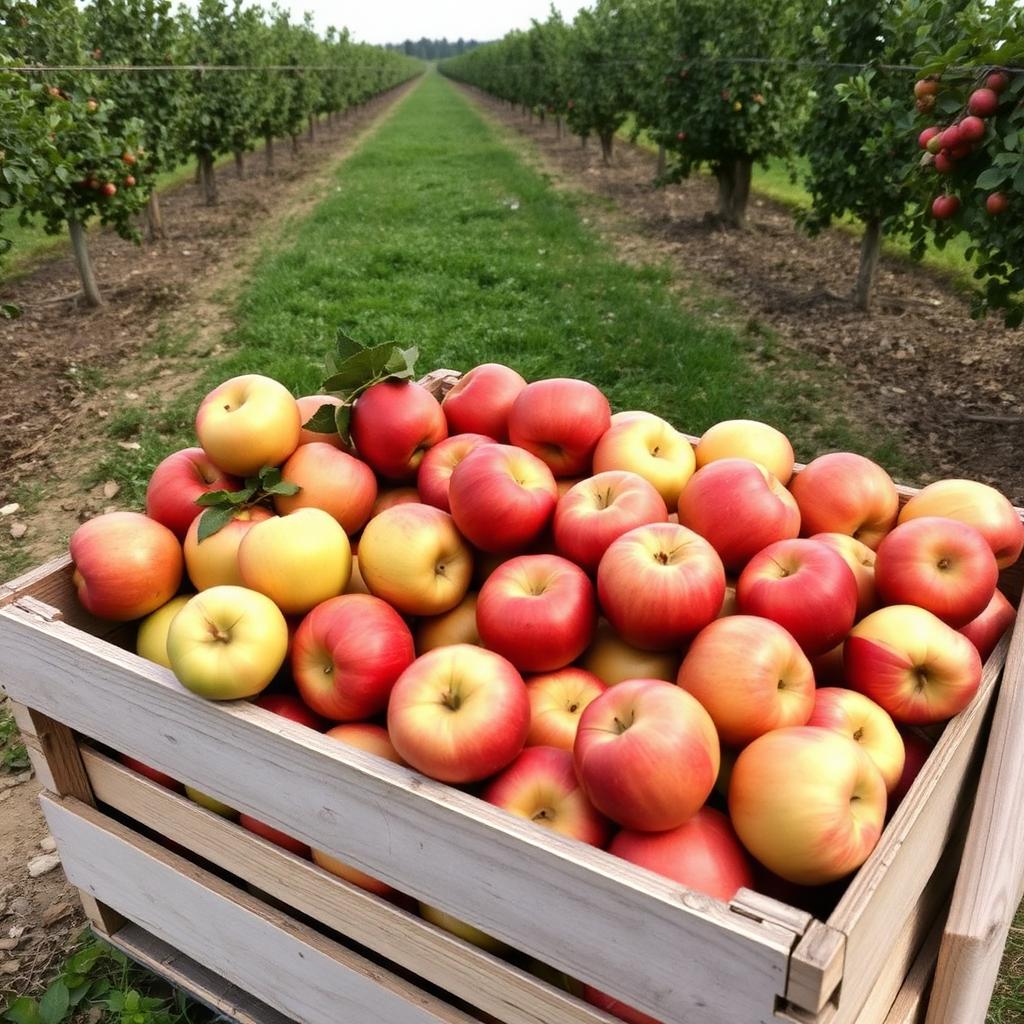
Achieving consistently spectacular results with fresh fruit requires attention to moisture management and spice calibration. Keep these field-tested guidelines in mind whenever you fire up the oven:
- Calibrate your spices: High-quality Vietnamese cinnamon, freshly grated whole nutmeg, and ground ginger complement apples without overwhelming their natural perfume. Avoid heavy-handed spice blends that mask the fruit.
- Mind the slice thickness: Uniform slices ensure even baking. Aim for a quarter-inch thickness for double-crust pies and half-inch wedges for crisps and crumbles.
- Thicken with precision: Tapioca flour, arrowroot, and cornstarch all work well as thickeners. Cornstarch yields a clear, glossy gel, while flour creates an opaque, homestyle sauce.
- Incorporate fresh acid: Even when using tart apples, a tablespoon of fresh lemon juice brightens the overall flavor and preserves the natural color of sliced fruit.
Frequently Asked Questions
What are the absolute best apple varieties for baking pies?
The finest apple pies feature a blend of firm-tart and sweet-crisp varieties. Granny Smith, Northern Spy, Jonagold, Honeycrisp, and Braeburn are premier choices because they maintain their physical shape during baking and deliver a rich, balanced flavor without becoming watery.
Why did my apple pie filling turn out runny?
Runny pie filling typically results from using overly juicy, soft apples, undercooking the pie, or cutting into the pastry before it cools. Allowing the pie to rest for at least four hours lets the starches gelatinize and set properly. Macerating the fruit beforehand also removes excess liquid effectively.
Can I freeze fresh apples to bake with later in the winter?
Yes, fresh apples freeze exceptionally well for cooked applications. Peel, core, and slice the fruit, then toss the slices with a teaspoon of lemon juice to prevent browning. Flash-freeze the slices on a baking sheet before transferring them to airtight freezer bags. You can add frozen slices directly to crisps and pies without thawing.
Should I peel apples before making a crisp or crumble?
Peeling is recommended for the most tender, uniform texture. While leaving skins on saves preparation time, the peels can separate from the flesh during baking, resulting in tough, papery shreds throughout the filling. Peeling ensures every spoonful remains melt-in-your-mouth smooth.
How long do fresh-picked orchard apples last on the counter versus the fridge?
Fresh-picked apples kept at room temperature remain at peak quality for about one to two weeks. Stored in the crisper drawer of your refrigerator at thirty-four to thirty-eight degrees Fahrenheit, high-density baking varieties can retain their firmness and flavor for up to two months.
Tags
Explore more on Apple Picking Finder
Find orchards near you →
See the closest U-Pick apple farms with hours, pricing, and directions.
Apple varieties guide →
50+ varieties with taste notes, ripening windows, and best uses.
Ripening calendar →
When each variety is ready to pick, month by month, across the US.
Apple recipes →
60+ tested recipes for pies, crisps, cider, butter, and more.
Keep reading

Family Orchard Adventures: Essential Apple Picking Tips with Kids
Planning an orchard trip with children? Learn practical strategies for packing gear, teaching proper picking techniques, handling crowds, and keeping kids happy from arrival to checkout.
Storing Fresh-Picked Apples: How to Keep Orchard Fruit Crisp
Brought home a bountiful orchard haul? Learn the best cellar tricks, cold storage methods, and simple preservation techniques to keep your apples crisp and flavorful all winter long.
Apple Varieties by Season: The Orchard Harvest Calendar
Plan your orchard trips around peak ripeness with our harvest calendar. Learn which apple varieties shine in early, mid, and late autumn for fresh eating, baking, and cider.