Apple Varieties by Season: The Orchard Harvest Calendar
Plan your orchard trips around peak ripeness with our harvest calendar. Learn which apple varieties shine in early, mid, and late autumn for fresh eating, baking, and cider.

Stepping into an orchard at the right moment transforms a simple autumn outing into an exceptional sensory experience. Because different cultivars ripen on their own distinct schedules, timing your visit according to seasonal harvest windows ensures you leave with fruit at the pinnacle of flavor and texture. This comprehensive guide walks you through the orchard calendar from the earliest warm August pickings to the crisp November finales.
Understanding the Rhythm of the Orchard Harvest
Many first-time visitors assume that all apples mature simultaneously once the calendar turns to September. In reality, the domestic apple harvest spans anywhere from twelve to sixteen weeks depending on your geographic region and local weather patterns. Orchards cultivate a diverse mosaic of rootstocks and cultivars specifically to extend the harvest season, manage farm labor, and give guests a constantly shifting roster of flavors.
Ripening order is governed primarily by genetics, although microclimates, tree canopy density, and summer heat units play subtle roles. Growers track fruit maturation by measuring starch conversion into sugar, fruit firmness, and internal seed coloration. For the backyard enthusiast or visiting picker, recognizing where a specific weekend falls within the wider harvest calendar is the secret to selecting trees laden with fruit that is ready to release gracefully from the spur.
Late Summer Harvests: The Early-Season Standouts
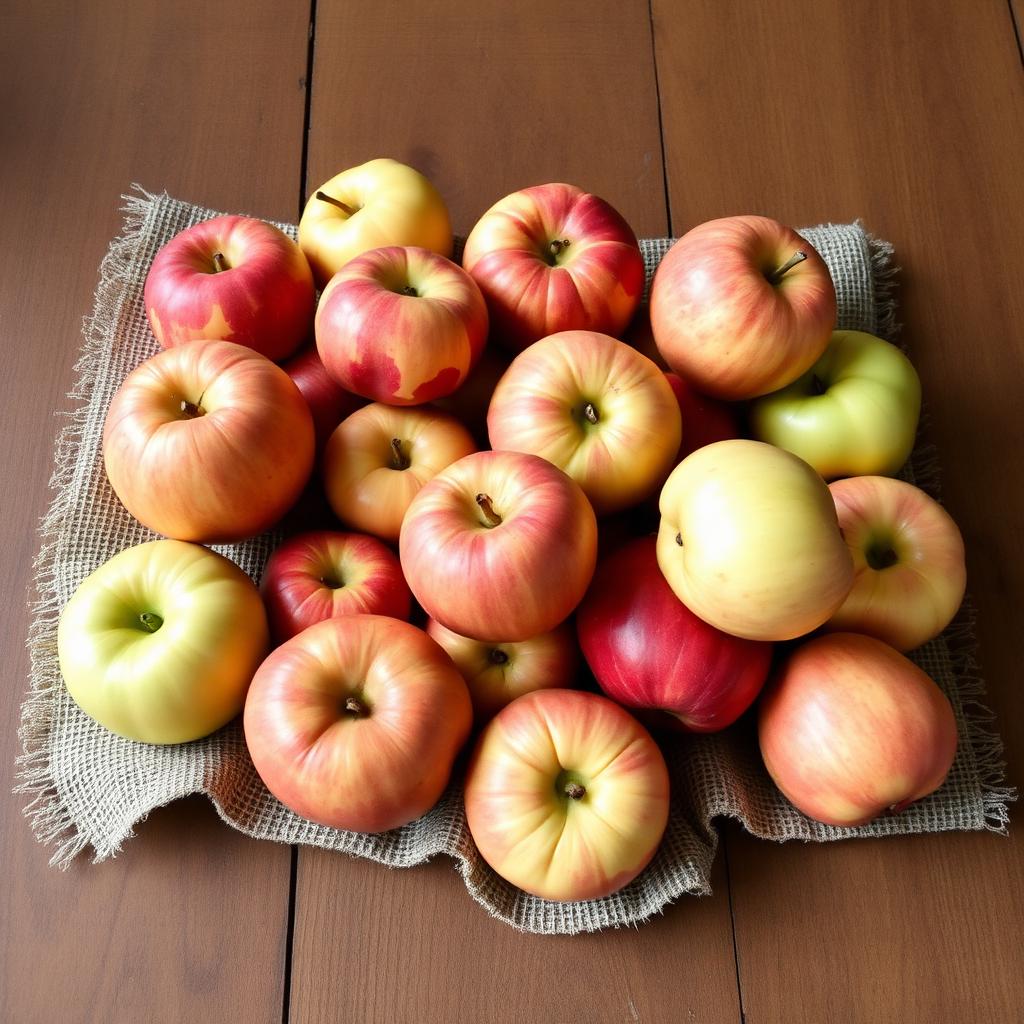
The harvest season opens while warm summer afternoons still linger, typically between mid-August and early September across northern and mid-latitude growing regions. Early-season varieties are characterized by their refreshing juiciness, lively acidity, and tender cell walls. Because these cultivars mature under intense summer sun, their shelf life is generally shorter than later crops, making them ideal for immediate snacking and fresh applesauce.
Zestar!
Developed in Minnesota, Zestar! revolutionized the early apple category. Unlike older early varieties that often tasted mealy or excessively sharp, this cultivar boasts a crisp, brown-sugar tang and an energetic snap. It ripens in late August and delivers an unexpectedly long storage window for such an early crop.
Ginger Gold
Discovered as a chance seedling in a Virginia orchard after hurricane flooding, Ginger Gold is among the finest early yellow apples. Ripening in late August, it yields a gentle sweet-tart flavor with notes of spice. It holds its structural shape moderately well in early seasonal baking and resists browning when sliced for fresh salads.
Paula Red
Appearing on farm stands before Labor Day, Paula Red offers a classic dusty-red blush over yellow skin. Its flesh is soft, yielding, and pleasantly tart. It cooks down into an aromatic, naturally rosy sauce with very little added sugar required.
The Golden Peak: Mid-Season Apple Champions
From mid-September through early October, the orchard enters its busiest and most celebrated phase. The trees are heavy with colorful fruit, nights turn brisk, and orchards feature cultivars that provide the classic balance of toothsome crunch, aromatic complexity, and culinary versatility. This is prime time for stocking your cellar or pantry.
Honeycrisp
Perhaps the most famous modern cultivar, Honeycrisp reaches prime picking territory in mid-September. The hallmark of this variety is its large, fracture-prone cells that burst with sweet juice upon biting. While notoriously delicate to grow, it remains the gold standard for fresh eating and retains its lively texture under cold storage for months.
McIntosh
An enduring heirloom favorite throughout New England and the Great Lakes, McIntosh dominates late September orchards. Its vinous, perfume-like aroma and tender green-and-white flesh define old-fashioned fall flavor. McIntosh softens quickly when heated, making it the undisputed backbone of traditional rustic applesauce and blended ciders.
Cortland
A direct descendant of McIntosh, Cortland ripens shortly after its parent in late September. It offers larger fruit with snow-white flesh that is exceptionally slow to oxidize upon exposure to air. This trait makes it the premier choice for harvest party platters, cider pressing, and layered sheet pies.
Gala
With its warm orange-red striping and mellow, floral sweetness, Gala is a reliable crowd-pleaser that matures across September. Its low acidity appeals strongly to children, and its firm texture stands up reliably in school lunches and fresh culinary spreads.
Autumn's Grand Finale: Late-Season Cold-Weather Standouts
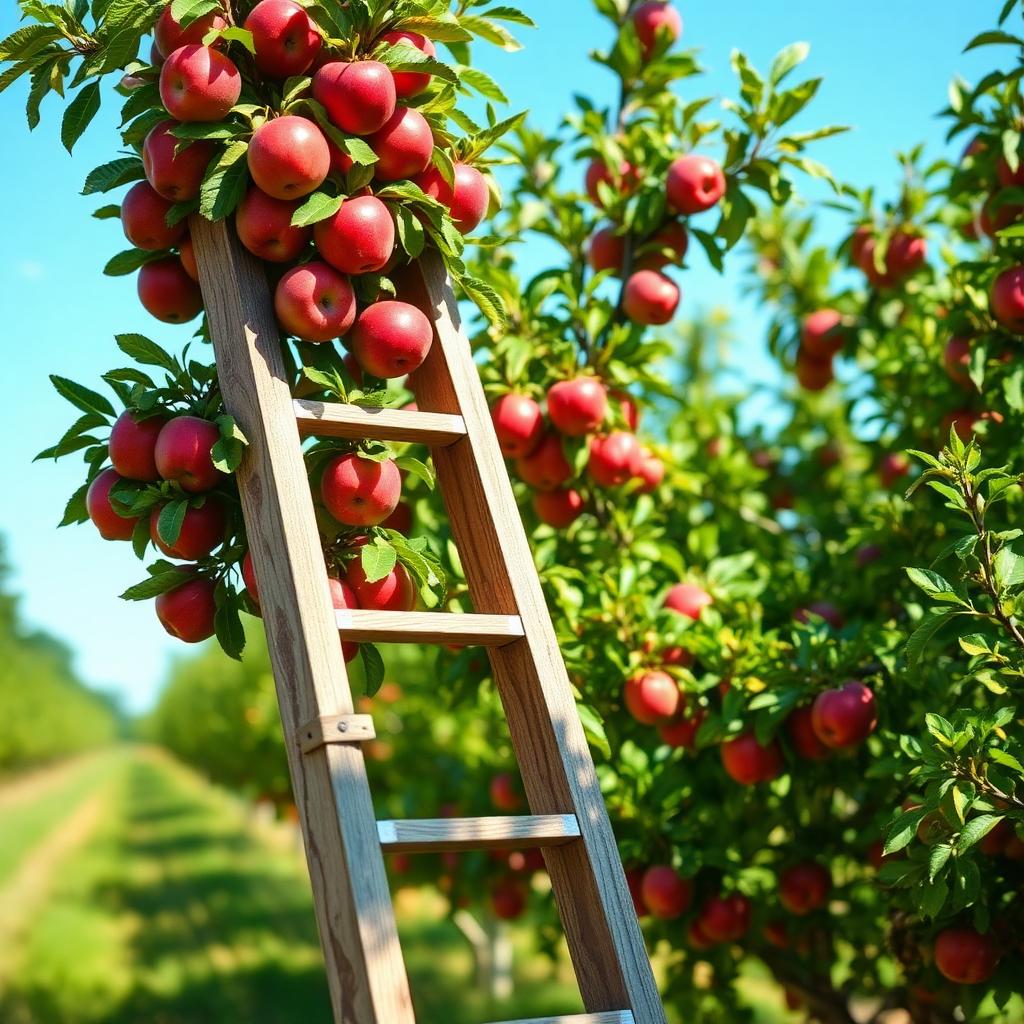
As deciduous foliage peaks and frost begins to nip the grass, the late-season cultivars come into their glory. Ripening from mid-October into November, these apples possess thick protective skins, dense cellular structures, and high natural sugar-acid ratios. Cool autumn nights concentrate their aromatic compounds, turning these heavy hangers into the longest-keeping and most dependable winter baking apples.
Fuji
Originally bred in Japan, Fuji demands a long, warm growing season and ripens in late October. It is intensely sweet, exceptionally firm, and packed with moisture. Fuji can easily keep in a home refrigerator well into the spring without losing its signature crunch.
Braeburn
Braeburn showcases an earthy, spicy depth that true apple connoisseurs prize. Ripening in late October, its firm, dense flesh resists bruising and handles intense oven heat without collapsing into mush. It balances bold sugar levels with assertive citrus-like acidity.
Pink Lady (Cripps Pink)
Among the very last cultivars removed from the branches before winter sets in, Pink Lady requires up to two hundred days to reach full maturity. Its distinctive hot-pink blush conceals an effervescent, Champagne-like tartness backed by high sugar. It is equally sensational as an energetic hand apple or a structural baking ingredient.
Granny Smith
While often associated with commercial imports, domestically grown Granny Smith apples picked late in the season develop a rich, complex acidity far superior to green supermarket imports. Their tough skin and high pectin content make them an indispensable element for pie fillings that require clean, defined slices.
Culinary Matching: Pairing Harvests with Kitchen Projects
Every apple variety brings a distinctive ratio of moisture, pectin, acid, and sugar to the kitchen table. Successful orchard cooking relies on pairing your culinary goals with the anatomical traits of your seasonal haul:
- Deep-Dish Pies and Crisps: Combine firm, high-acid varieties like Northern Spy, Granny Smith, or Braeburn with aromatic, softer varieties like Cortland or Jonathan to achieve both saucy richness and defined fruit layers.
- Smooth Artisanal Applesauce: Lean into early and mid-season varieties such as Paula Red, McIntosh, and Macoun, which collapse smoothly under gentle heat without requiring food mills.
- Savory Roasts and Cheese Boards: Crisp, effervescent fruit like Honeycrisp, Pink Lady, or Stayman Winesap cuts cleanly through fatty meats, sharp cheddars, and rich washed-rind cheeses.
- Homemade Pressed Cider: Combine one part acid-forward fruit, two parts aromatic sweet varieties, and one part tannic russet or crabapple for balanced, multi-dimensional juice.
Fieldwork Insights: Recognizing Ripe Apples on the Tree
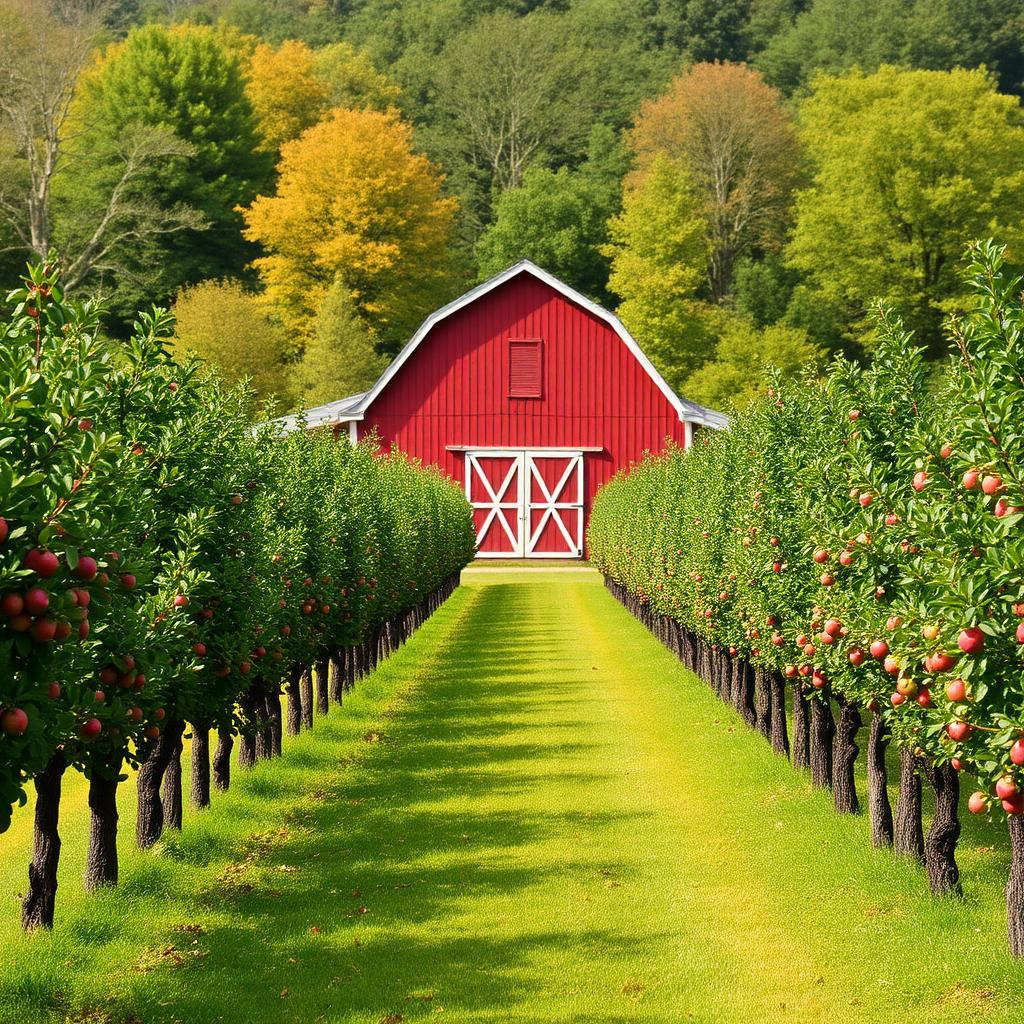
Color alone can occasionally deceive pickers, as red hues are often influenced by direct sunlight exposure rather than internal maturity. Evaluating an apple requires inspecting several distinct physiological markers before tugging on the branch.
Orchardists recommend rolling the fruit upward toward the branch stem rather than pulling straight down; a genuinely ripe apple will detach cleanly from the spur with a gentle twist.
Examine the background color on the shaded side of the fruit. In unripe apples, this under-hue looks pale green and chalky. As the fruit finishes sweetening, that green transitions toward warm yellow or creamy white. Furthermore, mature fruit feels heavy in the palm, smells faintly floral at the stem cavity, and reveals dark brown seeds when sliced across the core.
Frequently Asked Questions
Can I pick early-season apples for long-term winter storage?
Early-season cultivars like Paula Red, Zestar!, and Ginger Gold have thinner skins and elevated respiration rates, meaning they soften relatively quickly. For long-term winter storage lasting several months, focus your picking trips on dense late-season varieties like Fuji, Pink Lady, and Winesap.
Why do apples picked after light frost taste sweeter?
Chilly autumn nights prompt the tree to convert internal starch reserves into soluble sugars more rapidly. This natural physiological process acts as an antifreeze mechanism for the fruit cells, resulting in a notably sweeter and more intense flavor profile.
What is the best single month for variety choice at pick-your-own farms?
Late September through early October universally offers the widest crossover of available cultivars. During this window, mid-season favorites are at their peak while early-season holdovers and early batches of late-season fruit share space on farm picking maps.
How does summer drought affect the seasonal harvest schedule?
Prolonged heat and moisture deficits can accelerate the harvest schedule, causing some varieties to ripen one or two weeks ahead of normal averages. Severe drought may also reduce overall fruit diameter while simultaneously concentrating sugar levels within the flesh.
Should I wash my picked apples immediately when I get home?
Avoid washing your fruit until right before you plan to eat or cook it. Wetting the skin removes the apple's natural protective waxy coating, known as bloom, which guards against mold spores and slows down moisture loss during storage.
Tags
Explore more on Apple Picking Finder
Find orchards near you →
See the closest U-Pick apple farms with hours, pricing, and directions.
Apple varieties guide →
50+ varieties with taste notes, ripening windows, and best uses.
Ripening calendar →
When each variety is ready to pick, month by month, across the US.
Apple recipes →
60+ tested recipes for pies, crisps, cider, butter, and more.
Keep reading
Family Orchard Adventures: Essential Apple Picking Tips with Kids
Planning an orchard trip with children? Learn practical strategies for packing gear, teaching proper picking techniques, handling crowds, and keeping kids happy from arrival to checkout.
Storing Fresh-Picked Apples: How to Keep Orchard Fruit Crisp
Brought home a bountiful orchard haul? Learn the best cellar tricks, cold storage methods, and simple preservation techniques to keep your apples crisp and flavorful all winter long.

Best Apple Recipes and Desserts: From Orchard Haul to Table
Transform your fresh-picked autumn harvest into irresistible kitchen creations. Discover the best apple recipes and desserts, from classic double-crust pies to buttery skillet crisps.