Apple Varieties by Month: What to Pick from August to November
Plan your orchard visits with our month-by-month guide to picking fresh apples. Discover peak harvest windows, flavor profiles, and culinary uses from late summer through late fall.
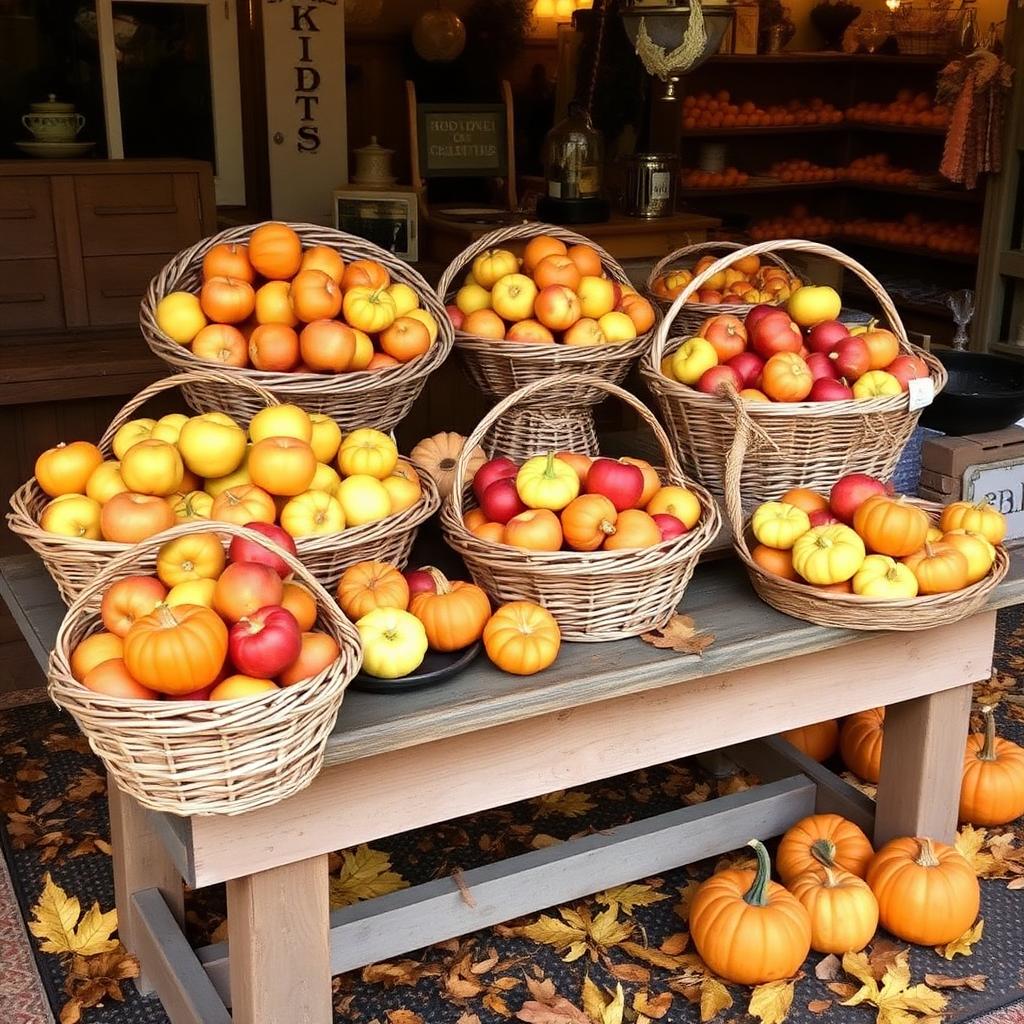
Timing is everything when planning a visit to your local pick-your-own orchard. While grocery stores carry uniform selections year-round, genuine orchard trees offer a rolling calendar of distinct flavors, textures, and aromas that shift as the weather cools. Understanding which apples ripen in August compared to November ensures your baskets are filled with fruit at absolute peak flavor.
The Rhythm of the Harvest: Understanding Apple Ripening Cycles
Every apple variety has a biological clock determined by chill hours, bloom timing, and autumn sunlight. In most American growing regions, from the Hudson Valley to the Pacific Northwest, the picking season spans roughly fourteen to sixteen weeks. The fruit hanging from the boughs in late August tastes drastically different from the dense, winter-ready cultivars plucked after the first hard freeze.
Early cultivars develop quickly under the summer sun, trading long shelf life for immediate, refreshing juiciness. Mid-season apples balance sugars and acids as daytime temperatures drop and nights turn brisk. Finally, late-season heirlooms and modern winter keepers build concentrated sugars and thick skins that allow them to endure in cool cellars for months. By aligning your orchard trip with these ripening stages, you can tailor your harvest specifically for fresh snacking, rustic baking, or handcrafted cider.
Late Summer Arrivals: Best Apples to Pick in August
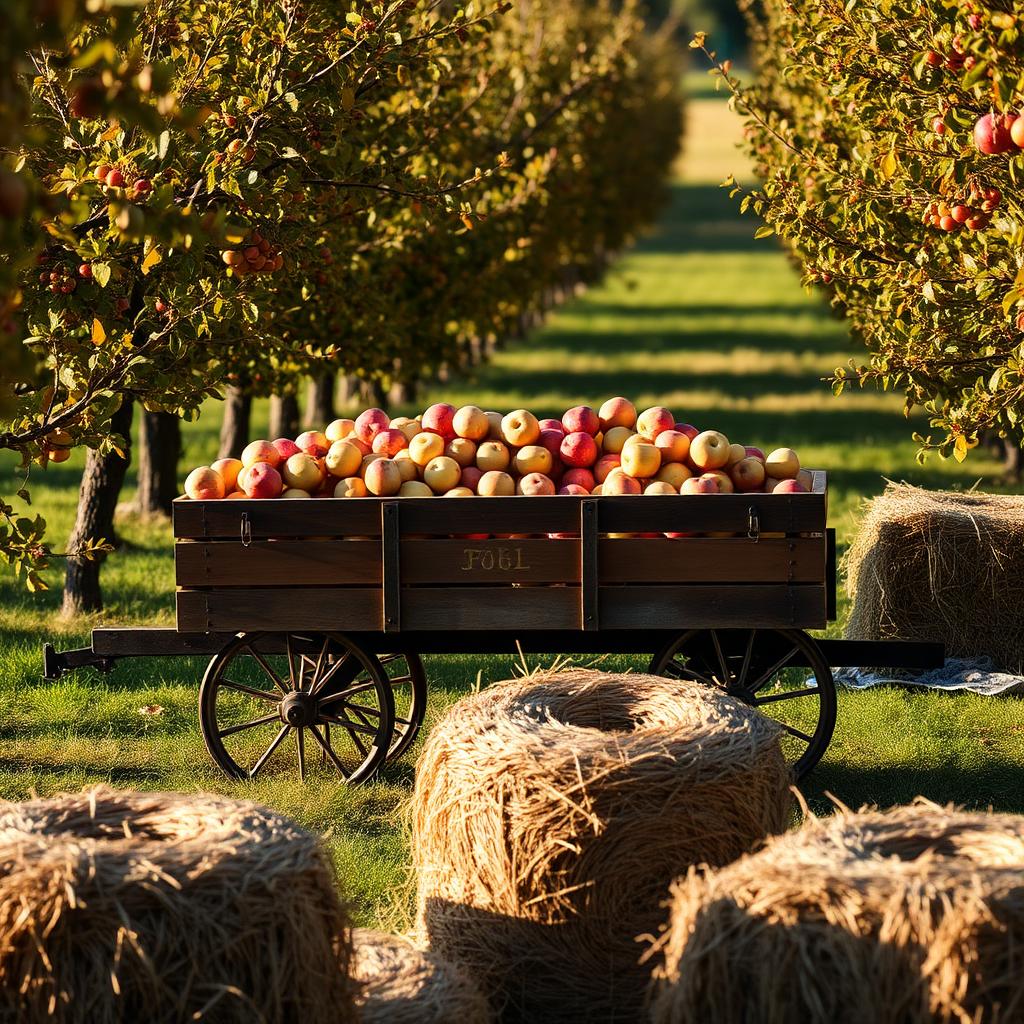
August apple picking surprises many newcomers who associate the harvest exclusively with sweater weather. These early varieties kick off the season with bright, lively acidity and tender flesh that provides quick refreshment during warm late-summer afternoons.
Gala
Originally bred in New Zealand, Gala has become a beloved staple across American orchards. Ripening in mid to late August, this yellow-and-red striped beauty offers a mild, vanilla-like sweetness with very low acidity. The skin is thin, and the flesh is finely textured, making it an immediate hit for children and anyone who prefers sweet fruit straight from the tree.
Paula Red
Discovered as a chance seedling in Michigan, Paula Red offers a delightful contrast to Gala. It features dusty red skin accented with yellow flecks, delivering a brisk, tart flavor reminiscent of early autumn. Paula Red is tender and breaks down quickly under heat, making it one of the earliest choices of the year for pink-hued, stovetop applesauce.
Zestar!
Developed by the University of Minnesota specifically for northern climates, Zestar! defies the old rule that early apples lack crispness. Ready in late August, this variety boasts an astonishingly loud crunch paired with a balanced, zesty brown-sugar finish. Unlike many early cultivars that turn mealy within days, Zestar! holds its structural integrity in refrigeration for several weeks.
Early Autumn Treasures: September Orchard Favorites
September represents the golden hour of the apple-picking season. Farm parking lots fill up, roadside stands press their first batches of sweet cider, and the trees yield some of the most celebrated cultivars in American agriculture.
Honeycrisp
Few apples have captured the public imagination quite like Honeycrisp. Ripening from early to mid-September in most regions, this cultivar features exceptionally large cells that rupture when bitten, releasing a burst of balanced, effervescent juice. Honeycrisp requires careful, gentle picking because its delicate skin bruises easily, but the reward is unmatched raw eating quality.
McIntosh
A classic heirloom of northern orchards, the McIntosh remains an enduring September favorite. Known for its vivid crimson-and-green blush and intense, vinous aroma, the Mac delivers a bright, tangy punch. While some modern eaters favor dense crunch, traditionalists revere McIntosh for its soft, tender bite and unmatched performance in classic, aromatic apple butter.
Cortland
A proud descendant of McIntosh, Cortland ripens in mid-to-late September and improves on its parent in several key ways. Its flesh is exceptionally white and resists browning after being sliced, making it the premier choice for fresh salads and party platters. Cortland is also slightly firmer than McIntosh, holding up decently in cobblers and quick breads.
Mid-Autumn Heavyweights: Top October Cultivars
When the morning frost begins to trace the orchard grass in October, apple sugars concentrate dramatically. October varieties are renowned for their versatility, serving as dual-purpose fruits that excel equally on the counter or in the oven.
Jonagold
A cross between the tart Jonathan and the sweet Golden Delicious, Jonagold captures the finest qualities of both ancestors. Ready in early October, this large, yellow-gold apple with a red blush offers a sophisticated, honeyed tang. Its dense flesh holds up exceptionally well under heat, making it a favorite among home bakers for deep-dish pies.
Empire
Bred by crossing McIntosh with Red Delicious, Empire yields a gorgeous, dark purple-red fruit that ripens in early to mid-October. It features very firm, snow-white flesh with a brisk, sweet-tart balance. Commercial cider makers and orchard visitors alike prize Empire for its reliable crunch and rich juice yield.
Golden Delicious
Do not confuse an orchard-grown Golden Delicious with the pale, bruised spheres found in winter supermarket bins. When picked directly from a sun-drenched limb in mid-October, Golden Delicious develops a warm amber blush and a rich, buttery sweetness. Because it softens gently while retaining its overall shape, it forms the traditional backbone of American holiday pies.
Frost-Kissed Gems: Robust Late-Season November Apples
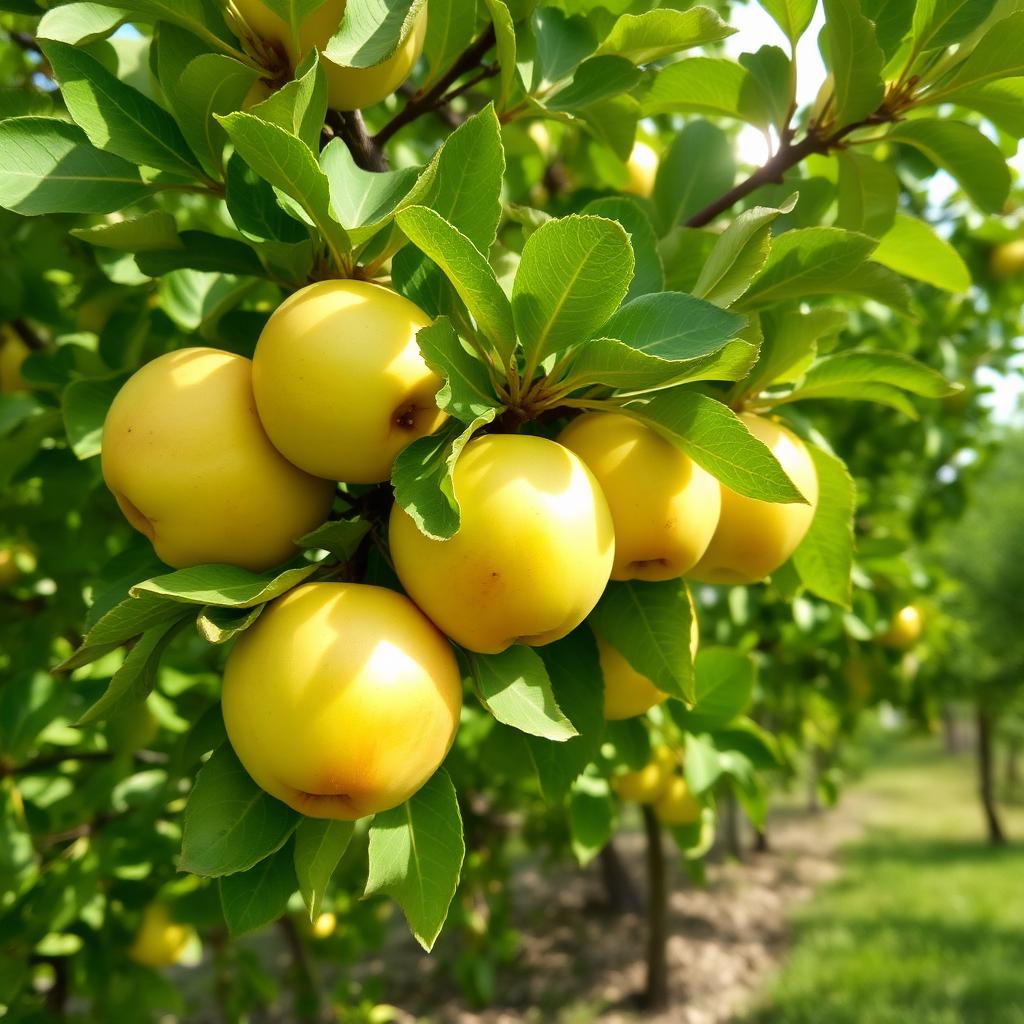
Visiting an orchard in late October or early November offers quiet pathways and some of the most complex fruit of the entire year. These late-hanging cultivars require long growing seasons to develop their thick skins, dense sugars, and formidable keeping qualities.
Fuji
Originally bred in Japan, Fuji loves late-season sunshine and ripens toward the end of October into November. It is exceptionally dense and sugary, often registering the highest natural sugar levels of any mainstream variety. Fuji remains rock-firm long after picking and will easily keep in a home refrigerator until spring.
Granny Smith
Though traditionally grown in warmer climates, many American orchards cultivate Granny Smith for late-season harvests. Plucked in early November, this brilliant green apple provides mouth-puckering acidity backed by subtle sweetness. Its high acidity and ultra-firm cell structure make it the undisputed champion for balancing rich, spiced pie fillings.
Winesap
A historic American heirloom dating back to colonial times, Winesap ripens right before winter arrives. As the name implies, it carries a deep, wine-like spice and robust tartness that deepens in storage. Historically used for hard cider, Winesap is equally suited for winter snacking and old-fashioned skillet baking.
Arkansas Black
Perhaps the most striking apple in the orchard, Arkansas Black matures to a deep, brooding cabernet color that looks almost purple-black in autumn light. Fresh off the branch in November, it is rock-hard and distinctly astringent. However, after resting in a cool cellar for several weeks, its starches convert into rich, floral, honeyed flavors with an unforgettable crunch.
Flavor Profiles and Culinary Matchmaking
To get the most out of your orchard haul, pair your picking dates with your kitchen intentions. While nearly every apple can be eaten out of hand, certain varieties shine brightest when matched with the right culinary techniques.
- Best for Fresh Eating: Honeycrisp, Gala, Zestar!, Fuji, and Empire.
- Best for Rustic Pies and Tarts: Granny Smith, Jonagold, Golden Delicious, and Northern Spy.
- Best for Velvety Applesauce: McIntosh, Paula Red, and Cortland.
- Best for Sweet and Hard Cider: Winesap, Arkansas Black, Gala, and heirloom Russet varieties.
- Best for Dehydrating and Chips: Fuji, Gala, and Honeycrisp due to their high natural sweetness.
Orchard Tip: When planning a holiday pie, combine at least three different varieties. Mix a tart, firm apple like Granny Smith with an aromatic cultivar like McIntosh and a sweet, dense fruit like Jonagold to achieve complex flavor and ideal texture.
Orchard Etiquette and Harvesting at Peak Sweetness
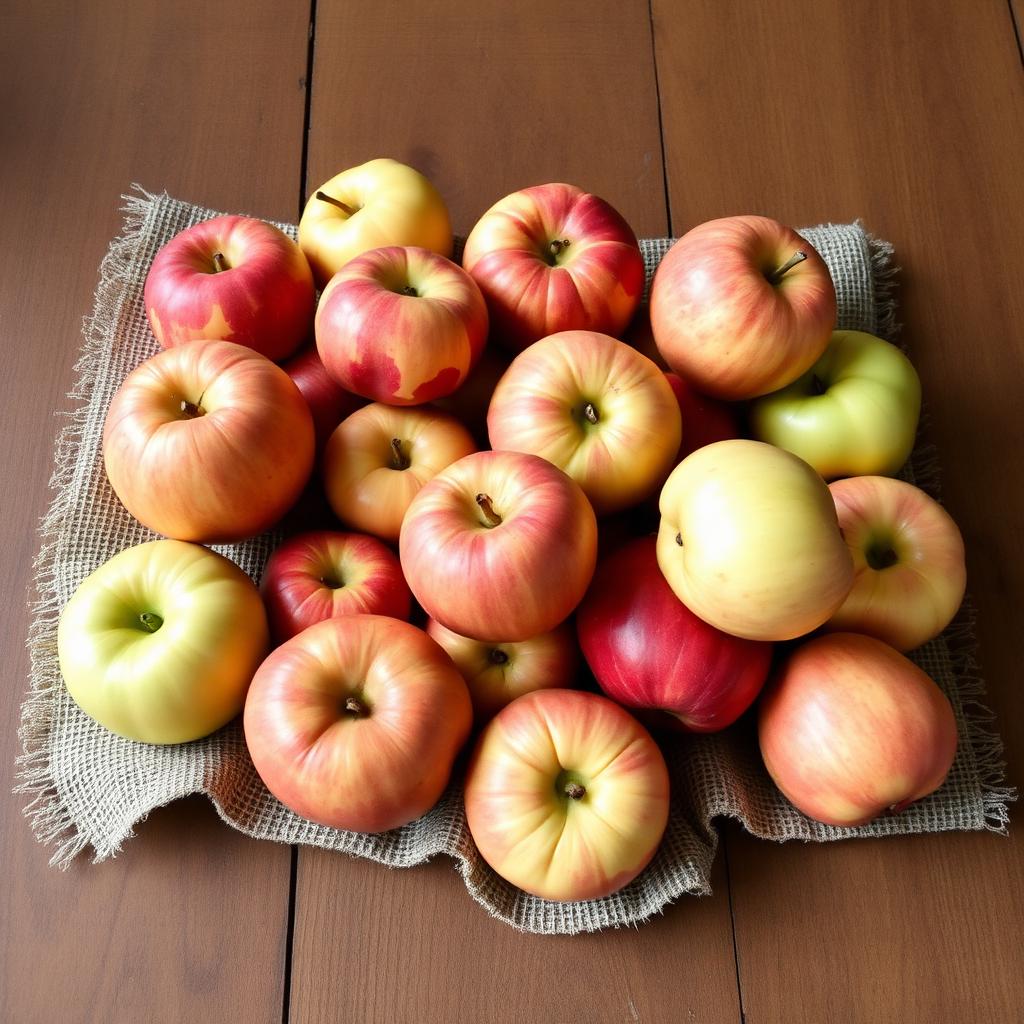
Timing your visit for the right month is step one, but knowing how to select individual fruits guarantees top quality. Apples ripen from the outside of the tree canopy inward toward the trunk, meaning fruit exposed to direct sunlight matures first.
Check the ground color beneath the red or striped blush. On most varieties, the green background shifts to warm cream, buttery yellow, or pale white when fully ripe. If the base remains dull, grassy green, the fruit may still be starchy. When harvesting, use the roll-and-lift technique: cradle the fruit in your palm, roll it upward toward the stem, and twist gently. A truly ripe apple detaches effortlessly without snapping the spur or dislodging neighboring fruit.
Frequently Asked Questions
Can I pick Honeycrisp apples in late October?
In most regions, Honeycrisp harvest peaks in early to mid-September. By late October, trees are generally stripped clean, and any fruit left hanging is often overripe, soft, or damaged by birds. Plan your orchard visit for September if Honeycrisp is your primary goal.
Why do early-season apples spoil faster than late-season ones?
Early-season cultivars like Paula Red and Lodi grow rapidly in mid-summer heat, resulting in thinner skins and higher respiration rates. Late-season varieties spend months on the branch, developing thicker waxy skins and denser cell structures designed by nature to protect seeds through cold weather.
What is the sweetest apple variety available to pick?
Fuji consistently ranks as the sweetest variety grown in American orchards, often containing higher Brix levels of natural fruit sugars than Gala or Golden Delicious. Its sweetness is clean and crisp without heavy acidity.
Are green-skinned apples always sour?
Not always. While Granny Smith is famous for its mouth-puckering bite, other green or yellow cultivars like Golden Delicious, Shizuka, and Mutsu develop lush, honeyed sweetness as they mature in mid-autumn.
How do I know if an orchard has my preferred variety ready?
Because weather patterns shift harvest dates by a week or two each year, always check your destination orchard's weekly harvest report online or call their farmstand before driving out. Most growers post regular updates detailing which rows are open for picking each weekend.
Tags
Explore more on Apple Picking Finder
Find orchards near you →
See the closest U-Pick apple farms with hours, pricing, and directions.
Apple varieties guide →
50+ varieties with taste notes, ripening windows, and best uses.
Ripening calendar →
When each variety is ready to pick, month by month, across the US.
Apple recipes →
60+ tested recipes for pies, crisps, cider, butter, and more.
Keep reading
Apple Orchard Photography Secrets: How to Frame Gorgeous Fall Shots
Capture vibrant autumn memories with these practical apple orchard photography tips. Learn about golden hour lighting, outfit styling, and creative angles.

Family Orchard Adventures: Essential Apple Picking Tips with Kids
Planning an orchard trip with children? Learn practical strategies for packing gear, teaching proper picking techniques, handling crowds, and keeping kids happy from arrival to checkout.
Storing Fresh-Picked Apples: How to Keep Orchard Fruit Crisp
Brought home a bountiful orchard haul? Learn the best cellar tricks, cold storage methods, and simple preservation techniques to keep your apples crisp and flavorful all winter long.