Apple Orchard Photography Secrets: How to Frame Gorgeous Fall Shots
Capture vibrant autumn memories with these practical apple orchard photography tips. Learn about golden hour lighting, outfit styling, and creative angles.
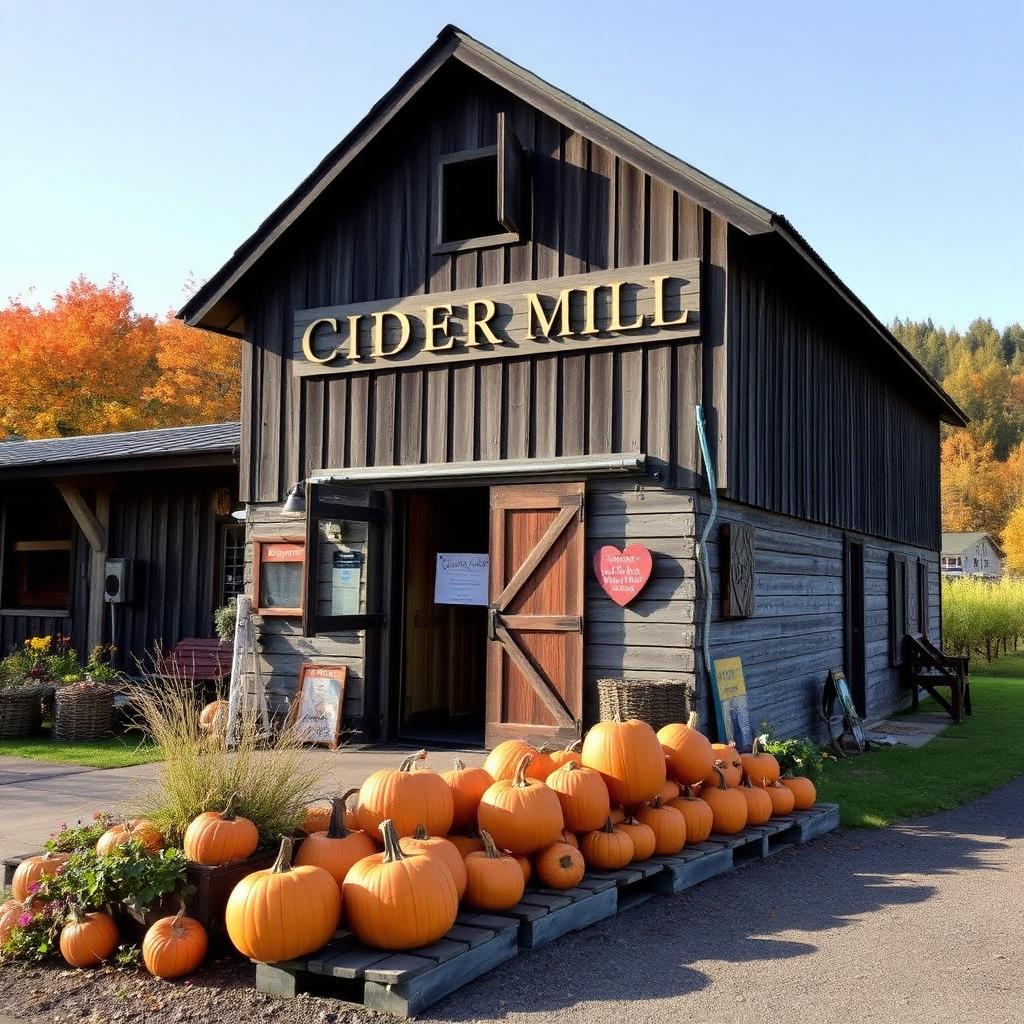
Crisp autumn air, rows of fruit-laden boughs, and warm golden sunshine create an irresistible setting for seasonal photos. Whether you are aiming for timeless family portraits, vibrant social media stories, or simple candid snapshots of your harvest day, an apple orchard offers texture and charm that no indoor studio can match. With a few intentional techniques, you can turn ordinary farm snapshots into breathtaking keepsakes that capture the true spirit of the harvest.
Mastering Natural Light Among the Branches
Lighting can make or break an outdoor photoshoot, especially under the leafy canopy of an orchard. Direct midday sunlight is notoriously difficult to manage because it casts harsh, dark shadows under eyes, noses, and brims of hats. High noon sun also creates blown-out highlights on shiny apple skins and causes your subjects to squint uncomfortably.
For the most flattering light, schedule your visit during the golden hours. The first hour after sunrise and the final two hours before sunset produce a soft, warm glow that filters gently through the orchard rows. During these windows, the sun sits low in the sky, casting long, elegant shadows and illuminating the dusting of morning dew or late-afternoon dust in the air.
If you must shoot during midday, seek out open shade. Look for mature, leafy trees that diffuse the overhead glare. Place your subjects along the shaded edge of a tree row, facing toward the open sky rather than directly into the sun. This positioning provides balanced, soft illumination across the face while keeping the background rich and colorful.
Pro Tip: Always position your subjects so the sun is behind them or filtered through the leaves at a forty-five-degree angle. This prevents squinting, eliminates harsh nasal shadows, and creates a soft halo effect around hair and shoulders.
Curating the Ideal Orchard Wardrobe
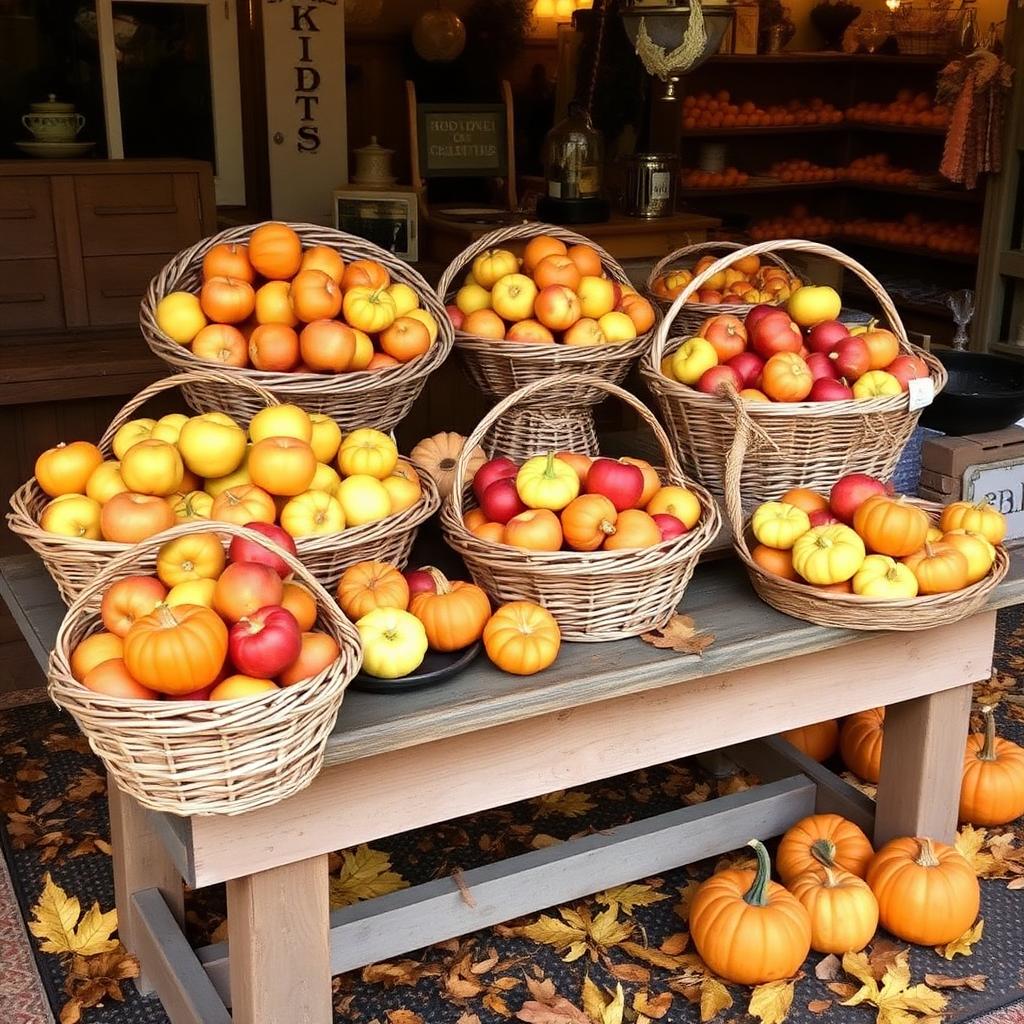
What your subjects wear will dramatically influence the mood and quality of your photos. The goal is to complement the natural environment without blending directly into the foliage or creating distracting visual clashes.
Flattering Color Palettes
An orchard is dominated by greens, earthy browns, and vibrant splashes of crimson, gold, or blush fruit. To create visual harmony, select clothing in warm neutrals and rich autumn earth tones. Colors that work exceptionally well include:
- Oatmeal, cream, and warm ivory
- Mustard yellow, amber, and honey
- Burnt orange, rust, and terracotta
- Deep navy, slate blue, and dusty denim
- Warm olive, sage, and forest green
Avoid dressing in bright, saturated reds, as subjects wearing red can easily disappear against heavily laden Gala or Honeycrisp trees. Similarly, avoid fluorescent shades and neon accents, which cast unnatural color reflections onto skin under outdoor daylight.
Texture and Layering
Autumn is the season of cozy textures. Incorporating chunky cable-knit sweaters, corduroy jackets, flannel overshirts, suede boots, and wool scarves adds depth and tactile interest to your images. Layers also offer practical flexibility for your subjects, allowing them to adjust if the afternoon temperature rises or dips.
Selecting the Right Lenses and Camera Settings
You do not need thousands of dollars in professional gear to take striking orchard photos, but understanding your equipment helps you make the most of the setting.
Lens Selection
If you are shooting with an interchangeable lens camera, prime lenses with focal lengths between 50mm and 85mm are ideal for orchard portraits. An 85mm lens produces beautiful compression, pulling the background closer to your subject and blurring distant rows of trees into a creamy, painterly wash of green and red. A wider 35mm lens is fantastic for environmental storytelling, allowing you to capture sweeping landscape vistas, vintage farm tractors, and families strolling together down wide grassy paths.
Aperture and Depth of Field
For individual portraits, shoot with a wide aperture such as f/1.8 to f/2.8. This shallow depth of field isolates your subject from distracting background elements like other visitors or distant farm equipment. When photographing groups, however, narrow your aperture to f/4 or f/5.6 to ensure that everyone across the row remains sharp and in clear focus from front to back.
Composing Dynamic Rows and Vanishing Points
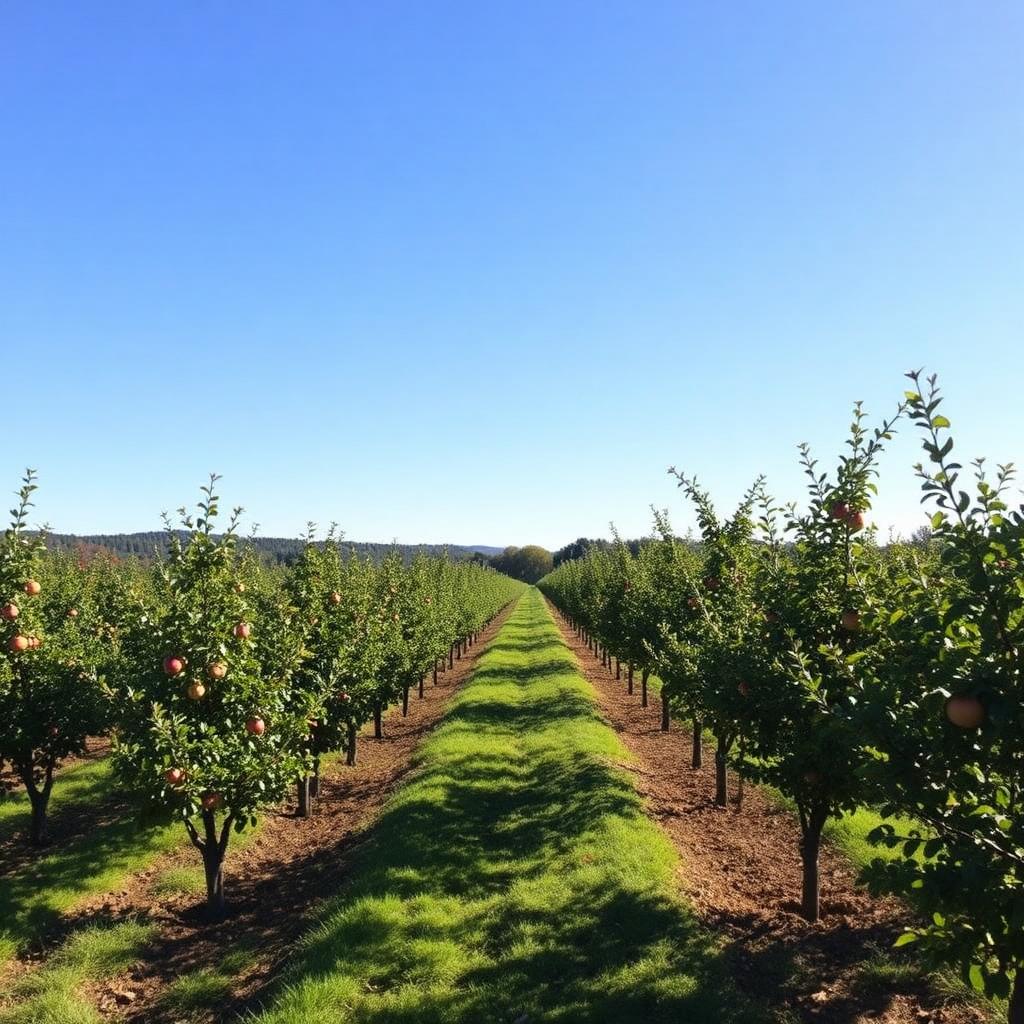
Apple orchards are naturally structured environments, planted in long, symmetrical corridors. You can use this inherent geometry to create striking compositions that pull the viewer directly into the frame.
One of the most effective techniques is utilizing leading lines. Position your subject in the center of an orchard row and shoot straight down the path. The converging lines of the tree trunks, tree lines, and tractor tire ruts will naturally guide the viewer eyes straight toward your focal point. This creates a powerful sense of depth and perspective.
Do not be afraid to change your vantage point. Standard eye-level shots can sometimes feel predictable. Crouch down low to the ground and angle your camera slightly upward to make children appear adventurous and dynamic against towering apple trees. Alternatively, shoot from behind a low-hanging branch, using out-of-focus leaves and brightly colored apples in the immediate foreground to frame your subject naturally.
Directing Candid Harvest Moments and Real Interaction
Stiff, posed photos rarely convey the genuine joy of a day on the farm. Instead of asking children or couples to stand still and say cheese, prompt them with simple, interactive activities that bring out natural expressions.
Encourage your subjects to explore the trees actively. Ask them to search for the biggest apple on a specific branch, inspect a unique blossom end, or balance an apple on their head. Photograph the gentle effort of a child reaching upward on tiptoes to twist a stem, or the spontaneous laugh that occurs when someone drops a piece of fruit into a wooden basket.
Props can anchor hands and provide organic motivation for movement. Woven baskets, vintage wooden crates, canvas picking bags, and metal wagons are classic accessories that look authentic in farm photographs. Even a cup of warm apple cider or a freshly sugared cider donut can serve as a charming prop that prompts relaxed, unforced smiles.
Smartphone Photography Hacks for the Orchard
Modern smartphones boast incredible camera systems that are more than capable of capturing magazine-worthy harvest scenes when used correctly.
Locking Exposure and Focus
When light filters through moving tree leaves, your phone automatic sensor may constantly adjust, resulting in flickering brightness or missed focus. Tap your subject face on the screen and hold for two seconds to activate the exposure and focus lock. Once locked, slide your finger slightly downward to decrease exposure just a touch. Underexposing slightly protects your highlights from blowing out and preserves the rich, saturated colors of the autumn foliage.
Using Portrait Mode Intelligently
Smartphone portrait modes simulate shallow depth of field through computational processing. To get the cleanest cutout without weird artificial artifacts, maintain a distance of roughly five to eight feet from your subject, and ensure there is ample separation between your subject and the trees behind them. Avoid shooting through dense, intricate leaves in portrait mode, as the software algorithm can struggle to separate fine twigs from hair.
Respecting the Orchard and Practicing Good Farm Etiquette
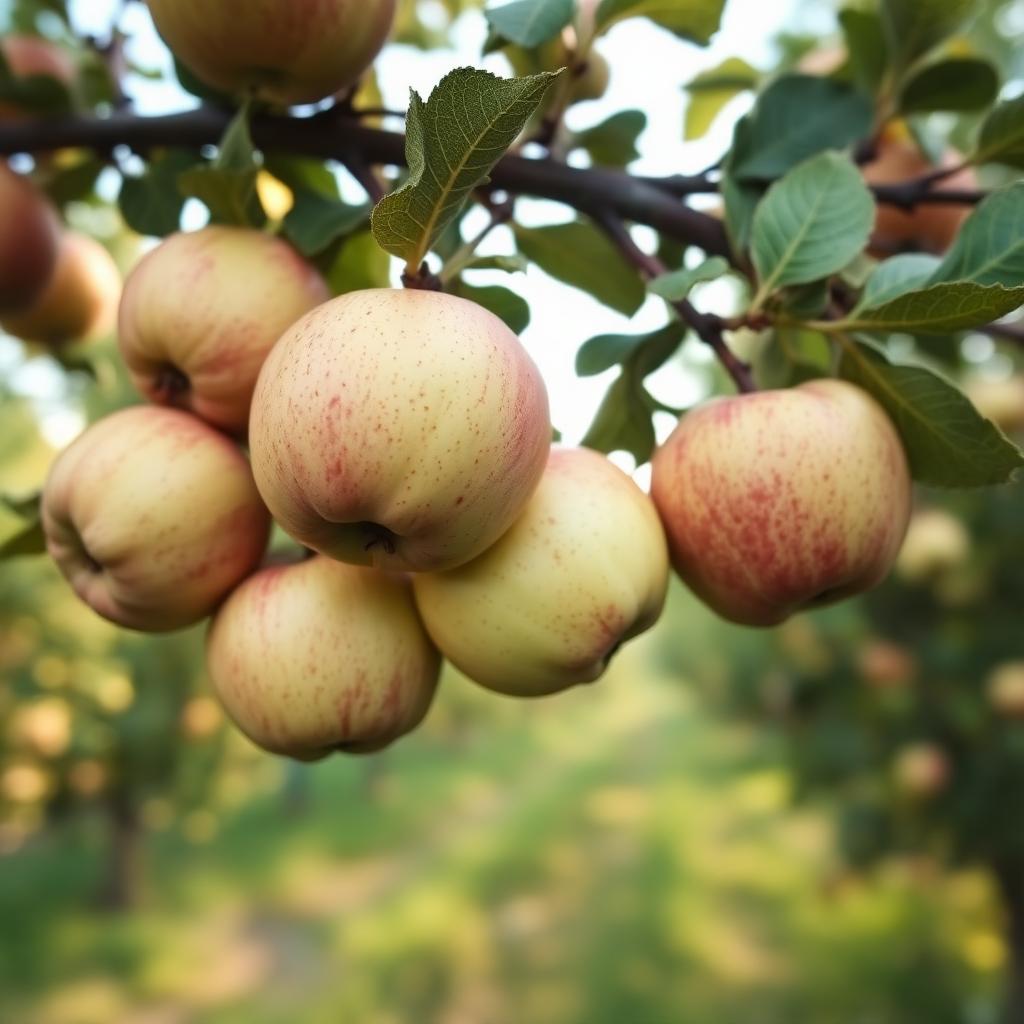
Great photography should never come at the expense of the working farm or other guests enjoying their day. Orchard trees are delicate agricultural assets that growers nurture throughout the year.
Never allow children or adults to climb the apple trees or hang from low branches. Limbs heavy with fruit can snap easily under human weight, causing lasting damage to the tree. Always stick to established rows and respect areas marked as private or restricted for farm equipment.
Only pick apples that you intend to purchase. Dropping fruit on the ground for the sake of staging a photo is wasteful and harmful to the orchard bottom line. If you plan to bring professional equipment like reflectors, heavy light stands, or multiple wardrobe changes, contact the farm management ahead of time to ask permission and check if they require a small commercial photography permit fee.
Frequently Asked Questions
What is the best time of day to take photos at an apple orchard?
The optimal time for orchard photography is during golden hour, which occurs within the first hour after sunrise or the last two hours before sunset. The low sun creates warm, diffused light that eliminates harsh shadows and adds a gentle glow to portraits. Early morning shoots also offer the benefit of empty rows with minimal visitors in the background.
What colors should we wear for an apple orchard photoshoot?
Warm neutral tones and earthy shades look best against orchard greenery and fruit. Excellent choices include cream, oatmeal, mustard yellow, warm terracotta, slate blue, and forest green. Avoid bright, saturated reds that blend in with ripe apples, as well as neon shades that reflect unnatural colors onto skin.
Can I bring tripods and professional lighting to a pick-your-own orchard?
Policies vary widely depending on the orchard. Handheld cameras and personal smartphones are welcomed at virtually all pick-your-own farms. However, if you plan to bring large tripods, external light stands, umbrellas, or multiple outfit changes, you should check the farm website or call ahead. Many commercial orchards require a scheduled appointment and a modest photography fee for staged shoots.
How do I prevent dark shadows under eyes when shooting in the trees?
To avoid unflattering shadows caused by overhead sunlight filtering through branches, look for open shade where the light is even. Position your subject at the outer edge of a tree row facing the open sky rather than burying them deep within the canopy. You can also use a small portable reflector or a simple piece of white poster board held low to bounce soft light back into their face.
What should I do if the orchard is packed with visitors?
If you visit during peak harvest hours on a weekend, work with tight framing and wide apertures to blur out crowds in the background. Position your camera at a lower angle pointing slightly upward into the tree branches and sky, which cuts people out of the frame entirely. Walking toward the farthest corners of the orchard often reveals quiet, picturesque rows that most casual visitors skip.
Tags
Explore more on Apple Picking Finder
Find orchards near you →
See the closest U-Pick apple farms with hours, pricing, and directions.
Apple varieties guide →
50+ varieties with taste notes, ripening windows, and best uses.
Ripening calendar →
When each variety is ready to pick, month by month, across the US.
Apple recipes →
60+ tested recipes for pies, crisps, cider, butter, and more.
Keep reading

Family Orchard Adventures: Essential Apple Picking Tips with Kids
Planning an orchard trip with children? Learn practical strategies for packing gear, teaching proper picking techniques, handling crowds, and keeping kids happy from arrival to checkout.
Storing Fresh-Picked Apples: How to Keep Orchard Fruit Crisp
Brought home a bountiful orchard haul? Learn the best cellar tricks, cold storage methods, and simple preservation techniques to keep your apples crisp and flavorful all winter long.
Best Apple Recipes and Desserts: From Orchard Haul to Table
Transform your fresh-picked autumn harvest into irresistible kitchen creations. Discover the best apple recipes and desserts, from classic double-crust pies to buttery skillet crisps.