Apple Picking with Pets: Complete Field Guide for Autumn Outings
Planning an orchard day with four-legged family members requires preparation. Here is how to navigate farm rules, protect trees, and keep your pets safe this fall.
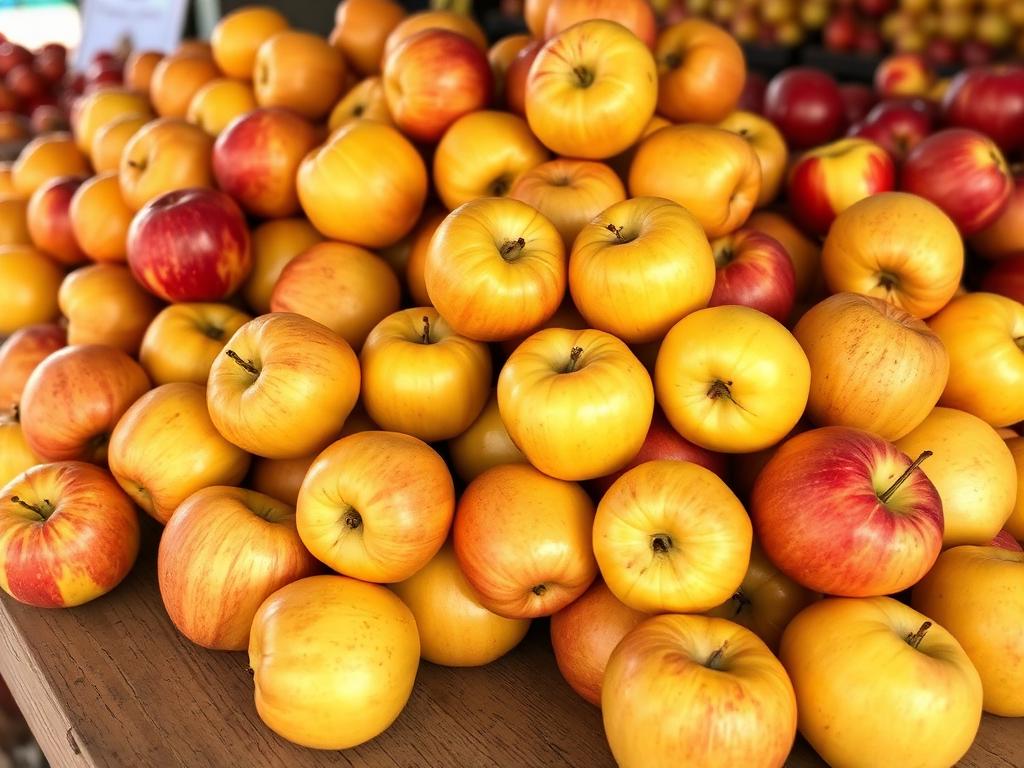
Crisp autumn mornings, vibrant foliage, and the scent of ripe apples make a trip to the orchard one of the season's finest traditions. Bringing your pet along can turn an ordinary harvest afternoon into an unforgettable family outing. However, agricultural spaces present unique challenges, and a successful visit requires thoughtful preparation, clear communication, and attentive handling.
Understanding Agritourism Pet Policies Across Farms
Before packing your harvest baskets and loading your dog into the car, you must verify the destination farm's specific pet policy. Agritourism operations differ dramatically across the country. While some welcoming farmsteads feature designated dog runs, outdoor seating, and pet-friendly hayrides, others restrict domestic animals entirely. Never assume an orchard permits pets simply because the grounds are outdoors.
Orchards change their policies from season to season depending on liability insurance, guest feedback, and local municipal health codes. The most reliable approach is to check the farm's official website or social media channels for current rules. If the policy is unclear, make a quick telephone call to the farm market before you leave home. Ask whether pets are restricted to certain zones, such as picnic areas or nature trails, or if they are allowed between the fruit rows themselves.
When speaking with staff, inquire about leash requirements. Many pet-tolerant farms mandate non-retractable leashes no longer than six feet in length. Retractable leashes tend to snag on dwarf tree branches, tangle around low-hanging fruit limbs, and make quick intervention difficult when unfamiliar dogs cross paths in narrow orchard rows.
The Realities of Food Safety and Livestock Regulations
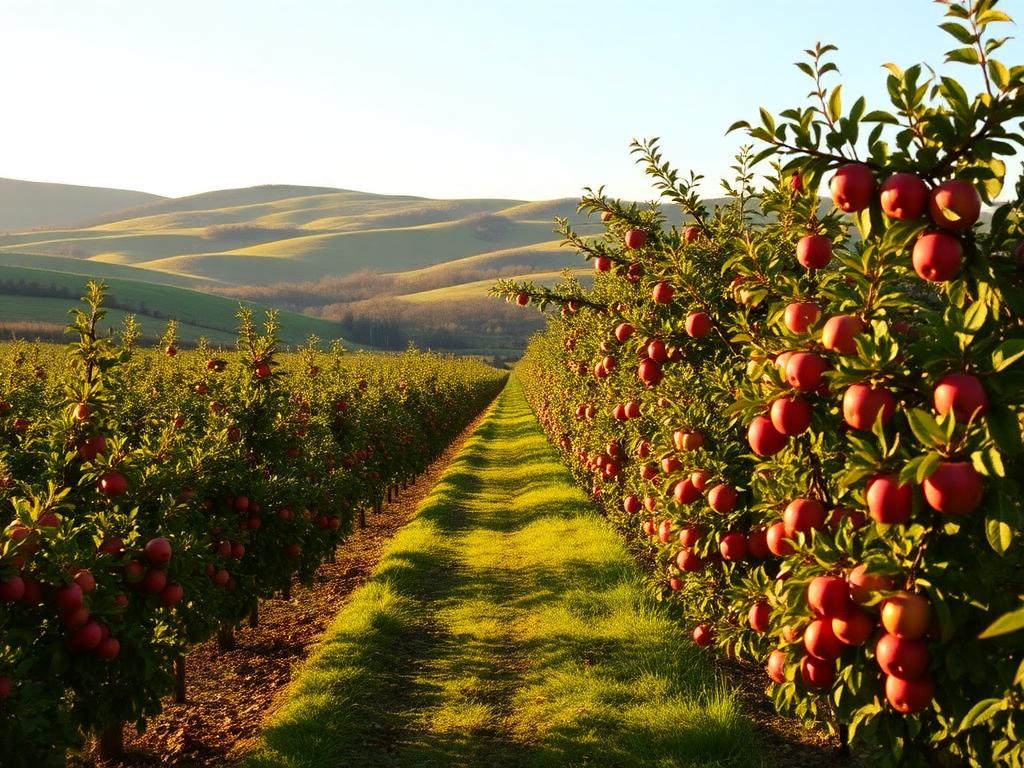
Many visitors wonder why certain orchards forbid companion animals while permitting thousands of human guests. The answer typically comes down to strict agricultural compliance. Commercial fruit growers in the United States must adhere to stringent food safety standards, including the Food Safety Modernization Act. These federal guidelines are designed to prevent contamination of crops meant for human consumption.
Under these regulations, growers must manage risks related to biological soil amendments and domesticated animal waste. If an orchard produces unpasteurized sweet cider, operates an indoor farm store with an open bakery, or raises commercial livestock on the same parcel of land, their licensing may prohibit pets on working acreage. Understanding this helps visitors appreciate that pet bans are rarely personal; they are practical measures to preserve food quality and maintain farm licenses.
In contrast, bona fide service animals trained to perform specific tasks for individuals with disabilities are permitted under the Americans with Disabilities Act. Even so, service dogs must remain under handler control at all times, and emotional support animals do not share the same public accommodation rights in agricultural zones.
Canine Health in the Orchard: Apples, Seeds, and Fallen Fruit
While an apple slice makes a healthy, crunchy treat for most dogs, free-range snacking in an orchard carries real veterinary risks. Apple flesh provides dietary fiber, vitamin A, and vitamin C, but core consumption should be carefully avoided. Apple seeds contain amygdalin, a compound that releases cyanide when chewed and metabolized. While a few swallowed seeds rarely harm a large dog, ingesting multiple whole cores can lead to stomach upset or intestinal distress.
A more common danger lies on the orchard floor. Ground fruit, often called drop fruit, begins to ferment rapidly under the autumn sun. Ingesting rotting apples can cause sudden gastric upset, severe diarrhea, and even alcohol toxicosis in smaller pets. Additionally, rotting fruit attracts ground-nesting yellow jackets and bald-faced hornets that burrow into the fruit skin. A curious snout sniffing a fallen Honeycrisp can easily suffer painful stings to the lips, nose, or tongue.
Field Safety Tip: Keep your dog in a focused heel while navigating between rows, and carry high-value training treats to redirect their attention away from decomposing apples on the ground.
Packing the Ultimate Orchard Field Kit for Your Pet
A well-prepared day pack ensures that you can handle unexpected messes, fluctuating temperatures, and long walks across rugged terrain without disrupting your harvest schedule. Farms rarely provide specialized pet supplies, so handlers must be entirely self-sufficient.
- Sturdy six-foot fixed leash: Avoid webbing that frays easily on brambles and skip flexible leads that allow wandering.
- Portable water bowl and fresh water: Never rely on livestock troughs, farm irrigation ponds, or standing puddles, which may carry agricultural runoff or bacteria like leptospira.
- Double-walled waste bags: Always clean up immediately and pack your waste out if public receptacles are unavailable.
- Canine first aid essentials: Pack tweezers for burrs and thorns, saline eye wash for dust, and adhesive bandaging wrap for cut paws.
- Towel or automotive seat cover: Orchard soil, morning dew, and fallen organic matter create messy paws by the end of your visit.
- Brightly colored bandana or reflective vest: High-visibility accessories make your dog visible to farm tractors, utility vehicles, and other visitors.
Orchard Etiquette: Respecting Trees, Farmers, and Other Guests
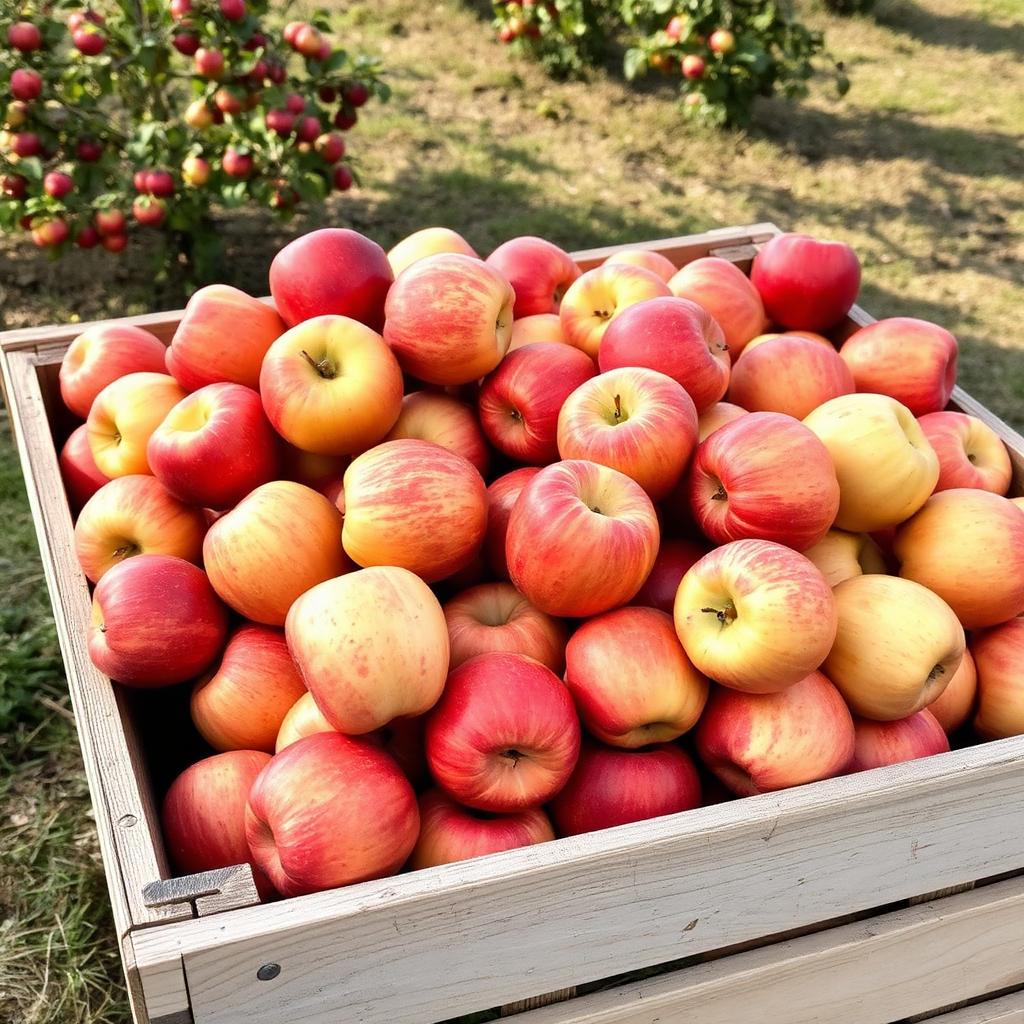
Good manners protect your dog's access privileges for seasons to come. Farm owners operate on thin margins, and damaged trees directly reduce harvest yield. Dwarf and semi-dwarf apple trees feature shallow root systems and fragile branches that snap under moderate pressure. Never tie your dog's leash to a fruit tree trunk or support trellis, even for a quick photo.
Keep an eye on scent-marking behavior. Dogs naturally want to mark vertical objects in new environments, but allowing a dog to urinate on fruit-bearing branches, irrigation risers, or picking baskets is unacceptable. Direct your pet to relieve themselves in designated perimeter grass or gravel parking borders before entering the growing blocks.
Remember that orchards draw diverse crowds, including toddlers, elderly visitors, and people who may harbor deep fears of dogs. Keep your pet close to your side when passing other families in the avenues. Never assume another visitor wants to interact with your pet, and never allow your dog to greet another leashed pet without explicit permission from both owners.
Managing Environmental Hazards: Bees, Traps, and Equipment
Farms are working industrial spaces that contain hazards rarely found in suburban dog parks. During peak picking season, growers employ various management strategies to monitor pests and maintain grounds. Understanding these tools helps you steer clear of trouble.
Many orchards use visual sticky traps hung within tree canopies or baited ground traps to track insect populations. Curious pets can tangle their fur in these adhesive surfaces or consume pest lures. Keep your dog in the center of walking lanes rather than letting them root beneath low tree skirts.
Heavy equipment represents another common factor. Tractors pulling hay wagons, harvest wagons, and fruit bins operate throughout the day, often on uneven dirt roads with blind corners. Farm machinery engines are loud and can startle sensitive animals. If you hear an approaching utility vehicle, step completely off the road, place your dog in a controlled sit, and hold their collar until the machinery passes safely by.
Cool Down and Hydration Strategies for Active Autumn Days
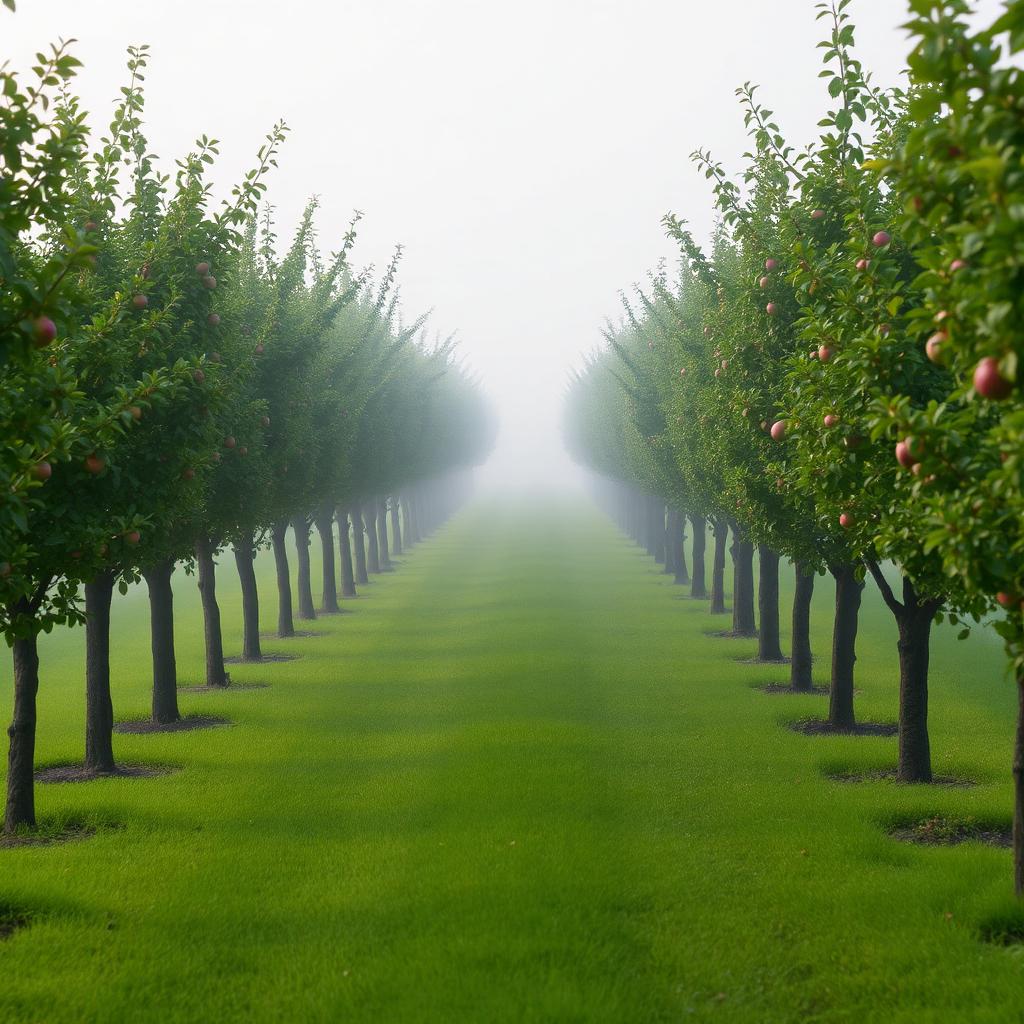
Fall weather can be deceptive. A morning that starts at fifty degrees can easily warm into the mid-seventies by early afternoon, with little shade available in newly planted high-density trellised blocks. Dogs working their way across rolling hills and over rough sod expend considerable energy.
Monitor your companion for early signs of fatigue or heat exhaustion, including excessive panting, thick saliva, lagging behind, or red gums. Take scheduled breaks in the shade of older, mature trees or return to your vehicle for climate-controlled rest periods. Offer small, frequent sips of cool water rather than letting a thirsty dog gulp an entire bowl at once, which can trigger nausea after heavy exercise.
Once your picking bags are full and you return to the farm market, evaluate your pet's energy level. If the farm market patio is crowded with long lines for cider donuts and hot drinks, consider having one family member stay with the dog in a quiet, shaded outdoor area while others make farm stand purchases. Ending the day on a calm, positive note ensures your pet looks forward to their next harvest excursion.
Frequently Asked Questions
Can my dog eat apples picked directly from the tree?
Yes, fresh apple flesh is safe for dogs in moderate amounts. If you wish to share a taste with your pet, purchase the fruit first, wash it thoroughly, and slice away the skin and core before feeding small portions. Do not allow your pet to pull apples directly off living branches, as this can damage next year's fruit buds.
What should I do if my dog is stung by a bee in the orchard?
Move your dog to a quiet area away from fallen fruit and inspect the site. If a stinger is visible, scrape it away using the edge of a credit card rather than squeezing it with tweezers. Monitor your pet closely for signs of an allergic reaction, such as facial swelling, hives, or difficulty breathing, and locate the nearest emergency veterinary clinic immediately if severe symptoms appear.
Are emotional support animals permitted at all pick-your-own farms?
No. While legitimate service animals trained to assist individuals with disabilities are protected under federal law, emotional support animals do not possess public access rights under the Americans with Disabilities Act. Working farms with active food safety certifications can legally restrict emotional support animals from entering production blocks and farm stores.
Why are retractable leashes discouraged at apple orchards?
Retractable leashes provide poor control in active agricultural environments. The thin cords can easily wrap around delicate fruit branches, snap irrigation lines, cause friction burns on passing guests, or allow dogs to reach ground-rotted fruit before their owners can react. Standard six-foot leather or nylon leashes are much safer for crowded harvest settings.
How can I find out if an orchard is truly dog-friendly?
Look beyond general travel forums, which often contain outdated information. Check the orchard's official website under their visitor guidelines or FAQ section. If pet details are absent, call the farm directly and ask specific questions about where animals are allowed, including parking grounds, harvest rows, and outdoor dining patios.
Tags
Explore more on Apple Picking Finder
Find orchards near you →
See the closest U-Pick apple farms with hours, pricing, and directions.
Apple varieties guide →
50+ varieties with taste notes, ripening windows, and best uses.
Ripening calendar →
When each variety is ready to pick, month by month, across the US.
Apple recipes →
60+ tested recipes for pies, crisps, cider, butter, and more.
Keep reading
Apple Varieties by Month: What to Pick from August to November
Plan your orchard visits with our month-by-month guide to picking fresh apples. Discover peak harvest windows, flavor profiles, and culinary uses from late summer through late fall.
Apple Orchard Photography Secrets: How to Frame Gorgeous Fall Shots
Capture vibrant autumn memories with these practical apple orchard photography tips. Learn about golden hour lighting, outfit styling, and creative angles.

Family Orchard Adventures: Essential Apple Picking Tips with Kids
Planning an orchard trip with children? Learn practical strategies for packing gear, teaching proper picking techniques, handling crowds, and keeping kids happy from arrival to checkout.