Apple Orchard Photography Guide: How to Shoot Crisp Autumn Portraits
Capture breathtaking fall harvest portraits with expert orchard photography tips covering golden hour lighting, wardrobe color palettes, and natural posing ideas.
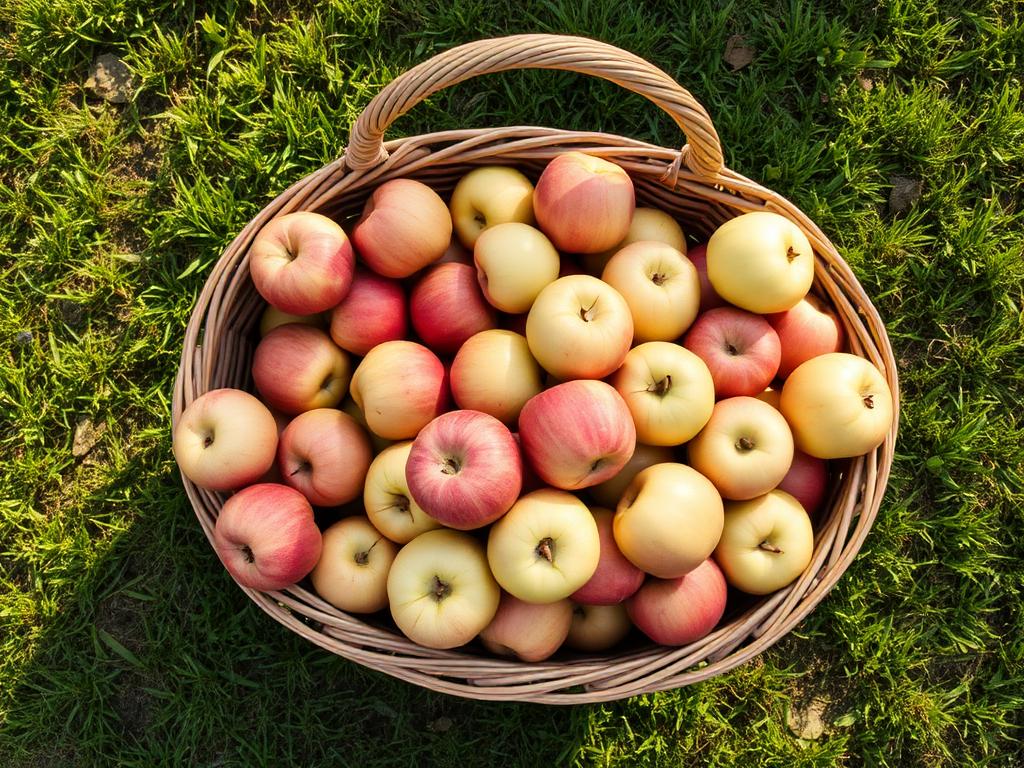
Stepping into an apple orchard during peak harvest offers one of the most vibrant visual palettes in North America. Between the rich crimson fruit, dappled golden foliage, and endless geometric rows, the landscape naturally invites stunning portraiture. With a thoughtful approach to lighting, wardrobe styling, and composition, you can easily turn a casual afternoon of fruit picking into a gallery of memorable, professional-quality images.
Timing Your Visit for the Softest Natural Light
Lighting makes or breaks outdoor portraits, particularly in an agricultural landscape where bright sun can filter harshly through tree leaves. Midday sun produces unflattering shadows under eyes and noses while blowing out highlights on glossy apple skins. To achieve soft, luminous skin tones and warm background glows, plan your session around the golden hours just after dawn or in the final two hours before sunset.
Early morning visits offer two distinct advantages. First, you will encounter far fewer visitors, allowing you to compose wide shots without strangers wandering into your frame. Second, early autumn mornings often bring low-hanging mist, dew on the fruit, and a cool, directional light that creates magical depth. If morning is out of reach, late afternoon provides a warm, amber cast that illuminates floating dust motes and turns yellowing leaves into rich gold.
Do not despair if your visit falls on a completely overcast day. A cloud-covered sky acts as a massive softbox, diffusing harsh sunlight into balanced, flattering illumination. Under cloud cover, colors look deeper, saturation naturally increases, and you can shoot in any direction without battling backlighting issues.
Wardrobe Styling: Selecting Colors That Complement the Canopy

What your subjects wear directly influences how well they stand out against the dense green and red tones of an orchard. While matching plaid shirts are a common choice, coordinating complementary solid colors and rich textures yields a far more timeless, editorial aesthetic.
Earth tones and muted neutrals create an elegant contrast against bright red fruit and heavy foliage. Consider these dependable palette choices:
- Warm neutrals: Oatmeal, cream, camel, and heather gray provide clean separation from leafy backgrounds without competing for visual attention.
- Deep jewel tones: Mustard yellow, navy blue, plum, and burnt orange lean into the autumn mood while harmonizing with orchard colors.
- Denim and leather: Classic blue denim and warm brown boots add grounded, rustic texture that feels organic to a farm environment.
Avoid dressing subjects in bright leaf-green or fire-engine red. Green blends directly into the canopy, causing people to appear like floating heads, while vibrant red can clash with the natural, varied tones of ripening apples. Instead, prioritize textural layers like chunky wool sweaters, suede jackets, corduroy overalls, and woven scarves to give your portraits tactile richness.
Composition Techniques for Endless Tree Rows
Commercial apple orchards are planted in neat, symmetrical alleys that offer incredible opportunities for leading lines and vanishing-point perspectives. Place your subject in the center of an aisle or slightly off-center along the row, allowing the convergence of the trees to guide the viewer eyes straight toward them.
Vary your shooting height to change the entire emotional tone of the photograph. Crouching down low near the grass and shooting slightly upward makes the apple trees look grander and more plentiful. Conversely, holding your camera slightly above eye level can capture the rolling hills of the farm and the geometric pattern of the surrounding plots.
Remember to look for natural frames. A low-hanging branch laden with Honeycrisp or McIntosh apples can serve as an organic border along the top or side of your image. Position your lens close to a cluster of foreground leaves or fruit while focusing on your subject further down the path. This creates a soft, colorful foreground blur that instantly adds depth and three-dimensional realism to the scene.
Posing Strategies: Action Shots Versus Natural Stillness
Stiff, smiling-at-the-camera poses rarely capture the joy and atmosphere of an autumn harvest day. Instead, encourage documentary-style movement and lifestyle interaction that allows subjects to forget the lens is pointed at them.
Give hands something meaningful to do. Have your subject reach upward to examine a high-hanging branch, cup an apple gently in both palms, or carefully place fruit into a vintage wooden basket. Candid interactions almost always produce superior expressions. Ask family members to stroll slowly down the row away from the camera, glance back over their shoulder, or share a laugh while searching for the biggest fruit on the limb.
Pro Tip: Photograph between the deliberate poses; the moments when someone drops an apple, adjusts a child scarf, or bites into fresh cider donuts are often the most cherished shots of the entire harvest season.
For children, turn the photoshoot into an engaging scavenger hunt. Ask them to find an apple that matches the color of their shoes, or challenge them to count the apples within arm reach. This keeps young energy focused, reduces camera fatigue, and guarantees genuine expressions of curiosity and triumph.
Camera Settings and Lens Choices for Lush Background Blur
If you are shooting with a mirrorless camera or DSLR, prime lenses with focal lengths between 50mm and 85mm excel in orchard rows. An 85mm lens offers flattering facial compression and allows you to shoot wide open at f/1.8 or f/2.0, turning busy foliage and distant visitors into smooth, creamy background blur known as bokeh.
When working with wide apertures, careful focus placement is critical. Always lock your autofocus on the eye closest to the camera. If your subject is holding an apple out toward the lens, consider shifting your focus to the fruit itself, letting the person face fall into a gentle, story-telling blur.
Keep your shutter speed fast enough to freeze motion, especially if children are running or branches are swaying in brisk autumn breezes. A baseline shutter speed of 1/250th of a second prevents accidental motion blur while maintaining sharpness across delicate knit textures and crisp foliage.
Working with Mobile Phones and Portrait Modes
You do not need heavy photographic gear to capture stunning orchard memories. Modern smartphones feature sophisticated multi-lens systems and computational portrait modes that handle farm environments remarkably well if you understand their limits.
When using phone portrait modes, leave adequate physical distance between your subject and the trees behind them. Artificial depth maps can occasionally struggle to distinguish where curly hair ends and leaf clusters begin. Giving the subject several feet of space from the nearest foliage helps the software render clean edges and realistic background falloff.
Always manually lock your exposure by tapping your subject face on screen and sliding the brightness icon down slightly. Smartphone sensors tend to overexpose bright outdoor scenes, which washes out skin tones and turns rich red fruit into an unnatural pinkish-orange. Slightly underexposing preserves the deep, moody autumn colors and allows you to pull out shadow details later in your favorite editing app.
Orchard Etiquette and Respecting Working Farm Ground
Great photography never comes at the expense of the grower livelihood. Pick-your-own farms are working agricultural operations that depend on responsible visitors to protect their trees and harvest yields for future seasons.
Never shake limbs to loosen fruit for an action photo, as this damages branches and bruises apples destined for other pickers. Teach children to lift the apple upward and twist gently rather than pulling downward, which can tear off next year fruiting spur. Stay strictly within customer-accessible zones and avoid entering rows marked for equipment, private harvesting, or pest management.
Be mindful of props as well. If you bring blankets, wicker baskets, or vintage crates, ensure they do not obstruct wagon paths or tractor lanes. Buy the fruit you use for your photos, clean up any wrappers or cider cups, and consider thanking the farm staff on your way out. A respectful photographer is always welcomed back season after season.
Frequently Asked Questions
What should I do if the orchard is crowded during my photoshoot?
Head to the furthest rows away from the main farmstand and tractor drop-off points, as casual pickers usually stay near the entrance. Use tighter focal lengths like 85mm or 135mm to narrow your field of view and crop out background foot traffic, or position yourself close to branches to block other visitors from your frame.
How do I protect my photography equipment from dust and sticky orchard residue?
Agricultural fields can be dry and dusty in early fall. Avoid changing lenses while standing in the middle of windy rows, and carry a microfiber cloth along with lens cleaning wipes. Keep a damp cloth in your pocket to clean sticky hands after handling fresh fruit before touching camera dials and glass.
Can I bring photography props like ladders or stools to an orchard?
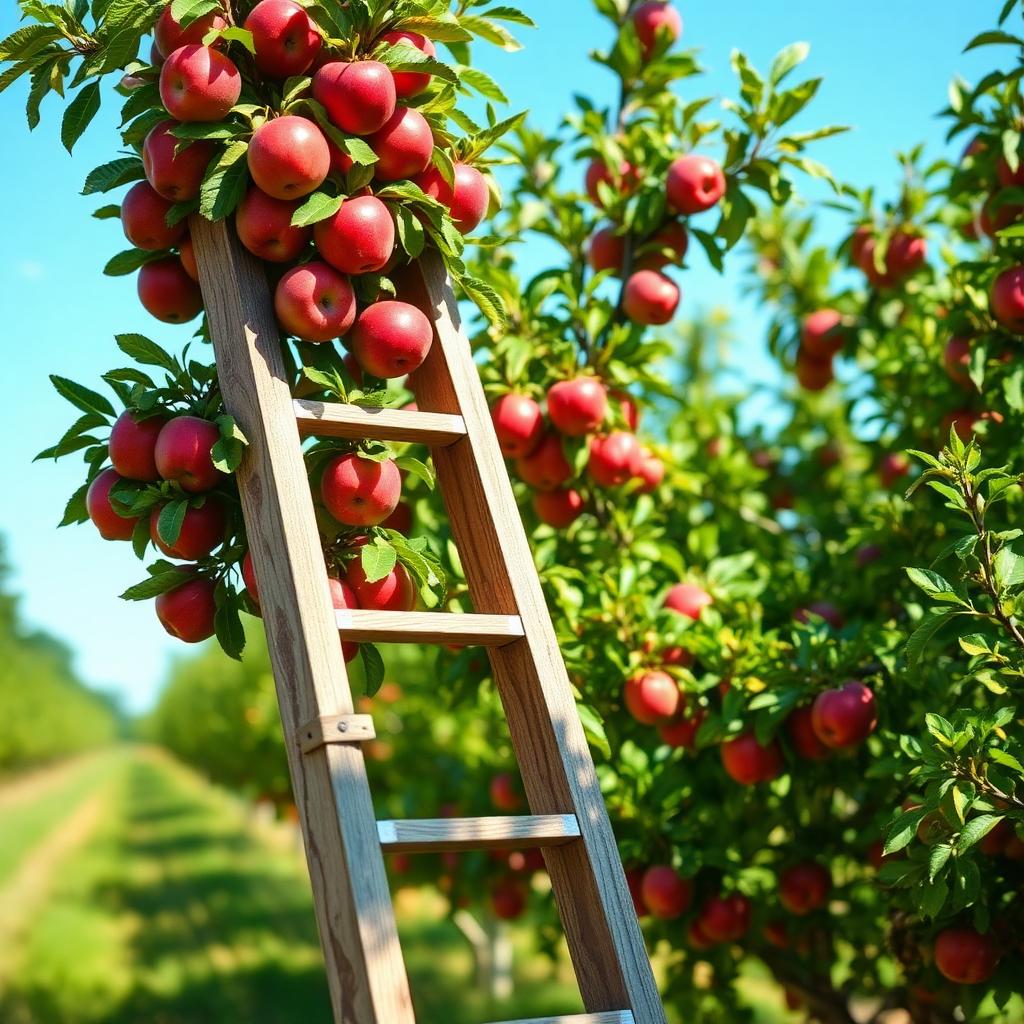
Most commercial orchards forbid outside ladders due to liability and safety concerns, and many have signs explicitly barring commercial photography setups without prior permits. Always check farm policies on their website or call ahead before bringing bulky props like vintage chairs, stepladders, or reflectors.
How can I make red apples look vibrant without oversaturating the whole image?
Instead of raising the global saturation slider in your editing software, use selective hue, saturation, and luminance controls. Target only the red and orange channels to boost their vibrancy while leaving the greens and skin tones natural and balanced.
What is the best way to handle mixed shade and sun beneath the trees?
Dappled lighting can create distracting bright spots across faces. Move your subject completely into the open aisle for uniform lighting, or tuck them entirely into the shade of a large canopy where light is consistent across their face and clothing.
Tags
Explore more on Apple Picking Finder
Find orchards near you →
See the closest U-Pick apple farms with hours, pricing, and directions.
Apple varieties guide →
50+ varieties with taste notes, ripening windows, and best uses.
Ripening calendar →
When each variety is ready to pick, month by month, across the US.
Apple recipes →
60+ tested recipes for pies, crisps, cider, butter, and more.
Keep reading

Family Orchard Adventures: Essential Apple Picking Tips with Kids
Planning an orchard trip with children? Learn practical strategies for packing gear, teaching proper picking techniques, handling crowds, and keeping kids happy from arrival to checkout.
Storing Fresh-Picked Apples: How to Keep Orchard Fruit Crisp
Brought home a bountiful orchard haul? Learn the best cellar tricks, cold storage methods, and simple preservation techniques to keep your apples crisp and flavorful all winter long.

Best Apple Recipes and Desserts: From Orchard Haul to Table
Transform your fresh-picked autumn harvest into irresistible kitchen creations. Discover the best apple recipes and desserts, from classic double-crust pies to buttery skillet crisps.