Apple Industry Outlook: Global Markets & Domestic Price Trends
The apple industry is a fascinating blend of tradition and innovation, constantly influenced by global market shifts, changing consumer preferences, and the unpredictable whims of Mother Nature. Understanding these dynamics is key for both commercial growers and the curious consumer planning their n

The apple industry, a cornerstone of American agriculture and a beloved part of autumn traditions, is a complex ecosystem influenced by a myriad of factors. From the frost on spring blossoms to the bustling global trade routes, every aspect plays a role in determining availability, quality, and ultimately, the price you pay for your favorite crisp fruit. Staying informed about these trends helps us appreciate the journey apples take from orchard to table.
This deep dive into the current state of the apple industry will explore the forces shaping domestic and international markets, highlight key price trends, and offer insights into what this means for both growers and consumers, especially those who love the tradition of picking their own.
Understanding the Economic Landscape of Apples
The economic health of the apple industry is foundational to the availability and affordability of this popular fruit. Unlike many commodities, apples have a long shelf life and can be stored for months in controlled environments, which introduces unique market dynamics. Growers constantly balance supply, demand, and storage costs, all while navigating the unpredictable nature of agricultural production.
For pick-your-own (PYO) orchards, the local economic landscape is paramount. While national and global trends set a baseline, local weather, regional demand, and the specific variety mix of an orchard significantly influence local pricing. Many small orchards aim to provide a unique experience that transcends mere commodity pricing, focusing on quality, freshness, and the joy of the harvest.
Domestic Production: A Steady Foundation
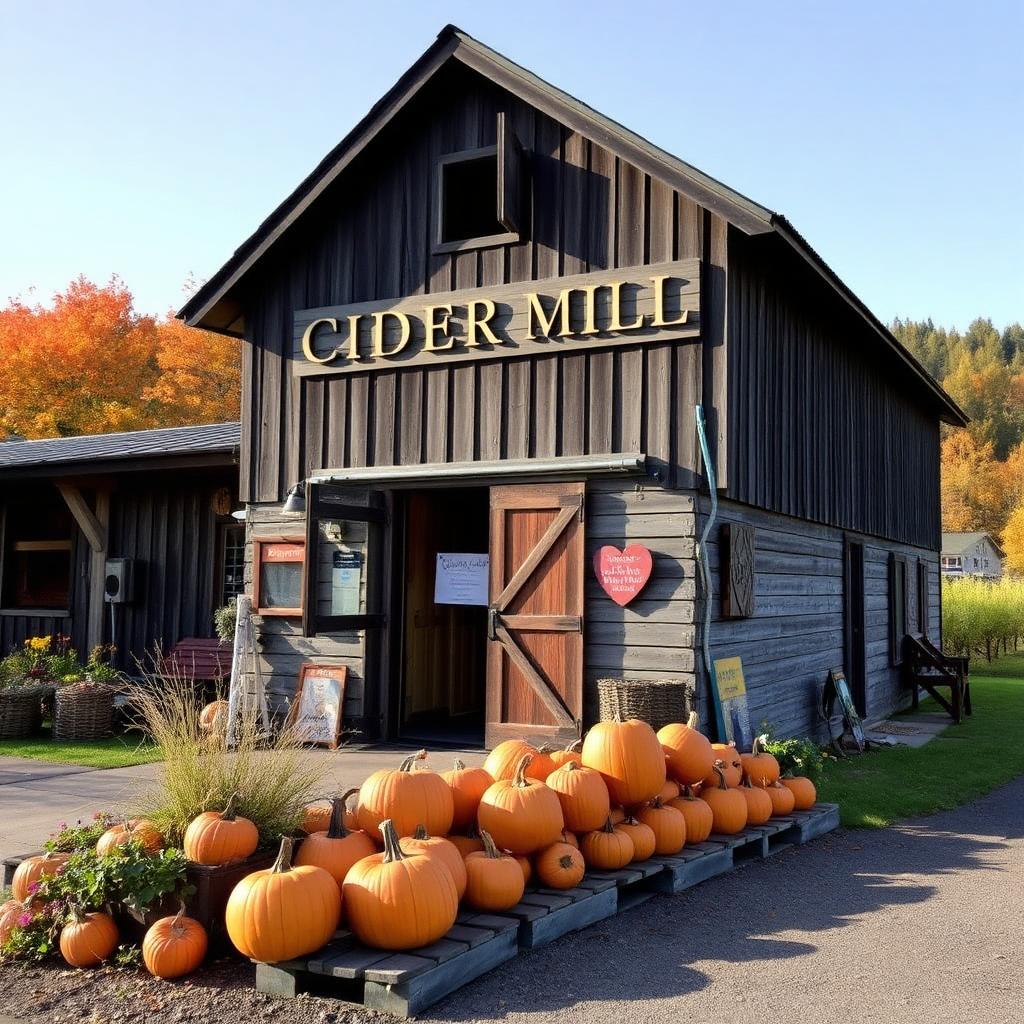
The United States remains a major player in global apple production, with Washington State leading the charge, followed by New York, Michigan, Pennsylvania, and California. Each region contributes distinct varieties and production methods to the national output. Recent years have seen varying yields across these regions, influenced by localized weather events such as late frosts, hailstorms, or prolonged droughts.
A strong domestic harvest typically provides stability to U.S. apple prices and ensures a consistent supply for consumers. This not only benefits commercial distributors but also helps set a baseline for what independent orchards can expect or charge for their own harvests.
Key Production Challenges
- Weather Volatility: Unpredictable weather patterns, including untimely frosts or excessive rain, can significantly impact crop yields and fruit quality.
- Labor Costs: The cost and availability of agricultural labor continue to be a significant concern for many growers, influencing operational expenses.
- Pest and Disease Management: Ongoing efforts to manage common apple pests and diseases require substantial investment in sustainable practices.
Global Trade and Import/Export Dynamics
The apple market is inherently global. While much of the U.S. harvest is consumed domestically, exports are crucial for many large growers, particularly those in Washington State. Conversely, imports play a role, especially during the off-season for certain varieties or to fill niche market demands. Countries like Chile, New Zealand, and South Africa are significant apple exporters to the U.S.
Changes in international trade agreements, tariffs, and exchange rates can have a ripple effect on domestic apple prices. For instance, increased competition from imported apples might put downward pressure on local prices, while export opportunities can boost profitability for U.S. growers.
Consumer Demand and Shifting Preferences
Consumer preferences are a powerful force in the apple industry. While traditional favorites like Gala, Fuji, and Honeycrisp continue to dominate, there's a growing appetite for new, distinctive varieties with unique flavor profiles and textures. This drives innovation in breeding programs and sometimes leads to premium pricing for sought-after new releases.
Another significant trend is the increasing demand for organic and sustainably grown apples. Consumers are often willing to pay a premium for products that align with their values regarding environmental impact and food safety. Many PYO orchards naturally cater to this demand, as visitors often prioritize fresh, locally sourced produce cultivated with care.
Current Price Trends: What to Expect
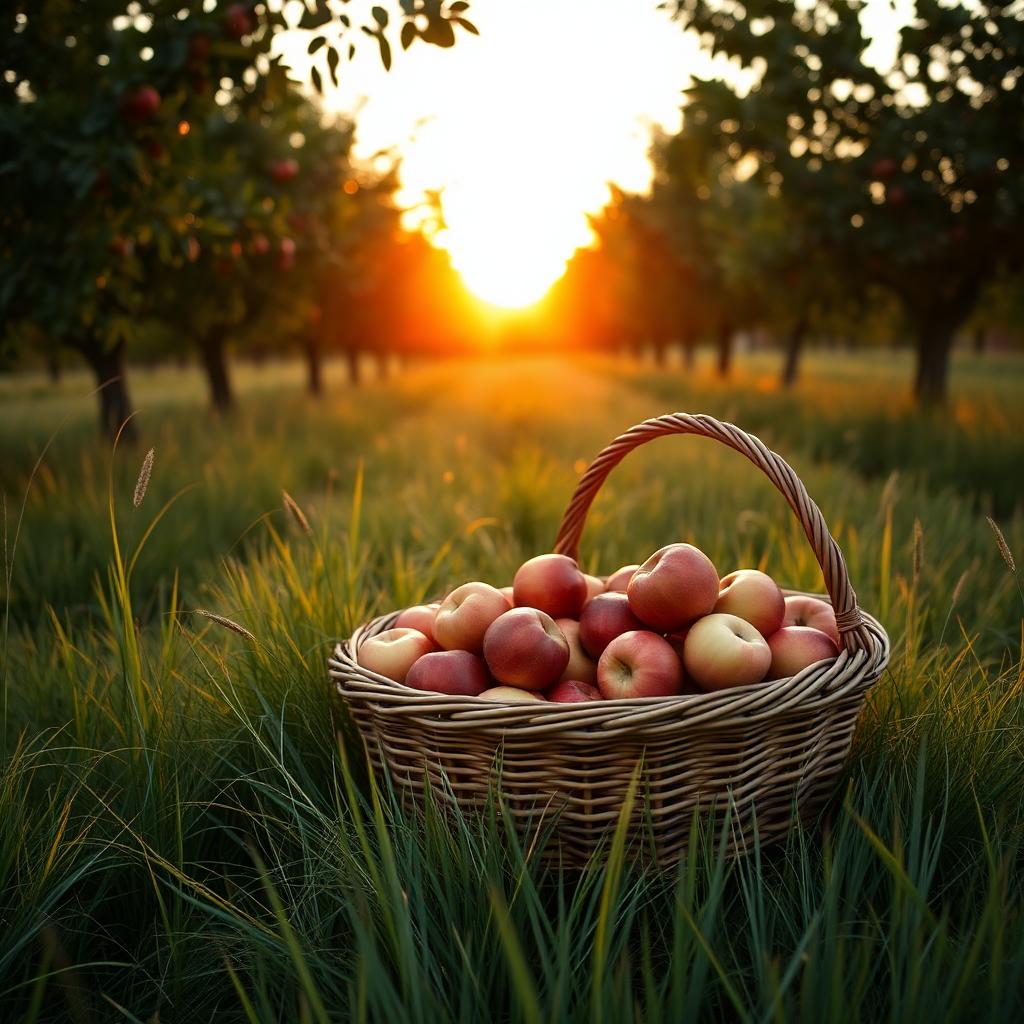
Analyzing apple price trends involves looking at multiple layers, from wholesale commodity prices to retail and, finally, the specialized pricing at pick-your-own orchards.
Wholesale Market
Wholesale apple prices are subject to seasonal fluctuations and supply-demand dynamics. A robust national harvest often leads to more competitive pricing, while a challenging growing season for major producers can drive prices upward. Storage costs also factor heavily into wholesale pricing, as apples stored longer command a higher price to offset expenses.
Retail Pricing
At the grocery store, apple prices reflect wholesale costs, transportation, packaging, and retailer markups. We've seen a general upward trend in food prices across the board in recent years, and apples are no exception. Factors like increasing fuel costs for transportation and inflation in general operating expenses for retailers contribute to these higher prices.
Pick-Your-Own Orchard Pricing
PYO orchards often price their apples per pound or per bag. While they are influenced by broader market trends, their pricing structure typically accounts for the unique value proposition they offer:
- The Experience: Visitors pay not just for the fruit but for the family outing, the fresh air, and the joy of harvesting their own produce.
- Freshness and Quality: PYO apples are often fresher than those found in supermarkets, having just been picked.
- Local Support: Many customers actively seek to support local agriculture and small businesses.
- Variety Selection: Orchards often grow heirloom or specialty varieties not readily available elsewhere, which can command higher prices.
Many orchards aim to keep their prices competitive with, or slightly above, retail premium prices to reflect the added value of the PYO experience. It's always a good idea to check an orchard's website or call ahead for their current pricing.
Technological Innovations and Sustainability Efforts
The apple industry is continually evolving with technological advancements. Precision agriculture, using drones and sensors to monitor orchard health, and advanced sorting and storage technologies are helping growers maximize yields and minimize waste. These innovations, while requiring initial investment, can lead to increased efficiency and stability in pricing over the long term.
Sustainability is also a major focus. Growers are adopting practices like integrated pest management (IPM), water conservation techniques, and organic farming to reduce their environmental footprint. These efforts not only align with consumer demand but also contribute to the long-term viability of the land and the industry.
The Future Outlook for Apple Growers and Consumers
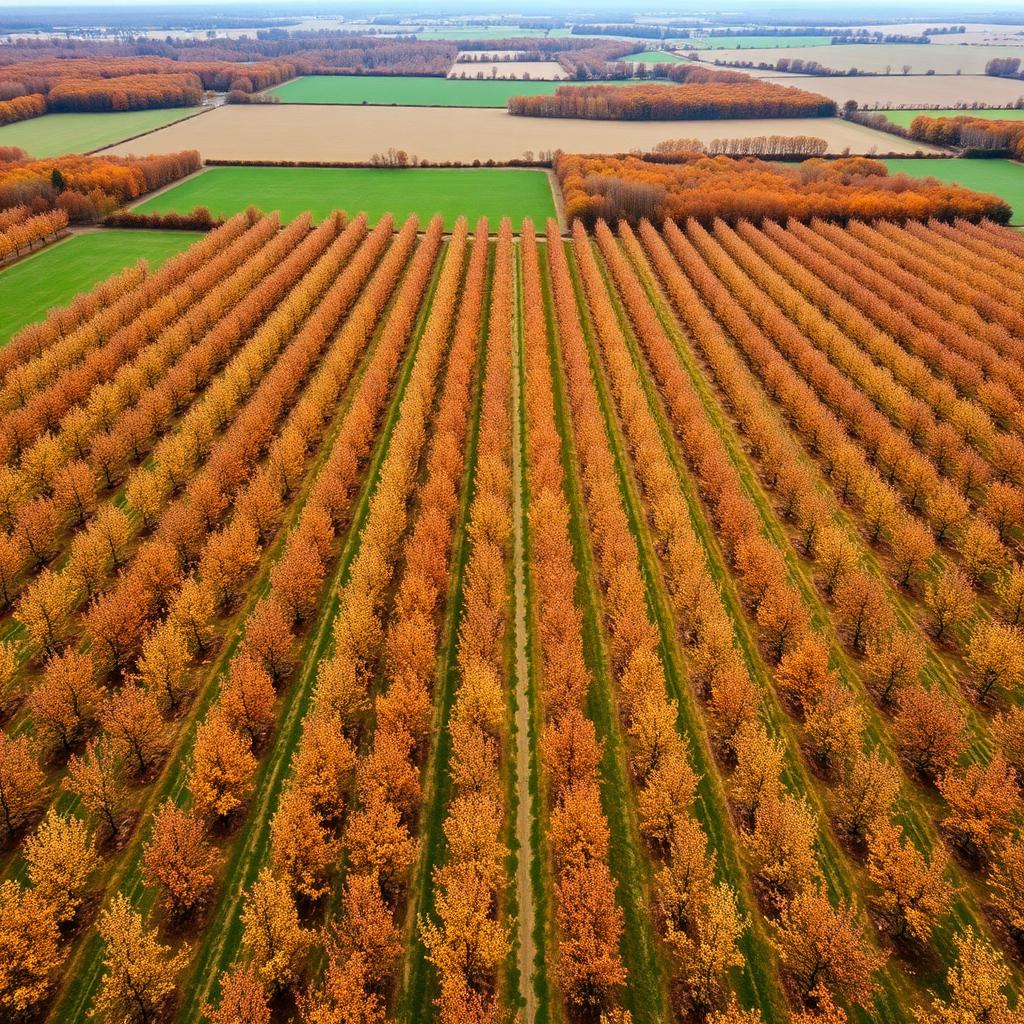
The future of the apple industry looks robust, albeit with continued challenges. Demand for high-quality, fresh apples remains strong, and innovation in varieties and growing techniques will likely continue. For consumers, this means a wider array of choices and potentially more sustainably produced options.
For independent orchards, adaptability and a focus on the unique visitor experience will be key to thriving. As long as people cherish the simple pleasure of a crisp apple, especially one they've picked themselves, the pick-your-own tradition will endure, offering a direct connection to the agricultural heartland of America.
Frequently Asked Questions
Why do apple prices change throughout the year?
Apple prices fluctuate due to several factors, including seasonal availability (freshly harvested apples are usually abundant and cheaper), storage costs for apples kept longer, and changes in supply or demand due to weather events or consumer preferences.
Are pick-your-own apples usually cheaper than grocery store apples?
Not always. While some PYO orchards might offer competitive pricing, many factor in the unique experience of picking your own, the freshness, and supporting local agriculture. Prices are often comparable to, or slightly higher than, premium grocery store apples.
How do global events impact U.S. apple prices?
Global events like trade disputes, changes in import/export tariffs, international shipping costs, and even major weather events in other apple-growing regions can affect global supply and demand, subsequently influencing U.S. wholesale and retail apple prices.
What makes certain apple varieties more expensive than others?
The price difference among varieties often comes down to breeding costs for newer or patented varieties (like Honeycrisp), specific growing requirements that might be more labor-intensive, or simply high consumer demand for a particular flavor or texture.
What role does technology play in stabilizing apple prices?
Technological advancements in precision agriculture, efficient storage, and pest management help growers increase yields, reduce waste, and improve fruit quality. These efficiencies, when scaled, can help stabilize production costs and, subsequently, market prices for apples over time.
How can I find out the current apple prices at local orchards?
The best way to determine current apple prices at local pick-your-own orchards is to check their official websites, social media pages, or call them directly before your visit. Pricing can vary based on the orchard, varieties available, and the time of the season.
Tags
Explore more on Apple Picking Finder
Find orchards near you →
See the closest U-Pick apple farms with hours, pricing, and directions.
Apple varieties guide →
50+ varieties with taste notes, ripening windows, and best uses.
Ripening calendar →
When each variety is ready to pick, month by month, across the US.
Apple recipes →
60+ tested recipes for pies, crisps, cider, butter, and more.
Keep reading
Apple Industry Shifts: Current Price Trends and Orchard Economics
Discover how shifting weather patterns, rising production inputs, and evolving consumer habits are shaping apple prices and your next pick-your-own orchard visit.
Apple Prices and Harvest Trends: What Orchard Visitors Can Expect
Wondering why apple prices fluctuate at your favorite pick-your-own orchard? We break down national harvest economics, input costs, and what consumers should expect this fall.
Apple Picking Tips for Families: Stress-Free Orchard Days
Plan the ultimate fall orchard outing with our comprehensive guide to apple picking with kids. Learn smart packing habits, harvesting tricks, and fun family field games.