Apple Picking Tips for Kids: Complete Family Orchard Field Guide
Planning an orchard adventure with little ones in tow? Here is our field-tested advice on gear, picking techniques, timing, and meltdowns to keep the day sweet for everyone.
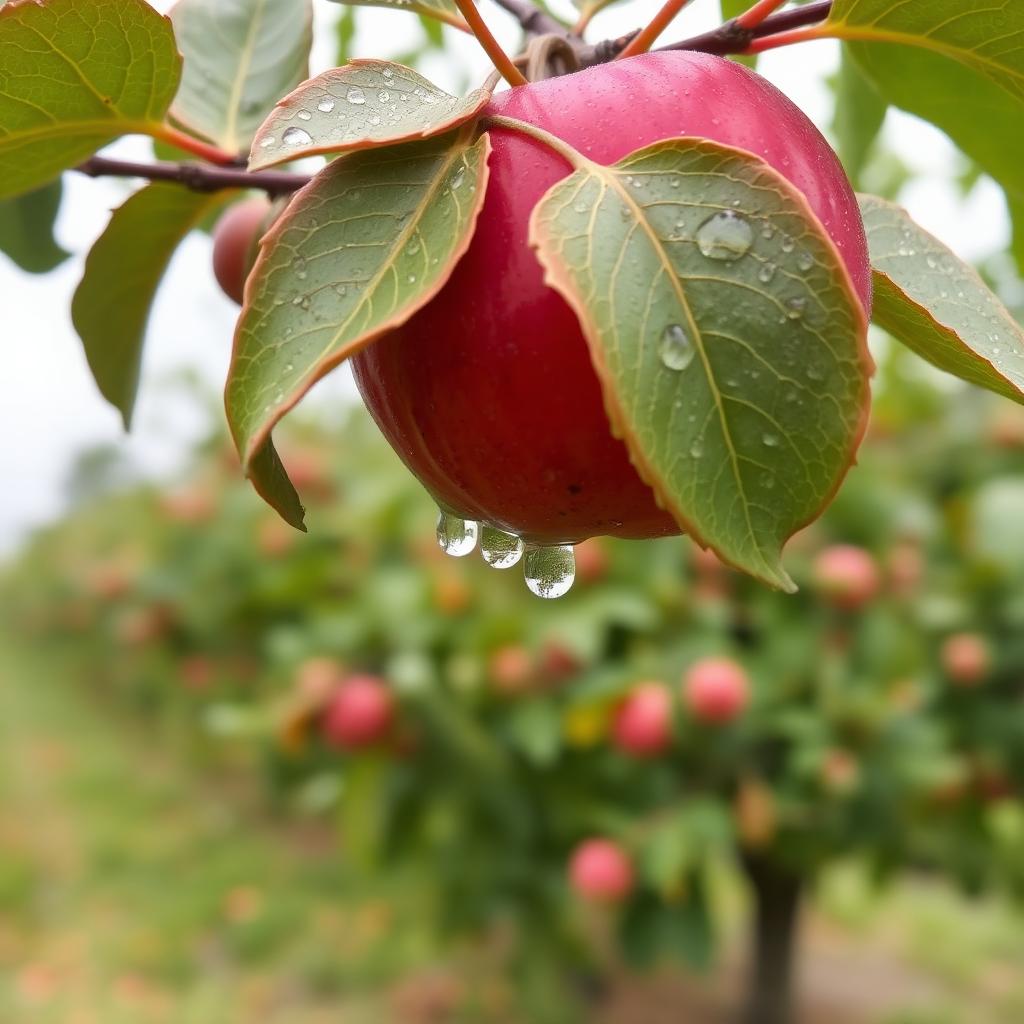
Few autumn traditions capture the imagination of childhood quite like stepping into a sun-drenched orchard to pluck crisp fruit straight from the branch. Yet anyone who has brought a toddler or young child into a pick-your-own field knows that the line between an idyllic pastoral memory and an overtired meltdown can be surprisingly thin. With thoughtful preparation, practical pacing, and the right ground rules, you can turn an ordinary harvest afternoon into one of your family's most cherished annual rituals.
Timing Your Orchard Visit for Maximum Harmony
When you are visiting an orchard with young children, timing dictates nearly everything. Most commercial pick-your-own orchards experience their peak foot traffic between eleven in the morning and two in the afternoon on weekends. During these hours, parking lots fill quickly, checkout lines lengthen, and wagon rides become crowded. For young children with limited patience and sensory thresholds, navigating these peak hours can quickly lead to exhaustion.
Plan your arrival for the orchard opening time, which is usually around nine in the morning. Arriving right as the farm gates open offers several distinct advantages. The autumn air is cool and crisp, tree rows are quiet, and branches heavy with overnight dew still hold prime low-hanging fruit. Furthermore, finishing your picking by late morning allows you to wrap up just as midday hunger and toddler nap schedules begin to collide.
If your family schedule permits flexibility, consider visiting on a Friday morning or early weekday afternoon. Many orchards welcome weekday visitors, offering a peaceful, unhurried atmosphere where your children can walk at their own pace without feeling rushed by trailing crowds.
What to Pack for a Smooth Family Field Day
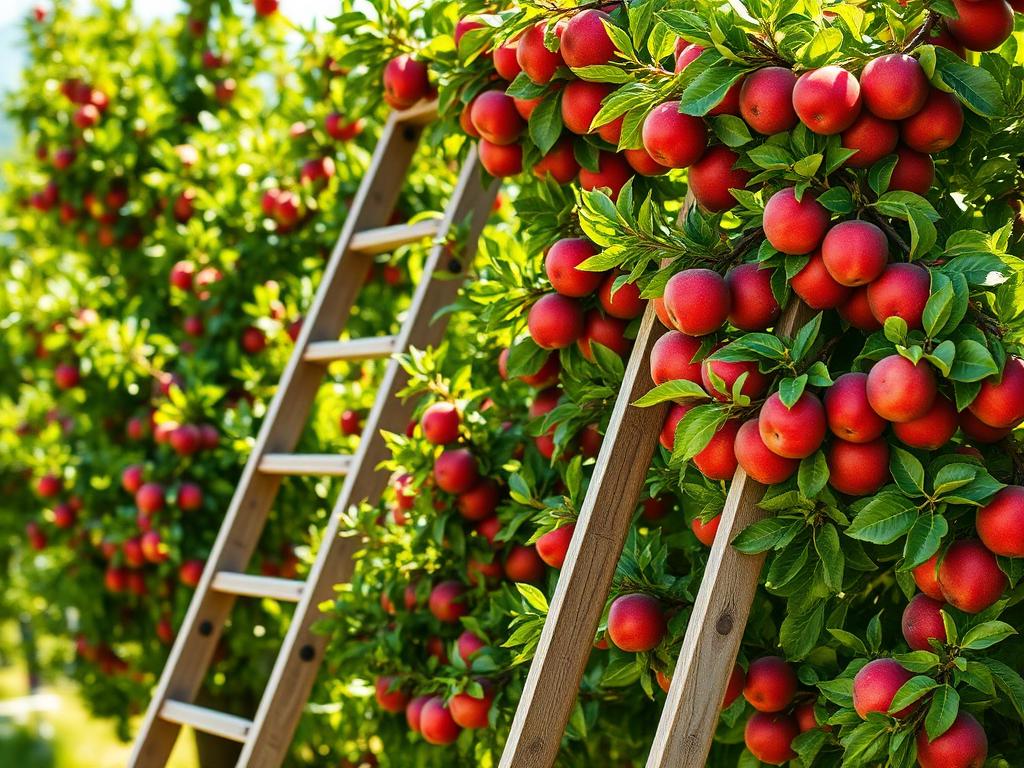
An orchard is a working farm, not a manicured city park. Dirt paths can be dusty or muddy, bee activity around fallen fruit is natural, and weather can shift quickly from brisk morning chill to warm midday sunshine. Packing strategically keeps minor discomforts from cutting your adventure short.
- Sturdy, closed-toe footwear: Morning dew makes orchard grass slick, and bee encounters are far more likely in open sandals. Fit kids in durable sneakers or waterproof rain boots.
- Layered clothing: Dressing children in light layers topped with a warm fleece or windbreaker allows easy adjustments as the day warms up.
- Wet wipes and hand sanitizer: Sticky fingers from sampling fruit and dusting off garden dirt are inevitable. Keep a full pack of wipes within easy reach.
- All-terrain wagon: Standard lightweight strollers often struggle across rough soil, ruts, and gravel lanes. A wagon with wide, pneumatic wheels carries tired children, jackets, and heavy bags of apples effortlessly.
- Hydration and quick snacks: Even if you plan to enjoy cider donuts at the farm stand, having water bottles and protein-rich snacks on hand prevents hunger-induced tantrums in the rows.
- A spare change of clothes: Kept in the car, a dry set of socks, pants, and shirts ensures that accidental puddle splashes or messy cider spills will not ruin the drive home.
Teaching the Eye to the Sky Picking Technique
Children naturally want to yank fruit downward when they spot an apple they desire. Unfortunately, pulling straight down often strips the branch, tears the fruit spur, or pulls multiple adjacent apples off the limb, causing them to fall and bruise on the ground. Taking five minutes before you enter the first row to demonstrate proper picking mechanics saves both fruit and trees.
Teach your children the simple rule known among growers as eye to the sky. Show them how to cup the bottom of the apple in the palm of their hand, lift the fruit gently upward so the stem faces the sky, and give it a slight twist. When an apple is fully ripe, its stem separates cleanly from the branch with minimal resistance.
Field Pro Tip: Always teach little hands to roll the apple upward toward the sky and twist gently. Pulling straight down tears the fruit spur, which prevents that branch from growing apples next season.
Remind children that an apple bag is for storing treasures, not dropping rocks. Encourage them to place each picked fruit gently into your bag or basket rather than dropping it from chest height. Apples bruise easily under thin skin, and bruised fruit will spoil much faster once you return home.
Navigating Tree Sizes and Child-Friendly Varieties
Modern commercial orchards look very different from the towering trees of decades past. Many family farms now cultivate high-density dwarf or semi-dwarf plantings supported by wire trellis systems. These trees generally top out at eight to ten feet tall, making them ideal for young pickers. Dwarf rows feature abundant fruit hanging at waist and chest level for toddlers and elementary-aged kids, eliminating the dangerous impulse to climb trunks or shake limbs.
When choosing which rows to explore, consider matching apple varieties to your children's palate preferences:
- Gala: Mildly sweet, crisp, and thin-skinned, making it very easy for small teeth to bite directly into.
- Honeycrisp: Universally loved for its juicy, honey-sweet crunch, though it requires gentle handling due to delicate skin.
- Fuji: Extremely sweet and firm, holding up well in warm wagon rides without rapid bruising.
- Cortland: A tender, sweet-tart variety with bright white flesh that resists browning quickly, perfect for after-picking picnic slices.
- Golden Delicious: Soft, rich sweetness with thin skin that toddler palates tend to welcome.
Consult the orchard harvest board before walking out. Growers mark which rows are at peak ripeness on any given weekend, saving your family from trekking through picked-over sections.
Setting Clear Boundaries and Farm Safety Rules
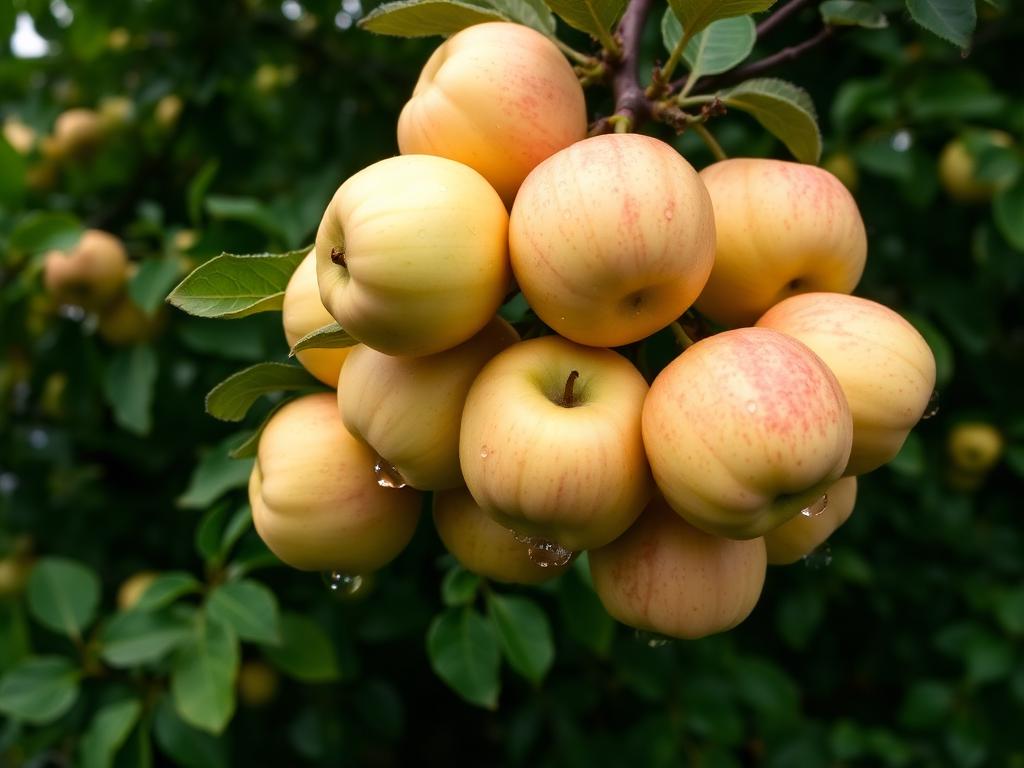
Before leaving the car, establish three clear ground rules. Orchards are fascinating environments filled with tractors, honeybees, ladders, and uneven terrain. Setting expectations early keeps everyone safe and respectful of the grower's land.
First, institute a strict tree-climbing ban. Orchard branches are trained for fruit production rather than climbing, and brittle wood can snap under a child's weight, risking injury to both child and tree. Ladders left in rows are intended exclusively for farm staff unless an orchard explicitly permits adult use; children should never climb orchard ladders under any circumstances.
Second, explain the rule about ground fruit. Children are naturally drawn to apples lying scattered on the grass. Explain that once an apple falls to the ground, it belongs to nature and the farm soil. Fallen fruit can attract yellowjackets, collect ground bacteria, or harbor rot. Direct their attention up into the canopy where the cleanest, sweetest fruit awaits.
Third, talk about staying within designated picking rows. Orchards frequently rotate blocks, keeping unripened fruit or delicate test varieties closed to the public. Remind kids to look for row flags or painted stakes that designate open areas.
Keeping Energy High and Pacing Your Day
It is easy for adults to get carried away by the sheer abundance of an orchard, envisioning endless pies, crisps, and sauces. Children, however, tend to experience peak enthusiasm during the first fifteen to twenty minutes of picking. Once they have personally selected five or six prized apples, their attention naturally wanders to watching bugs, collecting fallen leaves, or asking about snacks.
Accepting this reality makes the trip far more enjoyable. Instead of aiming for three giant half-bushel bags, opt for a single peck bag that children can fill cooperatively without feeling like picking has become a chore. When little legs begin to drag, pivot immediately toward leisurely exploration.
Pause along the headlands to observe wild pollinators at work. Many family orchards offer farm animals, sunflower patches, or simple hay-bale mazes. Treating these activities as relaxing rewards rather than a frantic checklist guarantees that your children leave with warm feelings about farm life rather than memories of forced marches through endless rows.
Bringing the Harvest Home: Continuing the Experience
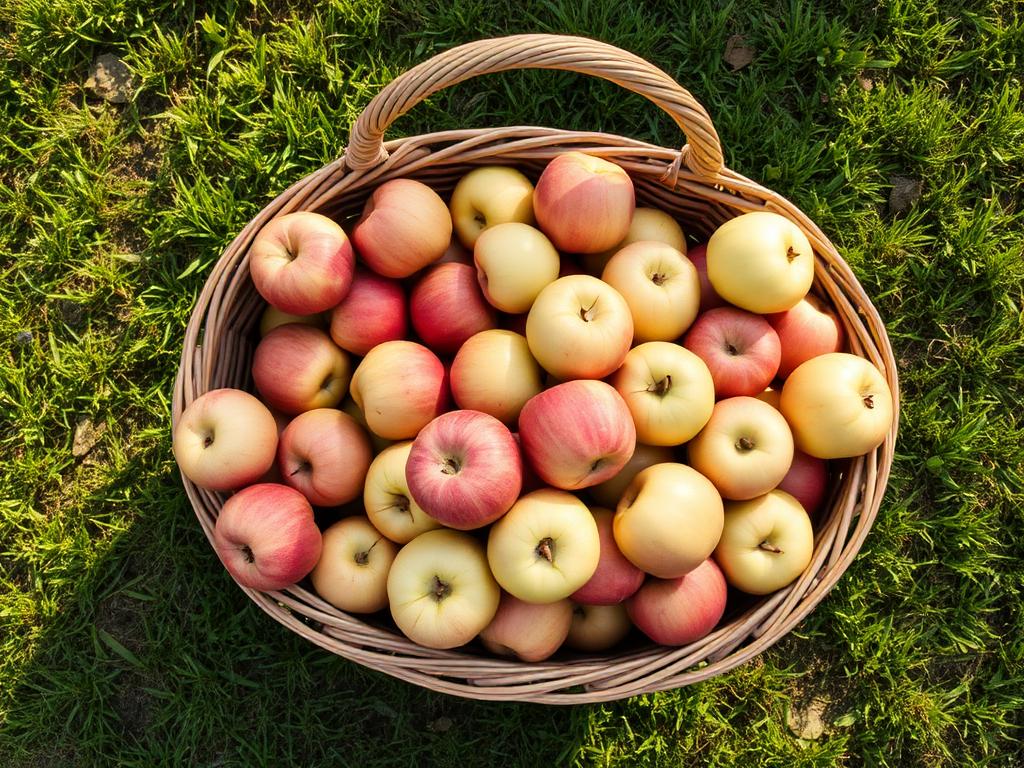
The adventure does not conclude when you buckle seatbelts for the ride home. Maintaining the sense of discovery into the evening anchors the outing as a true family tradition. Once home, involve your kids in inspecting and sorting your harvest.
Set out towels on the kitchen counter and let little hands divide the apples into categories: flawless specimens saved for fresh school lunchbox snacks, slightly bruised ones designated for immediate applesauce making, and giant apples earmarked for a family baking project. Simple tasks like scrubbing fruit in a basin of cool water, turning the crank on an apple peeler, or measuring cinnamon for a slow-cooker compote give children enormous pride in enjoying the food they gathered with their own hands.
Frequently Asked Questions
How do I prevent my child from dropping and bruising apples?
Give young children their own small canvas tote or a padded basket rather than letting them carry large plastic bags that swing against knees. Teach them to support the bottom of the fruit with both hands when carrying it from the branch to the basket, and place thick kitchen towels at the bottom of collection baskets to cushion the landing.
Are strollers practical in pick-your-own apple orchards?
Standard umbrella strollers with small plastic wheels perform poorly in orchard terrain, often sinking into soft topsoil, catching on fallen branches, or jarring across tractor ruts. If you need wheels for a baby or toddler, choose a heavy-duty jogging stroller with large air-filled tires, or bring a rugged folding utility wagon.
Can children eat apples right off the tree while picking?
While many farm families grew up sampling directly from branches, modern food safety recommendations advise washing all fresh produce thoroughly before consumption to remove dust, natural residues, and wildlife exposure. Check individual orchard policy as well, as some farms require all fruit to be weighed and purchased before snacking.
What should children wear for an orchard trip?
Dress children in comfortable, breathable layers that you do not mind getting dirty. Bright colors like orange, red, or royal blue make children easy to spot between long, dense tree rows. Always choose closed-toe shoes with good grip to prevent slips on damp grass and protect against hidden bee encounters near ground level.
How long should a typical family apple picking outing last?
For families with toddlers and preschoolers, ninety minutes to two hours is typically the sweet spot. This provides ample time for walking out to the rows, picking a peck of fruit, taking a leisurely break for fresh cider and a snack, and browsing the farm stand before fatigue sets in.
Tags
Explore more on Apple Picking Finder
Find orchards near you →
See the closest U-Pick apple farms with hours, pricing, and directions.
Apple varieties guide →
50+ varieties with taste notes, ripening windows, and best uses.
Ripening calendar →
When each variety is ready to pick, month by month, across the US.
Apple recipes →
60+ tested recipes for pies, crisps, cider, butter, and more.
Keep reading
Orchard Wedding Planning: Host Unforgettable Autumn Celebrations
Planning an orchard wedding or private harvest event? From rustic barn receptions to golden hour vows among apple trees, discover everything you need for an unforgettable autumn gathering.

Apple Industry Shifts: Current Price Trends and Orchard Economics
Discover how shifting weather patterns, rising production inputs, and evolving consumer habits are shaping apple prices and your next pick-your-own orchard visit.
Apple Prices and Harvest Trends: What Orchard Visitors Can Expect
Wondering why apple prices fluctuate at your favorite pick-your-own orchard? We break down national harvest economics, input costs, and what consumers should expect this fall.