Apple Orchard Photography Tips: Capture Stunning Fall Harvest Photos
Master apple orchard photography with our field-tested guide. Discover lighting secrets, wardrobe ideas, composition techniques, and camera settings for gorgeous autumn portraits.

Few autumn traditions offer the visual charm of an afternoon spent walking through sunlit apple trees loaded with ruby and gold fruit. Creating memorable, professional-quality images in an orchard requires more than simply pointing your camera at a loaded bough and hoping for the best. With a bit of intentional planning around lighting, composition, and farm etiquette, you can transform simple family snapshots into striking seasonal keepsakes.
Mastering Natural Light Among the Trees
Light is the single most defining element of outdoor portraiture, and an apple orchard presents a distinct blend of open sky and dense leafy canopy. Many photographers make the mistake of scheduling sessions at high noon on clear days, which casts harsh, dark shadows beneath eyes and noses while blowing out the highlights on reflective apple skins.
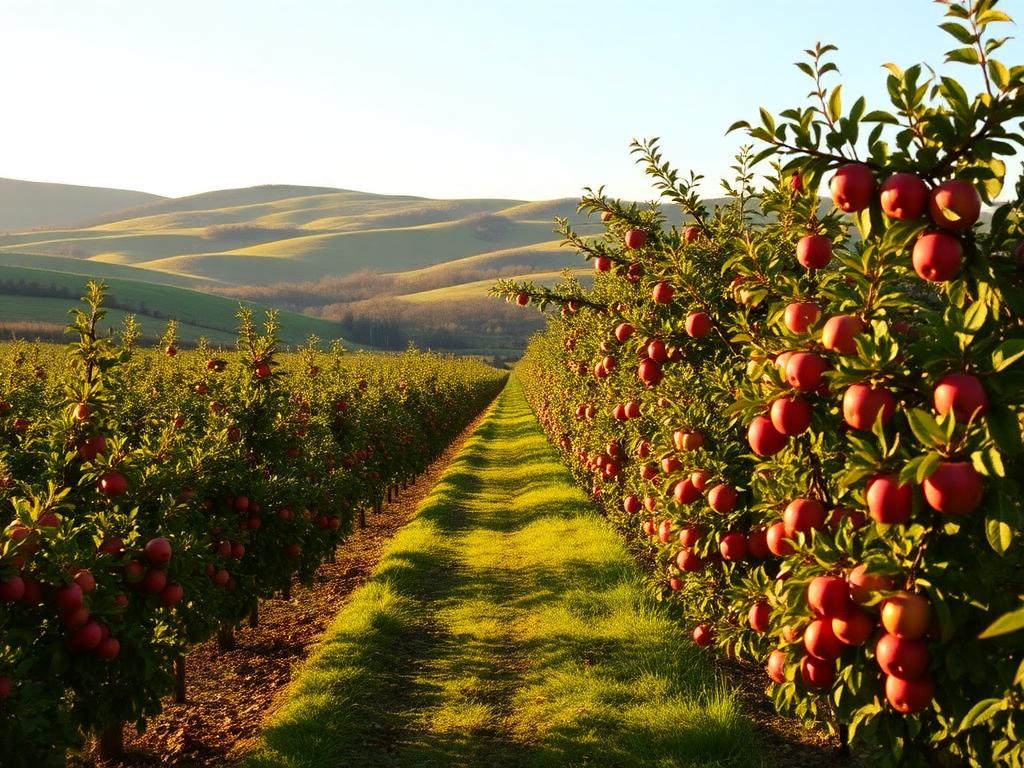
Early morning and late afternoon, often called the golden hours, yield the most flattering natural illumination. When the sun sits low in the sky, warm light filters sideways through the branches, creating a soft glow that accentuates warm autumnal skin tones. Backlighting your subjects during golden hour turns the orchard into a luminous backdrop, producing glowing rims around hair and leaves.
If you must shoot during midday, seek out rows with mature, bushy canopies that cast clean, even shade onto the ground. Position your subjects just at the edge of the shade, facing out toward the open sky, which acts like a giant softbox that fills in facial shadows without causing subjects to squint.
Wardrobe Styling for Fall Orchard Backdrops
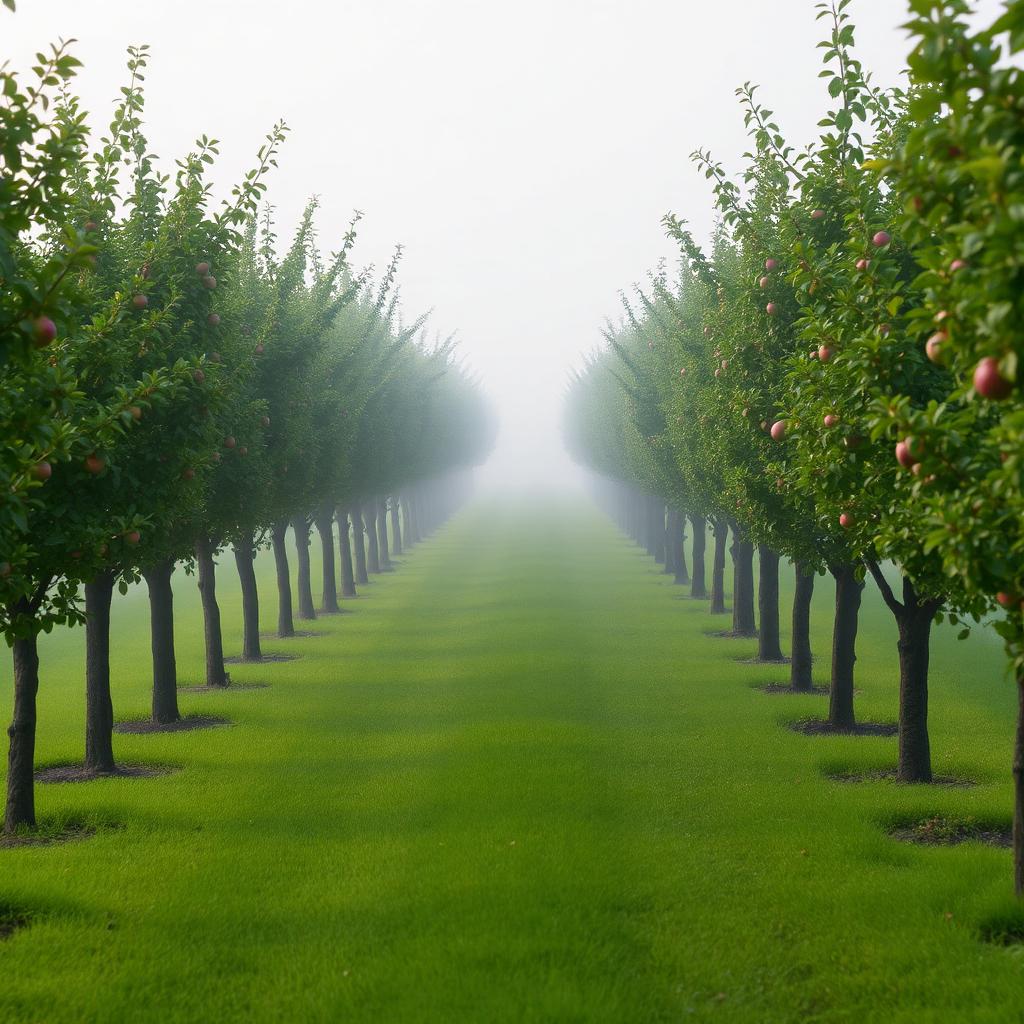
What your subjects wear can either harmonize beautifully with the orchard environment or clash loudly against the natural foliage. The primary colors of an orchard in harvest season are deep greens, earthy bark browns, bright reds, and golden yellows. Your wardrobe choices should complement these tones rather than compete with them.
Warm neutrals and jewel tones work best. Consider rich navy, mustard yellow, burnt orange, cream, oatmeal, and deep forest green. These shades echo the harvest season and let the bright red apples pop naturally in the frame without distracting the viewer.
- Embrace tactile textures: Chunky knit sweaters, corduroy overalls, flannel layers, and waxed canvas jackets add depth and tactile warmth to your images.
- Avoid neon colors: Bright synthetic colors like hot pink or electric blue reflect unnatural color casts onto skin and pull attention away from faces.
- Minimize loud patterns: Subtle plaids or houndstooth patterns look classic, but oversized logos and busy graphic prints distract from the rustic scenery.
- Choose practical footwear: Leather boots, work boots, or clean canvas shoes suit the terrain while keeping feet comfortable in damp grass and uneven soil.
Composition Techniques for Symmetrical Tree Rows
Orchards are living grids, offering exceptional opportunities for geometric, leading-line compositions. Planting rows create natural tunnels that guide the viewer’s eye directly toward your subject, whether you are photographing children running down the center aisle or a quiet couple sharing a quiet moment under the branches.
Position your subject at the center or along the rule-of-thirds intersection of an aisle, then step back and use a longer focal length to compress the perspective. This compression makes the trees appear closer together, exaggerating the lushness of the canopy behind your subject. To make the scene feel more immersive, shoot through the foreground by placing your lens right next to a cluster of hanging apples, blurring them out to frame your subject softly.
Pro Tip: Get low to the ground when photographing children in the orchard. Shooting from knee height makes the apple trees feel grand and towering while keeping little faces engaged directly with the lens.
Posing Prompts for Candid and Natural Moments
Stiff, formal poses often feel unnatural against the rustic, informal backdrop of a working farm. Instead of directing your subjects to stand still and smile directly at the camera, give them tactile tasks that encourage authentic motion and genuine expressions.
Ask children to search for the biggest, reddest apple on a low branch, or have family members pass a wooden basket back and forth. You can prompt a couple to inspect an apple together, share an apple cider donut, or stroll slowly down an aisle away from the camera while looking back over their shoulders. These activity-based prompts keep hands busy and eliminate the awkwardness that often accompanies posed portraits.
Remember to capture the small in-between moments as well. A child struggling to lift a heavy peck basket, someone wiping orchard dust on their jeans, or laughing over a dropped piece of fruit often tells a far richer story than a traditional portrait ever could.
Camera Settings and Gear for Outdoor Harvest Portraits
While modern smartphones are capable of capturing excellent portraits, dedicated cameras with interchangeable lenses give you complete creative control over depth of field and color rendition in challenging outdoor environments.
Choosing the Right Lens
A prime lens with a focal length between 50mm and 85mm is ideal for orchard portraiture. These focal lengths flatter facial proportions and allow for wide apertures like f/1.8 or f/2.8, which melt the busy background of twigs, leaves, and other pickers into a creamy, pleasing blur. If you prefer flexibility, a 24-70mm or 70-200mm zoom lens allows you to switch quickly between wide environmental scenes and tight, intimate portraits.
Dialing in Exposure Settings
Keep your shutter speed reasonably fast, ideally 1/250s or higher, especially when working with children or pets who move unpredictably. Set your aperture relatively wide to isolate your subject from distracting background branches, but remember to stop down slightly to around f/4 if you are capturing group shots where multiple people stand on slightly different planes of focus. Keep your ISO as low as possible to retain rich shadow detail in the foliage.
Creative Close-Ups and Detail Shots
A complete photo collection tells a broad narrative, which means you should look beyond full-length portraits and capture the sensory details that define an autumn visit to the orchard. Texture, color, and atmosphere exist in every corner of the farm.
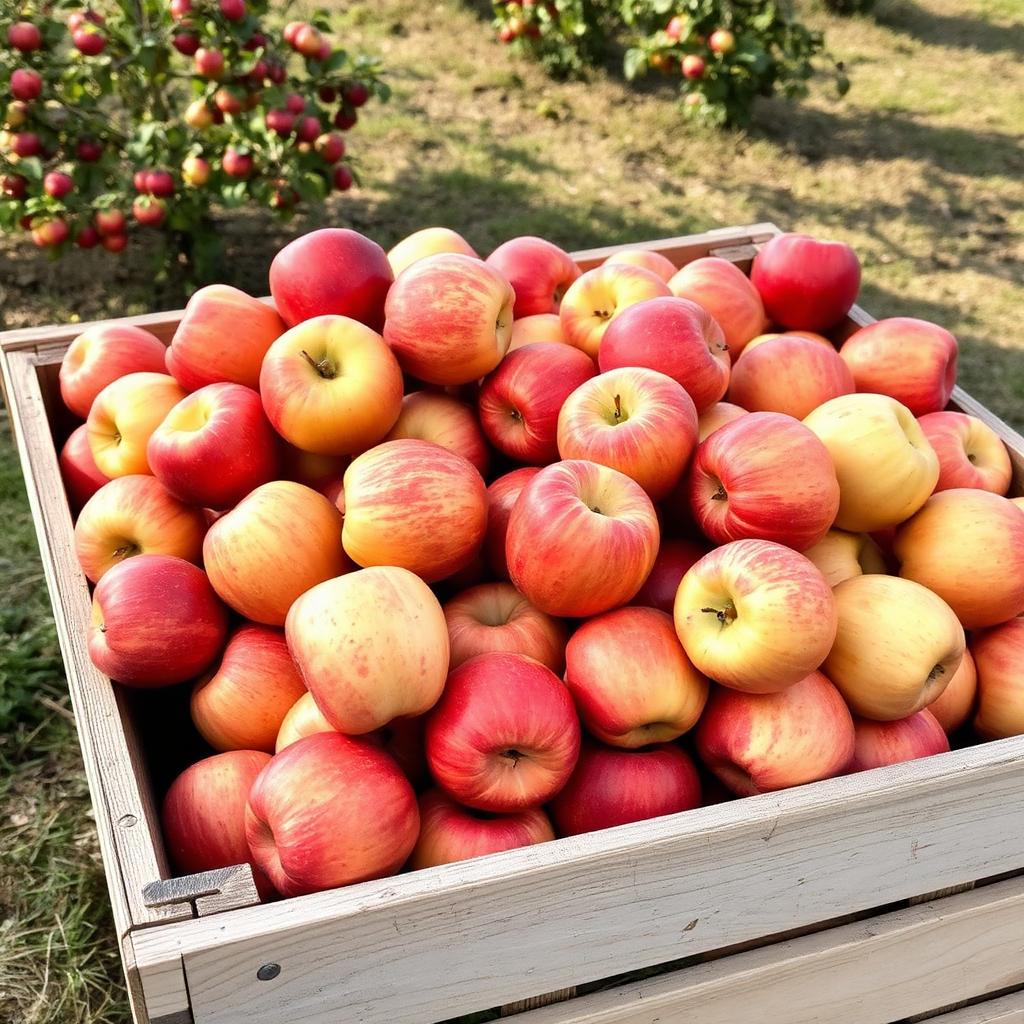
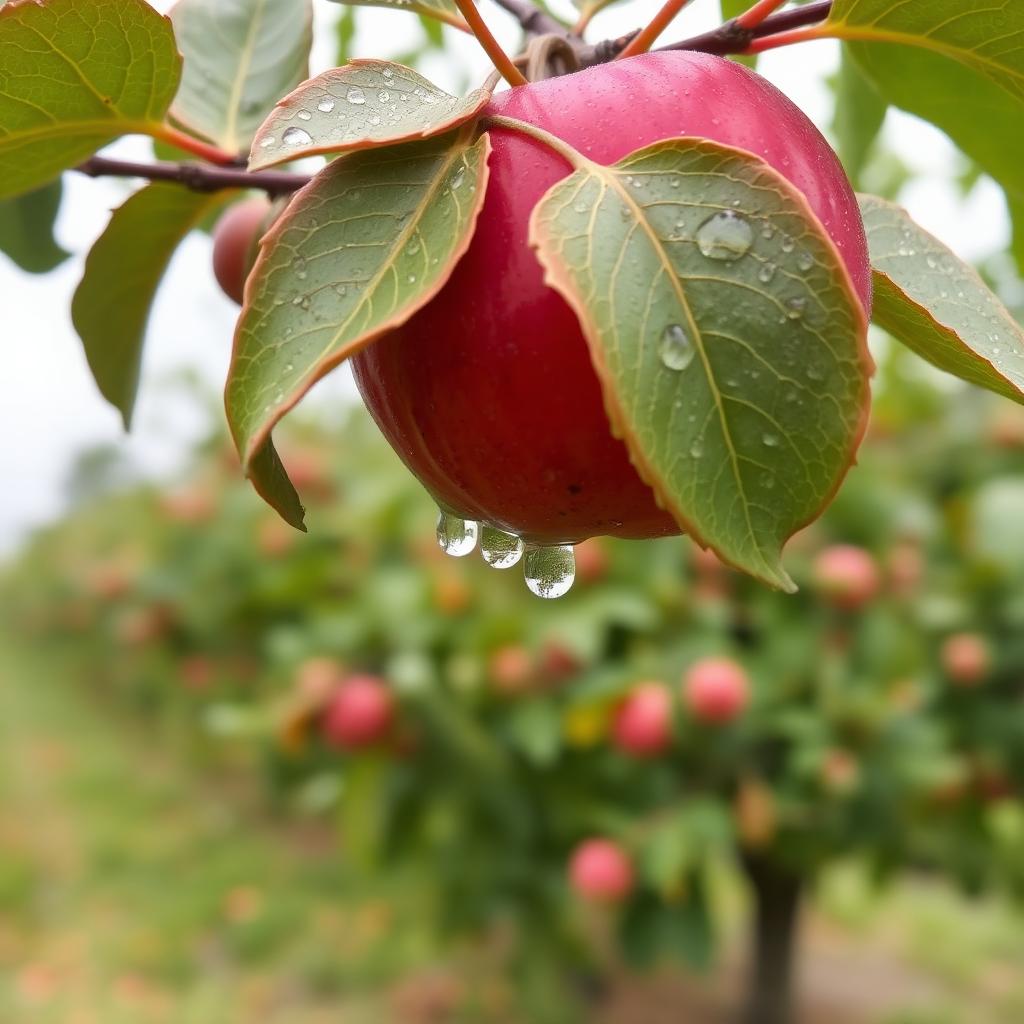
Look for close-up opportunities that showcase the harvest in quiet ways. Focus closely on water droplets resting on waxy apple skins after a morning mist, the weathered wood grain of an antique picking ladder propped against a trunk, or freshly filled bushel baskets overflowing with diverse heirloom varieties. Capturing these vignettes gives your overall photo album a documentary feel, anchoring your portraits in a distinct sense of place.
Navigating Orchard Etiquette While Photographing
Pick-your-own farms are working agricultural operations that welcome the public, and preserving good relations between visitors and growers is essential. Always check the orchard’s policy on photography before planning an extensive shoot, as many farms require professional photographers to obtain a permit or reserve time outside of peak customer hours.
Treat the trees with care throughout your visit. Never pull, bend, or climb branches to arrange a shot, as fruit wood takes years to grow and snaps easily under pressure. If an apple drops to the ground during your session, place it in your basket and pay for it at checkout rather than leaving it to rot in the grass. Stay clear of working farm equipment like tractors and sprayers, and ensure your photo gear does not block access for other visitors trying to enjoy their picking day.
Frequently Asked Questions
What should I wear for family photos at an apple orchard?
Choose warm, rich neutrals like cream, oatmeal, navy, mustard yellow, and forest green. Textured garments like wool sweaters, corduroy, and denim look wonderful against the natural greenery, while bright neon colors and overly busy graphic prints should be avoided.
What is the best time of day to take orchard pictures?
The best time is during golden hour, which occurs within the first two hours after sunrise or the two hours before sunset. The low sun creates warm, soft illumination that prevents harsh facial shadows and lends a golden glow to the orchard foliage.
Can I take professional photos at any pick-your-own farm?
Every farm sets its own photography policies. Casual family photos on a phone or personal camera are almost universally welcomed, but professional sessions involving client fees, lighting gear, or extensive props often require advanced permission or a small site fee.
How can I make my smartphone photos look better in an orchard?
Switch your phone to Portrait Mode to separate your subject from the busy foliage, tap your subject’s face on the screen to lock focus and exposure, and turn your back to the sun so your subject is lit by soft, even ambient light rather than harsh direct glare.
What lens is best for orchard portrait photography?
An 85mm prime lens is a favorite among portrait photographers for orchards because it offers beautiful background compression and creamy bokeh. A standard 50mm prime or a versatile 24-70mm zoom lens also provides outstanding results for environmental portraits.
Tags
Explore more on Apple Picking Finder
Find orchards near you →
See the closest U-Pick apple farms with hours, pricing, and directions.
Apple varieties guide →
50+ varieties with taste notes, ripening windows, and best uses.
Ripening calendar →
When each variety is ready to pick, month by month, across the US.
Apple recipes →
60+ tested recipes for pies, crisps, cider, butter, and more.
Keep reading
Apple Cider Donuts and Autumn Sweets: The Ultimate Orchard Guide
Step inside the farm bakery to uncover the craft behind warm apple cider donuts, hand-dipped caramel apples, fresh fruit pies, and the finest harvest treats across American orchards.
Apple Picking Tips for Kids: Complete Family Orchard Field Guide
Planning an orchard adventure with little ones in tow? Here is our field-tested advice on gear, picking techniques, timing, and meltdowns to keep the day sweet for everyone.
Orchard Wedding Planning: Host Unforgettable Autumn Celebrations
Planning an orchard wedding or private harvest event? From rustic barn receptions to golden hour vows among apple trees, discover everything you need for an unforgettable autumn gathering.