Apple Cider Donuts and Autumn Sweets: The Ultimate Orchard Guide
Step inside the farm bakery to uncover the craft behind warm apple cider donuts, hand-dipped caramel apples, fresh fruit pies, and the finest harvest treats across American orchards.
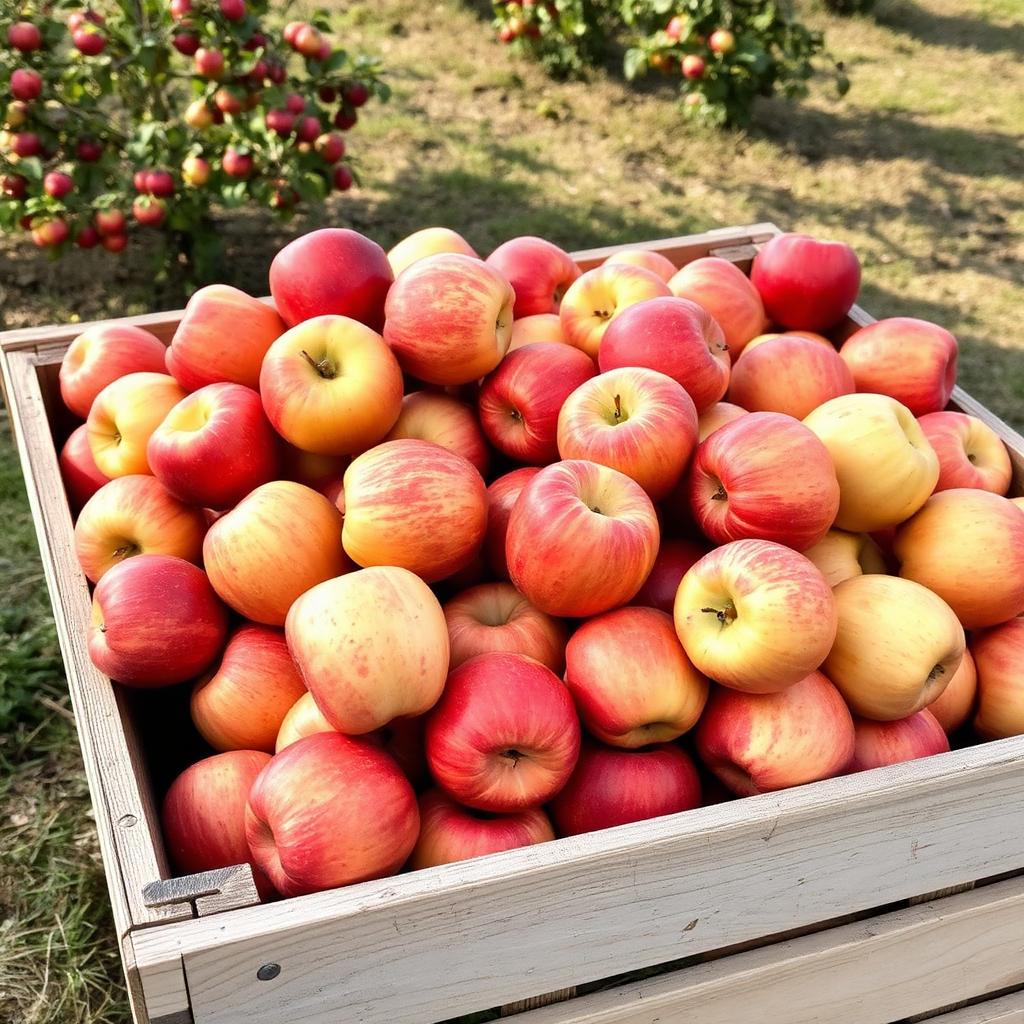
There is a distinct perfume that welcomes visitors to an autumn orchard long before they set foot among the fruit-laden trees. It is the intoxicating aroma of boiling spiced cider, hot oil, and deep-fried dough drifting on the brisk autumn breeze from the farm bakery window. While plucking crisp fruit straight from the branch remains the traditional centerpiece of the day, for countless travelers, the true seasonal pilgrimage begins and ends at the bakery counter with a warm, cinnamon-dusted treat in hand.
The Irresistible Magic of the Apple Cider Donut
Few regional confections command the fierce loyalty that surrounds the classic apple cider donut. Originally popularized in the rural pockets of New England and upstate New York, this quintessential autumn pastry has become a staple at pick-your-own destinations nationwide. What began as a resourceful way for farm families to utilize surplus pressed cider during harvest time has blossomed into an essential American culinary tradition.
Unlike ordinary supermarket donuts, an authentic cider donut is fundamentally tied to the land and the season. Orchards press their own cider from windfall apples and field blends, boiling the amber liquid down into a concentrated, tangy syrup that infuses the batter with genuine orchard character. When you take a bite of a freshly made specimen while standing in the farmyard, you are tasting the direct essence of that farm harvest, captured through sugar, spice, and heat.
The Anatomy of a Perfect Cider Donut
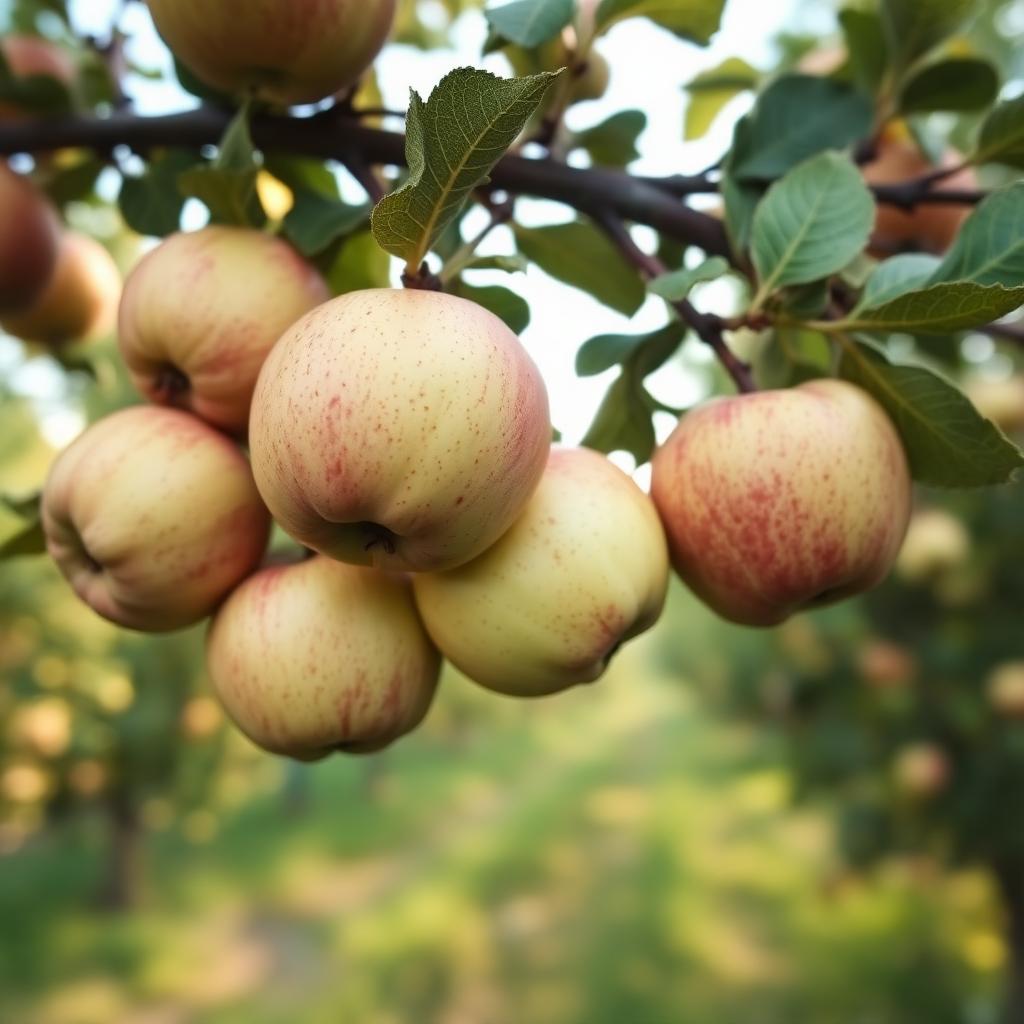
Not all donuts are created equal, and orchard visitors quickly learn that the craft of frying dough requires precision, passion, and time-tested recipes. Connoisseurs look for a delicate balance between structural integrity and melt-in-your-mouth tenderness.
The foundation rests on whether the bakery uses a cake or yeast base. While yeast donuts have their place in casual breakfast shops, traditional cider donuts are almost exclusively cake donuts. A heavy, dense batter allows the donut to absorb the apple concentrate without becoming soggy, yielding a finished product with specific physical markers:
- The Crust: A properly calibrated fryer produces an exterior that is crisp, golden, and slightly crackled, providing an audible crunch when bitten into.
- The Crumb: The interior should be moist, fine-grained, and steaming hot, displaying a rich tan hue derived from cinnamon, nutmeg, allspice, and reduced apple cider.
- The Coating: Tossed immediately from the hot grease into a waiting tray of cinnamon sugar, the residual oil melts the fine crystals just enough to form an even, shimmering jacket that clings to the ridges.
- The Flavor Profile: A master-level donut balances sweet spices with a noticeable, lip-smacking acidity from the reduced malic acid present in fresh cider.
Pro tip from the bakery floor: Never seal a bag of piping-hot cider donuts. Trapped steam will soften the crunchy exterior within minutes, turning that glorious crisp crust into a spongy coating. Leave the paper bag open until you reach your car or picnic bench.
Caramel Apples: The Golden Standard of Orchard Confections
Next to the fryer line, the confectionary kettle is often the brightest spot in the farm market. Dipping fresh apples into bubbling copper pots of rich caramel is both performance art and culinary mastery. For generations, visitors have watched wide-eyed through glass partitions as farm staff twirl thick wooden sticks through velvety golden syrup.
The secret to a transcendent caramel apple begins with the variety of fruit selected. Experienced orchard cooks bypass sweet snacking apples like Red Delicious in favor of firm, tart cultivars such as Granny Smith, Northern Spy, or Ida Red. The sharp acidity of these varieties cuts cleanly through the intense buttery sweetness of cooked sugar, while their dense cell structure withstands the brief shock of the hot dip without softening.
Modern farm markets have transformed this vintage favorite into an elaborate gourmet canvas. Beyond the classic smooth caramel dip, you will frequently find rows of hand-decorated treats encrusted with toasted pecans, crushed peanuts, flaky sea salt, dark chocolate drizzles, and crushed graham crackers. The contrast between crunchy nuts, yielding caramel, and snappy, chilled fruit creates a sensory experience unmatched by packaged store-bought versions.
Sipping the Harvest: Cold Jugs, Mulled Cider, and Frozen Slushies
No discussion of orchard gastronomy is complete without paying homage to fresh-pressed sweet cider itself. Real orchard cider is raw, cloudy, and unfiltered, capturing all the suspended fruit solids, natural tannins, and living sugars that clear commercial apple juice strips away through filtration and chemical processing.
As you stroll the farm grounds, you will encounter cider presented in three distinct formats, each tailored to different points of the picking season:
- The Classic Cold Jug: Served chilled in plastic cups or sold by the gallon, this represents the pure, unaltered juice of early-season and mid-season apple blends. It is revitalizing, incredibly refreshing, and packed with sweet-tart notes.
- Mulled Hot Cider: When late October brings frosty mornings and biting winds, farm stands simmer massive stainless kettles of cider with cinnamon sticks, whole cloves, star anise, and orange peel. Holding a steaming paper cup between gloved hands provides both warmth and deep comfort.
- The Cider Slushie: A relatively recent innovation that has taken orchards by storm, cider slushies spin sweet cider in commercial freezing machines until it forms a thick, frosty crystal slurry. On unseasonably warm early September picking afternoons, there is no greater thirst quencher on the farm.
Pastry Cases and Pie Crusts: The Best of Farmstand Baking
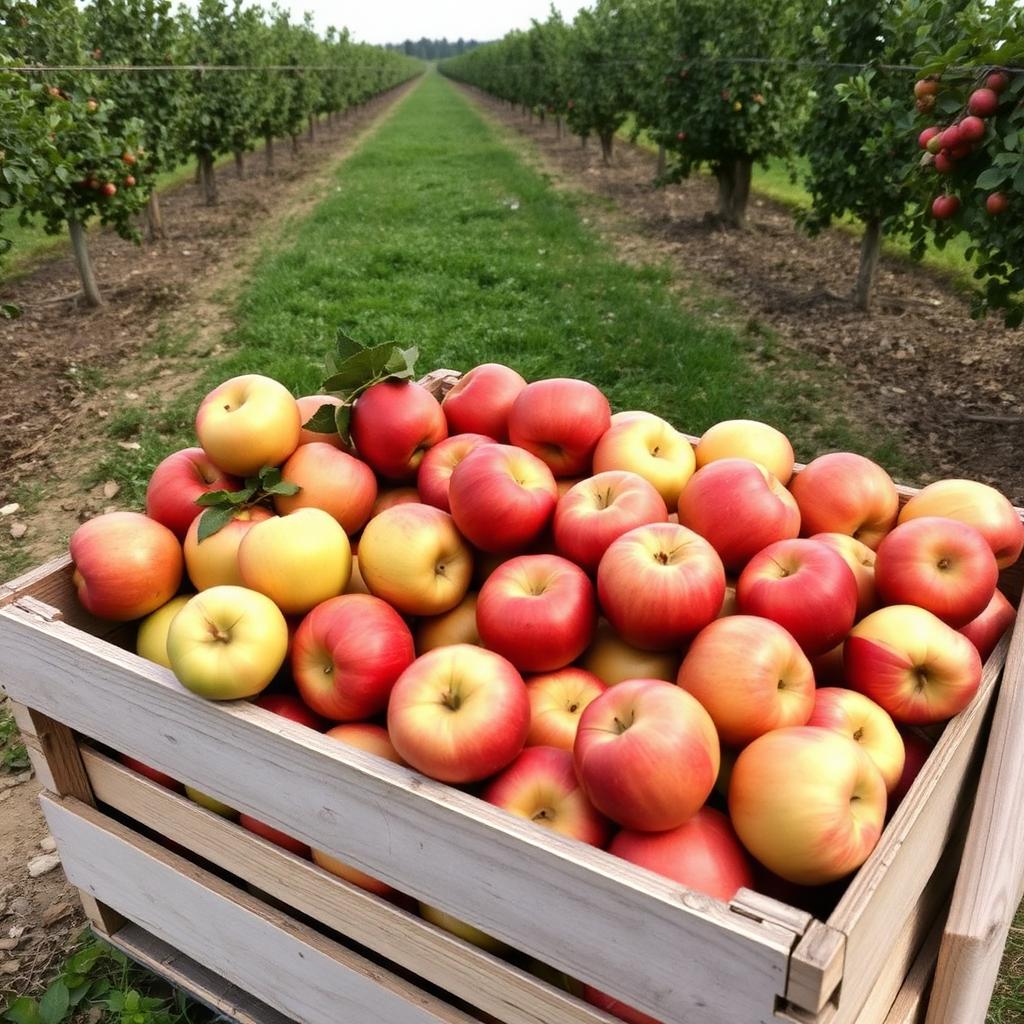
While donuts dominate the quick-snack market, the glass display cases of an orchard kitchen hold substantial treasures meant to be taken home for Sunday supper or autumn holidays. Farm bakers are caretakers of legacy recipes, rolling out handmade lard or all-butter crusts before dawn to supply the weekend crowds.
Double-crust apple pies, Dutch apple pies crowned with crunchy brown-sugar streusel, and rustic galettes take center stage. What elevates an orchard pie above an urban bakery version is fruit diversity. Commercial bakeries often rely on single-variety processed apple slices, whereas farm kitchens blend three to five proprietary varieties into each filling. By marrying the tartness of Cortland, the spice of Winesap, and the structural fortitude of Honeycrisp, farm bakers produce pies with deep, layered flavors and ideal textural contrast.
Visitors should also keep an eye out for regional heritage specialties. In Pennsylvania Dutch country and throughout parts of the Midwest, apple dumplings are supreme. Whole peeled and cored apples, stuffed with cinnamon butter and wrapped in tender pastry sheets, bake in a bubbling lake of sweet syrup until golden. In the South, fried apple hand pies dusted with powdered sugar offer a portable pocket of comfort, making them easy to enjoy while wandering between tree rows.
Savory Counterparts: Balancing the Harvest Sugar Rush
After an hour of indulging in candied apples, warm pastries, and sweet drinks, palate fatigue can set in. Fortunately, forward-thinking orchards have developed fantastic savory menus that incorporate orchard bounty into hearty lunch items, allowing visitors to spend entire days on the property.
The natural affinity between apples, sharp cheeses, and cured meats shines across modern farmstand menus. Many farm kitchens now serve grilled bratwursts infused with reduced apple cider, topped with warm apple-braised sauerkraut and spicy stone-ground mustard. Freshly griddled sourdough sandwiches loaded with aged sharp cheddar, smoked bacon, and thinly sliced tart apples illustrate how fruit enhances savory richness.
On festival weekends, it is common to find food trucks and outdoor ovens stationed near the packing sheds. Wood-fired pizzas topped with roasted apples, gorgonzola cheese, prosciutto, and fresh rosemary offer a sophisticated rustic meal. These savory choices provide the perfect savory intermission, giving guests the stamina to return to the bakery for one final treat before heading home.
How to Store and Revive Farmhouse Sweets at Home
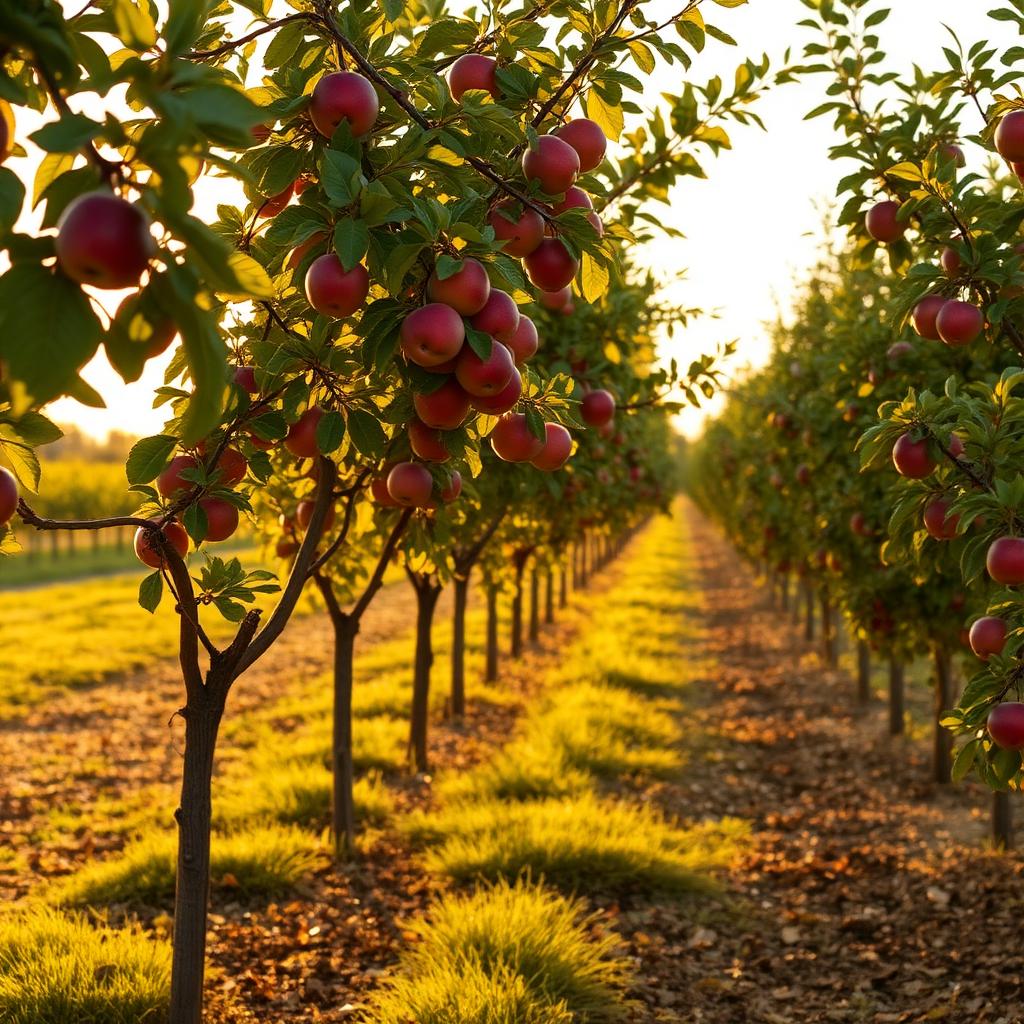
One of the most frequent mistakes orchard visitors make is treating farm-fresh baked goods like shelf-stable processed grocery snacks. Without artificial preservatives, authentic farm treats are perishable goods that require gentle handling to retain their premium quality.
If you purchase a dozen cider donuts intending to share them over several days, avoid the refrigerator. Cold air accelerates the retrogradation of starch molecules in the cake batter, causing the donuts to turn stale and chalky rapidly. Instead, store them at room temperature in a loosely closed paper bag for up to two days. If you need to keep them longer, seal them inside a freezer-safe zip bag and freeze them immediately.
To revive a day-old or frozen cider donut, bypass the microwave whenever possible, as high heat makes the batter rubbery and melts the sugar crust. Instead, preheat an oven or toaster oven to three hundred degrees. Place the donuts on a baking sheet and heat for three to five minutes. This restores the delicate crunch of the exterior, warms the spiced interior crumb, and reactivates the fragrant cinnamon oils, bringing that farmhouse fryer experience straight back to your breakfast table.
Frequently Asked Questions
What gives apple cider donuts their unique flavor?
Their signature flavor comes from using heavily reduced apple cider in place of water or milk in the batter, which concentrates the natural sweetness and malic acid of the apples. This fruit base is then complemented with warm baking spices including cinnamon, nutmeg, allspice, and a finishing roll in cinnamon sugar.
Can I freeze fresh apple cider donuts?
Yes, cider donuts freeze remarkably well. Place them in a single layer inside an airtight freezer bag, expelling as much air as possible. When ready to eat, warm them directly from frozen in a three-hundred-degree oven for roughly five minutes until crisp and heated through.
Why do caramel apples sometimes turn soft or slide off their sticks?
Apples breathe and release tiny amounts of moisture through their skins. If an apple is dipped while very warm, or if it has a natural wax coating that prevents caramel adhesion, moisture can collect underneath the syrup, causing it to slip. Reputable orchards wash and dry the fruit thoroughly, keeping them chilled before dipping into properly tempered caramel.
What is the difference between apple cider and regular apple juice?
Sweet cider is raw, unfiltered juice that contains natural apple pulp, solids, and sediment, giving it an amber, cloudy appearance and a robust, tangy flavor. Commercial apple juice is pasteurized, enzyme-clarified, and filtered to remove all fruit solids, producing a clear, shelf-stable, and significantly sweeter beverage.
How long will fresh unpasteurized orchard cider keep in the fridge?
Fresh cider without chemical preservatives generally stays sweet and crisp in the refrigerator for seven to ten days. Beyond that point, natural yeasts in the cider may begin a slow fermentation process, causing the plastic jug to swell slightly and the flavor to turn carbonated and tangy.
Tags
Explore more on Apple Picking Finder
Find orchards near you →
See the closest U-Pick apple farms with hours, pricing, and directions.
Apple varieties guide →
50+ varieties with taste notes, ripening windows, and best uses.
Ripening calendar →
When each variety is ready to pick, month by month, across the US.
Apple recipes →
60+ tested recipes for pies, crisps, cider, butter, and more.
Keep reading
Apple Picking Tips for Kids: Complete Family Orchard Field Guide
Planning an orchard adventure with little ones in tow? Here is our field-tested advice on gear, picking techniques, timing, and meltdowns to keep the day sweet for everyone.
Orchard Wedding Planning: Host Unforgettable Autumn Celebrations
Planning an orchard wedding or private harvest event? From rustic barn receptions to golden hour vows among apple trees, discover everything you need for an unforgettable autumn gathering.

Apple Industry Shifts: Current Price Trends and Orchard Economics
Discover how shifting weather patterns, rising production inputs, and evolving consumer habits are shaping apple prices and your next pick-your-own orchard visit.