Apple Cider Donuts & Farm Bakery Treats: The Harvest Tasting Guide
From warm cinnamon sugar rings to artisanal apple pies and fresh cider slushies, explore the rich culinary world waiting inside American orchard bakeries.
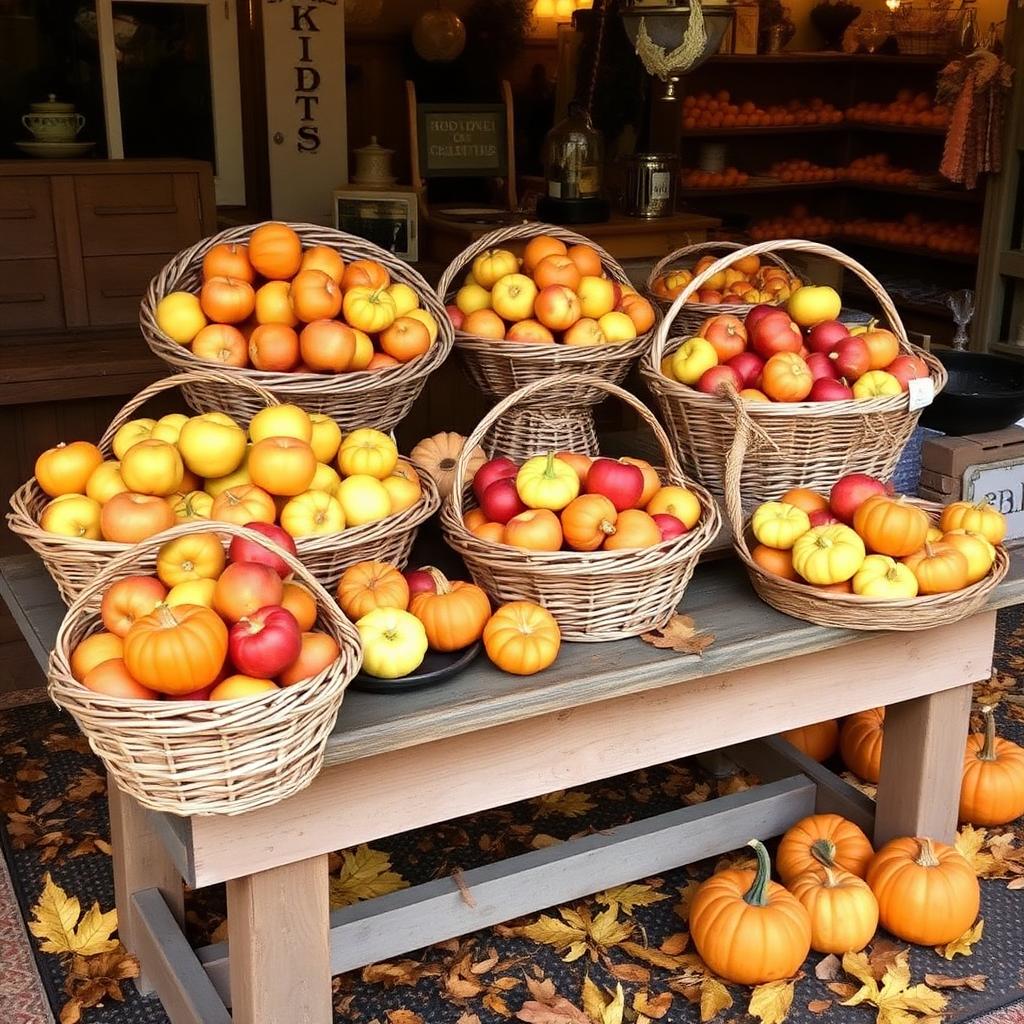
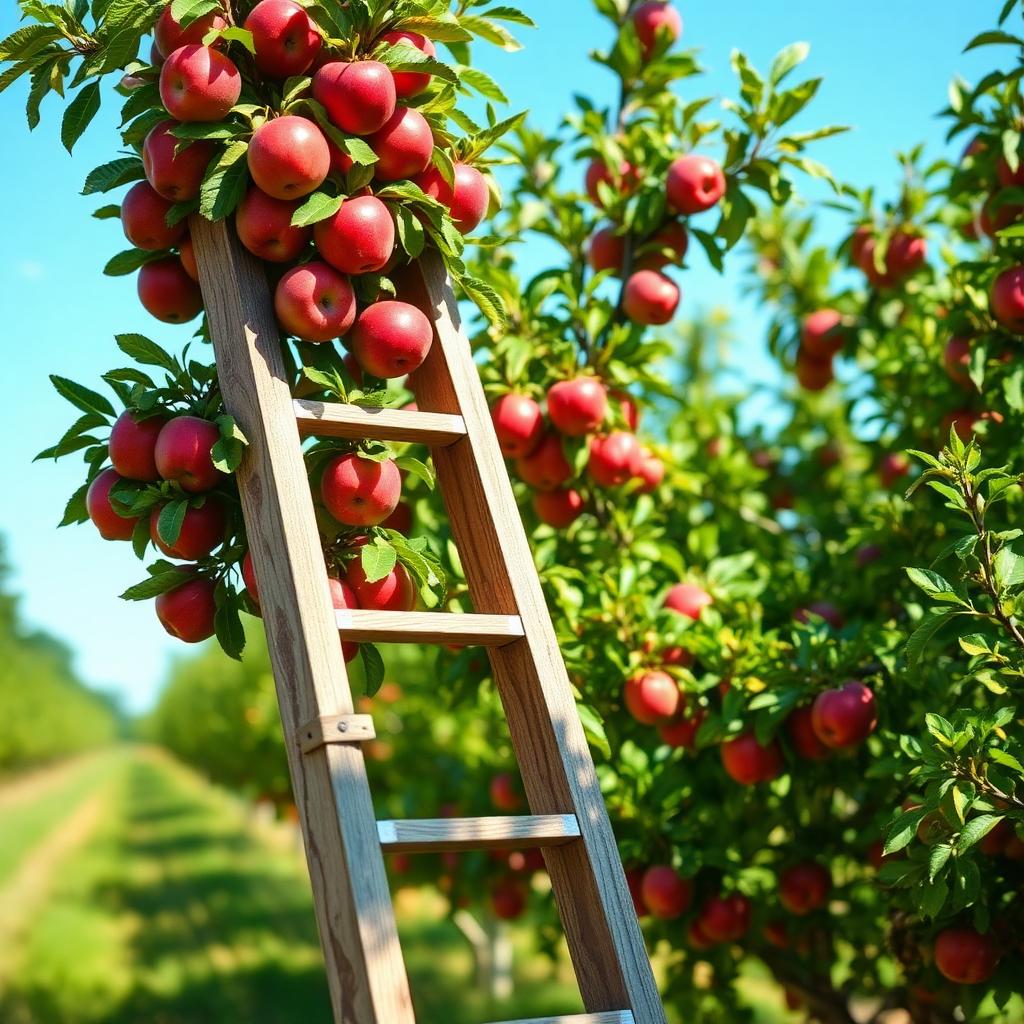
While rows of sun-drenched trees bending under the weight of crisp fruit draw millions to the country each autumn, seasoned visitors know that the true heart of the farm often beats inside the bakery. The intoxicating aroma of boiling spiced cider, hot frying dough, and toasted cinnamon rolls across the gravel parking lot long before you pluck your first Honeycrisp. Exploring orchard confections is an essential autumn ritual, turning a simple harvest outing into an unforgettable seasonal feast.
The Magic Behind the Quintessential Apple Cider Donut
The apple cider donut holds an undisputed crown in the realm of orchard food. Unlike standard cake donuts found on supermarket shelves, a true cider donut is deeply tethered to the harvest itself. The foundational secret lies in apple cider reduction. Experienced farm bakers take gallons of freshly pressed, unpasteurized sweet cider and simmer it slowly over low heat until it concentrates into a rich, dark syrup. This reduction concentrates the natural malic acid and fruit sugars, delivering a punchy, tart flavor that cuts cleanly through the rich batter.
The dry blend relies on warm autumn spices, primarily freshly ground nutmeg, cinnamon, and a hint of allspice. When the batter meets the hot oil, the exterior caramelizes almost instantly, creating a crisp micro-crust that seals in a tender, cakey crumb. Once drained for mere seconds, the donut is tumbled through a generous bath of granulated sugar and cinnamon while the exterior is still warm enough to melt the crystals into a delicate glaze.
Anatomy of the Perfect Orchard Donut
A truly exceptional cider donut is a study in texture and balance. If you cut into one fresh from the fryer, you should see a golden-tan crumb, slightly dense yet soft, flecked with spices. It should never feel greasy or heavy on the palate. The exterior needs to offer a faint, audible crunch before yielding to the tender interior.
Different regions across the country put their own spin on the classic finish:
- Traditional Cinnamon Sugar: The gold standard across New England and the Mid-Atlantic, offering textured sweetness with every bite.
- Cider Glazed: Popular in Midwestern farm stands, this style uses powdered sugar whisked with cider reduction for a shiny, crackled coating.
- Plain or Bare: Favored by purists, letting the concentrated apple flavor and delicate crust shine without additional granulated sugar.
- Powdered Sugar: A snowy, melt-in-your-mouth option frequently loved by younger orchard explorers.
Pro Baker Tip: Always look for orchards with viewing windows into their kitchen; watching rings of dough drop into the fryer confirms you are getting fresh, small-batch treats made on-site.
Classic Baked Goods: Beyond the Donut
While donuts dominate the spotlight, farm stand bakeries produce a wide array of heritage pastries that celebrate the diversity of the apple crop. Many growers use culinary varieties that hold their shape under intense heat, such as Northern Spy, Cortland, Rome Beauty, and Golden Delicious, rather than standard modern dessert varieties.
Dutch Apple and Double-Crust Pies
A true orchard pie is easily distinguished from its mass-produced counterparts by the mountain of fruit packed beneath the pastry. Double-crust varieties feature flaky, lard or all-butter doughs with steam vents carved into decorative leaf patterns. Dutch apple pies substitute the top pastry with a rich crumble of rolled oats, brown sugar, flour, and cold butter, which bakes into a crunchy, praline-like crown that contrasts beautifully with soft, spiced fruit beneath.
Heritage Apple Dumplings
An old-fashioned specialty common across Pennsylvania Dutch country and the rural Midwest, apple dumplings feature a whole cored apple filled with cinnamon butter, completely wrapped in pastry sheets, and baked until the fruit is tender. Many farm kitchens baste these parcels in a boiling syrup of sugar, butter, and cinnamon water while they bake, resulting in a luscious, caramelized pan sauce that begs for a scoop of sweet cream ice cream.
Crisps, Crumbles, and Hand Pies
For visitors who prefer eating while strolling through the rows, handheld turnovers and rustic hand pies provide the ultimate portable convenience. Packed with diced orchard apples and sealed in puff pastry or cream cheese dough, they eliminate the need for plates and forks. Meanwhile, orchard crisps, baked in enormous trays with heavy toppings of toasted nuts and oats, offer pure comfort food for fireside picnic tables.
Chilled and Steaming: Handcrafted Orchard Beverages
No trip to the farm bakery is complete without a companion beverage. Farm mills transform imperfect groundfall fruit into liquid gold, producing a flavor profile that store-bought pasteurized juice can never replicate. The natural tartness and body of fresh cider make it versatile across different seasonal preparations.
On warm September afternoons, nothing rivals the cider slushie. Poured directly from frozen beverage barrels, these slushies deliver a micro-ice crystallization that preserves the raw sweetness and brisk acidity of the pressed juice. Some forward-thinking farm stands now top their slushies with soft-serve vanilla ice cream, creating an orchard float that balances bright fruit with rich dairy.
As October chills sweep in, large stainless steel urns of hot spiced mulled cider take over. Simmered with whole cinnamon quills, cloves, orange peel, and star anise, hot cider provides a warming comfort that keeps your hands toasty as you carry bushel bags across the grounds.
Savory Counterpoints: Salty Snacks in the Farm Stand
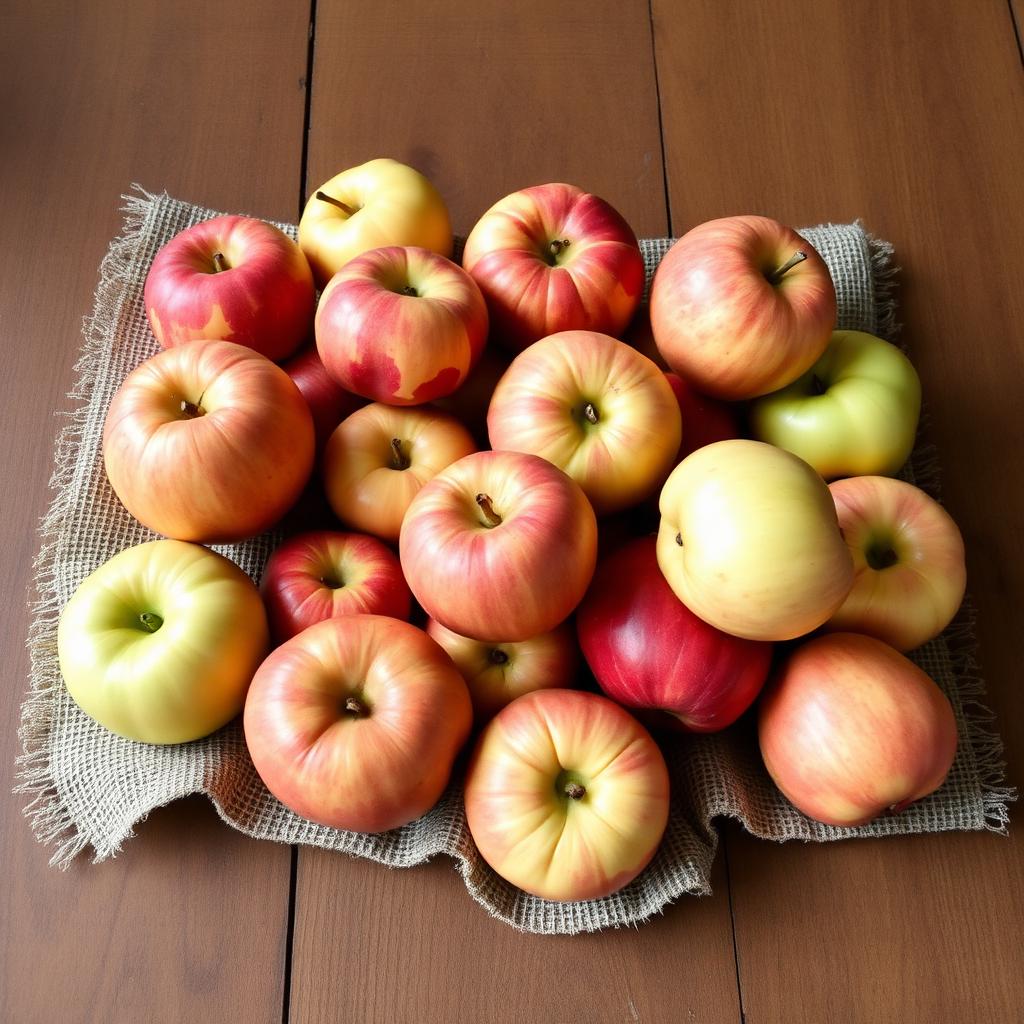
After sampling sweet donuts and rich pies, the palate naturally craves balance. Progressive orchards have embraced savory culinary traditions that harmonize with apples. Sharp cheddar cheese is perhaps the most classic partner; its salty, rich tang cuts the sweetness of warm pastries effortlessly. In places like Vermont and upstate New York, it is standard practice for bakeries to offer a thick wedge of aged farmhouse cheddar directly atop warm apple pie.
You will also find open-air kettle corn setups popping near farm exits, where salt and caramelized sugar balance the sweetness. Many larger orchards now feature farm kitchens producing house-made apple cider bratwurst, cider-braised pulled pork, and warm soft pretzels accompanied by sharp apple-mustard dipping sauces.
Timing Your Visit for the Freshest Bites
Scoring the ultimate bakery spread requires strategic planning, especially on peak harvest weekends. Orchard kitchens experience their highest rushes between eleven in the morning and two in the afternoon. If you arrive early, around nine or ten, you can typically bypass the long lines and catch the very first morning fry cycles, ensuring your donuts are piping hot from the kettle.
If you visit during a crowded afternoon, consider designating one member of your group to join the bakery queue while others select your apples or navigate the grounds. Keep in mind that specialty items like heritage dumplings and freshly baked pies sell out quickly on high-traffic Saturdays, so purchase your bakery treats early and store them safely in your vehicle before heading into the picking rows.
How to Reheat and Preserve Farm Bakery Sweets at Home

It is almost impossible to leave an orchard bakery with only what you can eat in an afternoon. Fortunately, these rustic treats keep well if handled with care. Standard cake donuts lose their crisp edge after several hours in a sealed plastic bag as humidity softens the exterior crust. To restore them to bakery freshness, skip the microwave, which turns cake donuts chewy and tough. Instead, place them in an oven or air fryer preheated to 350 degrees Fahrenheit for two to three minutes. The exterior sugar will recrisp, and the interior crumb will soften into pillow-like perfection.
For whole pies, store them uncovered at room temperature for the first twenty-four hours to maintain crust flakiness, then chill loosely covered. Slices can be revived beautifully in a 325-degree oven for ten minutes. If you bought excess donuts, freeze them in a single layer on a parchment-lined baking sheet before transferring them to an airtight freezer bag. They thaw cleanly on the counter in thirty minutes, ready for a brief blast in the toaster oven to bring back that signature harvest flavor on a quiet weekday morning.
Frequently Asked Questions
Why do apple cider donuts taste different from regular cake donuts?
Apple cider donuts use a heavy reduction of fresh, tart apple cider mixed directly into the batter along with specific autumn spices like nutmeg and cinnamon. The natural acidity of the concentrated cider tenderizes the dough and cuts through the sugar, producing a unique sweet-tart flavor profile and dense, tender texture.
Can I freeze fresh apple cider donuts?
Yes, apple cider donuts freeze exceptionally well. Place them on a flat baking sheet in the freezer for two hours until completely frozen, then transfer them to an airtight freezer-safe bag. When ready to enjoy, thaw them at room temperature and reheat in an oven or air fryer at 350 degrees for two to three minutes to restore crispness.
How long does fresh, unpasteurized cider last after purchase?
Freshly pressed, unpasteurized orchard cider should be kept refrigerated at all times and consumed within seven to ten days. Beyond that timeframe, wild natural yeasts will begin fermenting the sugars, causing the jug to puff up and the liquid to taste fizzy or boozy.
What is the difference between an apple crisp and an apple crumble?
While both feature spiced baked apples in a baking dish, a crisp traditionally includes rolled oats, nuts, and butter in its topping, creating a crisp, crunchy bite. A crumble features a streusel topping made solely of flour, butter, and sugar, resulting in a denser, softer, pastry-like finish.
Are orchard bakeries cash-only?
While most modern pick-your-own operations accept credit cards and digital pay apps at their main registers, smaller auxiliary bakery huts, outdoor fryer stations, and kettle corn stands may still prefer or require cash. It is always wise to carry small bills to avoid waiting in separate payment lines.
Tags
Explore more on Apple Picking Finder
Find orchards near you →
See the closest U-Pick apple farms with hours, pricing, and directions.
Apple varieties guide →
50+ varieties with taste notes, ripening windows, and best uses.
Ripening calendar →
When each variety is ready to pick, month by month, across the US.
Apple recipes →
60+ tested recipes for pies, crisps, cider, butter, and more.
Keep reading

Apple Picking with Dogs: The Essential Pet-Friendly Farm Guide
Planning an autumn orchard adventure with your four-legged best friend? Discover how to find welcoming farms, pack essential gear, and keep your dog safe around fallen apples.
Apple Orchard Photography Tips: Capture Stunning Fall Harvest Photos
Master apple orchard photography with our field-tested guide. Discover lighting secrets, wardrobe ideas, composition techniques, and camera settings for gorgeous autumn portraits.
Apple Cider Donuts and Autumn Sweets: The Ultimate Orchard Guide
Step inside the farm bakery to uncover the craft behind warm apple cider donuts, hand-dipped caramel apples, fresh fruit pies, and the finest harvest treats across American orchards.