Unearthing Apple Market Dynamics: Price Trends & Orchard Future
Curious about the forces shaping your favorite fruit? Delve into the complex world of the apple industry, exploring key market dynamics, evolving consumer preferences, and the financial currents influencing apple prices across the nation.

The apple industry, a cornerstone of American agriculture and a beloved part of our autumn traditions, is a dynamic landscape constantly shaped by global and local forces. From the quiet orchards where trees are nurtured year-round to the bustling markets where prices are set, every step is influenced by a complex interplay of factors.
Understanding these forces not only offers insight into the journey of your favorite fruit but also helps us appreciate the dedication of growers and the resilience of an industry facing ever-evolving challenges. Let's peel back the layers to examine the current state and future direction of apple production, market dynamics, and, critically, what's driving those price tags.
The Backbone of the Apple Industry: Cultivation & Harvest
At the heart of the apple industry lies the intricate process of cultivation. Growing apples is a year-round commitment, far beyond the brief picking season. It involves careful pruning, pest management, disease control, and precise nutrient application, all subject to the unpredictable whims of nature.
Weather patterns, in particular, exert a monumental influence. Frosts during bloom, excessive heat during fruit development, or untimely hailstorms can severely impact yields. Many regions have experienced unusual weather events in recent years, leading to variations in harvest sizes. These climatic shifts require growers to constantly adapt, investing in technologies like frost protection systems or advanced irrigation to mitigate risks.
Orchard Management Innovations
Modern orchards are embracing innovation more than ever. High-density planting systems, for instance, allow more trees per acre, leading to greater efficiency and quicker returns. Robotic technologies are also beginning to emerge for tasks like pruning and even harvesting, promising to address labor shortages and increase precision. These advancements, while requiring significant upfront investment, are crucial for maintaining competitiveness and ensuring a stable supply of apples.
Market Dynamics: Supply, Demand, and Global Factors
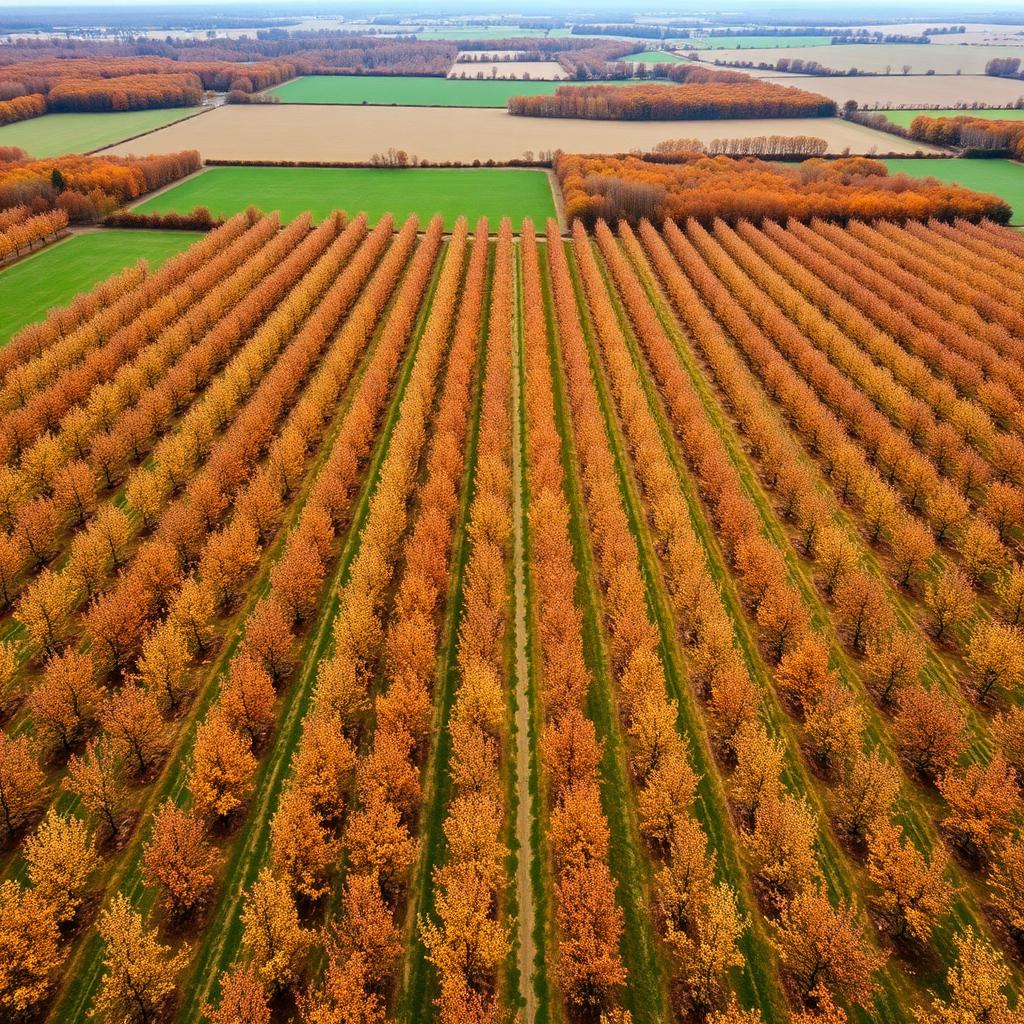
Apple prices are a direct reflection of the classic economic principles of supply and demand, but with numerous additional layers. On the supply side, domestic harvests are paramount, but imports also play a significant role, especially during off-seasons. On the demand side, consumer preferences, marketing efforts, and general economic health all contribute.
Global markets significantly impact domestic pricing. If a major apple-producing country experiences a bumper crop, it can increase global supply and potentially depress prices worldwide, affecting U.S. growers even if their own harvest was moderate. Conversely, adverse conditions in other regions can create export opportunities for American apples, driving up demand and prices domestically.
Consumer Preference Shifts
Consumer tastes are always evolving. While classic varieties like Gala, Fuji, and Honeycrisp continue to dominate, there's a growing appetite for new, unique, and often proprietary varieties that offer distinct flavors, textures, and shelf life. This trend encourages breeders to innovate and growers to invest in planting these newer, sometimes more expensive, trees.
There's also a rising demand for organic and locally grown apples, which often command a premium. This reflects a broader consumer trend towards health, sustainability, and transparency in food sources. Growers who can meet these niche demands can tap into lucrative markets, though it often comes with increased production costs and certification hurdles.
The True Cost of an Apple: Price Trends & Influencers
When you pick up an apple at the grocery store or pay for a bushel at an orchard, the price you see is the culmination of many hidden costs and market forces. Understanding these can illuminate why prices fluctuate.
- Labor Costs: Picking apples is labor-intensive work. Rising minimum wages and increased regulatory compliance for agricultural labor contribute significantly to production costs.
- Input Costs: The price of fertilizers, pesticides, fuel for farm machinery, and even water can vary widely and directly impact growers' overhead.
- Transportation & Logistics: Moving apples from orchard to packing house to grocery store involves complex logistics and significant fuel costs, especially for longer distances or during periods of high gas prices.
- Storage Technology: Modern controlled atmosphere (CA) storage facilities allow apples to be stored for many months, extending their availability. While beneficial for year-round supply, these facilities represent a substantial investment and ongoing energy costs.
- Packaging & Marketing: Packaging materials, branding, and marketing efforts all add to the final cost.
- Retailer Margins: Grocery stores and other retailers add their own markups to cover their operational costs and generate profit.
Many orchards are battling significant increases in operational expenses, leading to upward pressure on apple prices.
Seasonal Pricing & Regional Differences
Apple prices typically follow a seasonal pattern. They tend to be lowest during the peak harvest season (late summer through fall) when supply is abundant. As the year progresses and apples come out of storage, prices often gradually increase. Regional variations are also common due to local supply, transportation costs, and specific market demand.
Challenges on the Horizon for Apple Growers
The apple industry faces several persistent and emerging challenges. Climate change continues to be a top concern, manifesting as unpredictable weather events that jeopardize crops. Water scarcity in some regions is also a growing issue, necessitating more efficient irrigation practices.
Labor availability is another critical challenge. Finding and retaining skilled agricultural workers remains difficult for many orchards across the country. This pushes growers towards mechanization and automation, but these solutions are not universally applicable or affordable for all farm sizes.
Pest and disease management also presents an ongoing battle, requiring constant vigilance and research into resistant varieties and sustainable control methods. The economic pressures of global competition and fluctuating commodity prices also keep growers on their toes, demanding shrewd business practices and diversification.
Sustainability: A Growing Focus
Sustainability is no longer a niche concern; it's becoming central to the apple industry's future. Consumers are increasingly valuing environmentally friendly practices, and growers are responding by adopting more sustainable methods.
Key Sustainability Initiatives
- Integrated Pest Management (IPM): Reducing reliance on chemical pesticides by using biological controls and targeted applications.
- Water Conservation: Implementing drip irrigation, smart sensors, and other technologies to minimize water usage.
- Soil Health: Employing cover crops, composting, and reduced tillage to enhance soil fertility and reduce erosion.
- Energy Efficiency: Investing in renewable energy sources for farm operations and energy-efficient storage facilities.
- Biodiversity: Promoting habitats for beneficial insects and pollinators within and around orchards.
These efforts not only help protect the environment but can also lead to long-term cost savings and enhanced marketability for apple producers.
The Future of Apples: Innovation, Resilience, and You
Looking ahead, the apple industry is poised for continued innovation. Genetic research will undoubtedly lead to new varieties with enhanced disease resistance, unique flavors, and improved resilience to climate challenges. Smart farming technologies, including AI-driven analytics and robotics, will become more integrated into orchard management, optimizing every stage of production.
The industry's ability to adapt to climate change, embrace technology, and meet evolving consumer demands will dictate its long-term success. For consumers, this means a continuous supply of delicious apples, possibly with more variety and grown with increasingly sustainable practices.
Your support of local orchards and conscious choices at the grocery store play a vital role in sustaining this essential agricultural sector. By choosing apples, you're not just enjoying a healthy snack; you're participating in a rich agricultural heritage and supporting an industry that is continually striving to grow better, smarter, and more sustainably.
Frequently Asked Questions
What factors most influence apple prices?
Apple prices are primarily influenced by the size and quality of the harvest (supply), consumer demand, labor costs, input costs (fertilizer, fuel), transportation expenses, and global market dynamics. Unpredictable weather events can also cause significant price fluctuations.
Are apple prices expected to rise in the coming years?
While specific predictions are difficult, several trends suggest potential upward pressure on apple prices. These include rising labor and input costs, increasing investments in sustainable practices, and the need for new technologies to combat climate challenges. However, robust harvests and efficient supply chains can help stabilize prices.
How does climate change affect apple production?
Climate change impacts apple production through more frequent and intense weather events like early frosts, prolonged droughts, severe storms, and heatwaves. These can reduce yields, compromise fruit quality, and necessitate costly adaptation measures for growers, ultimately affecting supply and prices.
Why are some apple varieties more expensive than others?
Newer or proprietary apple varieties often command higher prices due to the significant research and development investment required to breed them. They may also have unique flavor profiles, improved crunch, or better storage capabilities, making them highly desirable to consumers and sometimes more challenging to grow.
What can consumers do to support the apple industry?
Consumers can support the apple industry by choosing to buy local when possible, opting for a variety of apples, and being mindful of seasonal availability. Supporting pick-your-own orchards directly benefits growers and strengthens local agricultural economies. Additionally, reducing food waste helps ensure that the valuable harvest is fully utilized.
Is the U.S. apple industry growing or shrinking?
The U.S. apple industry is generally stable in terms of overall production volume, though it faces ongoing challenges. There's a continuous evolution in varieties grown, with shifts towards those favored by consumers and suited for modern growing practices. The industry is focused on efficiency, sustainability, and meeting diverse market demands to maintain its strong position.
Tags
Explore more on Apple Picking Finder
Find orchards near you →
See the closest U-Pick apple farms with hours, pricing, and directions.
Apple varieties guide →
50+ varieties with taste notes, ripening windows, and best uses.
Ripening calendar →
When each variety is ready to pick, month by month, across the US.
Apple recipes →
60+ tested recipes for pies, crisps, cider, butter, and more.
Keep reading
Apple Industry Shifts: Current Price Trends and Orchard Economics
Discover how shifting weather patterns, rising production inputs, and evolving consumer habits are shaping apple prices and your next pick-your-own orchard visit.
Apple Prices and Harvest Trends: What Orchard Visitors Can Expect
Wondering why apple prices fluctuate at your favorite pick-your-own orchard? We break down national harvest economics, input costs, and what consumers should expect this fall.
Apple Picking Tips for Families: Stress-Free Orchard Days
Plan the ultimate fall orchard outing with our comprehensive guide to apple picking with kids. Learn smart packing habits, harvesting tricks, and fun family field games.