Apple Industry Dynamics: Cultivation Challenges, Innovations, and Market Trends
Dive deep into the fascinating world of apple production, from the orchards where they grow to the market shelves. We explore the nuanced factors shaping the apple industry, offering insights into cultivation, supply chain shifts, and consumer preferences influencing fruit prices.
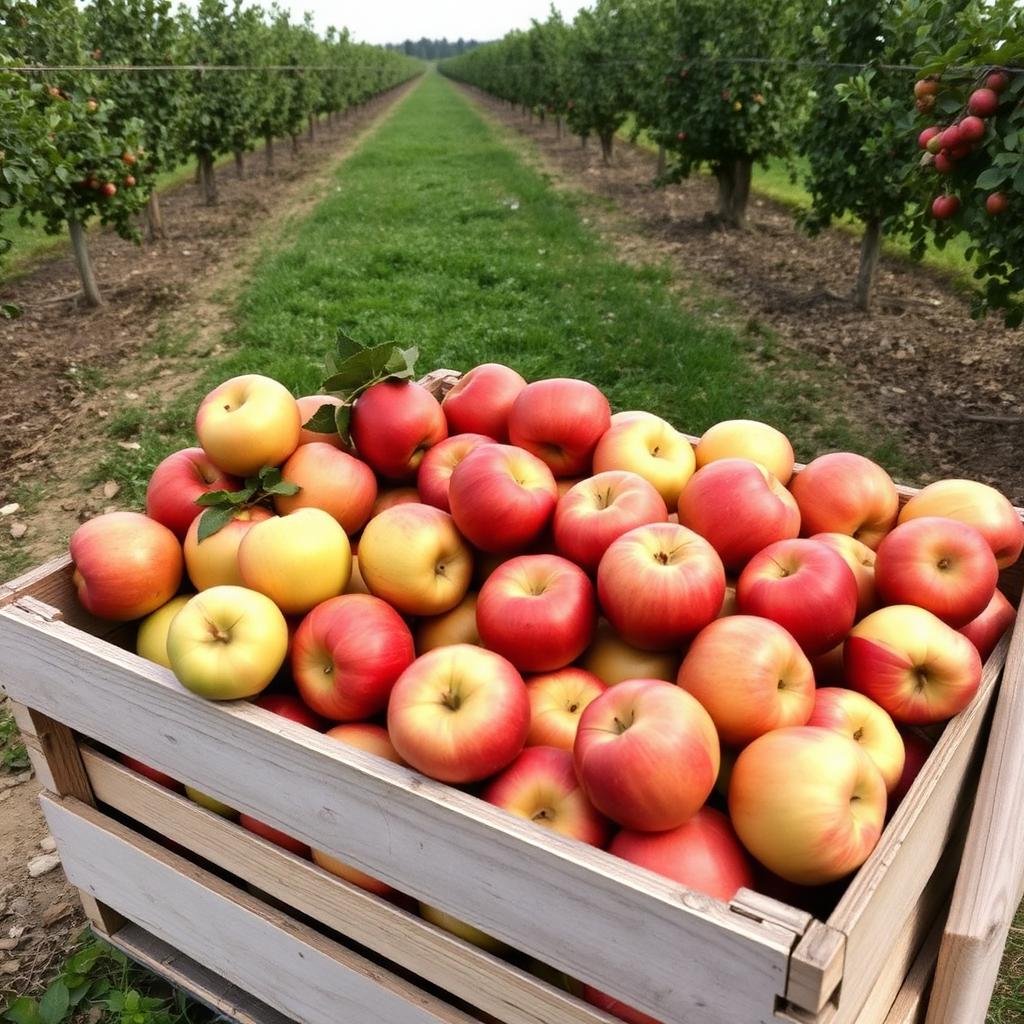
The journey of an apple from a blossoming tree to your lunchbox is far more intricate than many realize. It's a complex ecosystem influenced by weather patterns, labor availability, technological advancements, and shifting consumer tastes. Understanding these dynamics is key to appreciating the robust and ever-evolving apple industry, providing valuable context to what you see and taste at your local orchard or grocery store.
This article delves into the core elements shaping the apple sector today, offering a comprehensive look at the challenges growers face, the innovations driving efficiency, and the economic forces dictating price points. We'll explore how global events reverberate through local orchards and what that means for the future of this beloved fruit.
The Backbone of the Industry: Cultivation Challenges and Climate Change
Apple growers are agricultural pioneers, constantly adapting to an unpredictable environment. The success of an apple harvest hinges on a delicate balance of favorable weather, adequate water, and vigilant pest management. However, climate change has introduced unprecedented volatility, making this balance increasingly precarious.
Unseasonal frosts in spring can devastate budding blossoms, while extended droughts stress trees, reducing fruit size and yield. Conversely, excessive rain during ripening can promote fungal diseases and impact fruit quality. Growers are investing in advanced weather monitoring systems, frost protection techniques like wind machines and overhead irrigation, and developing more resilient apple varieties through selective breeding to mitigate these risks. These adaptations, while crucial, often come with significant costs, which can ultimately influence the price consumers pay for apples.
Labor: The Unsung Hero of the Orchard Economy
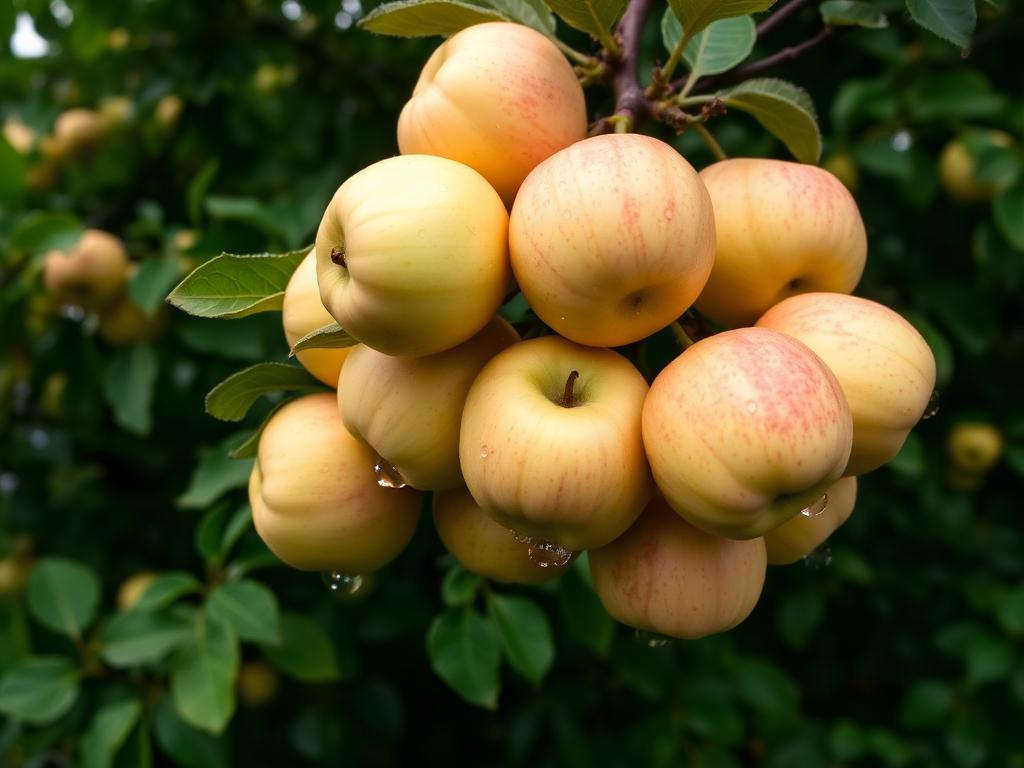
From pruning and thinning to harvesting and packing, the apple industry is remarkably labor-intensive. A skilled workforce is essential at every stage to ensure quality and efficiency. However, many regions face persistent labor shortages, impacting orchard operations and harvest timelines. Attracting and retaining seasonal workers has become a primary concern for many growers, leading to innovative solutions and increased operational costs.
Some orchards are exploring mechanization for certain tasks, such as platform harvesters for fresh-market apples or robotic systems for sorting. While technology offers promise, the nuanced care required for hand-picked, blemish-free fruit means human labor remains indispensable for premium apples. Wage increases, housing provisions, and benefits packages, while beneficial for workers, also contribute to the overall cost of production.
Technological Innovations Shaping the Future of Apple Farming
The apple industry is far from traditional; it's a hotbed of technological innovation. Growers are adopting precision agriculture techniques that optimize resource use and improve yields. Here are some key areas:
- Smart Irrigation Systems: Sensors monitor soil moisture and weather forecasts, delivering water precisely when and where it's needed, reducing waste.
- Drone Technology: Drones are used for orchard mapping, health monitoring, and even targeted pesticide application, improving efficiency and reducing chemical use.
- Automated Sorting and Packing: Advanced optical sorters can detect defects and color variations at high speeds, ensuring only the highest quality apples reach consumers.
- Controlled Atmosphere Storage: This technology allows apples to be stored for extended periods, maintaining freshness and expanding availability beyond the harvest season.
These innovations require substantial initial investment but lead to long-term gains in sustainability, product quality, and market reach.
Market Dynamics and Consumer Preferences
The apple market is a dynamic interplay of supply and demand, influenced by both domestic and international factors. A bumper crop in one region might depress prices elsewhere, while poor harvests can drive them up. Global trade policies, tariffs, and currency fluctuations also play a significant role, particularly for countries that rely on apple exports or imports.
Consumer preferences are another powerful driver. There's a growing demand for specific varieties, such as Honeycrisp and Gala, which command higher prices due to their desirable flavor and texture profiles. Organic and sustainably grown apples are also seeing increased popularity, often fetching a premium. Younger consumers are increasingly interested in the story behind their food, favoring orchards with transparent practices and a commitment to environmental stewardship.
Price Trends: What Influences the Cost of Your Apple?
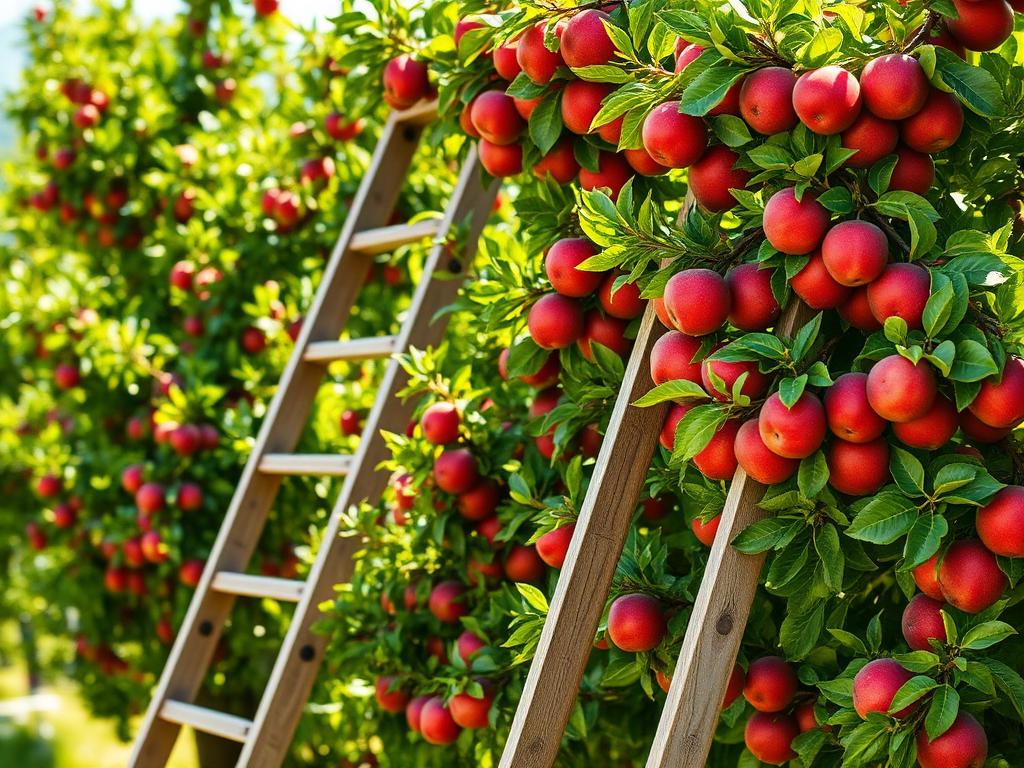
Apple prices fluctuate based on a multitude of factors, making them a fascinating economic indicator. When you see price changes, consider these underlying causes:
- Yield per Acre: Larger harvests generally lead to lower prices, assuming demand remains constant.
- Input Costs: The cost of labor, fuel, fertilizer, and pest control directly impacts the grower's expenses, which are then passed on to consumers.
- Storage and Transportation: Apples harvested in the fall but sold in spring incur storage costs. Fuel prices also affect transport.
- Variety Popularity: High-demand varieties often sell for more than less popular ones.
- Organic vs. Conventional: Organic apples typically have higher production costs due to stricter growing regulations and thus higher prices.
- Market Competition: The number of sellers and buyers in a particular market can affect pricing strategies.
The average cost of producing a bushel of apples has significantly increased over the last decade, primarily due to rising labor and input costs. This upward pressure means consumers often see incremental price adjustments at retail.
The Importance of Sustainability in Modern Orcharding
Sustainability is no longer a niche concept, it's becoming central to the apple industry's long-term viability. Growers are adopting practices that conserve natural resources, reduce environmental impact, and support local ecosystems. This includes:
- Integrated Pest Management (IPM) to minimize chemical use.
- Water conservation through drip irrigation and rainwater harvesting.
- Soil health initiatives, such as cover cropping and reduced tillage.
- Promoting biodiversity by creating habitats for beneficial insects.
These efforts not only protect the environment but also enhance the resilience of orchards against disease and climate fluctuations, ensuring a healthy supply of apples for generations to come. Many orchards are now highlighting their sustainable practices as a core part of their brand identity.
What This Means for Apple Picking Enthusiasts
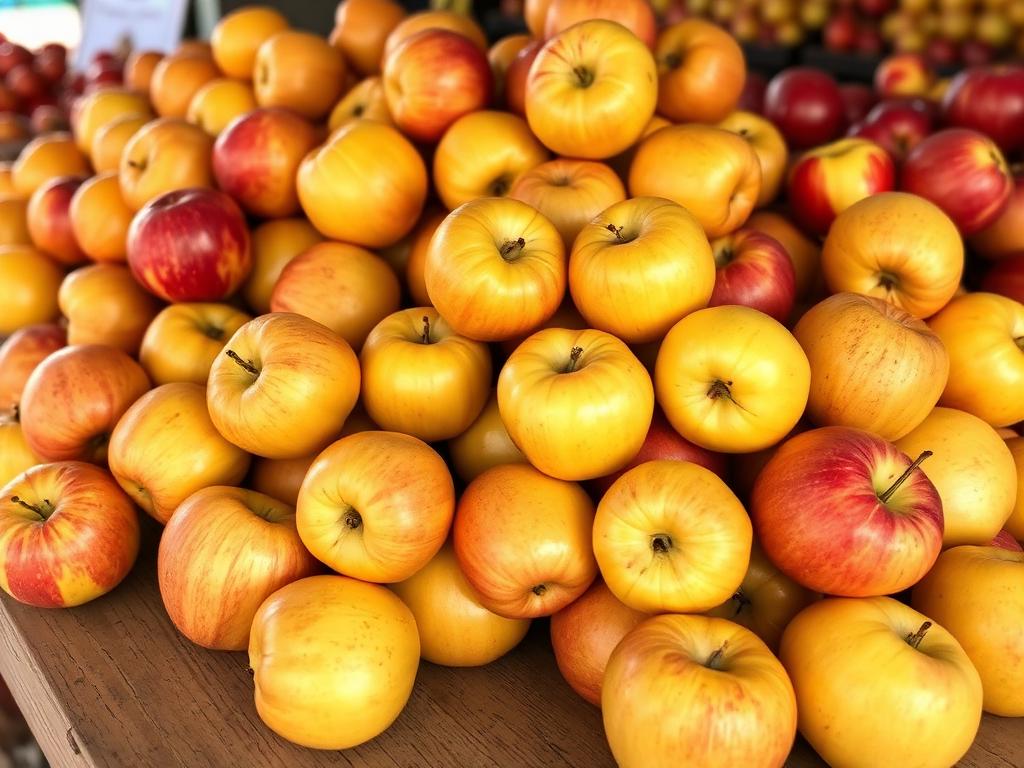
For those who love the annual tradition of apple picking, understanding these industry dynamics enriches the experience. The slightly higher price you might pay for a bushel of fresh, locally grown apples reflects the dedication of growers facing environmental challenges, the investment in cutting-edge technology, and the hard work of a specialized labor force. By choosing to pick locally, you directly support these family farms and contribute to the economic health of rural communities.
Furthermore, knowing about new varieties and sustainable practices can help you make more informed choices, appreciating the complexities involved in bringing that perfect apple to your hand. It's a connection to agriculture, technology, and nature, all rolled into one delicious fruit.
Frequently Asked Questions
What factors most influence apple prices?
Apple prices are primarily influenced by harvest yield, labor costs, fuel and transportation expenses, demand for specific varieties, and broader economic conditions. Weather events and climate change also play a significant role in determining supply.
Are organic apples always more expensive than conventional ones?
Generally, yes. Organic apples typically incur higher production costs due to stricter certification requirements, reliance on natural pest control methods, and often lower yields compared to conventional farming, leading to a higher retail price.
How does climate change affect apple growers?
Climate change introduces unpredictable weather patterns like late frosts, severe droughts, and heavy rains. These can damage blossoms, reduce fruit size and quality, and increase the incidence of diseases, forcing growers to invest in protective measures and adapt farming practices.
What new technologies are being used in apple orchards?
Modern orchards are utilizing smart irrigation, drone technology for monitoring, automated sorting and packing systems, and controlled atmosphere storage. These innovations aim to improve efficiency, reduce resource waste, and extend the availability of fresh apples.
Why is labor such a significant factor in the apple industry?
Apple cultivation, especially for fresh-market fruit, is highly labor-intensive, requiring skilled workers for pruning, thinning, and careful hand-harvesting. Labor shortages and rising wage costs are major challenges, directly impacting production expenses.
How can consumers support the apple industry?
Consumers can support the apple industry by purchasing locally grown apples, choosing different varieties to encourage diversity, opting for sustainably farmed products, and participating in pick-your-own experiences that directly benefit growers.
Tags
Explore more on Apple Picking Finder
Find orchards near you →
See the closest U-Pick apple farms with hours, pricing, and directions.
Apple varieties guide →
50+ varieties with taste notes, ripening windows, and best uses.
Ripening calendar →
When each variety is ready to pick, month by month, across the US.
Apple recipes →
60+ tested recipes for pies, crisps, cider, butter, and more.
Keep reading

Mastering Orchard Fun: Apple Picking Strategies for Young Families
Apple picking with kids can be a magical experience, creating cherished family memories and fostering a love for nature. But let's be honest, it can also quickly devolve into a chaotic scene. This guide offers practical tips to ensure your next orchard adventure is joyful, stress-free, and full of d
Furry Friends in the Orchard: Your Guide to Pet-Friendly Picking
Bringing your beloved canine companion along for a day of apple picking can elevate the experience from great to unforgettable. But navigating orchards with pets requires preparation and awareness. Discover how to make your visit smooth and enjoyable for everyone.
American PYO Farms: A Journey From Survival to Agritourism
Dive into the fascinating history of pick-your-own (PYO) farms in America, tracing their evolution from essential family subsistence to cherished agritourism destinations. Discover how economic shifts, consumer desires, and a yearning for connection to the land shaped this unique agricultural model.