American PYO Farms: A Journey From Survival to Agritourism
Dive into the fascinating history of pick-your-own (PYO) farms in America, tracing their evolution from essential family subsistence to cherished agritourism destinations. Discover how economic shifts, consumer desires, and a yearning for connection to the land shaped this unique agricultural model.
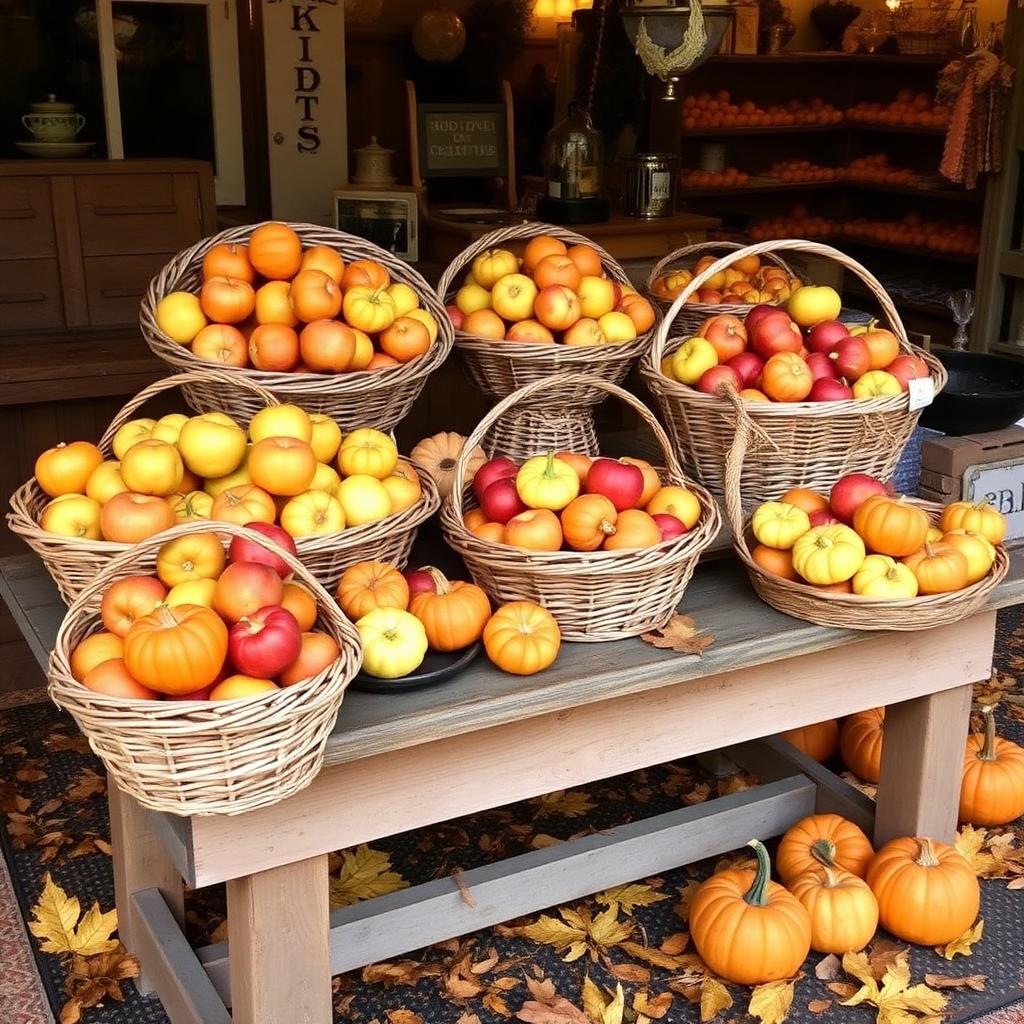
The aroma of ripe apples, the gentle rustle of leaves, and the satisfying crunch of a freshly picked fruit: these are the sensory hallmarks of a pick-your-own (PYO) farm visit. For many, it's a cherished autumn tradition, a wholesome family outing, and a direct connection to the land and the food we eat. But the phenomenon of PYO didn't just appear; it's a fascinating story woven into the very fabric of American agricultural and social history, evolving from a pragmatic necessity to a beloved leisure activity.
Understanding the roots of PYO farms helps us appreciate their current role and predict their future trajectory. This journey takes us back through economic shifts, changing consumer demands, and the enduring human desire for authenticity and connection.
The Humble Beginnings: Post-War Pragmatism
While the act of harvesting one's own food from a plot of land is as old as civilization itself, the modern concept of commercial PYO operations in America largely took root in the mid-20th century. The post-World War II era brought significant changes to the agricultural landscape. Farms, particularly smaller family operations, faced increasing pressure from industrial agriculture, which favored large-scale, mechanized production and distribution.
Farmers, struggling with rising labor costs and the shrinking margins dictated by wholesale markets, began looking for innovative ways to remain viable. One ingenious solution emerged: invite the public directly to the farm to harvest their own produce. This strategy offered a win-win scenario. Farmers could save significantly on labor for picking, packing, and transportation, while simultaneously offering consumers fresher produce at potentially lower prices than grocery stores.
An Economic Lifeline for Small Farms
The PYO model became an economic lifeline for many family farms that might otherwise have been forced to sell off land or go out of business. It allowed them to cut out intermediaries, receive cash directly from consumers, and maintain a more sustainable operation in a rapidly changing agricultural economy. The initial offerings were often simple, focusing on high-volume, seasonal crops like strawberries, blueberries, and, of course, apples.
The Rise of the Consumer Experience: The 1970s and Beyond
As the American economy boomed and suburbanization accelerated through the 1960s and 70s, the PYO model began to shift from pure pragmatism to something more akin to an experience. While saving money on produce was still a draw, families increasingly sought out recreational activities that offered a break from urban life and a connection to nature.
The counter-culture movement and a growing interest in natural foods also played a role, fostering a desire among consumers to know where their food came from and to participate in its procurement. PYO farms tapped into this nascent yearning for authenticity and a hands-on experience, distinguishing themselves from the increasingly impersonal supermarket aisles.
From Field to Family Fun
Farmers, always adaptable, began to recognize this shift. They started offering more than just fields of crops. Simple additions like picnic areas, hayrides, and farm stands selling homemade goods transformed the utilitarian picking trip into a day-long family outing. This era laid the groundwork for what we now recognize as agritourism.
Many early PYO farms often relied on word-of-mouth and simple roadside signs to attract customers, showcasing the community-centric nature of these operations.
The Agritourism Boom: Late 20th and Early 21st Centuries
The turn of the millennium witnessed an explosion in agritourism, with PYO farms at its heart. As populations became increasingly urbanized and disconnected from agriculture, the desire for rural experiences grew exponentially. PYO farms responded by diversifying their offerings, becoming true destinations rather than just places to buy produce.
What began as simple hayrides evolved into elaborate corn mazes, petting zoos, pumpkin patches, farm markets, bakeries, and even wineries or breweries. The focus expanded beyond just the act of picking to a holistic farm experience. This transformation required significant investment and innovation from farmers, who had to learn to be both agricultural producers and entertainment providers.
Diversification and Year-Round Appeal
To maximize revenue and extend their season beyond a few weeks, many farms diversified. They planted a wider variety of crops, staggereď harvest times, and created events for different seasons. Apple orchards, for example, might offer PYO apples in the fall, host spring blossom festivals, and sell apple cider donuts and other baked goods year-round. This diversification helped create sustainable business models and ensure the long-term viability of these cherished farms.
Common additions to modern PYO farms include:
- Farm markets with local produce and artisanal goods
- Cafes or bakeries offering fresh-baked treats
- Family-friendly activities like corn mazes and petting zoos
- Educational programs about farming and agriculture
- Seasonal festivals and events (e.g., fall harvest, spring bloom)
- Wagon rides and scenic farm tours
The Modern PYO Landscape: Sustainability and Connection
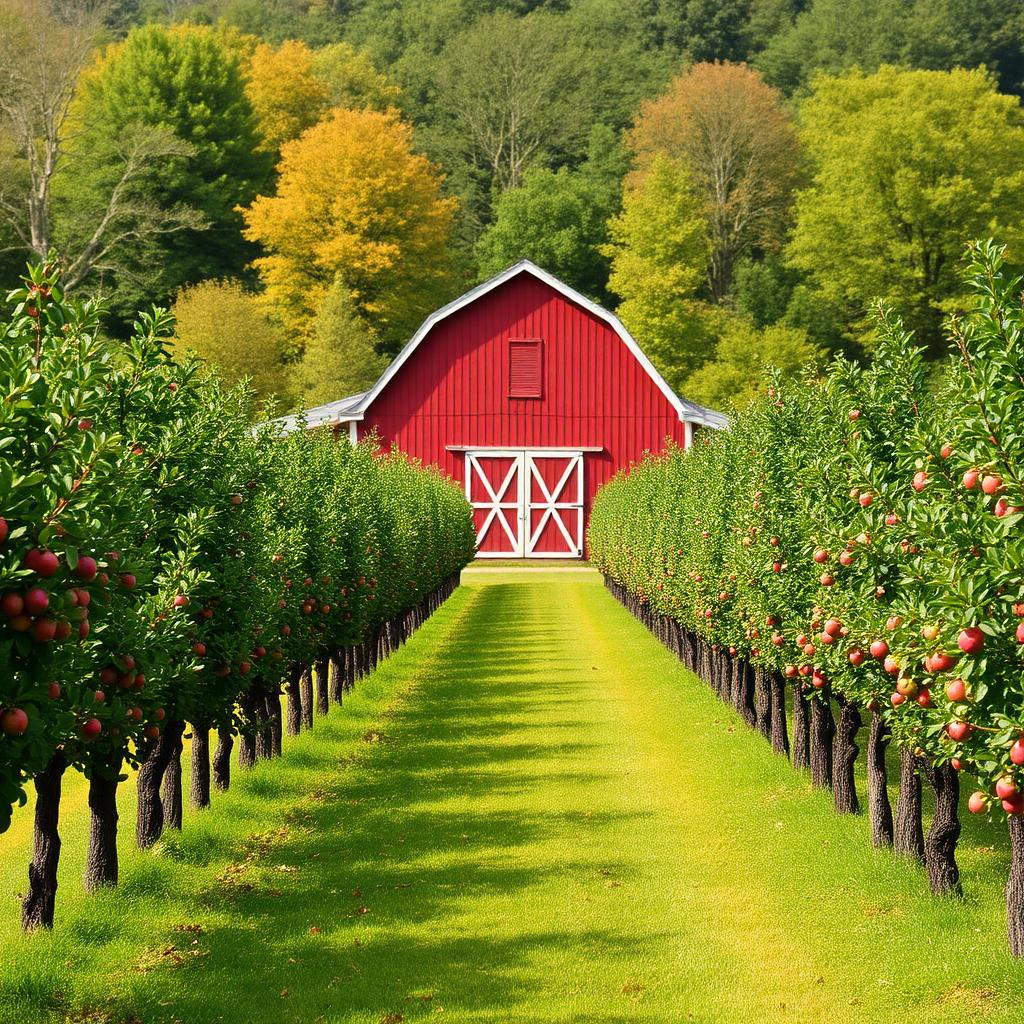
Today's PYO farms are more popular than ever, driven by a confluence of factors including a renewed interest in local food systems, health and wellness trends, and a desire for authentic, screen-free experiences. Consumers are increasingly conscious about where their food comes from, how it's grown, and its environmental impact. PYO farms offer unparalleled transparency and freshness, allowing visitors to see firsthand the care that goes into producing their food.
Many farms also emphasize sustainable practices, organic growing methods, and community engagement, further appealing to a socially conscious consumer base. They are not just places of commerce but educational hubs, connecting people, especially children, to the rhythms of nature and the hard work of farming.
Challenges and Innovations
Despite their popularity, modern PYO farms face challenges, including weather unpredictability, land development pressures, and the need to constantly innovate to meet changing consumer expectations. Technology, however, is also playing a role. Online booking systems, social media marketing, and even farm-specific apps are helping farms manage crowds, provide real-time updates on crop availability, and enhance the visitor experience.
The future of PYO farms will likely see continued innovation, a deeper emphasis on sustainability, and an even greater focus on creating memorable, immersive experiences that strengthen the bond between consumers and the land. They represent a vital link in our food system and a beloved part of American culture.
Frequently Asked Questions
When did pick-your-own farms first become popular in America?
The modern pick-your-own (PYO) farm model gained significant traction and widespread popularity in America after World War II, particularly from the 1950s through the 1970s, as farmers sought direct-to-consumer sales to mitigate rising labor costs and market pressures.
What were the main reasons PYO farms emerged?
PYO farms primarily emerged as an economic strategy for small and medium-sized family farms to reduce labor costs (for picking and packing), cut out wholesale intermediaries, and attract direct cash sales from consumers. It also offered consumers fresher produce at potentially lower prices.
How have PYO farms evolved over time?
PYO farms have evolved from simple agricultural outlets to comprehensive agritourism destinations. Initially focused on produce sales, they now often incorporate family activities, farm markets, educational programs, and seasonal events to offer a full recreational experience, expanding their appeal beyond just harvesting.
What types of crops were traditionally offered at PYO farms?
Traditionally, PYO farms offered high-volume, seasonal crops that were relatively easy for consumers to pick. Common examples include strawberries, blueberries, raspberries, peaches, and, most prominently, apples, which remain a staple of fall PYO operations.
Are PYO farms still relevant today?
Absolutely. PYO farms are more relevant than ever. They cater to a growing consumer demand for fresh, local, and sustainably grown produce, provide unique recreational and educational family experiences, and offer a vital connection to agriculture in an increasingly urbanized society.
What is agritourism and how does it relate to PYO?
Agritourism encompasses any farm-based activity that brings visitors to a farm for enjoyment, education, or active participation. PYO is a core component of agritourism, as it directly involves visitors in the agricultural process, often combined with other farm-based attractions and amenities like farm markets, mazes, and events.
Tags
Explore more on Apple Picking Finder
Find orchards near you →
See the closest U-Pick apple farms with hours, pricing, and directions.
Apple varieties guide →
50+ varieties with taste notes, ripening windows, and best uses.
Ripening calendar →
When each variety is ready to pick, month by month, across the US.
Apple recipes →
60+ tested recipes for pies, crisps, cider, butter, and more.
Keep reading

Mastering Orchard Fun: Apple Picking Strategies for Young Families
Apple picking with kids can be a magical experience, creating cherished family memories and fostering a love for nature. But let's be honest, it can also quickly devolve into a chaotic scene. This guide offers practical tips to ensure your next orchard adventure is joyful, stress-free, and full of d
Furry Friends in the Orchard: Your Guide to Pet-Friendly Picking
Bringing your beloved canine companion along for a day of apple picking can elevate the experience from great to unforgettable. But navigating orchards with pets requires preparation and awareness. Discover how to make your visit smooth and enjoyable for everyone.
Celebrate Love & Harvest: Ultimate Orchard Weddings & Fall Event Guide
Imagine saying 'I do' amidst rows of golden apple trees or celebrating autumn's bounty under a crisp sky. Orchard weddings and fall events offer a uniquely charming, rustic, and unforgettable experience for any special occasion. Dive into our comprehensive guide.