Roots of Recreation: The Enduring History of Pick-Your-Own Farms in America
Dive into the fascinating history of pick-your-own farms in the United States. From their humble beginnings as a practical solution for farmers to their evolution into beloved family traditions, discover how this unique agricultural model blossomed.

For many, the image of a pick-your-own (PYO) farm conjures up idyllic memories of crisp autumn days, bountiful harvests, and the sweet scent of fresh apples. It is a cherished family tradition, a connection to the land, and a delightful escape from the hustle and bustle of modern life. But have you ever wondered how this unique agricultural model, where consumers become temporary harvesters, came to be such a widespread and beloved American institution?
The story of pick-your-own farms is deeply interwoven with the history of American agriculture, evolving from a pragmatic solution for farmers into a cornerstone of agritourism. It reflects shifts in consumer behavior, economic pressures on family farms, and a perennial human desire to connect with the source of our food.
The Early Days: A Practical Necessity, Not a Pastime
Before the mid-20th century, the concept of a dedicated "pick-your-own" operation as we understand it today was largely non-existent. Farmers, particularly those with perishable crops like fruits and vegetables, faced constant challenges with labor and market access. Harvesting was an arduous, labor-intensive process, and getting produce to urban markets efficiently often involved complex logistics and intermediaries.
However, an informal version of PYO has existed for centuries. In rural communities, neighbors often helped neighbors with harvests, sometimes receiving a share of the produce in return. Farmers with surplus crops might also allow local residents to gather what was left after commercial harvesting, rather than letting it go to waste. This was less about a curated "experience" and more about practical resource utilization and community exchange.
Post-War Boom and the Rise of the Middleman
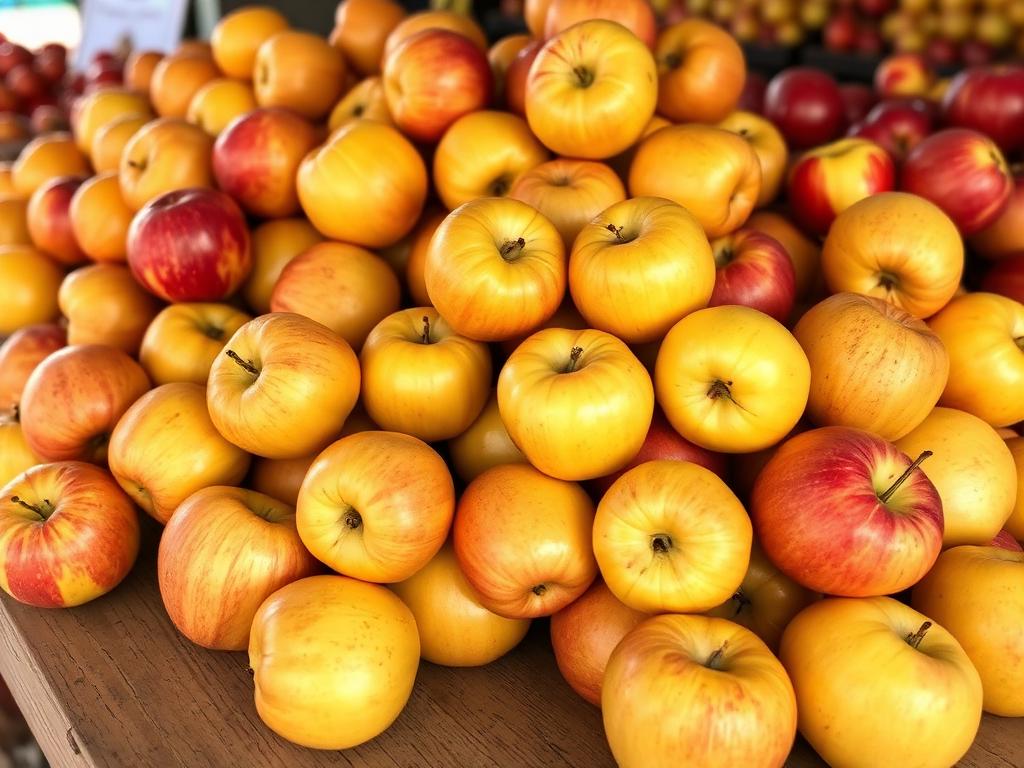
The decades following World War II brought significant changes to American agriculture. Increased mechanization, improved transportation, and the growth of large grocery chains began to centralize food distribution. Farmers increasingly sold their produce to wholesalers, who then distributed it to supermarkets. This system, while efficient in many ways, began to distance consumers from the farm.
For many small to medium-sized family farms, this new dynamic presented challenges. They struggled to compete with larger commercial operations and faced shrinking profit margins from middlemen. The fresh, direct-from-the-farm appeal began to wane as standardized produce became the norm in grocery stores.
The Birth of the Modern PYO Model: The 1960s and 70s
The modern pick-your-own movement really began to take shape in the 1960s and 1970s. Faced with rising labor costs for harvesting, a desire to cut out the middleman, and a need to generate additional income, some forward-thinking farmers started experimenting with direct-to-consumer sales where the customer did the picking.
This period also coincided with a growing consumer interest in fresh, locally sourced food, a desire for authenticity, and a burgeoning environmental movement that encouraged a deeper connection to nature. Families were looking for affordable, wholesome outings, and PYO farms offered just that.
- **Cost Savings for Farmers:** Eliminating hired harvesting labor significantly reduced operational expenses.
- **Fresher Produce for Consumers:** Customers could pick produce at its peak ripeness, often within minutes of being consumed.
- **Direct Connection:** PYO fostered a direct relationship between farmers and their customers, building trust and loyalty.
- **Educational Value:** It offered an invaluable opportunity for urban and suburban families to see where their food comes from.
- **Family-Friendly Recreation:** PYO provided an engaging, affordable outdoor activity for all ages.
Many of the early pick-your-own operations focused on berries, especially strawberries and blueberries, which are delicate and labor-intensive to harvest commercially, making them ideal for customer picking.
The Expansion of Crops and Experiences: 1980s and 90s
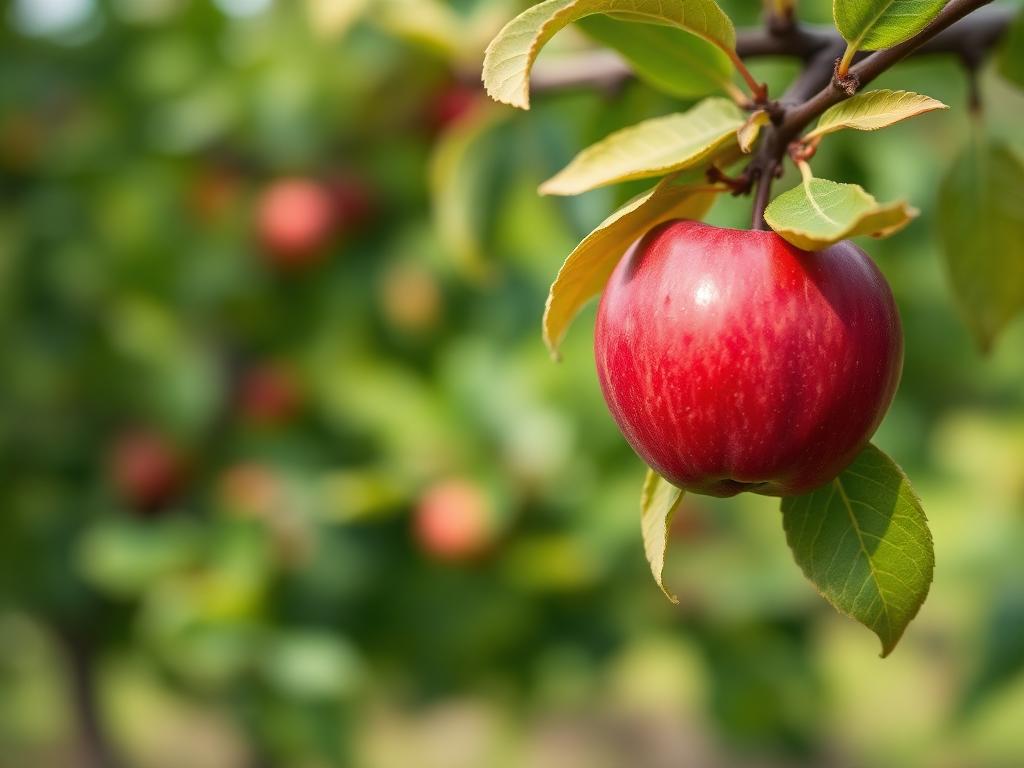
As the PYO model proved successful, farmers began to expand their offerings beyond just berries. Apple orchards, pumpkin patches, corn mazes, and even Christmas tree farms adopted the direct-picking approach. The focus started to shift from purely transactional to experiential. Farms realized that customers weren't just coming for the produce; they were coming for the outing.
This era saw the gradual addition of amenities like farm stands selling baked goods, jams, and ciders. Picnic areas, playground equipment, and even petting zoos began to appear, transforming PYO farms into full-fledged agritourism destinations. The goal was to extend the visit, enhance the family experience, and diversify revenue streams.
The Agritourism Boom: 21st Century and Beyond
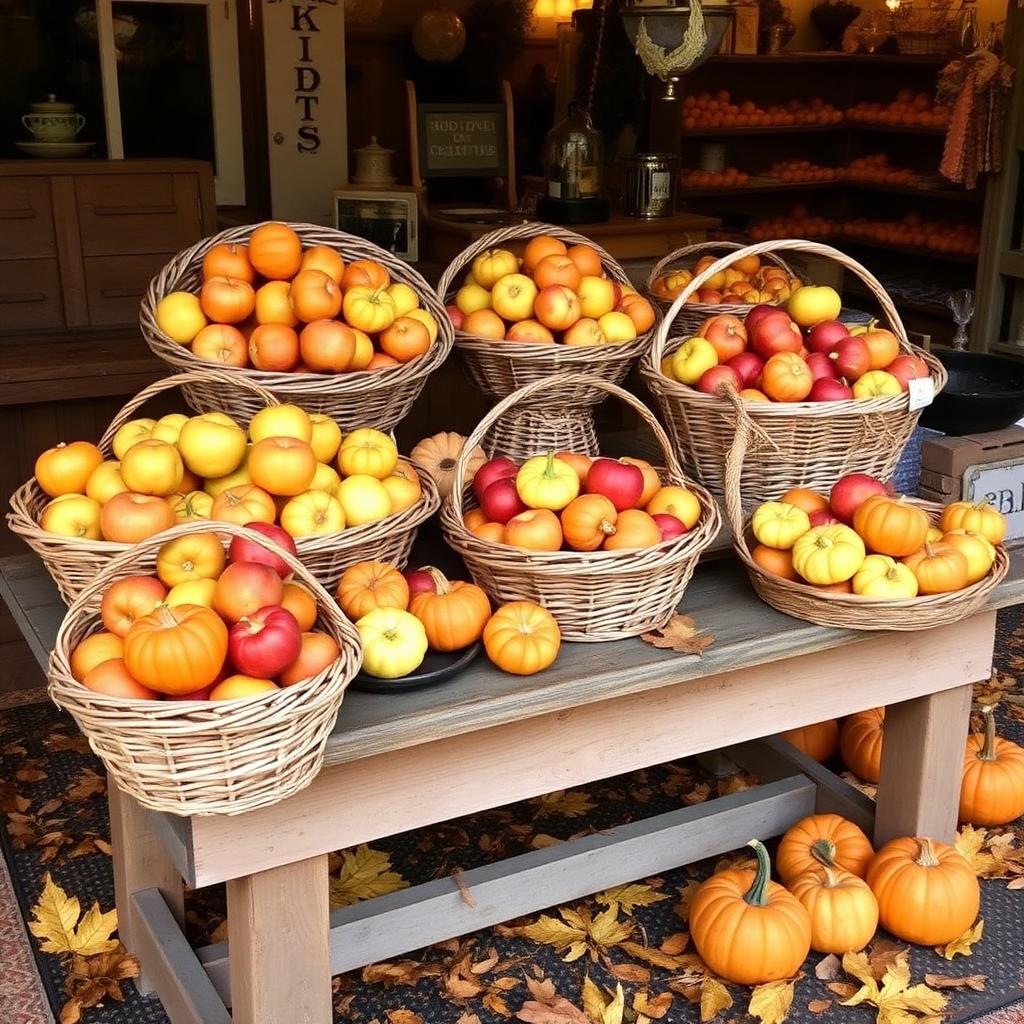
Today, pick-your-own farms are at the forefront of the agritourism industry. They have become beloved seasonal traditions, particularly in the fall with apple and pumpkin picking, drawing millions of visitors annually. The appeal has only grown stronger in recent years, fueled by a renewed emphasis on healthy eating, local food movements, and a desire to unplug and reconnect with nature.
Modern PYO farms often incorporate sophisticated marketing, online booking, and a wide array of activities beyond just picking. Tractor rides, fall festivals, live music, craft vendors, and farm-to-table dining experiences are now common. They represent a successful adaptation of traditional agriculture to meet contemporary consumer demands for authentic, engaging, and educational experiences.
The pandemic, surprisingly, gave an unexpected boost to PYO farms, as they offered a safe, outdoor activity during a time of limited options. This highlighted their resilience and continued relevance as community anchors and providers of joy.
The Enduring Legacy and Future Outlook
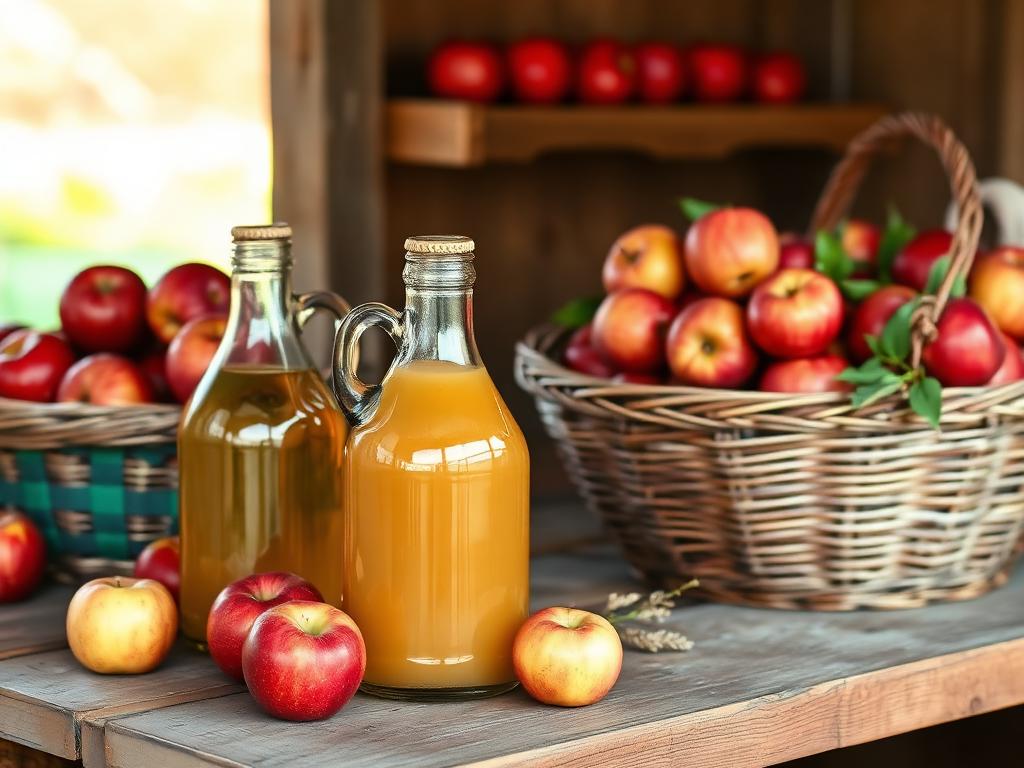
The history of pick-your-own farms in America is a testament to the ingenuity of farmers and the enduring human desire for connection to the land and the food we eat. From humble beginnings born out of economic necessity, PYO has blossomed into a vibrant industry that supports local economies, preserves open spaces, and creates lasting memories for countless families.
As we look to the future, PYO farms are likely to continue evolving, embracing sustainable practices, exploring new crop varieties, and further integrating technology to enhance the visitor experience. What remains constant is their fundamental promise: a chance to step away from the everyday, breathe in the fresh air, and gather the fruits of the earth with your own hands.
Frequently Asked Questions
When did pick-your-own farms become popular in the United States?
The modern pick-your-own (PYO) model began to gain popularity in the 1960s and 1970s, as farmers sought direct sales methods and consumers looked for fresh produce and family-friendly activities. Its growth accelerated significantly from the 1980s onwards.
What motivated farmers to start pick-your-own operations?
Farmers were primarily motivated by the desire to reduce labor costs associated with harvesting, increase profit margins by selling directly to consumers, and find new ways to sustain their family farms amidst changing agricultural markets and competition from larger operations.
What types of crops were first offered for pick-your-own?
Early pick-your-own operations often focused on berries, such as strawberries and blueberries. These crops are perishable and require significant manual labor to harvest, making them ideal candidates for customer picking.
How has the pick-your-own experience evolved over time?
Initially, PYO was a simple transaction focused solely on picking produce. Over time, it evolved into an "agritourism" experience, with farms adding amenities like farm stands, baked goods, cider, hayrides, corn mazes, petting zoos, and seasonal festivals to attract visitors and diversify revenue.
Are pick-your-own farms still relevant today?
Yes, pick-your-own farms are more relevant than ever. They cater to a growing consumer interest in local, fresh food, support agricultural preservation, and provide valuable educational and recreational opportunities for families looking to connect with nature and understand where their food comes from.
What is the difference between PYO and U-pick?
There is no difference; "PYO" (pick-your-own) and "U-pick" are interchangeable terms used to describe the same type of farm operation where customers harvest their own produce directly from the fields or orchards.
Tags
Explore more on Apple Picking Finder
Find orchards near you →
See the closest U-Pick apple farms with hours, pricing, and directions.
Apple varieties guide →
50+ varieties with taste notes, ripening windows, and best uses.
Ripening calendar →
When each variety is ready to pick, month by month, across the US.
Apple recipes →
60+ tested recipes for pies, crisps, cider, butter, and more.
Keep reading
Mastering Orchard Fun: Apple Picking Strategies for Young Families
Apple picking with kids can be a magical experience, creating cherished family memories and fostering a love for nature. But let's be honest, it can also quickly devolve into a chaotic scene. This guide offers practical tips to ensure your next orchard adventure is joyful, stress-free, and full of d
Furry Friends in the Orchard: Your Guide to Pet-Friendly Picking
Bringing your beloved canine companion along for a day of apple picking can elevate the experience from great to unforgettable. But navigating orchards with pets requires preparation and awareness. Discover how to make your visit smooth and enjoyable for everyone.
American PYO Farms: A Journey From Survival to Agritourism
Dive into the fascinating history of pick-your-own (PYO) farms in America, tracing their evolution from essential family subsistence to cherished agritourism destinations. Discover how economic shifts, consumer desires, and a yearning for connection to the land shaped this unique agricultural model.