Orchard Photography Mastery: Tips for Stunning Apple Picking Photos
Capture the true essence of autumn with breathtaking photos from your next apple picking adventure. Our comprehensive guide offers practical tips and creative ideas to elevate your orchard photography, from golden hour magic to candid family moments.

Stepping into an apple orchard during the fall harvest is an experience that awakens the senses: the crisp air, the sweet scent of ripening fruit, and the vibrant tapestry of red, gold, and green. It is a picturesque setting, practically begging to be captured through the lens of a camera. Whether you are using a smartphone or a DSLR, transforming these fleeting moments into lasting photographic memories requires a thoughtful approach.
This guide will equip you with the knowledge to move beyond simple snapshots, helping you compose evocative and beautiful images that truly convey the magic of your apple picking adventure. From understanding light to telling a story, let us delve into the art of orchard photography.
Understanding Light: Your Photography's Best Friend
Light is the single most important element in photography. How you utilize it can dramatically change the mood and quality of your photos.
The Golden Hour: Magical Moments
The hour after sunrise and the hour before sunset, often referred to as the 'golden hour,' casts a warm, soft, and inviting glow that is incredibly flattering for portraits and landscapes alike. This light adds depth and richness to the red and yellow tones of the apples and fall leaves.
Overcast Days: Soft and Even Illumination
Do not dismiss an overcast day. Clouds act as a giant diffuser, softening harsh shadows and providing even, consistent lighting. This is excellent for close-up shots of apples, detailed textures, and portraits where you want to avoid squinting or strong highlights.
Backlighting: Adding Sparkle
Positioning your subject, whether it is an apple, a person, or a row of trees, between your camera and the light source can create a beautiful halo effect. Be careful to expose for your subject, not the bright background, to avoid silhouettes unless that is the effect you are aiming for.
Composition: Framing Your Story
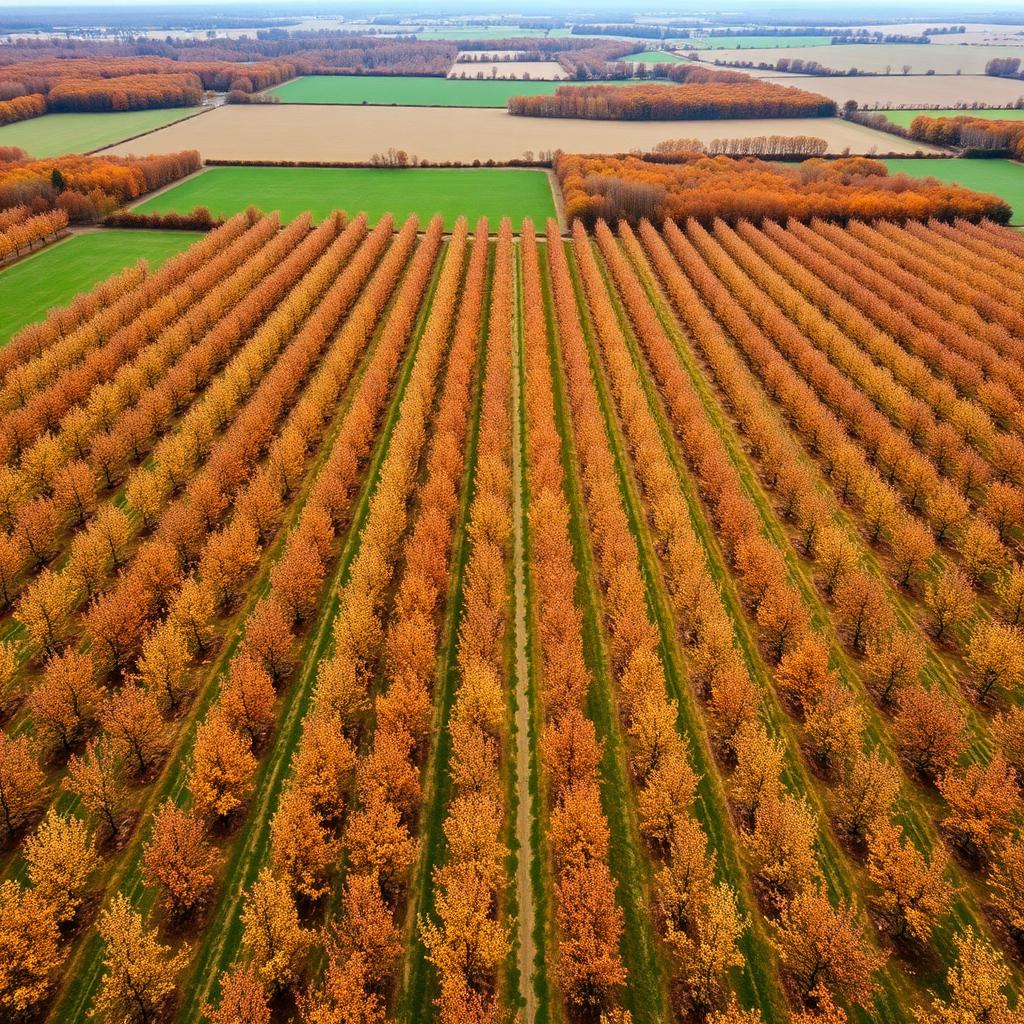
Good composition draws the viewer's eye and helps convey your message or feeling. Think about how elements are arranged within your frame.
The Rule of Thirds
Imagine your frame divided into a nine-segment grid. Placing your main subject along these lines or at their intersections often creates a more balanced and engaging image than simply centering it.
Leading Lines and S-Curves
Rows of apple trees naturally create leading lines that can guide the viewer's eye deep into the photograph, adding depth and perspective. Paths, fences, or even the natural curve of a branch can serve a similar purpose.
Framing Naturally
Use tree branches, leaves, or even a person's outstretched arm to naturally frame your subject, adding context and depth to the photo. This can turn an ordinary shot into something artistic.
Details and Macro Shots: The Small Wonders
While sweeping vistas are beautiful, sometimes the most compelling images are found in the small details.
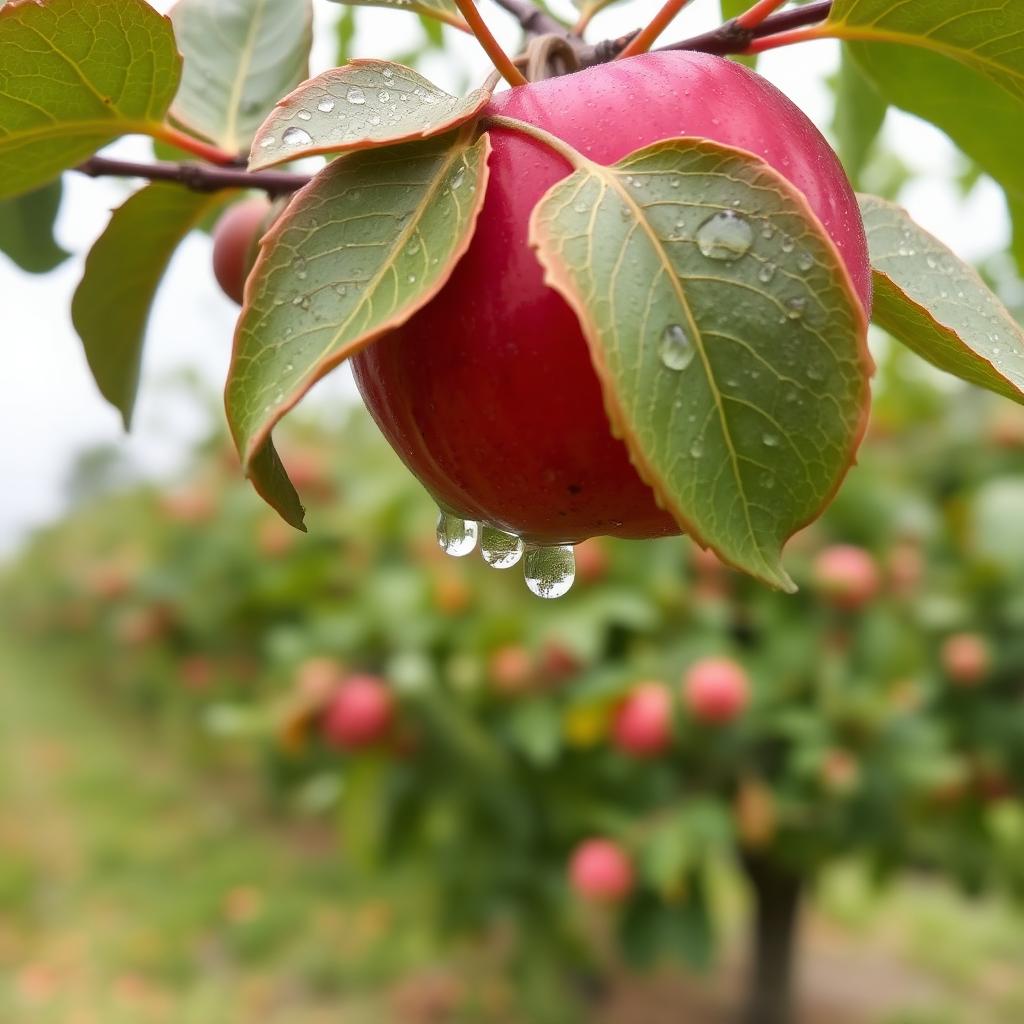
- Dew Drops on Apples: Early morning visits can reveal glistening dew drops on the fruit, adding a fresh, delicate touch.
- Leaf Textures: Capture the intricate veins and changing colors of individual leaves.
- Worker's Hands: Focus on the hands picking an apple, telling a story of effort and harvest.
- Insect Life: A ladybug on a leaf or a bee buzzing near a blossom can add an unexpected element of nature.
Portraits and People: Capturing the Joy
Apple picking is often a social activity. Documenting the people you are with adds a powerful human element to your photography.
Candid Moments: Authentic Expressions
Instead of always asking people to pose, try to capture them interacting naturally with the orchard environment, laughing, reaching for apples, or enjoying a snack. These candid shots often feel more genuine and evoke stronger emotions.
Interaction with Apples
Focus on children reaching for apples, someone taking a bite, or hands holding a freshly picked fruit. These interactions emphasize the 'picking' aspect of the experience.
Hats and Props
A cute hat, a woven basket, or a picnic blanket can add charm and visual interest to your portraits. Just make sure they complement the scene rather than distract from it.
A staggering number of photographers agree that the most memorable photos often stem from capturing genuine emotion and interaction, not just perfect poses.
Gear and Settings: Making the Most of Your Tools
You do not need professional equipment for great photos, but understanding your camera's capabilities helps.
Smartphones: Utilize Portrait Mode and Editing Apps
Modern smartphones have impressive cameras. Use 'Portrait Mode' to blur backgrounds, making your subject stand out. Explore built-in editing tools or third-party apps to enhance colors, contrast, and sharpness.
DSLR/Mirrorless Cameras: Aperture, Shutter Speed, ISO
- Aperture (f-stop): Use a wide aperture (smaller f-number, like f/2.8 or f/4) for a shallow depth of field, blurring the background to make your subject pop. A narrower aperture (larger f-number, like f/8 or f/11) keeps more of the scene in focus, great for landscapes.
- Shutter Speed: A faster shutter speed (e.g., 1/500 sec) freezes motion, useful for active kids or falling apples. A slower speed (e.g., 1/60 sec) is fine for stationary subjects but may require a steady hand.
- ISO: Keep ISO as low as possible (e.g., 100-400) in good light to minimize grain or noise in your photos. Increase it only when necessary in darker conditions.
Perspective and Angles: Seeing Anew
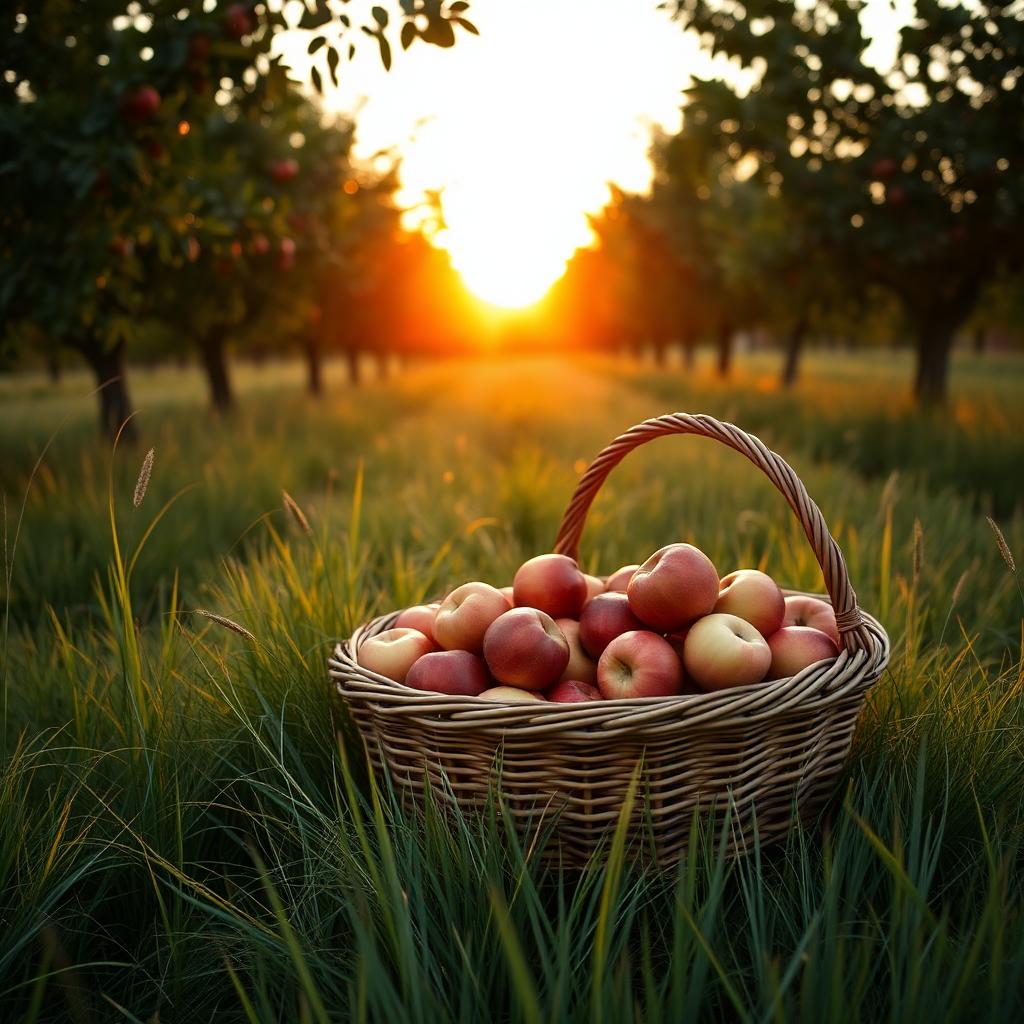
Change your viewpoint to create unique and dynamic shots.
Get Low, Get High
Try crouching down to photograph apples from a child's perspective, or getting above the trees (if safe and permitted, perhaps from a hill) to capture the sweeping patterns of the orchard rows.
Shoot Through Elements
Photographing through leaves or branches in the foreground can add a sense of depth and mystery, creating a natural frame around your subject.
Storytelling Through Your Lens: The Narrative Arc
Think about the journey. How can your photos tell a cohesive story?
Beginning, Middle, End
Start with wide shots of the orchard, move to people interacting with the trees, then close-ups of picking, and finally, shots of baskets filled with apples or people enjoying their harvest. This creates a visual narrative of the day.
Emotions and Atmosphere
Aim to capture the feeling of the day. Is it peaceful and serene, or lively and joyful? Let the emotions shine through your subjects' expressions and the overall mood of your images.
Post-Processing: Enhancing Your Vision
Editing is where you can truly refine your images and bring out their full potential. Even subtle adjustments can make a big difference.
Color Correction
Adjust white balance to ensure colors are accurate. Boost saturation and vibrance slightly to make the reds, greens, and yellows of the apples and leaves pop.
Contrast and Clarity
Increasing contrast can add depth, while a touch of clarity can make details appear sharper without over-sharpening. Be careful not to overdo these adjustments, as it can make photos look artificial.
Cropping and Straightening
Refine your composition by cropping out distracting elements or straightening a slightly tilted horizon. These simple edits can dramatically improve the overall balance of your photo.
Respecting the Orchard and Fellow Pickers
Always be mindful of your surroundings. Do not climb trees unless explicitly permitted, avoid obstructing pathways, and be respectful of other visitors' privacy. Ask for permission before taking close-up photos of strangers.
Conclusion: Capture the Autumn Essence
Apple picking is more than just collecting fruit; it is an annual tradition, a connection to nature, and a source of cherished memories. By applying these photography tips, you can capture the vibrant beauty and heartwarming moments of your orchard visit, preserving the magic of autumn for years to come. So, grab your camera, head to your favorite orchard, and start creating stunning visual stories.
Frequently Asked Questions
How can I make my apple photos look more professional?
Focus on good lighting, especially the golden hour or overcast days. Use composition techniques like the rule of thirds, ensure a clean background, and pay attention to small details. Post-processing to enhance colors and contrast can also make a significant difference.
What is the best time of day to photograph in an apple orchard?
The best times are typically the 'golden hour,' which is the hour after sunrise and the hour before sunset. The soft, warm light during these periods is incredibly flattering. Overcast days also offer excellent, even lighting.
Should I use a flash when taking photos in an orchard?
Generally, it is best to avoid direct flash in an orchard, as it can create harsh shadows and unnatural lighting. If you need more light, try using a reflector to bounce natural light or consider a diffused off-camera flash for more controlled illumination.
How do I capture good photos of children picking apples?
Get down to their eye level for a more engaging perspective. Focus on candid moments of them interacting with the apples, reaching, laughing, or taking a bite. Use a fast shutter speed to freeze their motion and capture their joyful expressions.
What camera settings are best for blurring the background in orchard photos?
To achieve a blurred background (bokeh), use a wide aperture (a smaller f-number, like f/1.8, f/2.8, or f/4). Position your subject further away from the background and closer to your camera. A longer focal length lens can also enhance this effect.
Are there any specific safety tips for photography in an orchard?
Always watch your step, as the ground can be uneven. Be mindful of falling fruit or low branches. Never climb trees unless explicitly allowed, and always respect private property and fellow visitors. Avoid blocking pathways or views for others.
Tags
Explore more on Apple Picking Finder
Find orchards near you →
See the closest U-Pick apple farms with hours, pricing, and directions.
Apple varieties guide →
50+ varieties with taste notes, ripening windows, and best uses.
Ripening calendar →
When each variety is ready to pick, month by month, across the US.
Apple recipes →
60+ tested recipes for pies, crisps, cider, butter, and more.
Keep reading

Mastering Orchard Fun: Apple Picking Strategies for Young Families
Apple picking with kids can be a magical experience, creating cherished family memories and fostering a love for nature. But let's be honest, it can also quickly devolve into a chaotic scene. This guide offers practical tips to ensure your next orchard adventure is joyful, stress-free, and full of d
Furry Friends in the Orchard: Your Guide to Pet-Friendly Picking
Bringing your beloved canine companion along for a day of apple picking can elevate the experience from great to unforgettable. But navigating orchards with pets requires preparation and awareness. Discover how to make your visit smooth and enjoyable for everyone.
American PYO Farms: A Journey From Survival to Agritourism
Dive into the fascinating history of pick-your-own (PYO) farms in America, tracing their evolution from essential family subsistence to cherished agritourism destinations. Discover how economic shifts, consumer desires, and a yearning for connection to the land shaped this unique agricultural model.