Mastering Apple Longevity: Store and Preserve Your Freshly Picked Harvest
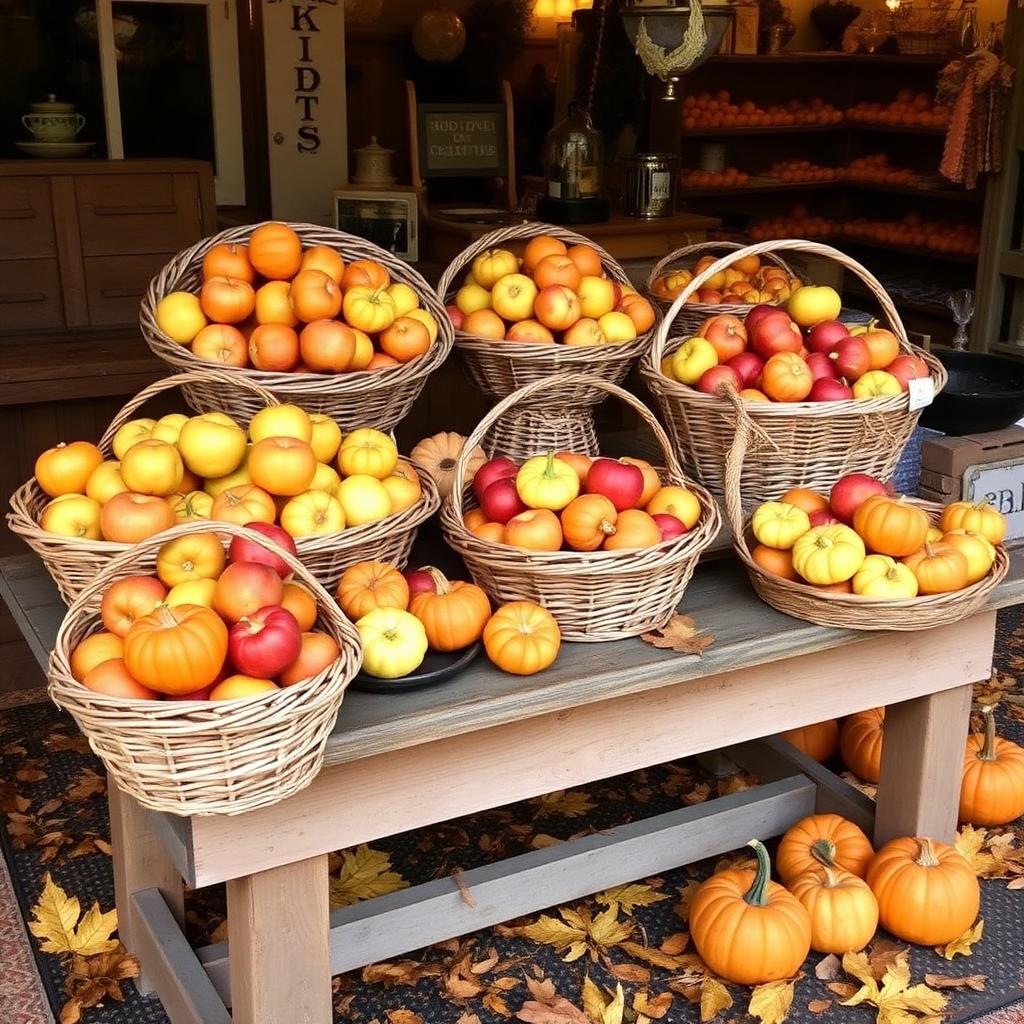
You've spent a glorious day at the orchard, baskets overflowing with crisp, sun-kissed apples. Now, the delightful challenge begins: how do you ensure that incredible freshness lasts, savoring your harvest long after picking season ends? It's easier than you think!

There's nothing quite like the crunch of a freshly picked apple, still cool from the orchard air. After a rewarding day of U-pick adventures, looking at your bountiful basket, a common question arises: how do I make this delicious abundance last? Luckily, with a few simple techniques, you can enjoy the fruits of your labor, quite literally, for weeks and even months to come. Preserving your apple harvest isn't just about extending their shelf life; it's about capturing that peak freshness and enjoying a taste of autumn throughout the year.
From simple cool storage to more involved methods like canning and drying, there's a strategy for every apple lover and every culinary use. Let's delve into the best ways to keep your apples crisp, flavorful, and ready for enjoying, baking, or sharing.
Picking the Right Apples for Storage
Not all apples are created equal when it comes to long-term storage. While every apple is delicious in its own right, some varieties are simply better suited to extended keeping than others. Knowing which ones to prioritize for preservation can make a significant difference in your success.
Ideal Varieties for Long-Term Storage
- Fuji: Known for their exceptional crispness and sweet flavor, Fujis store remarkably well.
- Granny Smith: Their tartness and firm flesh make them excellent keepers, maintaining their texture for months.
- Honeycrisp: While famous for their snap, Honeycrisp apples also have good storage potential, especially when stored correctly.
- Braeburn: These firm, sweet-tart apples are another great choice for extended storage.
- Rome Beauty: Often considered a baking apple, Romes hold their shape and flavor exceptionally well in storage.
- Northern Spy: A classic storage apple, known for its firm texture and rich flavor that improves over time.
When you're at the orchard, ask the growers for their recommendations. They often have specific insights into which of their varieties perform best in storage.
Assessing Apple Quality for Storage
Before you even think about putting apples away, a quick inspection is crucial. Discard any apples with bruises, cuts, wormholes, or soft spots. Even a small imperfection can quickly lead to spoilage that can spread to healthy apples. Only the most pristine apples deserve a place in your long-term storage plan. Think of it as a quality control step that pays off in the long run.
Immediate Steps After Picking
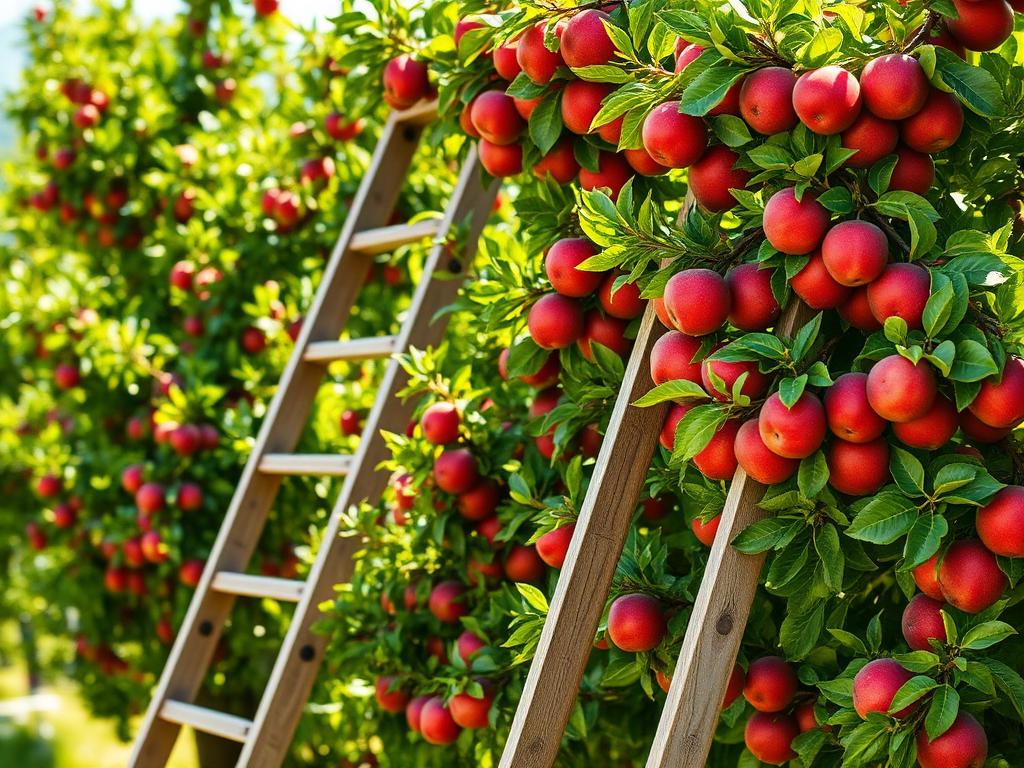
Once you've brought your apples home, a few immediate actions can significantly impact their longevity.
Do Not Wash Immediately
Resist the urge to wash your apples right away. Apples naturally have a protective waxy coating that helps seal in moisture and ward off spoilage. Washing them off prematurely can remove this coating, making them more susceptible to dehydration and rot. Only wash apples just before you're ready to use or process them.
Sort and Inspect Again
Even if you inspected them at the orchard, give your apples another thorough check at home. Separate any that show new blemishes. These 'rejects' aren't wasted, though, they're perfect candidates for immediate consumption, baking into pies, making applesauce, or juicing.
Short-Term Storage Solutions (Weeks)
For apples you plan to eat within a few weeks, simple and effective methods ensure they remain crisp and delicious.
Refrigeration: The Crisper Drawer Champion
Your refrigerator's crisper drawer is an apple's best friend for short to medium-term storage. The cool, humid environment slows down the ripening process considerably.
Best Practices:
- Place apples loosely in a plastic bag, ideally one with small ventilation holes, or even better, wrap each apple individually in a newspaper sheet to prevent one bad apple from spoiling the whole bunch and to absorb excess moisture.
- Keep them separate from other fruits and vegetables, especially those that emit ethylene gas (like bananas and tomatoes), as ethylene can accelerate apple ripening.
- Set your refrigerator to its optimal apple storage temperature, typically around 30-35°F (-1 to 2°C) if your model allows for such precise adjustments.
Cool, Dark, and Humid Environments
If you have a root cellar, an unheated garage, or a cool basement, these spaces can work wonderfully for several weeks, especially for larger quantities that won't fit in your fridge. The key is consistent coolness, darkness, and moderate humidity.
Considerations:
- Ensure good air circulation.
- Protect apples from rodents and insects.
- Monitor temperature and humidity. Too dry, and they shrivel; too damp, and they mold.
Long-Term Preservation Methods (Months)
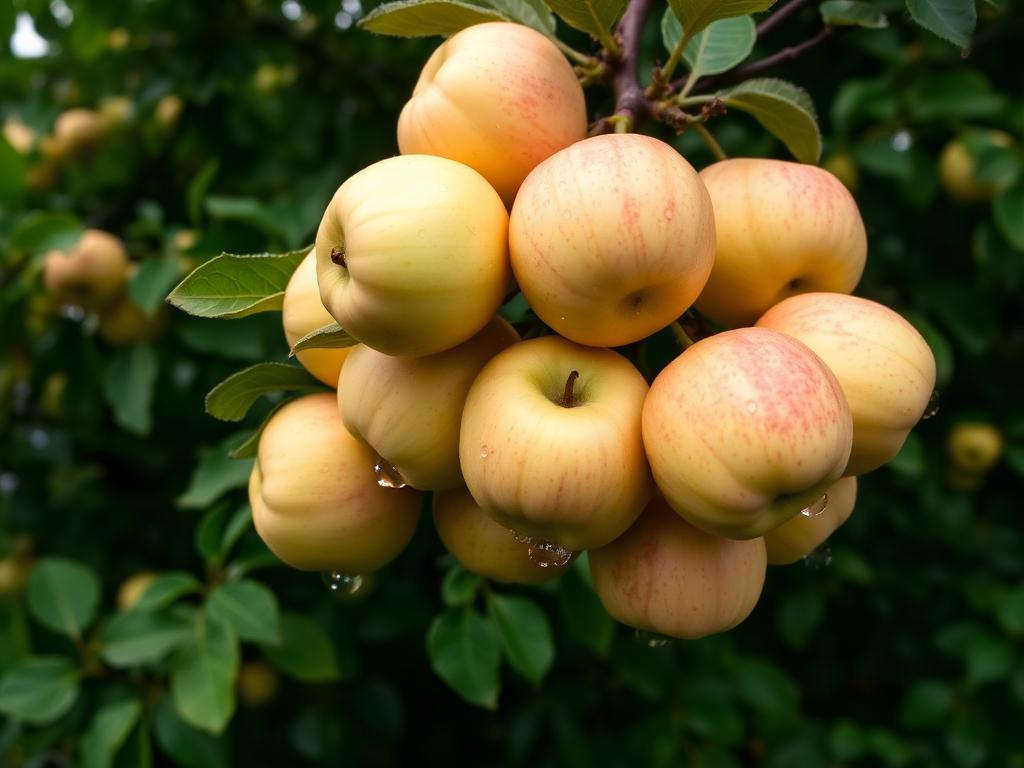
To truly extend your apple enjoyment beyond a few weeks, you'll want to turn to more robust preservation techniques. These methods allow you to lock in the flavor and nutrients for several months, sometimes even up to a year.
Canning Apples: A Taste of Autumn Any Time
Canning is a classic method for preserving apples, often in the form of applesauce, pie filling, apple butter, or sliced apples.
Steps for Canning Sliced Apples:
- Peel, core, and slice apples.
- Blanch slices in boiling water with a little lemon juice to prevent browning.
- Pack hot slices into sterilized canning jars, leaving 1/2 inch headspace.
- Cover with hot syrup (light or medium, depending on preference) or hot water.
- Remove air bubbles, wipe rims, and adjust lids.
- Process in a boiling water canner according to altitude and jar size recommendations (typically 20-25 minutes for pints).
Always follow tested canning recipes and guidelines from reputable sources like the National Center for Home Food Preservation to ensure safety.
Freezing Apples: Simple and Versatile
Freezing is perhaps the easiest long-term method, ideal for baking or making applesauce later.
How to Freeze Apple Slices:
- Peel, core, and slice apples to your desired thickness.
- To prevent browning, treat slices with an anti-darkening solution (e.g., lemon juice, ascorbic acid solution, or a commercial fruit protector).
- Spread slices in a single layer on baking sheets lined with parchment paper.
- Freeze until solid (flash freezing).
- Transfer the frozen slices to freezer bags or airtight containers, removing as much air as possible. Label with the date.
Flash freezing prevents the slices from clumping together, making it easier to grab just what you need later.
Drying Apples: A Healthy, Portable Snack
Dehydrated apples are a fantastic, wholesome snack that retains much of the apple's flavor and nutrients in a concentrated form.
Drying Process:
- Peel, core, and slice apples into uniform rings or thin pieces (1/8 to 1/4 inch thick).
- Pre-treat slices with a lemon juice solution or a sulfite dip to prevent browning.
- Arrange slices in a single layer on dehydrator trays or baking sheets.
- Dehydrate at 135-140°F (57-60°C) for 6-12 hours, or until leathery, pliable, and no moisture remains.
- If using an oven, set it to its lowest temperature, prop the door open slightly, and monitor carefully.
Store dried apples in airtight containers in a cool, dark place. They can last for several months.
Making Apple Puree or Sauce
Applesauce can be made in large batches and then canned or frozen. It's a forgiving way to use up a lot of apples, especially those that might be slightly bruised but still perfectly good inside.
To Make Applesauce:
- Wash, core, and roughly chop apples (peeling is optional, depending on preference).
- Cook with a small amount of water until soft.
- Process through a food mill for smooth sauce or mash for a chunkier texture.
- Sweeten to taste, if desired, and add spices like cinnamon.
- Can using a boiling water canner or freeze in freezer-safe containers.
Tips for Maximizing Apple Shelf Life
Beyond the specific methods, a few general principles apply to all forms of apple storage and preservation. It’s important to inspect your stored apples regularly, removing any that show signs of spoilage to prevent it from spreading.
Keep Them Cool
Temperature is perhaps the single most critical factor. For every 10-degree Fahrenheit increase in temperature, apples ripen roughly twice as fast. Aim for temperatures near freezing, but not below, for optimal results.
Maintain Humidity
Apples are mostly water, and they lose moisture over time. A relatively high humidity environment prevents shriveling. This is why a crisper drawer or a root cellar is so effective.
Separate the Spoilers
Ethylene gas, given off by ripening fruits (including apples themselves), accelerates ripening. Keeping apples in separate compartments or individually wrapped slows this process. Rotten apples produce even more ethylene, so swift removal is key to protecting the rest of your harvest.
Consider Specialized Storage Containers
Some people invest in specialized apple storage bins or crates designed to provide optimal air circulation while protecting apples. If you have a large harvest, these can be a worthwhile investment.
The Joy of Your Preserved Harvest
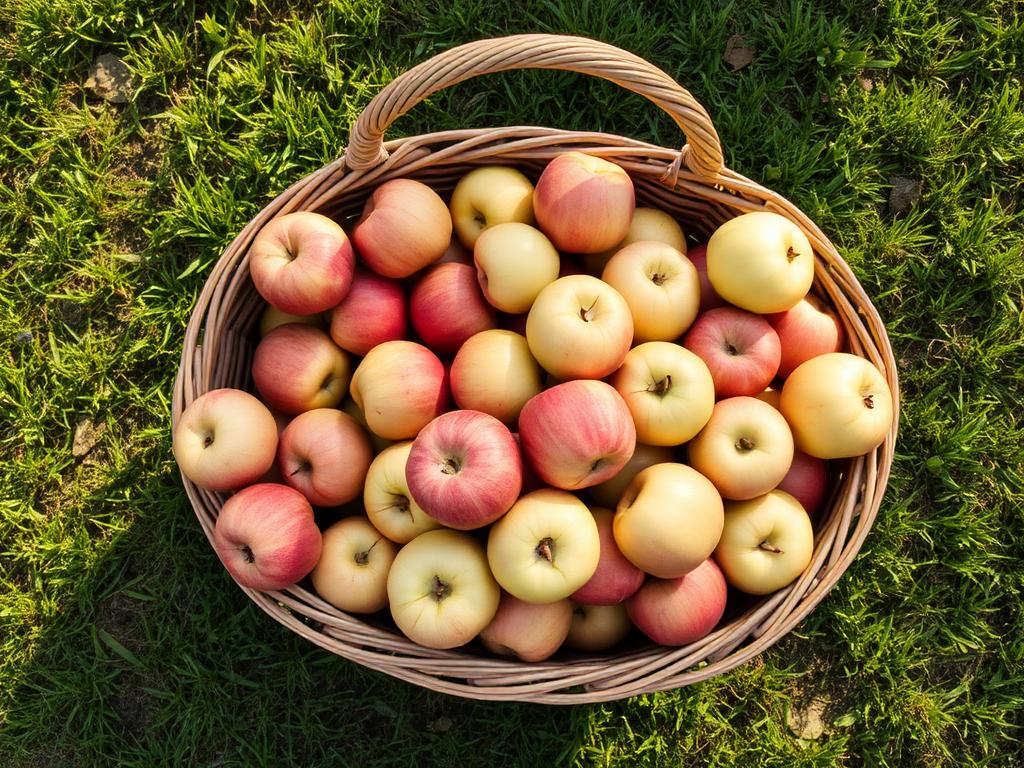
Imagine pulling out a jar of homemade apple pie filling in the depths of winter, or snacking on dried apple rings that taste like sunshine. Preserving your fresh-picked apples is a rewarding way to extend the magic of the orchard season. It’s a sustainable practice that reduces food waste and allows you to enjoy the unparalleled flavor of local, seasonal produce year-round. With these tips and techniques, your autumn apple bounty can truly be a gift that keeps on giving, bringing a taste of fresh, crisp goodness to your table for months to come.
Frequently Asked Questions
What are the absolute best apples for long-term storage?
Varieties like Fuji, Granny Smith, Honeycrisp, Braeburn, Rome Beauty, and Northern Spy are consistently rated among the best for long-term storage due to their firm flesh and ability to resist softening. Always check with your local orchard, as some heritage varieties they grow might also be excellent keepers.
How long can fresh apples last in the refrigerator?
When stored correctly in the crisper drawer of your refrigerator, unwashed apples can easily last for 4-8 weeks, and some varieties may even stay crisp for up to 3 months. The key is proper temperature, humidity, and airflow.
Can I store apples in a garage or shed?
Yes, if your garage or shed maintains a consistently cool temperature, ideally between 30-40°F (-1 to 4°C), and has good humidity without freezing. Avoid areas with extreme temperature fluctuations or direct sunlight, and always protect them from pests. Wrap individual apples in newspaper for best results.
How do I prevent apples from browning after slicing for preservation?
To prevent browning, especially when freezing or drying, soak apple slices briefly in a solution of lemon juice and water (about 1 tablespoon of lemon juice per cup of water). Ascorbic acid powder (Vitamin C) or a commercial fruit preserver can also be used effectively.
What's the difference between canning and freezing apples for long-term storage?
Canning involves processing apples (often as slices, sauce, or pie filling) in sealed jars using heat to create a vacuum seal, making them shelf-stable at room temperature for a year or more. Freezing involves rapidly chilling apples to a very low temperature, which halts spoilage, and storing them in freezer-safe containers. Frozen apples retain more of their fresh texture for baking but require freezer space.
Should I wash apples before storing them?
No, it's best not to wash apples before storing them long-term. Apples have a natural waxy coating that protects them and helps retain moisture. Washing this off can accelerate spoilage. Only wash apples just before you are ready to eat or process them.
Tags
Explore more on Apple Picking Finder
Find orchards near you →
See the closest U-Pick apple farms with hours, pricing, and directions.
Apple varieties guide →
50+ varieties with taste notes, ripening windows, and best uses.
Ripening calendar →
When each variety is ready to pick, month by month, across the US.
Apple recipes →
60+ tested recipes for pies, crisps, cider, butter, and more.
Keep reading
Mastering Orchard Fun: Apple Picking Strategies for Young Families
Apple picking with kids can be a magical experience, creating cherished family memories and fostering a love for nature. But let's be honest, it can also quickly devolve into a chaotic scene. This guide offers practical tips to ensure your next orchard adventure is joyful, stress-free, and full of d
Furry Friends in the Orchard: Your Guide to Pet-Friendly Picking
Bringing your beloved canine companion along for a day of apple picking can elevate the experience from great to unforgettable. But navigating orchards with pets requires preparation and awareness. Discover how to make your visit smooth and enjoyable for everyone.
American PYO Farms: A Journey From Survival to Agritourism
Dive into the fascinating history of pick-your-own (PYO) farms in America, tracing their evolution from essential family subsistence to cherished agritourism destinations. Discover how economic shifts, consumer desires, and a yearning for connection to the land shaped this unique agricultural model.