Unpacking Apple Industry News: Market Dynamics, Price Trends, and Your Orchard Visit
The apple industry is a complex and ever-evolving landscape. From global trade shifts to local weather patterns, numerous factors influence the health of our orchards and the prices we pay. This deep dive explores current trends, what shapes apple costs, and what it means for your next pick-your-own
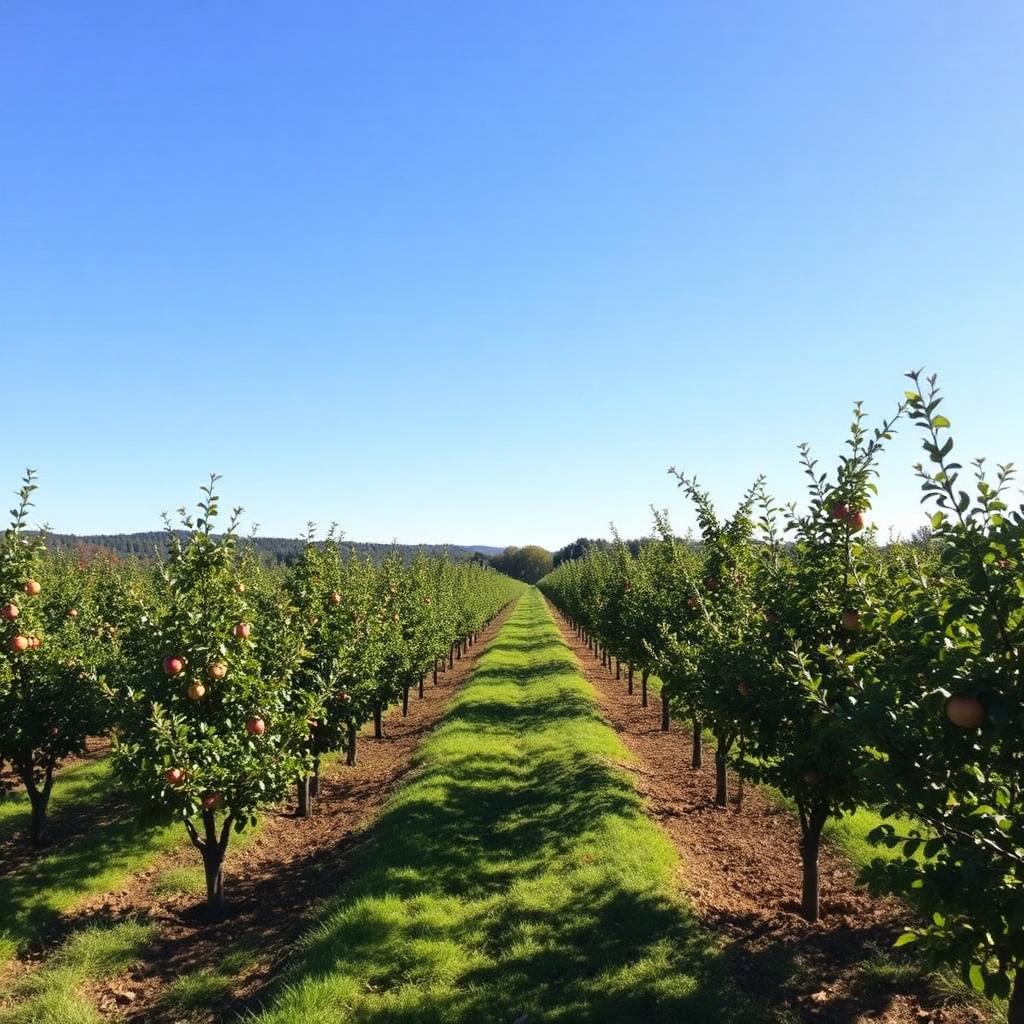
The apple industry, a cornerstone of American agriculture and a cherished tradition for many families, is far from static. It's a vibrant, sometimes volatile, sector constantly responding to a myriad of influences from farm to table. Understanding these dynamics offers a richer appreciation for the fruit and the dedicated individuals who bring it to our baskets.
This comprehensive look into current apple industry news and price trends will illuminate the forces at play. We'll explore everything from growing conditions and labor costs to global trade and consumer preferences, offering insights that affect both commercial growers and your local pick-your-own orchard.
The Current State of the Apple Harvest: A Mixed Bag
Recent harvests across various regions have presented a nuanced picture for apple growers. While some areas have reported strong yields of certain popular varieties, others have faced challenges due to unpredictable weather patterns, including late frosts or excessive rain during crucial growing periods. This geographical variability means that while your local orchard might be brimming, others in different states could be facing tougher seasons.
Specific varieties, too, can experience differing fortunes. Newer, club varieties with proprietary growing agreements often have more stable supply chains and pricing. Meanwhile, heritage or more common varieties might see greater fluctuation based on regional oversupply or scarcity. This diversity ensures a wide selection for consumers but adds complexity for growers managing their crops.
Understanding Apple Pricing: More Than Just Supply and Demand
Many factors contribute to the final price consumers pay for apples, whether at a grocery store or a pick-your-own (PYO) farm. It's an intricate dance of agricultural economics that goes far beyond simple supply and demand. These elements collectively shape the cost structure for growers and, subsequently, the price per pound or bushel for you.
- Labor Costs: Picking apples is labor-intensive work. Wages for skilled orchard workers are a significant operational expense, and these costs have been steadily climbing in many regions.
- Input Costs: Fertilizers, pesticides, irrigation, and fuel for farm machinery are essential for a healthy crop. Fluctuations in global commodity markets directly impact these critical input costs for growers.
- Transportation & Logistics: Moving apples from orchard to market, especially for commercial growers, involves substantial shipping costs. Fuel prices, road conditions, and driver availability all play a role.
- Storage Technology: Modern controlled atmosphere (CA) storage prolongs the apple season, but investing in and operating these facilities adds to overhead.
- Marketing & Branding: For many commercial varieties, significant investment goes into marketing and developing brand recognition, which is ultimately factored into the price.
- Weather and Climate Events: Unpredictable weather is arguably the biggest uncontrollable variable. Hailstorms, droughts, floods, or late freezes can decimate a crop, leading to scarcity and potentially higher prices.
- Pest & Disease Management: Maintaining healthy trees and fruit requires constant vigilance and investment in pest and disease control measures, which can be costly.
Global Market Influences on Your Local Apples
Even if you're only picking apples at a local farm, don't underestimate the impact of global markets. Trade policies, international supply and demand, and currency exchange rates can all indirectly affect domestic apple prices. For instance, if major apple-producing countries experience poor harvests, global demand for U.S. apples could increase, potentially driving up prices even for local sales.
Similarly, the availability of imported apple products, such as juice concentrate or processed apples, can influence the market for fresh eating apples. A glut of cheaper imported processed goods might pressure domestic growers to reduce fresh apple prices to remain competitive, even if their own harvest was just average.
The Rise of Club Varieties and Their Impact
Club varieties, such as Honeycrisp, Cosmic Crisp, or SweeTango, have revolutionized the apple market over the last few decades. These are proprietary varieties where growers must obtain special licenses and often adhere to strict growing and marketing standards. This model aims to maintain consistent quality and pricing, providing better returns for growers and a premium experience for consumers.
The growth of club varieties has had a dual impact. On one hand, it has introduced exciting new flavors and textures, boosting consumer interest in apples. On the other, it has sometimes put pressure on growers of traditional, open-access varieties, as market share shifts. For pick-your-own orchards, offering a mix of popular traditional varieties alongside select club apples can be a successful strategy.
Sustainability and the Future of Apple Farming
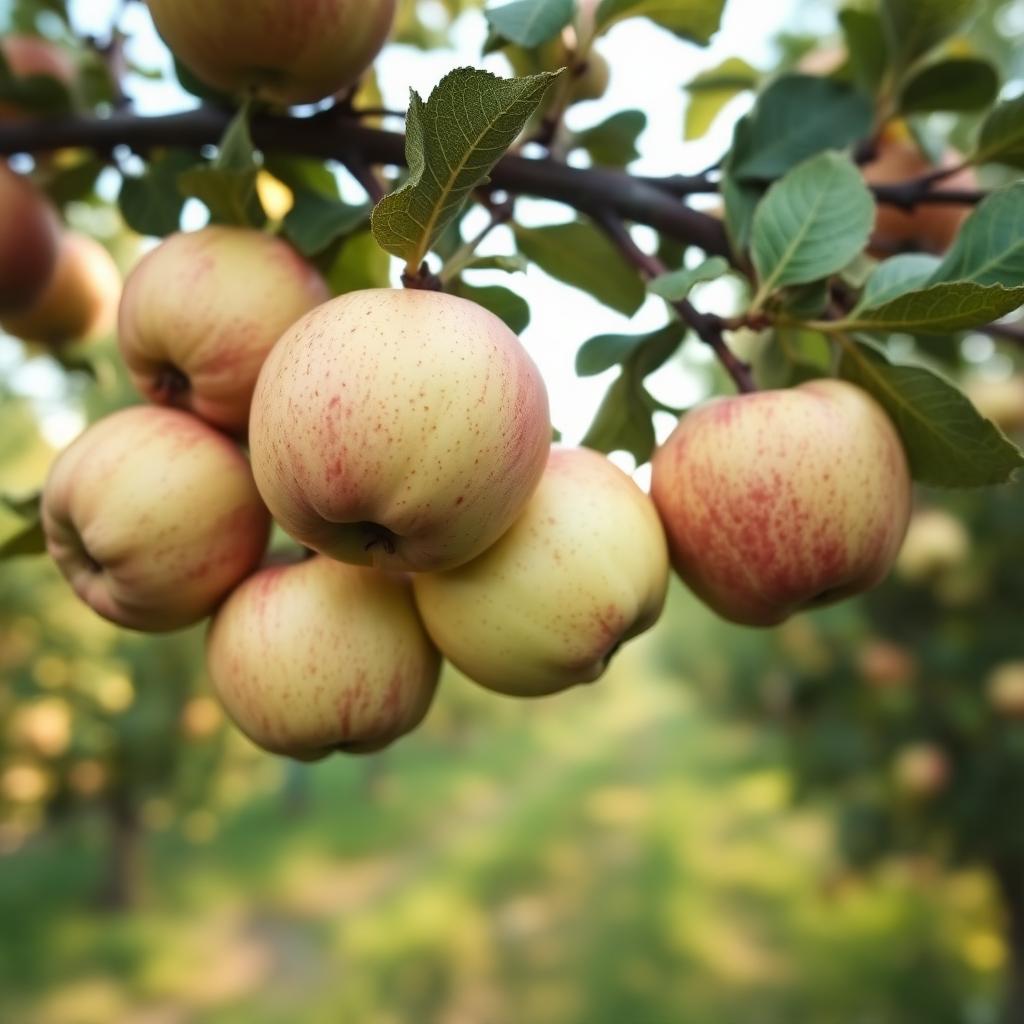
Sustainability is becoming an increasingly vital consideration for apple growers and consumers alike. Practices that minimize environmental impact, conserve water, and promote soil health are gaining traction. Growers are adopting integrated pest management (IPM) strategies, exploring organic certifications, and investing in renewable energy sources.
These sustainable practices, while beneficial in the long run, can sometimes entail higher initial costs or more labor-intensive methods. These investments are often factored into the price of sustainably grown apples, reflecting the value consumers place on environmentally responsible production. As consumers become more aware, the demand for sustainably produced apples is expected to grow, influencing market trends.
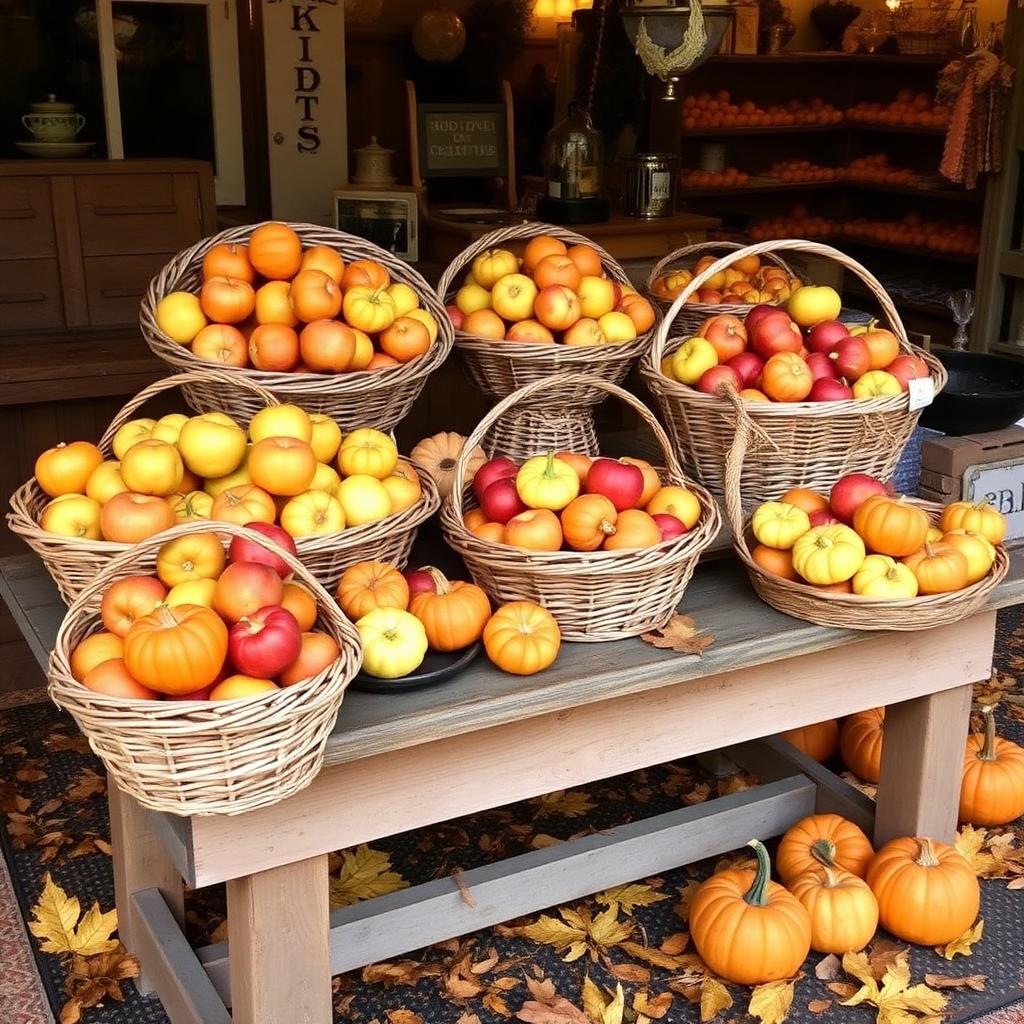
Strong demand for locally grown produce, particularly pick-your-own apples, underscores a significant consumer shift towards supporting regional agriculture and enjoying fresh, seasonal goods.
What This Means for Pick-Your-Own Enthusiasts
For those planning a trip to a pick-your-own apple orchard, understanding these industry trends can enhance your experience. Prices at PYO farms are typically influenced by local harvest success, the orchard's specific overhead, and the varieties offered. While they often aim to provide a more direct-to-consumer price point, they still contend with their own rising costs for labor, land, and maintenance.
Consider these points before your visit:
- Pricing Fluctuation: Don't be surprised if prices vary slightly year-to-year or even between different orchards in the same region. This reflects individual farm conditions and the broader market.
- Variety Availability: If a particular variety suffered a poor regional harvest, it might be less available or more expensive. Call ahead to inquire about specific apple availability.
- Supporting Local: Your dollar at a PYO orchard directly supports local agriculture, preserving open spaces, and maintaining farming traditions.
- Experiential Value: The cost of PYO isn't just for the apples; it's also for the unique family experience, the fresh air, and the connection to where your food comes from.
Looking Ahead: Forecasts and Projections
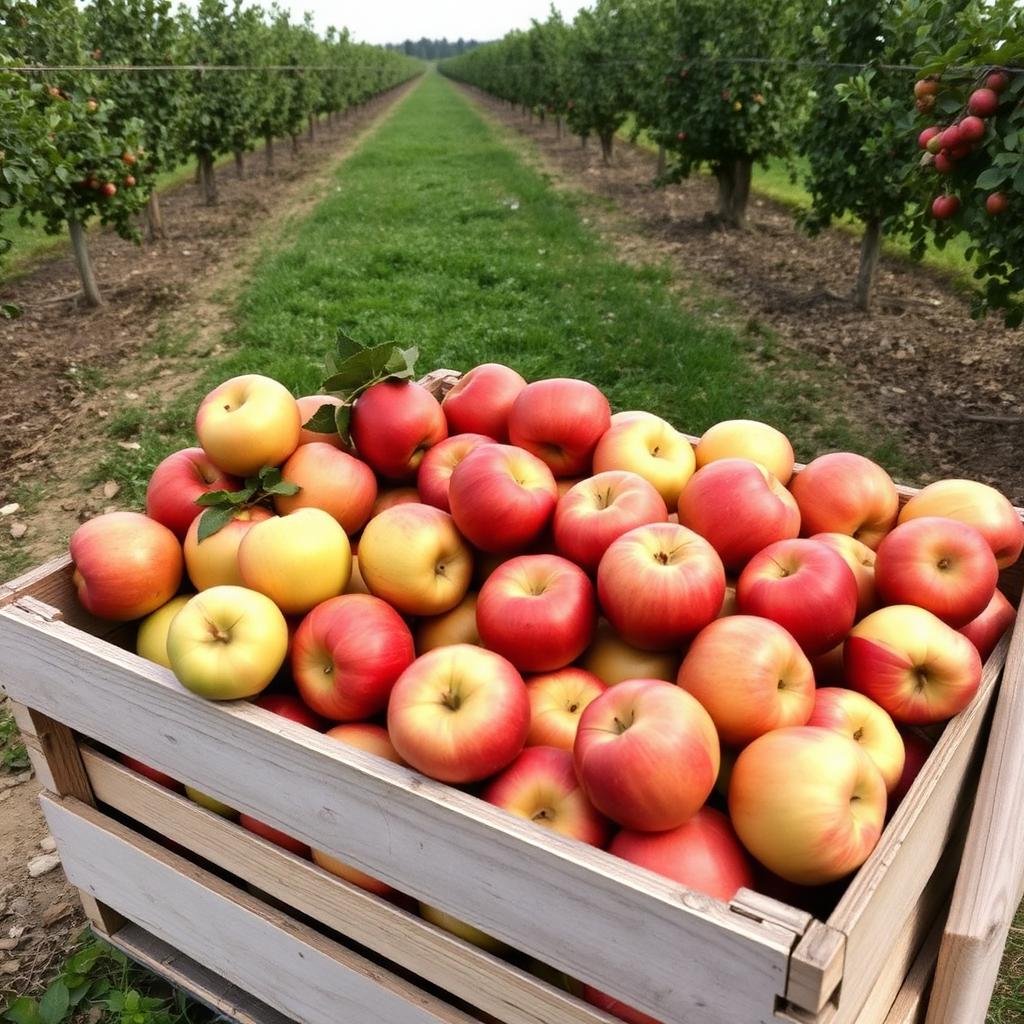
The apple industry is likely to continue navigating complex economic and environmental factors. Advancements in agricultural technology, such as robotics for harvesting and precision agriculture, hold promise for improving efficiency and potentially mitigating some labor costs. However, these technologies require significant investment.
Consumer preferences will also continue to shape the market. The demand for healthy, convenient snacks, combined with an increasing interest in unique flavors and organic options, will drive innovation in apple breeding and marketing. Growers will need to remain agile, adapting to these evolving tastes while contending with the perennial challenges of weather and global trade. The focus on local food systems and farm-to-table experiences is also expected to strengthen, ensuring the continued popularity of pick-your-own orchards.
Frequently Asked Questions
What factors most impact apple prices at the grocery store?
Grocery store apple prices are primarily influenced by harvest yields, transportation costs, storage expenses, retailer markups, and the general supply and demand dynamics of both domestic and imported apples.
Why do pick-your-own apples sometimes seem more expensive than store-bought?
While often competitive, PYO prices reflect the direct farm operating costs, labor for managing trees, and the unique experience provided. Store prices benefit from economies of scale in distribution, but PYO offers freshness and a direct connection to the farm.
Are organic apples always more expensive, and why?
Organic apples typically command a higher price due to more stringent growing regulations, higher labor input without synthetic pesticides or fertilizers, and often lower yields per acre, all of which increase production costs for the farmer.
How does global trade affect local apple availability?
Global trade can affect local availability by influencing overall supply. If there's a strong international demand for U.S. apples, more of the harvest might be exported, potentially reducing domestic supply and influencing prices. Conversely, cheaper imports could create domestic price pressure.
What role does weather play in apple harvests and pricing?
Weather is a critical factor. Adverse conditions like late spring frosts, severe hailstorms, droughts, or excessive rain during pollination or harvest can significantly reduce crop yields, leading to scarcity and higher prices for available apples.
Will apple prices continue to rise in coming years?
Forecasting apple prices requires considering many variables. While labor and input costs generally trend upwards, technological advancements and market dynamics can create fluctuations. Consumers can expect continued price responsiveness to national harvests and global economic conditions.
Tags
Explore more on Apple Picking Finder
Find orchards near you →
See the closest U-Pick apple farms with hours, pricing, and directions.
Apple varieties guide →
50+ varieties with taste notes, ripening windows, and best uses.
Ripening calendar →
When each variety is ready to pick, month by month, across the US.
Apple recipes →
60+ tested recipes for pies, crisps, cider, butter, and more.
Keep reading

Mastering Orchard Fun: Apple Picking Strategies for Young Families
Apple picking with kids can be a magical experience, creating cherished family memories and fostering a love for nature. But let's be honest, it can also quickly devolve into a chaotic scene. This guide offers practical tips to ensure your next orchard adventure is joyful, stress-free, and full of d
Furry Friends in the Orchard: Your Guide to Pet-Friendly Picking
Bringing your beloved canine companion along for a day of apple picking can elevate the experience from great to unforgettable. But navigating orchards with pets requires preparation and awareness. Discover how to make your visit smooth and enjoyable for everyone.
American PYO Farms: A Journey From Survival to Agritourism
Dive into the fascinating history of pick-your-own (PYO) farms in America, tracing their evolution from essential family subsistence to cherished agritourism destinations. Discover how economic shifts, consumer desires, and a yearning for connection to the land shaped this unique agricultural model.