Store & Preserve Fresh Apples: Your Ultimate Guide Post-Picking
Bringing home a bounty of crisp, sweet apples from the orchard is a joyous occasion. But what do you do with all those delicious fruits to ensure they stay fresh, flavorful, and last beyond just a few days? This guide unlocks the secrets to extending your apple harvest.
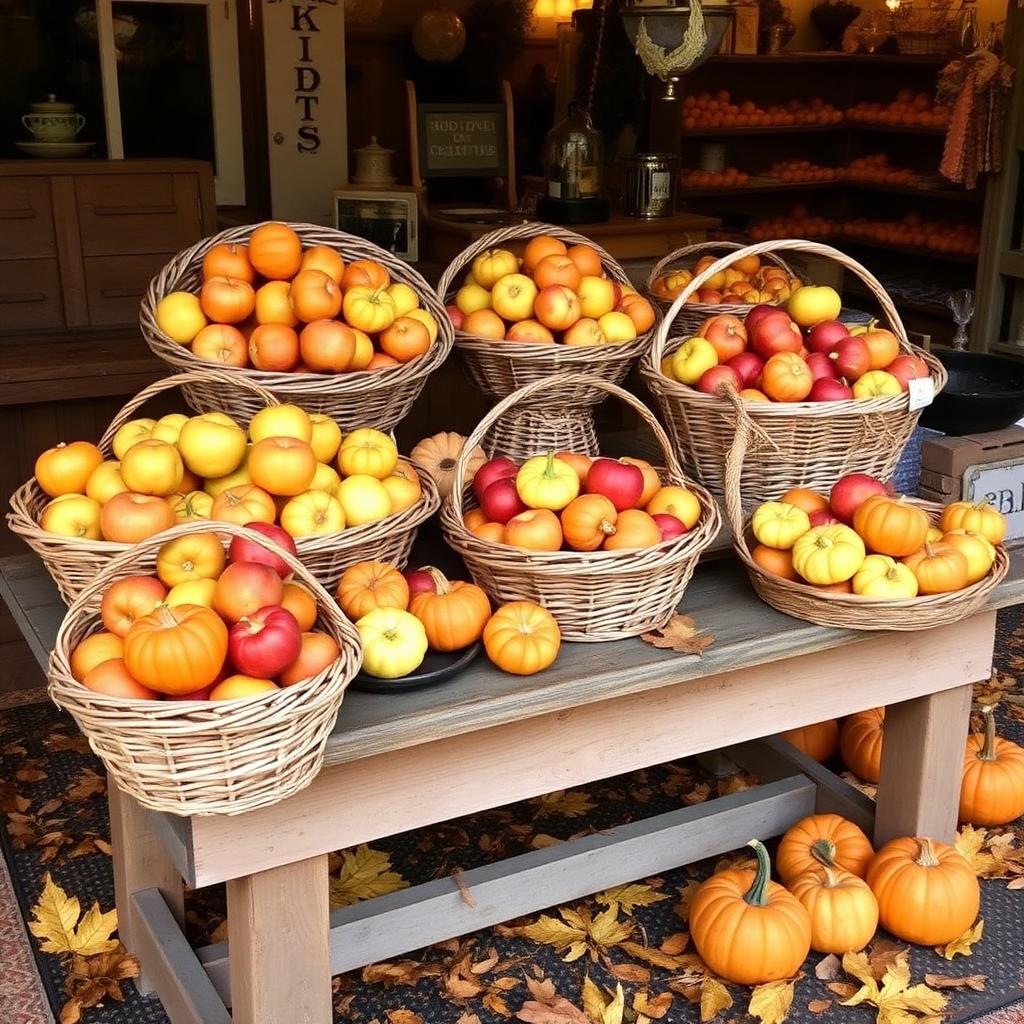
There's nothing quite like the satisfaction of a successful apple-picking excursion, baskets overflowing with vibrant, fragrant fruits. But the sheer volume can be daunting, and seeing those beautiful apples go soft or spoil before you can enjoy them is a true shame. Fear not, fellow apple enthusiasts, for with the right knowledge and techniques, you can significantly extend the life and flavor of your fresh-picked harvest.
This comprehensive guide will walk you through everything you need to know about storing and preserving apples, from short-term solutions to long-term strategies that will keep you enjoying that orchard-fresh taste for months to come. Get ready to transform your apple abundance into a year-round delight.
Assessing Your Apples: The First Step to Preservation
Before you even think about storage, it's crucial to sort your apples. Not all apples are created equal when it comes to longevity.
Inspect for Blemishes and Bruises
- Perfect Apples: These are your prime candidates for long-term storage. They should be firm, free of soft spots, cuts, or punctures.
- Slightly Imperfect Apples: Apples with minor bruises or small blemishes should be designated for immediate consumption or short-term storage (within a week or two) in the refrigerator. Use them for sauces, pies, or snacks.
- Damaged Apples: Any apples with significant cuts, wormholes, or soft spots should be processed immediately (e.g., made into applesauce or cider) or composted if too far gone. One bad apple can, quite literally, spoil the bunch due to ethylene gas.
Short-Term Storage: Keeping Apples Fresh for Weeks
For apples you plan to eat within a few days to a few weeks, the refrigerator is your best friend. Proper refrigeration can keep apples crisp for much longer than leaving them on the counter.
Refrigeration Best Practices
Apples thrive in cool, humid environments. The crisper drawer of your refrigerator is usually the ideal spot.
- Do Not Wash: Washing apples before storage can remove their natural protective wax coating and introduce moisture, encouraging spoilage. Wash them just before eating.
- Separate Fruits: Apples, especially ripe ones, produce ethylene gas, which can speed up the ripening of other fruits and vegetables. Store apples in a separate crisper drawer or in bags away from other produce.
- Use Perforated Plastic Bags: Placing apples in a plastic bag with a few small holes (you can poke them yourself) helps retain moisture while allowing some air circulation, preventing off-flavors and over-ripening.
- Ideal Temperature: Temperatures between 30°F and 35°F (-1°C and 2°C) are ideal. Most refrigerators operate within this range.
Long-Term Storage: Months of Freshness
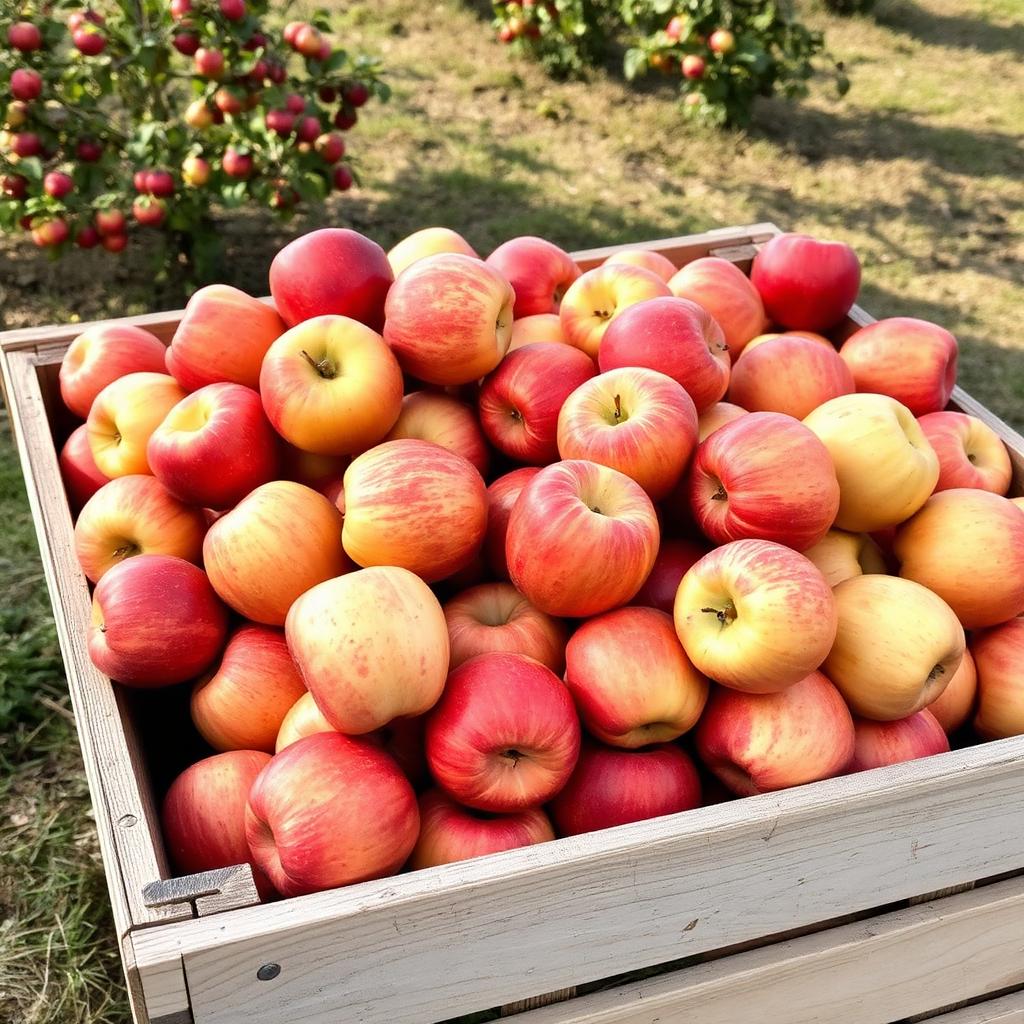
If you've harvested a substantial amount, you'll want to explore options for keeping apples fresh for several months. Certain varieties, known as 'keeper apples' (like Fuji, Granny Smith, Honeycrisp, and Rome Beauty), are particularly well-suited for this.
Cool, Dark, and Humid: The Traditional Root Cellar Method
Historically, apples were stored in root cellars, which replicated ideal conditions. You can recreate these conditions to some extent.
- Temperature: Aim for temperatures just above freezing, around 32-40°F (0-4°C). An unheated basement, garage, or even a porch during colder months can work.
- Humidity: High humidity (around 85-90%) is crucial to prevent apples from shriveling.
- Darkness: Keep apples away from light, which can degrade their quality.
- Individual Wrapping: For the best results, wrap each apple individually in newspaper or craft paper. This prevents contact spread of rot and absorbs excess moisture.
- Storage Containers: Store wrapped apples in shallow crates, boxes, or baskets, ensuring good air circulation. Avoid piling them too high.
- Regular Checks: Inspect your stored apples frequently (every week or two) and remove any that show signs of spoilage immediately to prevent others from ripening too quickly.
Many experienced apple growers affirm that proper cold and humid storage can extend the life of 'keeper' apple varieties for up to 5-8 months.
Preservation Methods: Beyond Fresh
When fresh storage isn't enough, or you want to enjoy apples in different forms, various preservation techniques come into play.
Freezing Apples
Freezing is excellent for preserving apples for use in baked goods, sauces, or smoothies. They won't maintain their crisp texture for eating fresh, but their flavor and nutritional value will be locked in.
- Wash, Peel, Core, and Slice/Dice: Prepare apples according to how you plan to use them.
- Prevent Browning (Optional but Recommended): Toss apple pieces with lemon juice (about 1 tablespoon per medium apple) or a commercial anti-darkening agent. You can also briefly blanch them in boiling water for 1-2 minutes, then immediately cool in ice water.
- Flash Freeze: Spread apple pieces in a single layer on a baking sheet lined with parchment paper. Freeze until solid (1-2 hours). This prevents them from clumping together.
- Package: Transfer frozen apple pieces to freezer bags or airtight containers. Label with the date. Frozen apples are best used within 8-12 months.
Canning Apples
Canning allows you to preserve apples as pie filling, applesauce, apple butter, or sliced apples. This method requires specific equipment and attention to safety to prevent spoilage.
- Applesauce/Apple Butter: Cook down apples with a bit of water or cider until soft, then purée. Add sugar and spices to taste. Follow a tested recipe for processing times in a water bath canner.
- Sliced Apples: Peel, core, and slice apples. Pack them tightly into hot jars, adding a light syrup (or water) and 1/2 teaspoon of ascorbic acid or lemon juice to prevent browning. Process in a water bath canner according to altitude and recipe guidelines.
Always use up-to-date, tested canning recipes from reputable sources like the ______ or university extension offices.
Drying Apples (Apple Chips)
Dehydrating apples into chewy or crispy apple chips is a healthy and delicious snack that stores well.
- Prepare: Wash, core, and slice apples thinly (about 1/8 to 1/4 inch thick). A mandoline slicer works wonders for even slices.
- Prevent Browning: Soak slices in a solution of lemon juice and water (1 part lemon juice to 3 parts water) for 5-10 minutes, then drain thoroughly.
- Dehydrate: Arrange slices in a single layer on dehydrator trays or baking sheets.
- Dehydrator Method: Follow your dehydrator's instructions, typically at 125-135°F (52-57°C) for 6-12 hours, or until leathery or crisp.
- Oven Method: Bake at the lowest possible temperature (e.g., 175-200°F / 80-93°C) for several hours, propping the oven door open slightly to allow moisture to escape. Flip occasionally.
- Cool and Store: Once thoroughly dried, let apple chips cool completely before storing in airtight containers in a cool, dark place. They can last for several months.
Making Apple Vinegar
This is a wonderfully practical way to use apple scraps (peels and cores) as well as whole apples that might be too soft for other preparations, turning potential waste into a versatile condiment and cleaning agent. Creating homemade apple cider vinegar is surprisingly simple and requires minimal active effort. All you need are apple scraps, water, and a bit of sugar to kickstart the fermentation process. Within a few weeks to a couple of months, you'll have a robust, flavorful vinegar for cooking, salad dressings, or household uses. It's an excellent project for maximizing your harvest and embracing sustainability in your kitchen.
Frequently Asked Questions
Can I store different apple varieties together?
Yes, you can typically store different apple varieties together, especially if they are all 'keeper' apples or if you're only storing them for a short period in the refrigerator. However, always ensure they are individually inspected for bruises. If one apple begins to spoil, it can release ethylene gas that accelerates ripening in others, so regular checks are still important irrespective of variety.
What's the best way to prevent apples from browning after I cut them?
To prevent browning, toss cut apple slices with a mild acid like lemon juice, pineapple juice, or a solution of water and ascorbic acid (Vitamin C). You can also use a commercial fruit protector which typically contains citric acid or ascorbic acid. A brief soak in ginger ale also works surprisingly well.
How long do fresh apples typically last in the refrigerator?
When stored properly in the crisper drawer of your refrigerator, fresh-picked apples can last anywhere from 3 weeks to 2 months. Firmer varieties generally last longer than softer ones.
Can I store apples in a brown paper bag instead of plastic?
Yes, a brown paper bag can be a good option for short-term storage in the refrigerator. It allows for airflow, but it won't retain humidity as well as a perforated plastic bag, so apples might shrivel a bit faster. It's still better than leaving them unwrapped or in a sealed plastic bag.
Do I need to peel apples before preserving them?
It depends on the preservation method and your personal preference. For applesauce or apple butter, peeling is common for a smoother texture, but some prefer to leave the skins on for added nutrients and fiber (though you may need to run it through a food mill). For dried apples or pie fillings, peeling is generally recommended, but again, it's a matter of choice. The skins often contribute to rich flavor and color.
What's a 'keeper apple' and why is it important for long-term storage?
A 'keeper apple' is a variety that naturally has a longer storage life due to its firmer flesh, thicker skin, and slower ripening process. Varieties like Fuji, Granny Smith, Honeycrisp, and Rome Beauty are often considered excellent keepers. They are less prone to bruising and spoilage, making them ideal for traditional cool-storage methods.
Tags
Explore more on Apple Picking Finder
Find orchards near you →
See the closest U-Pick apple farms with hours, pricing, and directions.
Apple varieties guide →
50+ varieties with taste notes, ripening windows, and best uses.
Ripening calendar →
When each variety is ready to pick, month by month, across the US.
Apple recipes →
60+ tested recipes for pies, crisps, cider, butter, and more.
Keep reading

Mastering Orchard Fun: Apple Picking Strategies for Young Families
Apple picking with kids can be a magical experience, creating cherished family memories and fostering a love for nature. But let's be honest, it can also quickly devolve into a chaotic scene. This guide offers practical tips to ensure your next orchard adventure is joyful, stress-free, and full of d
Furry Friends in the Orchard: Your Guide to Pet-Friendly Picking
Bringing your beloved canine companion along for a day of apple picking can elevate the experience from great to unforgettable. But navigating orchards with pets requires preparation and awareness. Discover how to make your visit smooth and enjoyable for everyone.
American PYO Farms: A Journey From Survival to Agritourism
Dive into the fascinating history of pick-your-own (PYO) farms in America, tracing their evolution from essential family subsistence to cherished agritourism destinations. Discover how economic shifts, consumer desires, and a yearning for connection to the land shaped this unique agricultural model.