Harvest Longevity: Expert Guide to Maximizing Fresh-Picked Apples
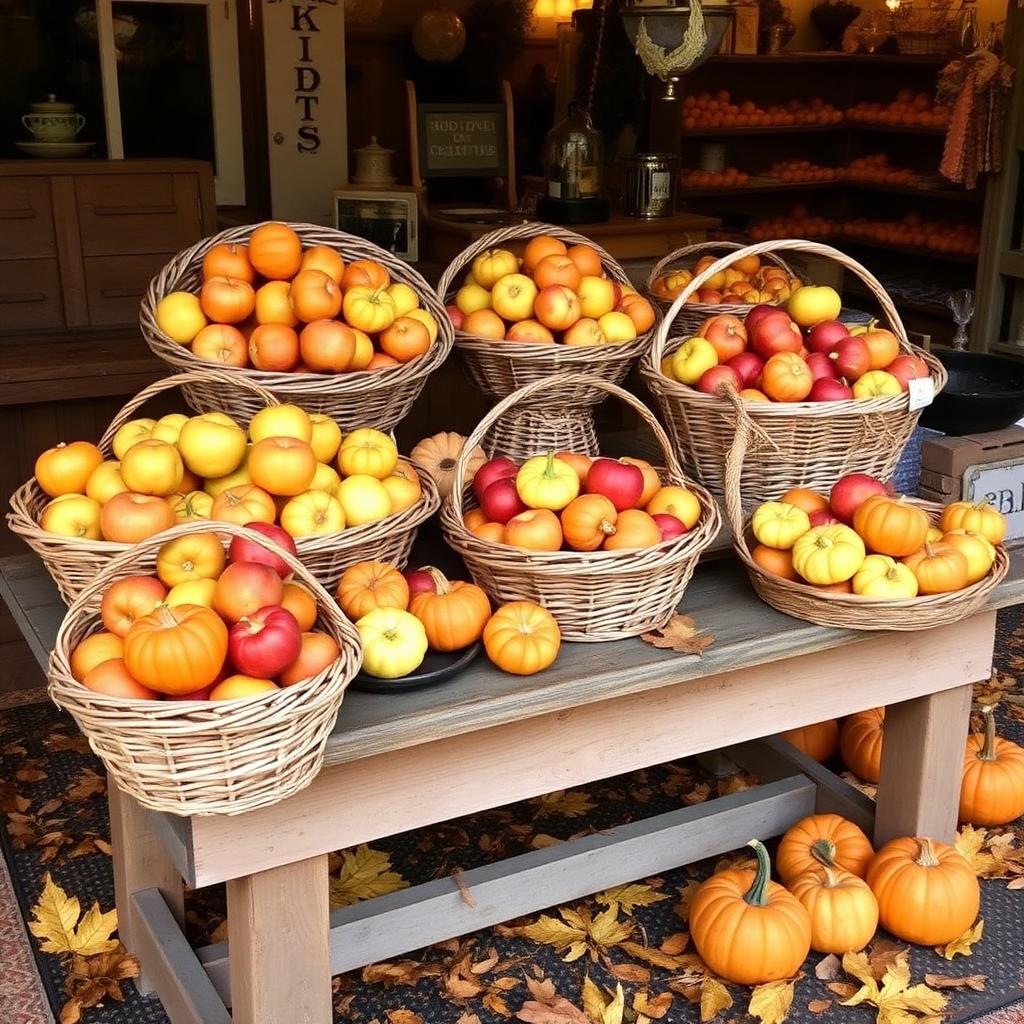
You've spent a wonderful day at the orchard, baskets brimming with crisp, juicy apples. Now the real challenge begins: keeping them fresh and flavorful for as long as possible. This guide unlocks the secrets to apple storage and preservation, ensuring your harvest lasts.

There's nothing quite like the satisfaction of a successful apple-picking excursion. Your baskets are overflowing with shiny, crisp treasures, each one a testament to nature's bounty and your own enthusiastic efforts. But as the thrill of the harvest settles, a new question arises: how do you ensure these delicious apples maintain their peak freshness and flavor for weeks, or even months, to come?
The good news is that apples are remarkably versatile fruits, and with the right techniques, you can enjoy the taste of the orchard long after the leaves have fallen. This comprehensive guide will walk you through the essential steps for proper apple storage and various preservation methods, transforming your abundant harvest into a year-round delight.
The Importance of Proper Handling From the Start
Before you even think about storing or preserving, remember that the longevity of your apples begins the moment you pick them. Handle each apple gently to avoid bruising, which can accelerate spoilage. A bruised apple releases ethylene gas, a natural ripening agent that can hasten the ripening, and eventual decay, of surrounding fruits. Always choose firm, blemish-free apples for long-term storage.
Once home, resist the urge to wash your apples immediately. Washing can remove the apple's natural protective wax coating, known as bloom, making them more susceptible to spoilage. Wash them only when you are ready to eat or process them.
Short-Term Storage: Keeping Apples Crisp for Weeks
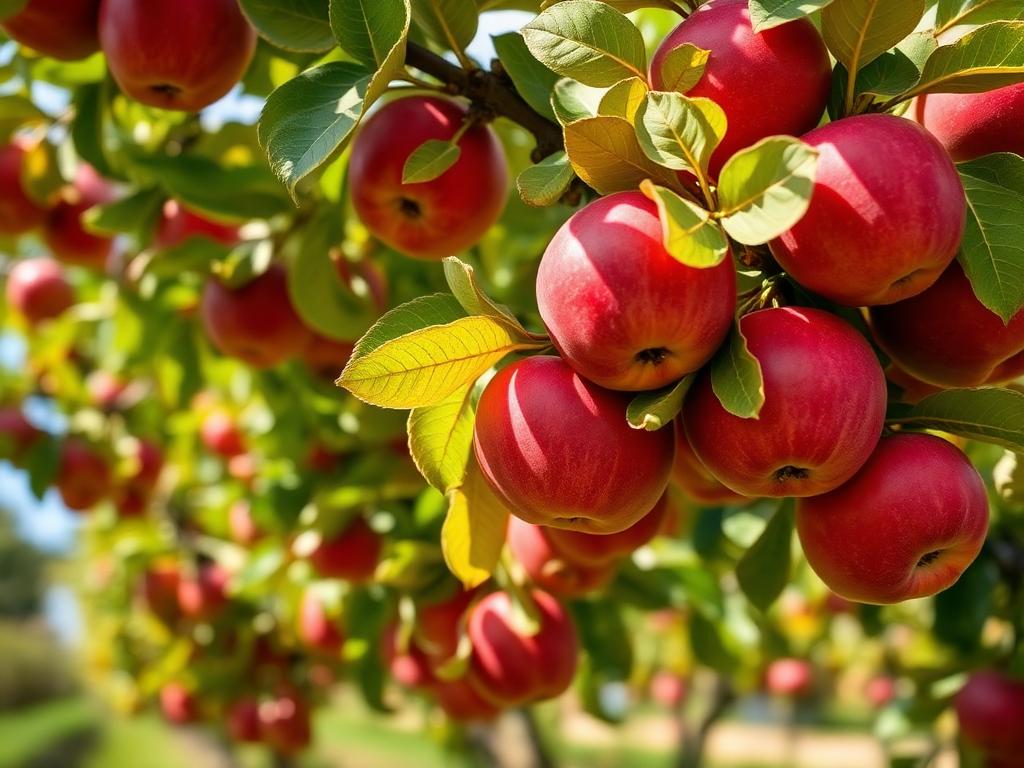
For apples you plan to consume within a few weeks, simple refrigeration is your best friend. A good quality apple, properly stored, can maintain freshness in the refrigerator for up to 4-6 weeks, sometimes even longer depending on the variety.
Refrigeration Best Practices
- Temperature is Key: Aim for a temperature between 30°F and 35°F (-1°C to 2°C). Your refrigerator's crisper drawer is often the ideal spot, as it also helps maintain humidity.
- High Humidity: Apples thrive in high humidity (around 90-95%). If your crisper drawer has a humidity slider, set it to high. You can also place apples in a perforated plastic bag to create a micro-environment of higher humidity, preventing them from drying out.
- Separate from Other Produce: As mentioned, apples release ethylene gas. Keep them separate from ethylene-sensitive fruits and vegetables like broccoli, lettuce, and carrots, which can spoil faster when exposed to apples.
- Inspect Regularly: Even in the fridge, check your apples every week or so. Remove any that show signs of spoilage (soft spots, mold) immediately to prevent them from affecting others.
Long-Term Storage: Months of Freshness
If you've truly hit the jackpot at the orchard and have an abundance of apples, or if you prefer certain varieties that store exceptionally well, you might consider longer-term storage methods that don't involve processing.
The Cool, Dark Place Method
For varieties like Fuji, Honeycrisp, Granny Smith, or Northern Spy, a cool, dark, and humid environment can keep apples fresh for 2-5 months. Think of an unheated basement, a root cellar, or a cool garage where temperatures consistently stay between 35°F and 45°F (2°C to 7°C).
- Individual Wrapping: Wrap each apple in a single sheet of newspaper or plain tissue paper. This acts as a barrier, preventing ethylene gas from spreading and containing any potential spoilage to just one apple.
- Layering: Place wrapped apples in single layers in shallow boxes or crates. Avoid piling them too high, as this can cause bruising.
- Air Circulation: Ensure good air circulation around the boxes. Don't stack them directly against walls or each other.
- Monitor Humidity: If your storage area is too dry, consider placing a pan of water on the floor to increase humidity.
Beyond Fresh: Preserving Your Apple Harvest
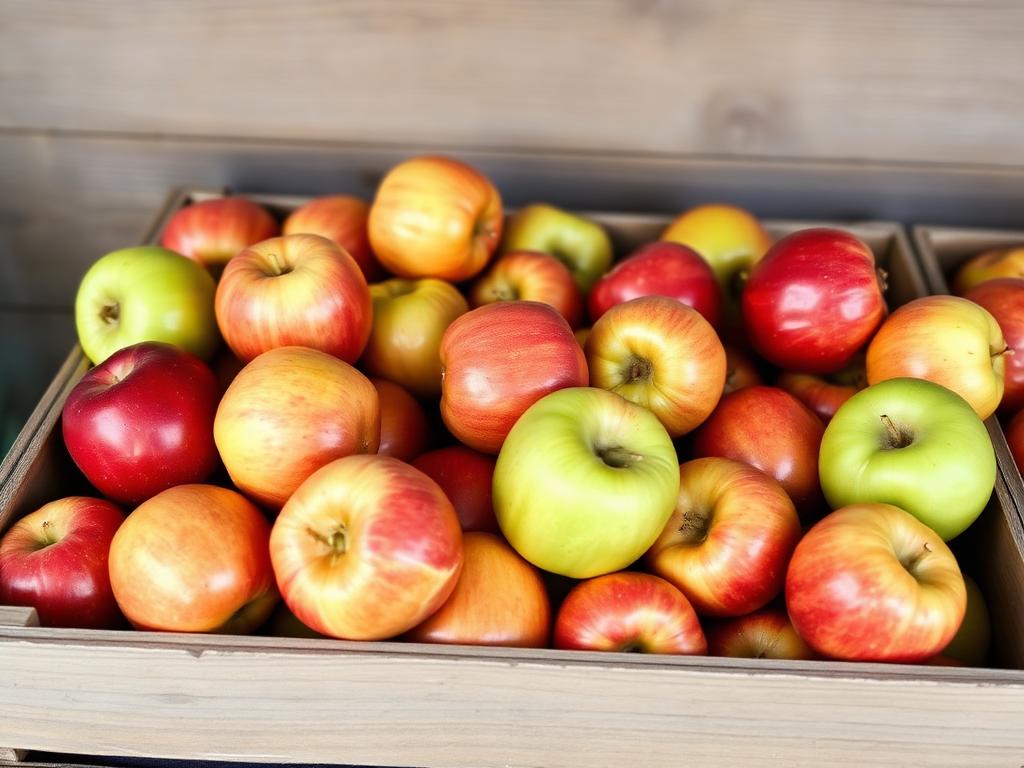
When storage space is limited or you simply want to enjoy apples in new forms, various preservation techniques come to the rescue. These methods allow you to lock in flavor and nutrients for year-round enjoyment.
Freezing Apples: Simple and Versatile
Freezing is one of the easiest ways to preserve apples, perfect for pies, crumbles, sauces, or smoothies. They won't retain their crisp texture for eating raw, but they're excellent for cooking.
How to Freeze Apples
- Wash, Peel, Core, and Slice: Prepare your apples by washing them thoroughly. Peel and core them, then slice into desired thickness (usually 1/4 to 1/2 inch).
- Prevent Browning: To prevent oxidation and browning, dip the slices in an ascorbic acid solution (like lemon juice diluted with water, or a commercial fruit protector). A common ratio is 1 tablespoon of lemon juice per cup of water. Drain well.
- Flash Freeze: Spread apple slices in a single layer on a baking sheet lined with parchment paper. Flash freeze for 1-2 hours until solid. This prevents them from clumping together.
- Package: Transfer frozen slices to freezer-safe bags or containers. Remove as much air as possible to prevent freezer burn.
- Label and Store: Label with the date and contents. Frozen apples can last 8-12 months.
Canning Apples: A Classic Approach
Canning offers a shelf-stable way to preserve apples, perfect for making applesauce, apple butter, pie filling, or sliced apples in syrup. It requires specific equipment and attention to safety protocols.
Types of Canning
- Water Bath Canning: Suitable for high-acid foods like apples. This method involves submerging sealed jars in boiling water for a specified time.
- Pressure Canning: Used for low-acid foods. Apples are high-acid, so water bath canning is sufficient for most apple products.
General Steps for Canning Apples (e.g., Sliced Apples)
- Prepare Jars and Lids: Sterilize canning jars and prepare new lids according to manufacturer instructions.
- Prepare Apples: Wash, peel, core, and slice apples. To prevent browning, immerse slices in a lemon water solution until ready to pack.
- Prepare Syrup (Optional): For sliced apples, prepare a light, medium, or heavy sugar syrup or pack in water/juice.
- Pack Jars: Pack apples tightly into hot, sterilized jars. Ladle hot syrup or liquid over apples, leaving 1/2-inch headspace.
- Remove Air Bubbles: Use a non-metallic utensil to remove air bubbles. Adjust headspace if needed.
- Clean Rims and Seal: Wipe jar rims clean. Center lids and screw on bands finger-tight.
- Process: Place jars in a boiling water canner. Ensure jars are covered by at least 1 inch of water. Bring to a rolling boil and process for the time specified in a tested recipe (adjusting for altitude).
- Cool and Store: Remove jars and cool on a towel-lined surface for 12-24 hours. Check seals. Store properly sealed jars in a cool, dark place.
Always use tested, up-to-date canning recipes from reputable sources like the National Center for Home Food Preservation to ensure safety and quality.
Drying Apples: A Sweet and Healthy Snack
Dehydrated apples make a fantastic, portable snack, and they're also great for adding to granola, oatmeal, or baked goods. Drying concentrates their natural sweetness.
How to Dry Apples
- Wash, Peel, Core, and Slice: Wash, peel, and core apples. Slice them uniformly, about 1/8 to 1/4 inch thick.
- Pre-Treat (Optional but Recommended): To prevent browning and improve color retention, dip slices in a lemon juice solution or a sulfite solution (available commercially) for 5-10 minutes. Pat dry.
- Arrange: Arrange slices in a single layer on dehydrator trays or oven racks. Ensure there's good air circulation.
- Dehydrate: Follow your dehydrator's instructions for drying fruit, typically at 135°F (57°C) for 6-12 hours, until pliable but not sticky. If using an oven, set it to its lowest temperature, prop the door open slightly, and dry for several hours, flipping occasionally.
- Condition: Once dry, let the apples cool completely. Store them in airtight containers for 7-10 days, shaking daily. This redistributes any residual moisture, preventing mold.
- Store: After conditioning, store dried apples in airtight containers in a cool, dark place. They can last for several months to a year.
Other Preservation Methods
- Apple Butter or Sauce: Cook down apples with spices until thick and smooth. Can or freeze for longer storage.
- Apple Jelly: Extract pectin-rich juice from apples and combine with sugar to make a delicious preserve. Water bath can for shelf stability.
- Apple Pie Filling: Pre-cook apples with spices and thickeners, then can or freeze the filling for quick future pies.
Choosing the Right Apple Varieties for Storage
While most apples can be stored for some time, certain varieties are naturally better suited for long-term preservation due to their firm texture and lower ethylene production. When planning your harvest, consider these excellent keepers:
- Fuji
- Honeycrisp
- Granny Smith
- Braeburn
- Northern Spy
- Enterprise
- GoldRush
- Stayman
Softer, sweeter varieties like Gala or Red Delicious are generally best enjoyed within a few weeks of picking, though they can certainly be processed into sauces or pies.
A Final Word on Your Apple Harvest
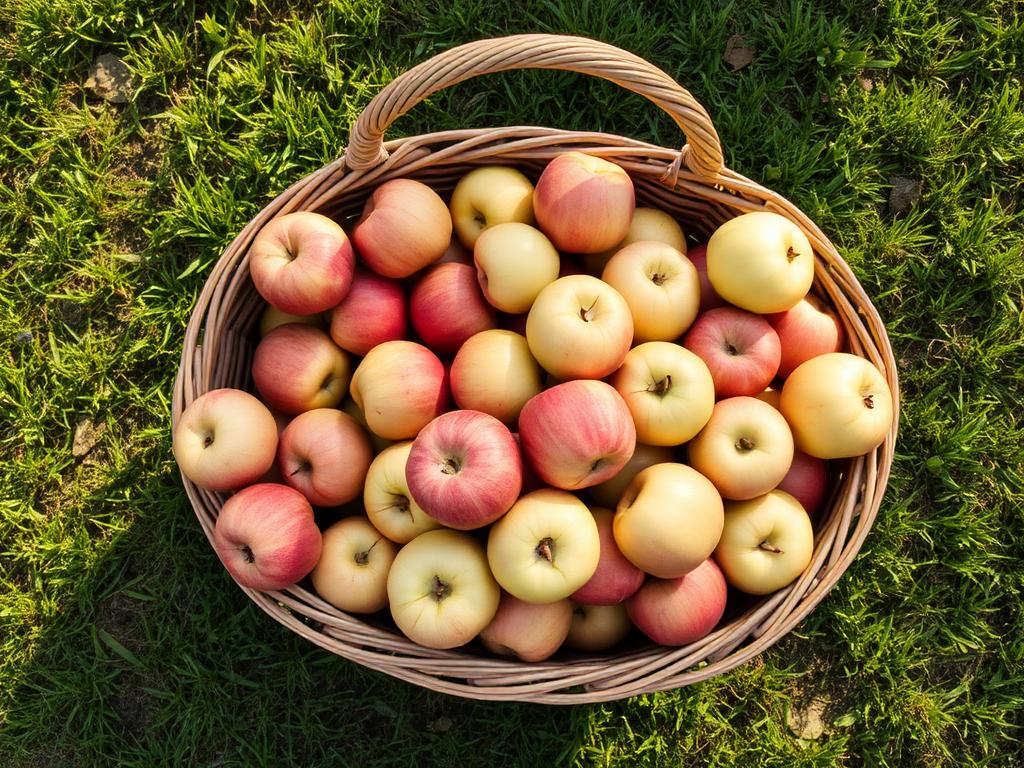
Your freshly picked apples are a gift from the orchard, full of flavor and potential. By understanding the principles of proper storage and embracing various preservation techniques, you can extend the joy of your harvest far beyond the picking season. Whether you're enjoying a crisp apple straight from the fridge, a warming slice of apple pie in winter, or a chewy dried apple snack on the go, these methods ensure that the sweet taste of autumn stays with you all year long.
Frequently Asked Questions
Does washing apples make them spoil faster?
Yes, washing apples before storing them can remove their natural protective wax coating, known as bloom. This coating helps seal in moisture and protect against spoilage. It's best to wash apples only when you're ready to eat or process them.
Can I store apples with other fruits and vegetables?
It's generally best to store apples separately from other fruits and vegetables, especially those sensitive to ethylene gas. Apples release ethylene, a natural ripening agent, which can cause other produce items like lettuce, broccoli, and carrots to spoil more quickly.
What is the ideal temperature for storing fresh apples?
For short-term storage (a few weeks), your refrigerator's crisper drawer set between 30°F and 35°F (-1°C to 2°C) is ideal. For long-term storage (months), a cool, dark, and humid environment like a root cellar or unheated basement, consistently between 35°F and 45°F (2°C to 7°C), works best.
How do I prevent sliced apples from turning brown when freezing or drying?
To prevent browning (oxidation), pre-treat sliced apples by dipping them in an acidic solution. A common and effective method is using lemon juice diluted with water (about 1 tablespoon per cup of water) or a commercial fruit protector containing ascorbic acid.
Are there any apple varieties that are particularly good for long-term storage?
Yes, some apple varieties are known for their excellent keeping qualities due to their firm texture and lower ethylene production. Good choices for long-term storage include Fuji, Honeycrisp, Granny Smith, Braeburn, Northern Spy, Enterprise, GoldRush, and Stayman.
Do frozen apples retain their crisp texture for eating raw?
No, frozen apples will not retain their crisp texture for eating raw after thawing. The freezing process changes their cell structure, making them soft. However, they are perfectly suitable for cooking purposes, such as in pies, sauces, and crumbles.
Tags
Explore more on Apple Picking Finder
Find orchards near you →
See the closest U-Pick apple farms with hours, pricing, and directions.
Apple varieties guide →
50+ varieties with taste notes, ripening windows, and best uses.
Ripening calendar →
When each variety is ready to pick, month by month, across the US.
Apple recipes →
60+ tested recipes for pies, crisps, cider, butter, and more.
Keep reading
Mastering Orchard Fun: Apple Picking Strategies for Young Families
Apple picking with kids can be a magical experience, creating cherished family memories and fostering a love for nature. But let's be honest, it can also quickly devolve into a chaotic scene. This guide offers practical tips to ensure your next orchard adventure is joyful, stress-free, and full of d
Furry Friends in the Orchard: Your Guide to Pet-Friendly Picking
Bringing your beloved canine companion along for a day of apple picking can elevate the experience from great to unforgettable. But navigating orchards with pets requires preparation and awareness. Discover how to make your visit smooth and enjoyable for everyone.
American PYO Farms: A Journey From Survival to Agritourism
Dive into the fascinating history of pick-your-own (PYO) farms in America, tracing their evolution from essential family subsistence to cherished agritourism destinations. Discover how economic shifts, consumer desires, and a yearning for connection to the land shaped this unique agricultural model.