America's PYO Heritage: From Necessity to Leisure
Dive into the fascinating journey of pick-your-own farms in America. Once a practical solution for farmers and consumers, PYO has blossomed into a beloved family tradition, connecting us to the land and the origins of our food. Discover how this simple concept evolved into a cornerstone of agritouri

The aroma of ripe apples, the crisp autumn air, and the laughter of families filling orchard rows, these are the hallmarks of a quintessential American pick-your-own experience. But this cherished tradition, which today represents a vibrant blend of recreation and local food sourcing, has a rich and often surprising history rooted deep in the agricultural and economic shifts of the United States. It's a story of ingenuity, community, and the enduring human desire to connect with where our food comes from.
What began as a pragmatic solution for farmers grappling with labor shortages and market fluctuations has transformed into a cultural phenomenon. Understanding its origins not only enriches our appreciation for each harvest season but also sheds light on broader trends in American agriculture and consumer behavior.
Early American Agriculture: Seeds of Self-Sufficiency
To truly understand the genesis of pick-your-own, we must cast our minds back to the early days of American farming. In colonial and early post-colonial America, most households were intimately involved in food production. Farms were often diversified, producing a wide array of crops and livestock primarily for family consumption, with surpluses sold or bartered locally. The concept of picking your own produce wasn't a recreational activity, but a fundamental aspect of survival and daily life.
Rural communities were tight-knit, and neighbors often assisted each other during peak harvest times. While not formalized as 'pick-your-own' in the modern sense, the practice of families gathering wild berries, foraging for nuts, or assisting a neighbor with their apple harvest laid the groundwork for a direct connection between consumer and source. The idea of direct engagement with the land's bounty was inherent to the American experience from the very beginning.
The Post-War Boom and Agricultural Shifts
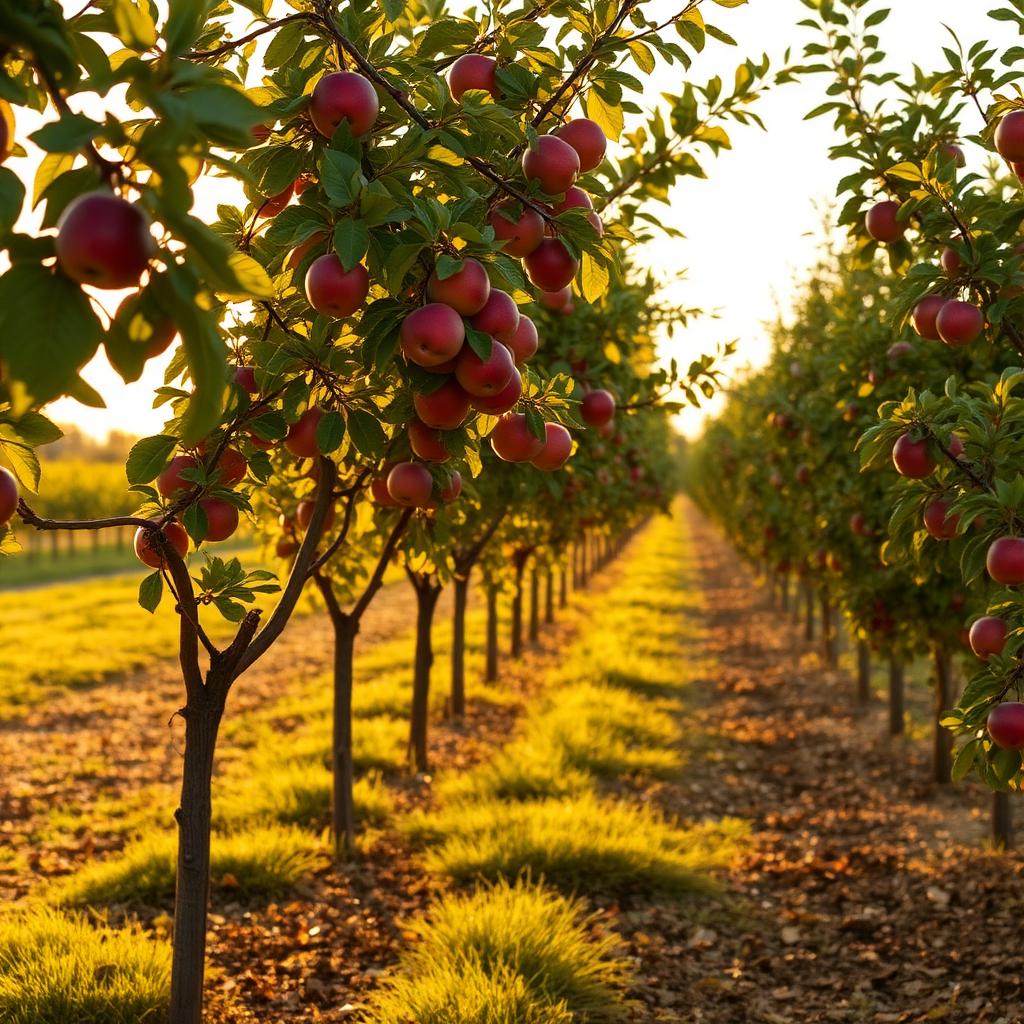
The mid-20th century brought significant changes to American agriculture. Post-World War II, mechanization increased, and farming became more industrialized. Large-scale commercial operations began to dominate, often specializing in monocultures and distributing produce through complex supply chains. This era also saw a rise in suburbanization, creating a growing disconnect between urban and rural populations.
However, these changes also presented challenges for smaller, diversified farms. They struggled to compete with the efficiency of larger operations and faced increasing labor costs. This is where the pragmatic origins of modern pick-your-own truly began to take shape. Farmers, looking for innovative ways to remain viable, started experimenting with direct-to-consumer models.
The Rise of 'U-Pick': A Solution for Labor and Waste
The 1960s and 1970s are often cited as the period when pick-your-own, or 'U-Pick' as it was often called, gained significant traction as a formal business model. Farmers discovered that inviting customers directly into their fields and orchards offered several compelling benefits:
- Labor Savings: Customers did the picking, significantly reducing the need for costly hired labor, especially during labor-intensive harvest periods for crops like berries and apples.
- Reduced Waste: By opening fields to the public, farmers could ensure that more of their crop was harvested, particularly produce that might not meet strict commercial grading standards but was perfectly good for home consumption.
- Marketing Advantage: Direct sales allowed farmers to bypass intermediaries, potentially earning a higher price for their produce. It also fostered a unique relationship with customers.
- Community Connection: Farms became destinations, drawing families out of the cities and suburbs, providing an educational and recreational experience.
Many orchards found that customers, eager for fresh, high-quality produce and an outdoor experience, were willing to pay a premium for the privilege of picking it themselves.
From Transaction to Experience: The Agritourism Evolution
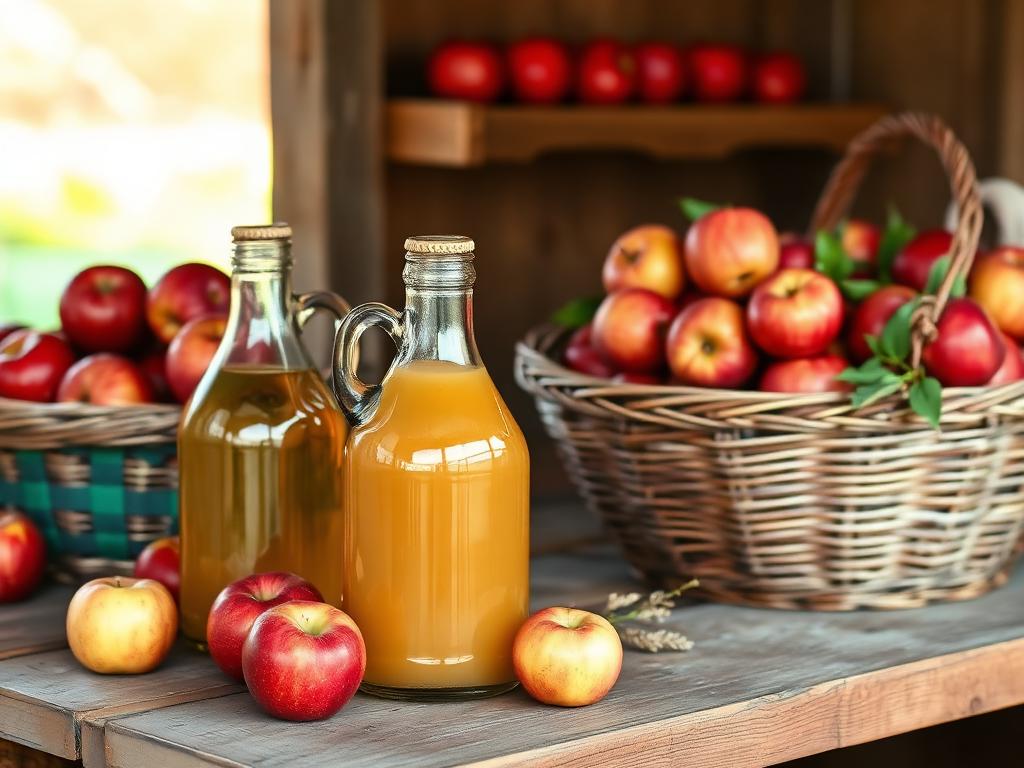
What started as a purely transactional arrangement quickly evolved into something more. Farmers, realizing the appeal of their settings, began to enhance the 'experience' aspect. This marked the true beginning of agritourism. By the late 20th century, pick-your-own farms were adding amenities like farm stands, hayrides, corn mazes, petting zoos, and picnic areas.
Apple orchards, with their picturesque settings and seasonal appeal, were particularly well-suited for this transformation. The fall season became synonymous with apple picking, complete with cider donuts, warm apple cider, and scenic views. These additions turned a simple fruit-gathering trip into a full-day family outing, boosting revenue streams beyond just crop sales.
The 21st Century: Renewed Interest and the Local Food Movement
The early 2000s saw a significant resurgence in interest in pick-your-own farms, fueled by several societal trends:
- The Local Food Movement: Consumers became more conscious of where their food came from, seeking out locally grown, fresh produce. PYO farms perfectly align with this desire for transparency and freshness.
- Health and Wellness: A growing emphasis on healthy eating and outdoor activities made PYO an attractive option for families.
- Nostalgia and Connection: In an increasingly digital world, people yearned for tangible, authentic experiences and a connection to nature and rural life. PYO offered a simple, wholesome escape.
- Economic Resilience: For farmers, agritourism became an even more critical component of their business strategy, offering diversification and a hedge against fluctuating commodity prices.
Today's pick-your-own farms are often sophisticated operations, blending traditional agriculture with modern marketing and hospitality. They are vital hubs for local economies and cherished destinations for millions of Americans.
The Enduring Appeal and Future of PYO
The enduring appeal of pick-your-own lies in its multifaceted benefits. For consumers, it offers unparalleled freshness, a connection to nature, a fun family activity, and often, a more affordable way to stock up on seasonal produce. For farmers, it provides direct income, builds community goodwill, educates the public about agriculture, and helps sustain family farms for future generations.
Looking ahead, PYO farms are likely to continue adapting. We might see even more integration of technology for booking and information, greater emphasis on sustainable and organic practices, and expanded offerings like farm-to-table dining experiences or seasonal festivals. Regardless of future innovations, the core appeal, that simple joy of harvesting your own food directly from the land, will undoubtedly remain.
Frequently Asked Questions
When did pick-your-own farms become popular in America?
While direct farm sales and community harvesting have always existed, pick-your-own as a distinct business model gained significant popularity and formalization in the 1960s and 1970s, as farmers sought solutions for labor costs and market access, coinciding with the rise of suburbanization.
What crops were traditionally offered at U-Pick farms?
Early U-Pick farms often featured crops that required significant hand-picking labor and had a relatively short shelf life, making direct sales attractive. These included berries (strawberries, blueberries, raspberries), apples, peaches, and other orchard fruits. Today, the variety is much broader, including vegetables, flowers, and even Christmas trees.
How did the local food movement impact pick-your-own farms?
The local food movement, gaining momentum in the 2000s, significantly boosted the popularity of pick-your-own farms. Consumers, increasingly interested in fresh, locally sourced food and understanding its origins, found PYO farms to be an ideal way to connect directly with producers and ensure the freshness and quality of their produce.
Are pick-your-own farms sustainable?
Many pick-your-own farms contribute to sustainability by reducing food miles, promoting local economies, and minimizing food waste by allowing customers to harvest produce that might otherwise go unpicked or be deemed cosmetically imperfect for commercial distribution. Many farms also educate visitors on sustainable farming practices.
What is the difference between U-Pick and agritourism?
U-Pick or pick-your-own refers specifically to the activity of customers harvesting their own produce. Agritourism is a broader term that encompasses any farm-based activity offered to visitors for entertainment or educational purposes, including U-Pick, farm tours, corn mazes, petting zoos, farm-to-table dinners, and events. PYO is a popular form of agritourism.
What are the benefits of visiting a pick-your-own farm?
Visiting a pick-your-own farm offers numerous benefits: access to incredibly fresh produce, an enjoyable outdoor activity for families, an opportunity to learn about agriculture, support for local farmers and economies, and a memorable experience that connects people to the source of their food. It's a blend of recreation, education, and wholesome consumption.
Tags
Explore more on Apple Picking Finder
Find orchards near you →
See the closest U-Pick apple farms with hours, pricing, and directions.
Apple varieties guide →
50+ varieties with taste notes, ripening windows, and best uses.
Ripening calendar →
When each variety is ready to pick, month by month, across the US.
Apple recipes →
60+ tested recipes for pies, crisps, cider, butter, and more.
Keep reading

Mastering Orchard Fun: Apple Picking Strategies for Young Families
Apple picking with kids can be a magical experience, creating cherished family memories and fostering a love for nature. But let's be honest, it can also quickly devolve into a chaotic scene. This guide offers practical tips to ensure your next orchard adventure is joyful, stress-free, and full of d
Furry Friends in the Orchard: Your Guide to Pet-Friendly Picking
Bringing your beloved canine companion along for a day of apple picking can elevate the experience from great to unforgettable. But navigating orchards with pets requires preparation and awareness. Discover how to make your visit smooth and enjoyable for everyone.
American PYO Farms: A Journey From Survival to Agritourism
Dive into the fascinating history of pick-your-own (PYO) farms in America, tracing their evolution from essential family subsistence to cherished agritourism destinations. Discover how economic shifts, consumer desires, and a yearning for connection to the land shaped this unique agricultural model.