Maximize Your Harvest: Storing and Preserving Fresh-Picked Apples
Bringing home a bounty of crisp, fresh-picked apples from the orchard is one of autumn's greatest joys. But how do you make sure that delightful flavor lasts long after your picking adventure? This comprehensive guide will show you how to properly store and preserve your apples, ensuring you can enj
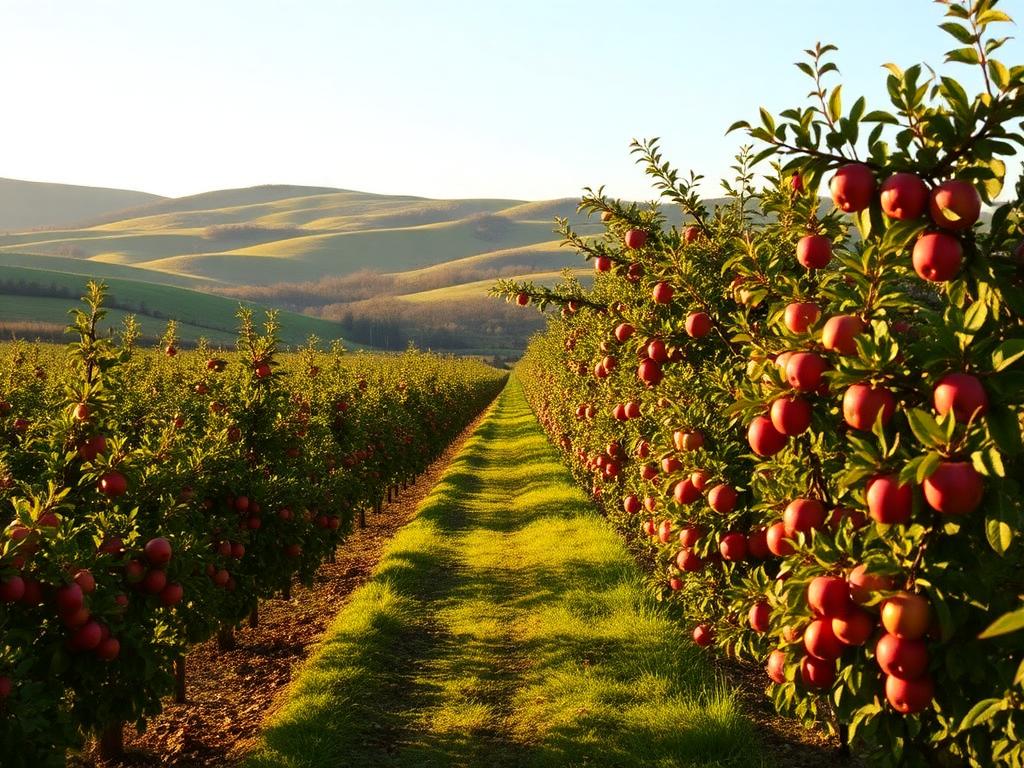
There's nothing quite like the satisfaction of a bushel full of fresh-picked apples, their skins gleaming, their scent a promise of pies, sauces, and healthy snacks. After a successful day at your favorite pick-your-own orchard, the excitement of the harvest fills the air. But as the days turn into weeks, how do you keep that orchard-fresh crispness and flavor from fading?
This ultimate guide from Apple Picking Finder is designed to help you extend the life of your precious apple bounty. We'll explore everything from simple storage techniques to more involved preservation methods, ensuring you can enjoy the fruits of your labor long after the autumn leaves have fallen. Get ready to become an apple preservation pro!
Understanding Apple Ripeness and Selection for Storage
Before you even think about storage, the quality of your picked apples is paramount. Not all apples are created equal when it comes to longevity.
Choosing the Best Apples for Storage
- Inspect Carefully: Look for firm, unblemished apples without soft spots, bruises, punctures, or signs of insect damage. Even a small bruise can accelerate spoilage.
- Handle Gently: Treat your apples with care. Bruising is the enemy of long-term storage.
- Know Your Varieties: Some apple varieties are naturally better for long-term storage than others. Harder, thicker-skinned varieties like Fuji, Gala, Honeycrisp, Granny Smith, and Rome tend to fare best. Softer, thinner-skinned apples like MacIntosh or Red Delicious are generally best consumed within a few weeks.
- Don't Wash Yet: Washing apples before storage removes their natural protective waxy coating, which helps to seal in moisture and prevent decay. Wash them just before you're ready to eat or process them.
Short-Term Storage: Keeping Apples Fresh for Weeks
For apples you plan to consume within a few days to a few weeks, simple storage methods are often sufficient.
Countertop vs. Refrigerator
For immediate enjoyment, a fruit bowl on the counter is fine for a few days. However, for anything longer, refrigeration is your best friend. Apples ripen six to ten times faster at room temperature than when chilled.
A single bruised apple can release ethylene gas, hastening the ripening and spoilage of its neighbors. Always remove any damaged apples immediately to protect the rest of your harvest.
Optimal Refrigerator Storage
- Separate Them: If possible, place apples in a separate crisper drawer. If not, keep them away from other fruits and vegetables that produce high levels of ethylene gas (like bananas, peaches, or avocados).
- Use Bags: Place apples in perforated plastic bags or wrap them individually in newspaper. This helps to retain moisture while allowing for some air circulation, preventing excessive humidity buildup.
- Ideal Temperature: Your refrigerator's crisper drawer typically maintains a temperature of around 35-40°F (1.5-4.5°C), which is ideal for short-term apple storage.
Long-Term Storage: Making Your Harvest Last for Months
If you've truly hit the jackpot at the orchard, you'll need more robust strategies to keep your apples fresh for several months.
The Cool, Dark Place Method
Many traditional methods for long-term storage involve a cool, dark, and humid environment.
- Temperature: Aim for temperatures just above freezing, around 30-35°F (-1 to 1.5°C). Garages, unheated basements, or root cellars are excellent candidates.
- Humidity: High humidity (around 85-90%) is crucial to prevent apples from shriveling. A damp floor or a pan of water in the storage area can help maintain humidity.
- Darkness: Light can accelerate ripening and reduce vitamin content.
- Air Circulation: Ensure good airflow to prevent mold and mildew.
- Individual Wrapping: Wrap each apple individually in newspaper or paper towels. This helps absorb excess moisture, prevents the spread of rot, and isolates any ethylene gas released by a single apple.
- Storage Containers: Store wrapped apples in shallow, sturdy boxes, crates, or baskets, ideally in a single layer to avoid bruising.
Freezing Apples: A Versatile Preservation Method
Freezing is an excellent way to preserve apples for cooking, baking, and smoothies, maintaining much of their flavor and nutritional value for up to a year.
Steps for Freezing Apples
- Wash and Prepare: Wash apples thoroughly. Peel, core, and slice or dice them to your desired size.
- Prevent Browning: Apples will brown quickly once cut. To prevent this, toss them in a solution of 1/2 teaspoon ascorbic acid (vitamin C) per cup of water, or dip them in lemon juice (about 1 tablespoon per cup of water). Another trick is a salt water solution (1/2 teaspoon salt per cup of water) for a few minutes, then rinse well.
- Blanching (Optional but Recommended): For best texture and color, blanch apple slices for 1-2 minutes in boiling water, then immediately plunge into ice water. Drain well.
- Flash Freeze: Arrange apple pieces in a single layer on a baking sheet lined with parchment paper. Freeze until solid (about 2-4 hours). This prevents them from clumping together.
- Package: Transfer the frozen apple pieces to freezer bags or airtight containers, removing as much air as possible. Label with the date.
- Storage: Store in the freezer for up to 9-12 months.
Canning Apples: Jams, Sauces, and Slices
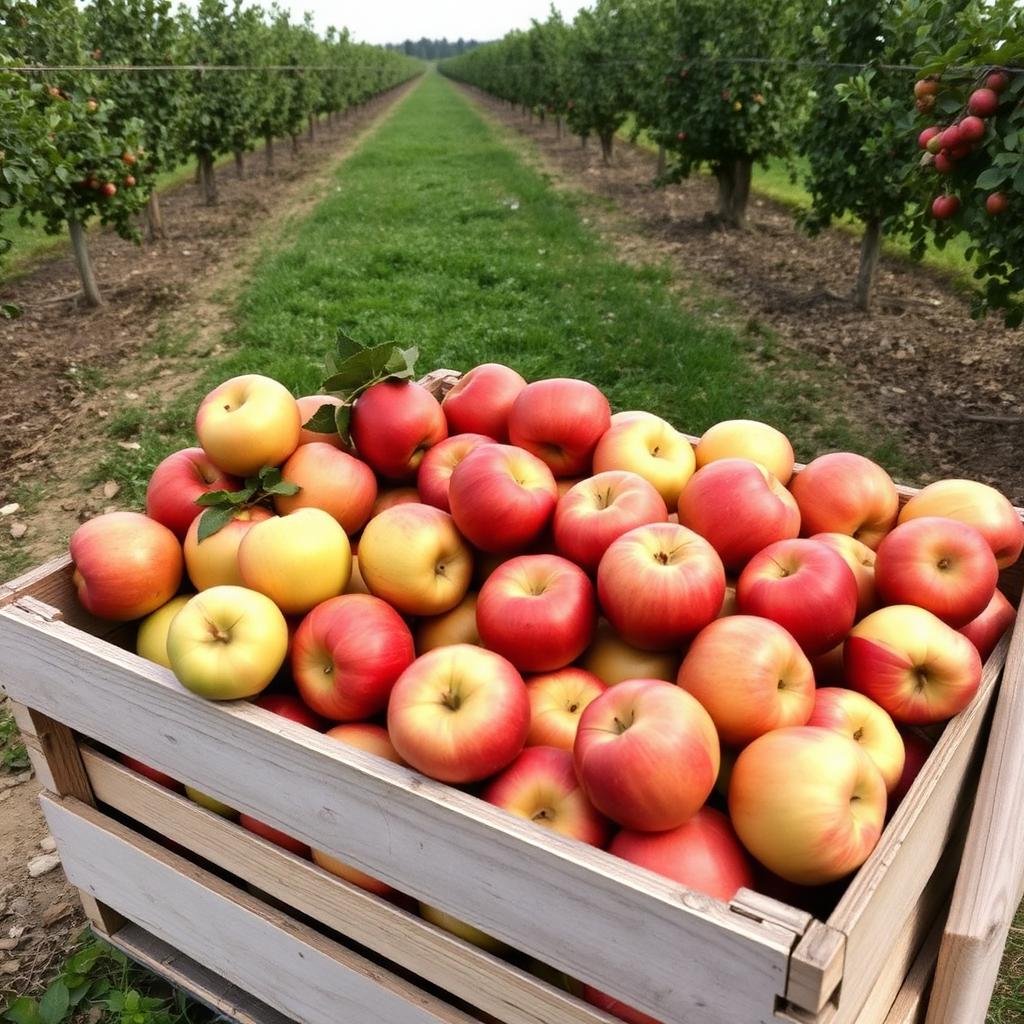
Canning allows you to preserve apples in various forms, from chunky applesauce to spiced pie filling, creating shelf-stable goods you can enjoy for years.
Popular Canning Methods for Apples
- Applesauce: A perennial favorite! Cook peeled, cored, and chopped apples with a little water until soft, then mash or purée. Add sugar and spices to taste. Process in a water bath canner.
- Apple Slices: Can apple slices in a light syrup or plain water. This is perfect for pies, crisps, or baking.
- Apple Butter/Jam: A more concentrated form of applesauce, cooked down until very thick. Often spiced with cinnamon, cloves, and nutmeg.
- Apple Pie Filling: Pre-prepare your pie filling (apples, sugar, spices, thickener) and can it for quick dessert assembly later.
Always follow tested canning recipes from reliable sources like the USDA or university extension services to ensure safety. Improper canning can lead to serious health risks.
Drying Apples: A Sweet, Chewy Snack
Dehydrating apples concentrates their natural sweetness and creates a delicious, portable snack that lasts for a very long time.
How to Dry Apples
- Prepare Apples: Wash, peel (optional), core, and slice apples into uniform 1/4-inch rings or slices.
- Prevent Browning: Treat with an anti-browning solution as you would for freezing (lemon juice, ascorbic acid, or salt water rinse).
- Arrange: Place apple slices in a single layer on dehydrator trays.
- Dehydrate: Follow your dehydrator's instructions. This typically involves drying at 125-135°F (52-57°C) for 6-12 hours, or until leathery and pliable, not brittle.
- Oven Drying: You can also dry apples in a very low oven (150-200°F / 65-93°C) with the door slightly ajar for air circulation. This takes much longer, 8-12+ hours.
- Cool and Store: Allow dried apples to cool completely. Store in airtight containers in a cool, dark place.
Other Creative Apple Preservation Methods
Apple Cider Vinegar
If you have a surplus of apples, particularly those that are a bit too soft for eating but still sound, making homemade apple cider vinegar is a rewarding project. It requires some time and patience but results in a versatile pantry staple.
Apple Juice/Cider
Pressing your own apple juice or cider is a wonderful way to use up a large harvest. The fresh juice can be enjoyed immediately, frozen, or pasteurized and bottled for longer storage. Many orchards even offer pressing services or rent out equipment.
Final Tips for Maximizing Your Apple Harvest
- Regular Checks: No matter your storage method, periodically check your stored apples. Remove any that show signs of spoilage to prevent it from spreading.
- Label Everything: Always label your preserved apples with the date and contents.
- Utilize Scraps: Don't throw away apple peels and cores! They can be used to make apple jelly, apple tea, or even a delicious apple scrap vinegar.
- Experiment: Don't be afraid to try new recipes and methods. From apple butter to spiced apple rings, the possibilities are endless.
By employing these smart storage and preservation techniques, you'll ensure that the delicious taste of fresh-picked apples isn't just a fleeting autumn memory. Instead, it can be a delightful treat you and your family enjoy throughout the year, a constant reminder of those joyous days spent under the orchard sun.
Frequently Asked Questions
How long do fresh-picked apples last?
The lifespan of fresh-picked apples depends heavily on the variety and storage conditions. At room temperature, most apples last about 1-2 weeks. In the refrigerator, they can last 4-6 weeks. When stored in ideal cool, dark, and humid conditions, some varieties can last for 3-5 months or even longer.
Can I store different apple varieties together?
It's generally best to store different varieties separately if you're aiming for very long-term storage, as some varieties may ripen faster or release more ethylene gas than others, potentially affecting their neighbors. For short-term refrigeration, mixing is usually fine as long as you're checking for any spoilage regularly.
Why do my apples shrivel in storage?
Apples shrivel due to a loss of moisture. This indicates that your storage environment is too dry. To prevent shriveling, aim for a higher humidity level (around 85-90%) in your storage area. Wrapping individual apples can also help retain their moisture.
Is it safe to eat an apple with a small bruise?
A small, superficial bruise on an apple is generally safe to eat; simply cut away the bruised portion. However, deeply bruised or otherwise damaged apples should be consumed quickly or processed, as they are more susceptible to mold and rot, which can spread if left unattended.
What's the best way to keep cut apples from browning?
To prevent cut apples from browning, you can toss them in lemon juice, a solution of ascorbic acid (vitamin C), or a very diluted saltwater solution. These methods create a barrier or chemically inhibit the enzymatic reaction that causes browning.
Can I use soft apples for preservation?
Yes, softer apples are often perfect for making applesauce, apple butter, or even apple cider vinegar. While they may not be ideal for eating fresh or for canning slices where firm texture is desired, their flavor is still excellent for cooked preparations. Just be sure they are free from mold or significant decay.
Tags
Explore more on Apple Picking Finder
Find orchards near you →
See the closest U-Pick apple farms with hours, pricing, and directions.
Apple varieties guide →
50+ varieties with taste notes, ripening windows, and best uses.
Ripening calendar →
When each variety is ready to pick, month by month, across the US.
Apple recipes →
60+ tested recipes for pies, crisps, cider, butter, and more.
Keep reading

Mastering Orchard Fun: Apple Picking Strategies for Young Families
Apple picking with kids can be a magical experience, creating cherished family memories and fostering a love for nature. But let's be honest, it can also quickly devolve into a chaotic scene. This guide offers practical tips to ensure your next orchard adventure is joyful, stress-free, and full of d
Furry Friends in the Orchard: Your Guide to Pet-Friendly Picking
Bringing your beloved canine companion along for a day of apple picking can elevate the experience from great to unforgettable. But navigating orchards with pets requires preparation and awareness. Discover how to make your visit smooth and enjoyable for everyone.
American PYO Farms: A Journey From Survival to Agritourism
Dive into the fascinating history of pick-your-own (PYO) farms in America, tracing their evolution from essential family subsistence to cherished agritourism destinations. Discover how economic shifts, consumer desires, and a yearning for connection to the land shaped this unique agricultural model.