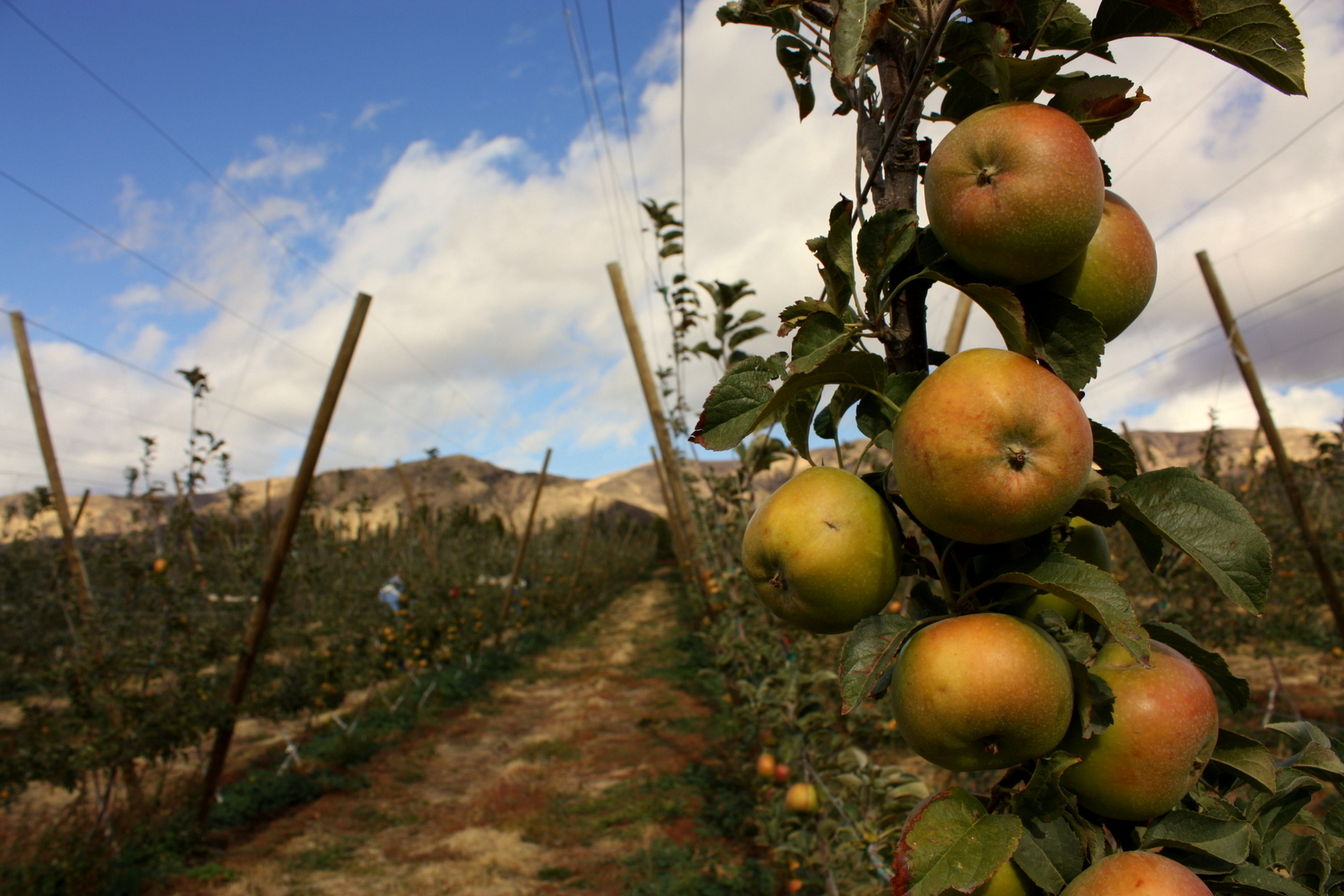
 Photo: Leslie Seaton from Seattle, WA, USA / Wikimedia Commons (CC BY 2.0)
Ripening
Oct to Nov
Color
green to yellow, sometimes with a faint blush
Texture
firm, crisp, and juicy
Origin
Long Island, New York, late 17th century
Taste profile
When first picked, the Newtown Pippin offers a delightful tartness with a complex, almost citrusy aroma, often hinting at pine or spice. As it mellows in storage, the acidity softens beautifully, revealing underlying notes of honey and pear, making for a perfectly balanced sweetness.
Best for
Discovering the Enduring Legacy of the Newtown Pippin Apple
Welcome, fellow apple adventurers, to a deep dive into one of America's most historically significant and undoubtedly delicious apple varieties: the Newtown Pippin. If you've been on the hunt for an apple with character, versatility, and a fascinating backstory, you've just struck gold. The Newtown Pippin isn't just an apple; it's a living piece of American history, a fruit that graced the tables of presidents and queens, and one that continues to delight those who appreciate true apple excellence.
Flavor and Texture in Depth: A Profile of Perfection
Let's talk about what makes the Newtown Pippin so special: its taste. When you first pluck a Newtown Pippin from the tree in late autumn, it's a revelation. You'll be greeted by a bright, exhilarating tartness that wakes up your palate. This initial zest is accompanied by complex aromatic notes. Some describe hints of pine or citrus, a clean, almost mineral quality that sets it apart. The texture is wonderfully firm and crisp, offering a satisfying snap with every bite, and its juiciness is abundant, making it incredibly refreshing.
But here's the magic of the Newtown Pippin: it transforms with age. This isn't an apple that declines in storage; it evolves. Over weeks and months in a cool, dark place, its vibrant acidity mellows beautifully. The tart edge softens, giving way to a profound sweetness, often described as honeyed or even pear-like. The aromatics deepen, developing richer, more nuanced flavors. This makes it an apple for all seasons (or at least, many months of them!), delivering different but equally delightful experiences depending on when you enjoy it.
Where the Newtown Pippin is Grown in the United States
While not as ubiquitous as a Gala or Honeycrisp, the Newtown Pippin holds a cherished place in orchards across the United States, particularly within heritage or specialty growers. You'll find it predominantly in regions with a history of apple cultivation and a climate that allows for its late-season ripening. Key areas include:
- New York: Naturally, its birthplace state remains a stronghold, especially in areas with a rich apple-growing tradition.
- Virginia: Historically, the 'Albemarle Pippin' (a clone virtually identical to the 'Yellow Newtown' strain) was immensely popular here, particularly in the foothills of the Blue Ridge Mountains (around Albemarle County, hence the name). It's still cherished by many growers in the region.
- Pacific Northwest (Oregon, Washington): While dominant varieties are different, you'll find dedicated growers in these states who appreciate the Pippin's culinary qualities and seek out heirloom varieties.
- California: Some smaller, artisanal orchards, especially those focusing on cider apples or diverse eating apples, grow Newtown Pippin.
- Other Northeastern States: Scattered orchards in states like Pennsylvania and Massachusetts also keep this classic alive.
Look for it at farmers' markets, specialty grocery stores, or directly from orchards during the late fall and winter months.
How it Compares to Other Varieties: A Class Apart
The Newtown Pippin stands in a league of its own, particularly due to its dual personality (tart when fresh, sweet when stored) and incredible versatility. If you love a Granny Smith for its tartness, you'll appreciate the Pippin's lively acidity, but you'll find the Pippin offers far more depth and complexity of flavor, especially as it ages. Compared to a Golden Delicious, the Pippin is firmer and never becomes mealy, and its sweetness is balanced by a more pronounced tang. Unlike many modern apples bred for immediate sweetness and crunch, the Pippin offers an evolving flavor profile that rewards patience.
Best Culinary Uses: A Kitchen MVP
The Newtown Pippin is truly a multi-talented apple in the kitchen. Its firm texture holds up beautifully to heat, and its balanced flavor (or evolving flavor!) makes it suitable for almost any apple dish.
- Pies and Crisps: This is arguably where the Newtown Pippin shines brightest. Its firm flesh won't turn to mush, and its complex sweet-tart profile creates incredible depth of flavor in baked goods. Try a classic Newtown Pippin Apple Pie with a hint of cinnamon and nutmeg. For a twist, combine it with a slightly sweeter apple like a Rome or Fuji for a nuanced pie filling.
- Cider: A traditional choice for cider, both hard and sweet. Its excellent sugar-acid balance contributes body and character. It's often blended with other varieties in craft cideries to achieve a perfect balance.
- Apple Sauce: Cooked down, it creates a wonderfully textured, vibrant applesauce that can be left chunky or pureed smooth. A dash of lemon juice might not even be necessary!
- Baking (Beyond Pie): Think apple streudel, turnovers, or even savory dishes like roasted pork with apples. Its ability to retain shape and flavor makes it a baker's dream. Try a batch of Newtown Pippin Muffins for a hearty breakfast treat.
- Fresh Eating: Don't overlook enjoying it out of hand, especially after it's had a few weeks in storage to develop its sweet, rich flavors. It's a wonderful snack.
Growing Conditions: A Patience-Rewarding Tree
The Newtown Pippin tree (Malus domestica 'Newtown Pippin') is generally vigorous and relatively easy to grow for the home orchardist, provided it has the right conditions. It's known for being a late bloomer, which can sometimes protect its blossoms from late spring frosts. It prefers a full sun location (at least 6-8 hours of direct sunlight daily) and well-drained loamy soil. It's a diploid variety, meaning it needs another apple variety planted nearby for cross-pollination to produce fruit reliably. Good pollinators include Honeycrisp, Granny Smith, or Gala. While fairly disease resistant, it can be susceptible to cedar apple rust in some areas, so choosing resistant rootstock or practicing good orchard hygiene is important. Patience is key, as Newtown Pippin trees can sometimes take a few years to establish and start producing a significant crop.
Pick-Your-Own Tips for the Newtown Pippin
If you're lucky enough to find an orchard offering pick-your-own Newtown Pippins, here are some pointers:
- Timing is Key: Newtown Pippins ripen late, usually in October, sometimes even into early November. Check with the orchard for their exact harvest dates.
- Look for Color and Firmness: While the 'Yellow Newtown' can develop a beautiful golden hue, don't expect a deep red. Look for apples that are predominantly green to yellow, possibly with a faint blush. Gently squeeze the apple; it should feel very firm.
- Handle with Care: Even though firm, always handle freshly picked apples gently to avoid bruising, which can shorten their storage life.
- Storage Strategy: Plan to store your bounty! These apples are storage champions. A cool, dark, humid environment (like a root cellar, unheated garage, or crisper drawer in your fridge) is ideal. The flavor truly improves over time.
Fun Facts and Trivia About This Historic Apple
- Presidential Favorite: George Washington and Thomas Jefferson were both dedicated growers of the Newtown Pippin, and Jefferson even shipped barrels of Albemarle Pippins to friends in Europe, where they were highly prized.
- Queen Victoria's Endorsement: For a time, Queen Victoria of England was so fond of the Albemarle Pippin (the Virginia clone of the Newtown Pippin) that she reportedly lifted all import duties on American apples, specifically for this variety, ensuring a steady supply for her royal palate. This vastly boosted its popularity and trade.
- Dual Identity: Historically, there were two main strains, the 'Yellow Newtown' and 'Green Newtown' (sometimes called 'Brooke Pippin'). The 'Yellow Newtown' or 'Albemarle Pippin' is the one most commonly encountered and celebrated today.
- Longevity in Storage: Its exceptional keeping quality made it a vital apple in an era before widespread refrigeration, allowing people to enjoy fresh apples throughout the winter.
- Cider Legacy: It's a true heritage cider apple, contributing significant body, acidity, and complexity to hard cider.
Newtown Pippin Beyond Borders: A Global Apple?
While its fame is deeply rooted in American history, the Newtown Pippin's exceptional qualities did lead to its cultivation in other parts of the world. It was a significant export to the United Kingdom and found its way into commercial orchards there. Some sources also indicate its presence, albeit on a smaller scale, in countries like Australia and New Zealand, largely due to its excellent keeping quality and versatile culinary applications. However, its most significant historical and commercial impact outside of the US was undoubtedly in England during the 19th century, cementing its status as an international star long before global trade became commonplace.
Photo credit: Leslie Seaton from Seattle, WA, USA / Wikimedia Commons (CC BY 2.0). Some historical facts adapted from Wikipedia (CC BY-SA).
Storage notes
This apple is a champion keeper, improving in flavor and developing a richer sweetness over months in proper cold storage. It holds its texture remarkably well.
History
The Newtown Pippin boasts an incredible lineage, born on Long Island, New York, around the late 17th or early 18th century. Its exact parentage is lost to time, but it quickly gained renown for its exceptional quality. George Washington himself cultivated this variety at Mount Vernon, and Thomas Jefferson grew it at Monticello, even sending it as gifts to dignitaries abroad. It truly reached its peak fame in the 19th century, particularly through its export to England, where it was highly prized. The 'Albemarle Pippin' clone, largely identical to the 'Yellow Newtown' strain, became especially famous when Queen Victoria lifted tariffs on American apples specifically for this variety, recognizing its superior taste and keeping qualities. This historic apple played a significant role in early American horticulture and international trade, demonstrating the lasting appeal of a truly great apple.
Frequently asked questions
When is Newtown Pippin ready to pick?+
Newtown Pippin apples ripen October through November across most US growing regions. Southern orchards start a couple weeks earlier and northern or high-elevation orchards finish later. Call your local U-Pick orchard the week you plan to visit to confirm the trees are open.
What does a Newtown Pippin apple taste like?+
When first picked, the Newtown Pippin offers a delightful tartness with a complex, almost citrusy aroma, often hinting at pine or spice. As it mellows in storage, the acidity softens beautifully, revealing underlying notes of honey and pear, making for a perfectly balanced sweetness.
What is Newtown Pippin best used for?+
Newtown Pippin is a great choice for Fresh eating, Pies, Cider, Baking, Sauce. If you plan to bake, pair it with a firmer variety like Granny Smith or Braeburn so the filling holds its shape.
How should I store Newtown Pippin apples after picking?+
This apple is a champion keeper, improving in flavor and developing a richer sweetness over months in proper cold storage. It holds its texture remarkably well.
Where can I pick Newtown Pippin apples near me?+
Use the Apple Picking Finder directory to see U-Pick orchards in your state that grow Newtown Pippin, along with hours, pricing, and directions.
Explore next
Pick Newtown Pippin apples near you →
See the closest U-Pick orchards with hours, pricing, and directions.
Ripening calendar →
Month-by-month guide to when every variety is ready to pick across the US.
Recipes that use Newtown Pippin →
Pies, crisps, cider, butter, and more, tested with fresh-picked apples.
All apple varieties →
Compare 50+ apples by flavor, texture, and best use.