Jonagold
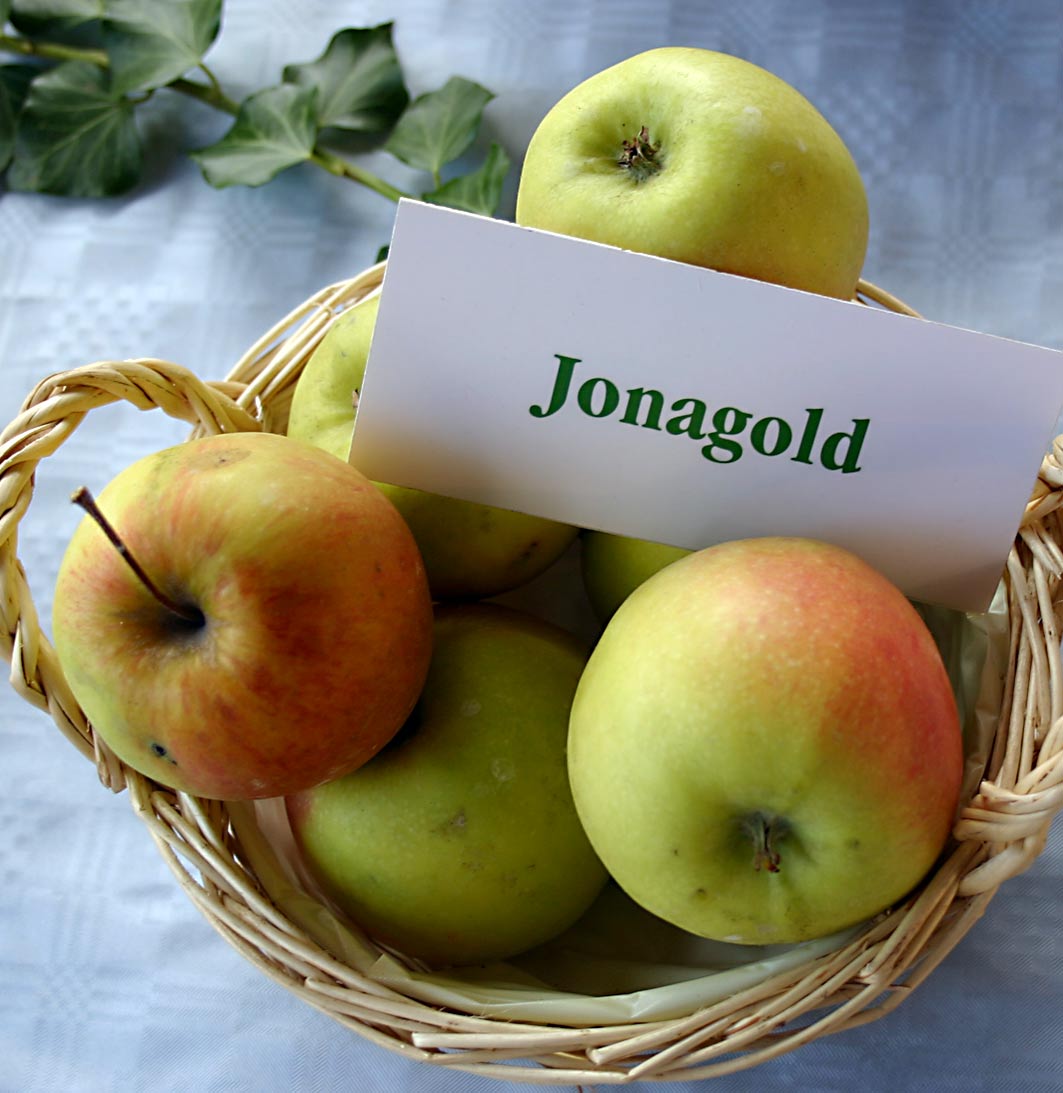 Photo: Diese Datei/Fotografie habe ich als Urheber unter einer „Creative-Commons-Lizenz“ in der Wikipedia veröffentlicht. Dies bedeutet, dass eine kostenlose, auch kommerzielle Nutzung außerhalb der Wikimedia-Projekte unter Einhaltung der Lizenzbestimmungen möglich ist.
Bitte schreiben Sie eine E-Mail an steschke@web.de, wenn Sie
das Foto in einer höheren Auflösung benötigen,
meine Adresse für die Zusendung eines Belegexemplares benötigen,
weitergehende Fragen zur Lizenznutzung haben.
Wenn Sie Interesse an einer Nutzung des Bildes haben, aber die Lizenz nicht verwenden wollen. In diesem Falle richten sich die Preise nach der MFM-Tabelle.
I have published this file/image as author under a "Creative Commons License" in Wikipedia. This means that free, commercial usage outside of Wikimedia projects under the terms of licence is possible.
Please write an email to steschke@web.de, if you
need the image in a higher resolution
need my postal address for sending a specimen copy
have further questions to the terms of licence
Wie wahrscheinlich alle Fotografen freue ich mich, wenn meine Arbeit anerkannt und meine Bilder auch an anderer Stelle genutzt werden. Die Bilder hier im zentralen Medienarchiv Wikimedia Commons dürfen auch kostenlos weiter verwendet werden. Alle Bilder auf Commons stehen unter einer Freien Lizenz, sind aber meistens nicht frei von Urheberrechten. Als Gegenleistung für die kostenlose Nutzung muss der Weiternutzer nur die Lizenzbedingungen einhalten und den Fotografen als Urheber (Lichtbildner) nennen. Das halte ich angesichts des teilweise hohen zeitlichen und finanziellen Aufwandes, den man für die Erstellung der Fotos betreiben muss, nur für angemessen. Es ist einfach unfair, die Bilder zu verwenden und den Namen des Fotografen und die Lizenzbedingungen zu vergessen. Das sollte eigentlich schon der normale Anstand verbieten.
Juristisch stellt so etwas eine Urheberrechtsverletzung bzw. eine Verletzung der Urheberpersönlichkeitsrechte dar. Urheberrechtsverletzungen können auch straf- und zivilrechtliche Folgen haben. Urheber können sich gegen Bilderklau wehren, durch einen Strafantrag, eine Abmahnung und die Aufforderung, eine strafbewehrte Unterlassungserklärung abzugeben. So weit sollte es eigentlich nicht kommen. Wenn Sie Zweifel haben, ob meine von Ihnen verwendeten Bilder korrekt lizenziert sind, schreiben Sie mir eine eMail!
Sven Teschke - steschke@web.de / Wikimedia Commons (CC BY-SA 2.0 de)
Photo: Diese Datei/Fotografie habe ich als Urheber unter einer „Creative-Commons-Lizenz“ in der Wikipedia veröffentlicht. Dies bedeutet, dass eine kostenlose, auch kommerzielle Nutzung außerhalb der Wikimedia-Projekte unter Einhaltung der Lizenzbestimmungen möglich ist.
Bitte schreiben Sie eine E-Mail an steschke@web.de, wenn Sie
das Foto in einer höheren Auflösung benötigen,
meine Adresse für die Zusendung eines Belegexemplares benötigen,
weitergehende Fragen zur Lizenznutzung haben.
Wenn Sie Interesse an einer Nutzung des Bildes haben, aber die Lizenz nicht verwenden wollen. In diesem Falle richten sich die Preise nach der MFM-Tabelle.
I have published this file/image as author under a "Creative Commons License" in Wikipedia. This means that free, commercial usage outside of Wikimedia projects under the terms of licence is possible.
Please write an email to steschke@web.de, if you
need the image in a higher resolution
need my postal address for sending a specimen copy
have further questions to the terms of licence
Wie wahrscheinlich alle Fotografen freue ich mich, wenn meine Arbeit anerkannt und meine Bilder auch an anderer Stelle genutzt werden. Die Bilder hier im zentralen Medienarchiv Wikimedia Commons dürfen auch kostenlos weiter verwendet werden. Alle Bilder auf Commons stehen unter einer Freien Lizenz, sind aber meistens nicht frei von Urheberrechten. Als Gegenleistung für die kostenlose Nutzung muss der Weiternutzer nur die Lizenzbedingungen einhalten und den Fotografen als Urheber (Lichtbildner) nennen. Das halte ich angesichts des teilweise hohen zeitlichen und finanziellen Aufwandes, den man für die Erstellung der Fotos betreiben muss, nur für angemessen. Es ist einfach unfair, die Bilder zu verwenden und den Namen des Fotografen und die Lizenzbedingungen zu vergessen. Das sollte eigentlich schon der normale Anstand verbieten.
Juristisch stellt so etwas eine Urheberrechtsverletzung bzw. eine Verletzung der Urheberpersönlichkeitsrechte dar. Urheberrechtsverletzungen können auch straf- und zivilrechtliche Folgen haben. Urheber können sich gegen Bilderklau wehren, durch einen Strafantrag, eine Abmahnung und die Aufforderung, eine strafbewehrte Unterlassungserklärung abzugeben. So weit sollte es eigentlich nicht kommen. Wenn Sie Zweifel haben, ob meine von Ihnen verwendeten Bilder korrekt lizenziert sind, schreiben Sie mir eine eMail!
Sven Teschke - steschke@web.de / Wikimedia Commons (CC BY-SA 2.0 de)Ripening
Sep to Oct
Color
green-yellow with crimson streaks and blush
Texture
crisp and juicy with a breaking flesh
Origin
New York, USA, 1943
Taste profile
The Jonagold offers a delightful balance of sweet and tart, a juicy apple with a honeyed, sometimes slightly spicy, flavor profile. Its aromatic notes are complex, hinting at ripe fruit with a touch of floral essence, making each bite an invigorating experience. The acidity is present enough to keep the sweetness from being cloying, resulting in a well-rounded and satisfying taste.
Best for
Discovering the Jonagold Apple: A Sweet & Tangy Sensation
Ah, the Jonagold. Just the name itself conjures up images of a perfect autumn day, a basket overflowing with apples, and the promise of deliciousness. If you've been searching for an apple that truly delivers on all fronts, a fruit that balances sweetness with a lively tartness, and boasts a texture that's both crisp and yielding, then you, my friend, have found your match. The Jonagold is more than just an apple, it's an experience, a harmonious blend of two iconic parents coming together to create something truly special. It's a fruit that has charmed apple enthusiasts and commercial growers alike, earning its place among the most popular varieties in orchards across the globe. So, let's peel back the layers and dive deep into what makes the Jonagold a perennial favorite.
A Symphony of Flavor and Texture
When you bite into a Jonagold, you're immediately greeted by a satisfying crunch, followed by a burst of juicy sweetness that's quickly tempered by a bright, refreshing tang. This isn't a one-note apple, oh no. The flavor profile is complex and engaging, often described as possessing honeyed undertones with a hint of spice peeking through. It's an apple that knows how to keep your taste buds intrigued, offering a delightful interplay of sugary notes from its Golden Delicious lineage and the brisk tartness inherited from the Jonathan.
- Crispness: The Jonagold is wonderfully crisp, offering a satisfying snap with every bite that makes it incredibly enjoyable for fresh eating.
- Juiciness: Prepare for a mess (a delicious mess, mind you) because these apples are incredibly juicy, bursting with refreshing liquid that enhances their flavor.
- Sweetness: It leans towards the sweeter side, but it's a natural, well-balanced sweetness that doesn't overwhelm. Think sun-ripened fruit rather than artificial sugar.
- Acidity: That crucial touch of acidity is what elevates the Jonagold, preventing it from being cloyingly sweet and adding a refreshing zing that cleanses the palate.
- Aroma: Bring a Jonagold close to your nose, and you'll catch a lovely, fragrant aroma, often described as fruity and subtly floral.
The flesh is typically a creamy yellow, and its 'breaking' texture means it feels substantial and satisfying in your mouth, not mealy or soft. It holds its shape beautifully whether you're munching on it raw or cooking it into a culinary masterpiece.
Where Jonagold Thrives in the United States
While the Jonagold was born in the Empire State, its appeal quickly spread beyond New York's borders. Today, you'll find Jonagold orchards flourishing across many of the prime apple-growing regions in the United States. Its adaptability, coupled with its excellent flavor and keeping qualities, has made it a favorite among growers.
- New York: Naturally, its birthplace remains a significant producer, with orchards dotting the Hudson Valley and Western New York.
- Michigan: The 'Great Lakes State' is another powerhouse for Jonagold production, benefiting from the moderating influence of the lakes on its climate.
- Washington State: Known for its vast apple yields, Washington also dedicates significant acreage to Jonagold, producing large, high-quality fruit.
- Pennsylvania: Growers in Pennsylvania appreciate its robust nature and strong market demand.
- Virginia: The Shenandoah Valley provides ideal conditions for Jonagold cultivation, adding to its regional availability.
Its widespread cultivation means that whether you're on the East Coast, West Coast, or somewhere in between, you're likely to find fresh Jonagold apples at your local farmers market or grocery store during the harvest season.
Jonagold Compared to Its Peers
How does the Jonagold stack up against other popular varieties? It holds its own, and then some!
- Versus Gala: While Gala is known for its sweet, mild flavor, Jonagold offers a more pronounced sweet-tart balance and a firmer, more breaking texture. If you like a little more zest in your apple, Jonagold is the way to go.
- Versus Honeycrisp: Honeycrisp is famous for its explosive crunch and juiciness. Jonagold is similarly crisp and juicy, but its flavor profile is often described as richer and more complex than Honeycrisp's generally straightforward sweetness.
- Versus Fuji: Fuji is a very sweet and crunchy apple. Jonagold matches it in crunch and juiciness, but again, offers that lovely tart counterpoint that some find more appealing for a balanced eating experience.
- Versus Golden Delicious: Its parent, Golden Delicious, is sweeter and softer, less acidic than Jonagold. Jonagold retains the sweetness but brings a much crisper texture and a more vibrant tang.
- Versus Jonathan: The other parent, Jonathan, is known for its tartness and spicy notes. Jonagold mellows out that intense tartness with the sweetness of Golden Delicious, creating a more universally appealing flavor.
In essence, Jonagold offers the best of many worlds: the sweetness of Golden Delicious, the tartness of Jonathan, and a texture that rivals even the crunchiest modern varieties.
The Culinary Versatility of Jonagold
Thanks to its balanced flavor and excellent texture, the Jonagold is a true workhorse in the kitchen. It holds its shape well when cooked, and its flavor intensifies beautifully. Here are some ideas:
- Fresh Eating: This is a no-brainer! Simply wash, slice, and enjoy. Perfect for a healthy snack, or chopped into salads for a burst of flavor and crunch.
- Pies and Crumbles: The sweet-tart profile of Jonagold is simply divine in baked goods. It provides a complexity that keeps your apple pie from being overly sweet. Try a classic Apple Pie with a Brown Sugar Streusel using Jonagolds for a truly memorable dessert.
- Baking: Beyond pies, Jonagolds excel in muffins, crisps, and tarts. Their ability to retain shape means you won't end up with an apple mush. Consider an Apple and Cinnamon Muffin recipe for a delicious breakfast treat.
- Applesauce: While some prefer sweeter apples for sauce, the Jonagold makes a wonderfully balanced, flavorful sauce that requires less added sugar. Your homemade applesauce will have a rich, complex taste.
- Salads: Its crispness and vibrant flavor make it an ideal addition to savory salads. Think spinach salad with candied pecans, crumbled goat cheese, and thin slices of Jonagold.
- Stuffing: Add diced Jonagold to your Thanksgiving turkey or pork chop stuffing for a touch of sweetness and moisture.
Growing Conditions and Orchard Life
Jonagold apples prefer a temperate climate with distinct seasons, including a cold winter period crucial for dormancy. They thrive in well-drained soil and require full sun to develop their beautiful color and optimal flavor. Orchardists appreciate the Jonagold's relatively good productivity, yielding large, impressive fruit. However, it's worth noting that Jonagold is a 'triploid' variety, meaning its pollen is sterile. This makes it an excellent consumer of pollen but requires careful planning from growers, as other apple varieties (pollenizers) must be planted nearby to ensure successful pollination and a bountiful harvest. Growers also keep a watchful eye for common apple diseases like scab, powdery mildew, and fire blight, though good horticultural practices can manage these challenges.
Pick-Your-Own Tips for the Jonagold Enthusiast
If you're heading to an orchard for a pick-your-own adventure, seeking out Jonagold is highly recommended! Here are a few pointers:
- Harvest Time: Jonagolds typically ripen in late September through October in most northern climates. Call ahead to your local orchard to confirm their availability.
- Color Clues: Look for apples with a bright green-yellow background generously blushed with rich crimson or orange-red stripes. The more color, the more sun it has received, and usually, the sweeter and more flavorful it will be.
- Gentle Twist: To pick, gently cup the apple in your hand, lift it slightly upwards, and twist. If it's ripe, it should detach easily from the branch.
- Handle with Care: Jonagolds have a relatively thin skin, so handle them gently to avoid bruising, especially if you plan to store them.
Fun Facts and Global Appeal
- A Star in Europe: While loved in the U.S., Jonagold found immense popularity in Europe, particularly in Belgium where, as of 2020, it was the most widely produced apple. It's even used in Stella Cidre and is sometimes credited with helping to revitalize the European fruit industry.
- A Naming Story: The name 'Jonagold' is indeed a clever portmanteau of its parent varieties, Jonathan and Golden Deligold. Simple, yet effective!
- Large and In Charge: Jonagold apples are typically quite large, making them an excellent choice for baking or for a satisfying single-apple snack.
- Sport Mutations: Like many popular apple varieties, Jonagold has given rise to 'sport' mutations, such as the Jonagored, which often exhibit more intense or distinct coloration.
The Jonagold apple truly offers something for everyone. Its delightful flavor, crisp texture, and versatility in the kitchen make it a standout choice whether you're eating it fresh, baking a pie, or simply enjoying the bounty of the harvest season. It's a testament to thoughtful breeding and a favorite that continues to win hearts around the world.
Photo credit: Diese Datei/Fotografie habe ich als Urheber unter einer „Creative-Commons-Lizenz“ in der Wikipedia veröffentlicht. Dies bedeutet, dass eine kostenlose, auch kommerzielle Nutzung außerhalb der Wikimedia-Projekte unter Einhaltung der Lizenzbestimmungen möglich ist. Bitte schreiben Sie eine E-Mail an steschke@web.de, wenn Sie das Foto in einer höheren Auflösung benötigen, meine Adresse für die Zusendung eines Belegexemplares benötigen, weitergehende Fragen zur Lizenznutzung haben. Wenn Sie Interesse an einer Nutzung des Bildes haben, aber die Lizenz nicht verwenden wollen. In diesem Falle richten sich die Preise nach der MFM-Tabelle. I have published this file/image as author under a "Creative Commons License" in Wikipedia. This means that free, commercial usage outside of Wikimedia projects under the terms of licence is possible. Please write an email to steschke@web.de, if you need the image in a higher resolution need my postal address for sending a specimen copy have further questions to the terms of licence Wie wahrscheinlich alle Fotografen freue ich mich, wenn meine Arbeit anerkannt und meine Bilder auch an anderer Stelle genutzt werden. Die Bilder hier im zentralen Medienarchiv Wikimedia Commons dürfen auch kostenlos weiter verwendet werden. Alle Bilder auf Commons stehen unter einer Freien Lizenz, sind aber meistens nicht frei von Urheberrechten. Als Gegenleistung für die kostenlose Nutzung muss der Weiternutzer nur die Lizenzbedingungen einhalten und den Fotografen als Urheber (Lichtbildner) nennen. Das halte ich angesichts des teilweise hohen zeitlichen und finanziellen Aufwandes, den man für die Erstellung der Fotos betreiben muss, nur für angemessen. Es ist einfach unfair, die Bilder zu verwenden und den Namen des Fotografen und die Lizenzbedingungen zu vergessen. Das sollte eigentlich schon der normale Anstand verbieten. Juristisch stellt so etwas eine Urheberrechtsverletzung bzw. eine Verletzung der Urheberpersönlichkeitsrechte dar. Urheberrechtsverletzungen können auch straf- und zivilrechtliche Folgen haben. Urheber können sich gegen Bilderklau wehren, durch einen Strafantrag, eine Abmahnung und die Aufforderung, eine strafbewehrte Unterlassungserklärung abzugeben. So weit sollte es eigentlich nicht kommen. Wenn Sie Zweifel haben, ob meine von Ihnen verwendeten Bilder korrekt lizenziert sind, schreiben Sie mir eine eMail! Sven Teschke - steschke@web.de / Wikimedia Commons (CC BY-SA 2.0 de). Some historical facts adapted from Wikipedia (CC BY-SA).
Storage notes
Jonagold apples store exceptionally well, lasting up to two months in a cool, dark place like a refrigerator. With controlled atmosphere storage, they can remain fresh for even longer, a testament to their robust nature.
History
The Jonagold apple is a true American success story, born from the innovative spirit of the New York State Agricultural Experiment Station in Geneva, New York. In 1943, horticulturalists at Cornell University's College of Agriculture and Life Sciences embarked on a mission to combine the best attributes of two beloved varieties: the crisp, sweet Golden Delicious and the zesty, crimson Jonathan. The result was N.Y. 43013-1, later christened Jonagold, and officially released to the public by Roger Way in 1968. This triploid marvel quickly garnered attention for its superior flavor and versatility. Its cultivation spread rapidly, first across the United States and then internationally, particularly in Europe where it became a cornerstone of the apple industry. In 1988, the American Society for Horticultural Science recognized its excellence with the Outstanding Fruit Cultivar Award, solidifying its place as a globally cherished apple.
Frequently asked questions
When is Jonagold ready to pick?+
Jonagold apples ripen September through October across most US growing regions. Southern orchards start a couple weeks earlier and northern or high-elevation orchards finish later. Call your local U-Pick orchard the week you plan to visit to confirm the trees are open.
What does a Jonagold apple taste like?+
The Jonagold offers a delightful balance of sweet and tart, a juicy apple with a honeyed, sometimes slightly spicy, flavor profile. Its aromatic notes are complex, hinting at ripe fruit with a touch of floral essence, making each bite an invigorating experience. The acidity is present enough to keep the sweetness from being cloying, resulting in a well-rounded and satisfying taste.
What is Jonagold best used for?+
Jonagold is a great choice for Fresh eating, Baking, Salads, Pies, Sauce. If you plan to bake, pair it with a firmer variety like Granny Smith or Braeburn so the filling holds its shape.
How should I store Jonagold apples after picking?+
Jonagold apples store exceptionally well, lasting up to two months in a cool, dark place like a refrigerator. With controlled atmosphere storage, they can remain fresh for even longer, a testament to their robust nature.
Where can I pick Jonagold apples near me?+
Use the Apple Picking Finder directory to see U-Pick orchards in your state that grow Jonagold, along with hours, pricing, and directions.
Explore next
Pick Jonagold apples near you →
See the closest U-Pick orchards with hours, pricing, and directions.
Ripening calendar →
Month-by-month guide to when every variety is ready to pick across the US.
Recipes that use Jonagold →
Pies, crisps, cider, butter, and more, tested with fresh-picked apples.
All apple varieties →
Compare 50+ apples by flavor, texture, and best use.