Gravenstein
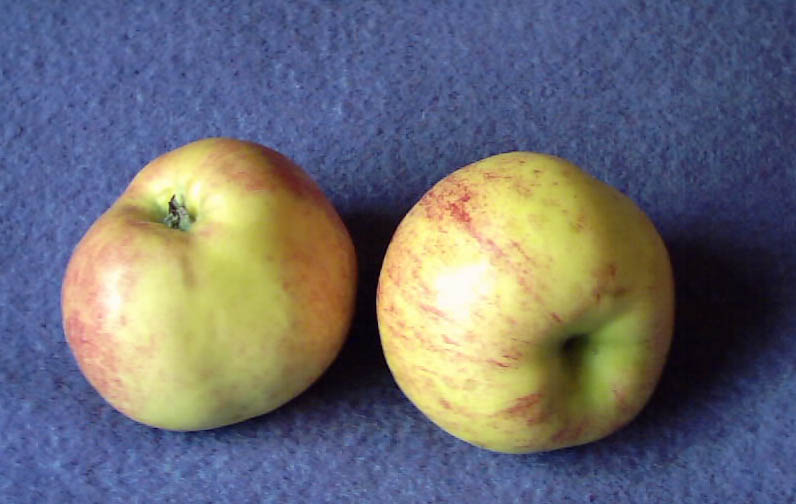 Photo: No machine-readable author provided. Poupou l'quourouce assumed (based on copyright claims). / Wikimedia Commons (CC BY-SA 3.0)
Ripening
Jul to Sep
Color
yellowish-green with striking red stripes and splashes
Texture
tender, crisp, and exceedingly juicy
Origin
Denmark, early 17th century
Taste profile
Gravenstein apples offer a vibrant sweet-tart complexity, with a delightful balance of sugars and a brisk, refreshing acidity. Their aroma is captivating, often described as spicy, reminiscent of cinnamon and citrus. The flavor finishes clean and bright, leaving a pleasant zestiness on the palate.
Best for
Discover the Gravenstein: A Heritage Apple Like No Other
Ah, the Gravenstein! For those in the know, simply uttering its name conjures images of late summer orchards, the heady scent of ripening fruit, and the promise of unparalleled flavor. This isn't just an apple; it's an experience, a living piece of history, and a culinary delight that stands proudly apart from the masses. If you've never had the pleasure of biting into a freshly picked Gravenstein, you're in for a treat that will redefine your appreciation for apples.
Flavor and Texture in Depth: A Symphony for the Senses
Let's dive into what makes the Gravenstein truly special. Its flavor profile is a magnificent dance between sweetness and a bracingly bright tartness, creating a perfectly balanced taste that's rarely found in other varieties. Imagine a burst of juicy sweetness followed by a clean, zesty finish that makes your mouth water for another bite. But it's more than just sweet and tart; there are subtle whispers of spice, almost like cinnamon, and a delightful citrusy brightness that enlivens the palate. Some describe it as having a nuanced, almost pear-like essence, while others detect notes of apricot or even a hint of wine. It’s a complex and captivating flavor that truly shines without any embellishment.
Accompanying this remarkable flavor is an equally delightful texture. The Gravenstein boasts a tender, yet distinctly crisp flesh that practically melts in your mouth while offering a satisfying snap. It's incredibly juicy, releasing a flood of invigorating liquid with every bite, making it a supremely refreshing choice whether eaten fresh or incorporated into your favorite dishes. Unlike some apples that can be mealy or overly firm, the Gravenstein strikes that perfect balance of yielding tenderness and enjoyable crispness, never tiring the palate.
Where it's Grown in the United States: A Regional Treasure
While the Gravenstein apple was once extensively cultivated across various regions, its finicky nature (namely, its short shelf life) meant it largely disappeared from large-scale commercial agriculture. However, it has found enduring sanctuaries, particularly in areas with cool coastal influences that mimic its ancestral European home. The most famous stronghold for the Gravenstein in the United States is undoubtedly Sonoma County, California. Here, in the Sebastopol area specifically, the Gravenstein thrives, enjoying protected status and celebrating an annual Apple Blossom Festival. Dedicated growers and enthusiasts in Sonoma County have fought tirelessly to preserve this heirloom variety, understanding its immense value. You'll also find smaller, passionate growers nurturing Gravensteins in parts of northern California, the Pacific Northwest (especially Oregon and Washington), and even some scattered orchards in the colder climates of New England, particularly Maine and parts of New York. These regions typically have the specific microclimates that allow this heritage apple to truly flourish.
How it Compares to Other Varieties: Standing Out in the Orchard
The Gravenstein occupies a unique niche compared to more common apples. Unlike a Granny Smith, which offers intense tartness, or a Fuji, which leans heavily sweet, the Gravenstein masterfully balances both, giving it a much more complex and engaging flavor profile. Its tender, juicy flesh is distinct from the dense crispness of a Honeycrisp or the softer texture of a Gala. Where many baking apples, like Rome Beauties, primarily offer structure and a mild flavor, the Gravenstein brings an assertive, bright taste that truly elevates baked goods. Its aromatic qualities, often described as spicy or citrusy, are far more pronounced than the mild scents of many modern cultivars, making it instantly recognizable and a joy to experience. It’s a true chef's apple, valued for its ability to impart distinct flavor, not just perform as a neutral ingredient.
Best Culinary Uses with Specific Recipe Ideas: A Chef's Dream
The Gravenstein is a versatile star in the kitchen, beloved for its ability to hold its flavor and tender texture without turning to mush. Here are some fantastic ways to enjoy it:
- Fresh Eating: Simply put, a fresh Gravenstein bitten out of hand is one of life's true pleasures. The balance of sweet, tart, and juicy makes it incredibly satisfying.
- Apple Sauce: This is arguably where the Gravenstein truly shines. Its natural sweetness, tartness, and aromatic qualities mean you need very little, if any, added sugar or spices. Simply peel, core, chop, and simmer with a splash of water until tender before mashing or pureeing. Experience pure apple goodness.
- Pies and Crisps: Gravensteins make phenomenal pies and crumbles. Their robust flavor holds up beautifully against butter and pastry, and they create a lovely, tender filling that isn't watery. Try a classic Gravenstein Apple Pie with a Lattice Top, or a simple Apple Crumble with an Oat Topping for a comforting dessert.
- Baking (Cakes, Muffins, Breads): Dice them into your favorite fruit cake, muffin batch, or quick bread recipe. Their bright flavor prevents baked goods from becoming bland. A Gravenstein Apple Muffin with streusel topping is a perfect breakfast treat.
- Cider: While not typically a single-variety cider, Gravensteins contribute fantastic acidity and a lovely aromatic quality to blends, making for exceptional hard and sweet ciders.
- Salads: Their crisp texture and bright flavor make them a wonderful addition to savory salads. Try slices in a Waldorf Salad or with arugula, goat cheese, and walnuts.
- Roasting/Sautéing: Apple slices sautéed with pork or roasted alongside root vegetables add a beautiful sweet-tart counterpoint to savory meals.
Growing Conditions: Nurturing a Heritage Variety
Gravensteins are somewhat particular about their growing environment. As a triploid variety, they require other diploid apple varieties for pollination, making them a little more work for the orchardist. They prefer a consistent, cool climate, often benefiting from coastal fogs or mild summers. Abundant sunshine is still essential for developing their vibrant color and complex sugars, but extreme heat can be detrimental. The trees themselves are vigorous growers, often large and spreading, and are known to be biennial bearers (meaning they produce a heavy crop one year and a lighter one the next). They are also sensitive to certain diseases, particularly apple scab, requiring careful orchard management. This demanding nature is part of why they are a cherished heirloom rather than a mass-market commodity.
Pick-Your-Own Tips for the Gravenstein Enthusiast
If you're lucky enough to find an orchard offering pick-your-own Gravensteins, seize the opportunity! Here are some pointers:
- Timing is Key: Gravensteins ripen from late July through early September, depending on the region. Call ahead to confirm peak picking times, as their season is relatively short.
- Handle with Care: These apples have a thin skin and can bruise easily. Place them gently in your basket.
- Don't Be Afraid to Look for Color: While they have green bases, look for a good amount of red striping and an overall yellowish-green hue as a sign of ripeness.
- Taste Test (with permission!): Some orchards allow sampling, which is the best way to determine ripeness to your preference.
- Plan for Immediate Use: Remember, Gravensteins don't store well. Plan to use or process your bounty within a few days to a week.
Fun Facts / Trivia: More Than Just an Apple
- A Danish Legacy: The name 'Gravenstein' (or 'Gråsten' in Danish) literally means 'gray stone,' referencing the Graasten Palace in Denmark where it's believed to have originated.
- Triploid Trouble: Gravensteins are 'triploid,' meaning they have three sets of chromosomes instead of the usual two. This makes them excellent pollen receivers but poor pollen donors, requiring other apple trees for successful pollination.
- Endangered Status (Formerly): In Sonoma County, the Gravenstein was once considered an endangered agricultural product due to development pressures and competition from other crops. Dedicated local efforts have helped bring it back from the brink.
- National Apple of Denmark: The Gravenstein holds the esteemed title of Denmark's national apple.
International Growth: A Global Heirloom
Beyond its significant presence in the United States, the Gravenstein apple is cherished in several other countries. It remains a popular, albeit seasonal, apple in its country of origin, Denmark. In Nova Scotia, Canada, the Gravenstein is also a historically significant apple, celebrated for its unique flavor and contribution to local agriculture. You’ll find it still grown in home orchards and by specialty growers there. It’s also cultivated to some extent in parts of Germany and other Northern European countries where its cool-loving nature is appreciated. Its fame may have waned on the global commercial stage due to its storage limitations, but its reputation among apple connoisseurs and heritage food advocates ensures its continued cultivation and enjoyment worldwide.
Photo credit: No machine-readable author provided. Poupou l'quourouce assumed (based on copyright claims). / Wikimedia Commons (CC BY-SA 3.0). Some historical facts adapted from Wikipedia (CC BY-SA).
Storage notes
Gravensteins are notoriously poor keepers, best enjoyed within days of harvest. Their unique flavor and aroma diminish rapidly in storage, so fresh is always best.
History
The history of the Gravenstein apple is as rich and nuanced as its flavor. Originating in Denmark, likely at the Graasten Palace (from which it takes its name, translating to “gray stone”), the exact date of its emergence is debated, but it was certainly present by the early 17th century. From humble beginnings, it journeyed across Europe and eventually made its way to North America. Its adaptability and exceptional taste quickly endeared it to fruit enthusiasts and orchardists, particularly in areas with cool, coastal climates. The Gravenstein became a cornerstone of commercial orcharding in regions like Sonoma County, California, and Nova Scotia, Canada, where its distinctive qualities were celebrated. Despite its challenges as a commercial fruit due to its short shelf life, its cultural significance endures, becoming a symbol of heritage and agricultural pride in many communities.
Frequently asked questions
When is Gravenstein ready to pick?+
Gravenstein apples ripen July through September across most US growing regions. Southern orchards start a couple weeks earlier and northern or high-elevation orchards finish later. Call your local U-Pick orchard the week you plan to visit to confirm the trees are open.
What does a Gravenstein apple taste like?+
Gravenstein apples offer a vibrant sweet-tart complexity, with a delightful balance of sugars and a brisk, refreshing acidity. Their aroma is captivating, often described as spicy, reminiscent of cinnamon and citrus. The flavor finishes clean and bright, leaving a pleasant zestiness on the palate.
What is Gravenstein best used for?+
Gravenstein is a great choice for Fresh eating, Apple sauce, Pies, Cider, Baking. If you plan to bake, pair it with a firmer variety like Granny Smith or Braeburn so the filling holds its shape.
How should I store Gravenstein apples after picking?+
Gravensteins are notoriously poor keepers, best enjoyed within days of harvest. Their unique flavor and aroma diminish rapidly in storage, so fresh is always best.
Where can I pick Gravenstein apples near me?+
Use the Apple Picking Finder directory to see U-Pick orchards in your state that grow Gravenstein, along with hours, pricing, and directions.
Explore next
Pick Gravenstein apples near you →
See the closest U-Pick orchards with hours, pricing, and directions.
Ripening calendar →
Month-by-month guide to when every variety is ready to pick across the US.
Recipes that use Gravenstein →
Pies, crisps, cider, butter, and more, tested with fresh-picked apples.
All apple varieties →
Compare 50+ apples by flavor, texture, and best use.