Baldwin
Also known as Calville Butter, Felch, Late Baldwin, Pecker, Red Baldwin's Pippin, Steele's Red Winter, Woodpecker
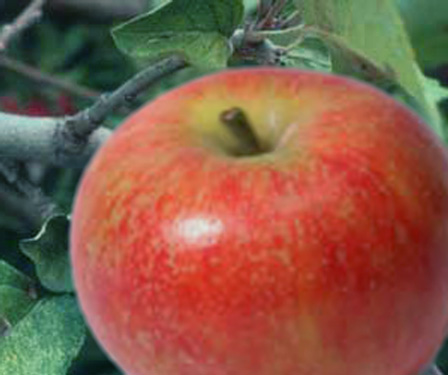 Photo: Poeticbent / Wikimedia Commons (Public domain)
Ripening
Sep to Oct
Color
bright red with green or yellow blush
Texture
firm, crisp, and juicy
Origin
Wilmington, Massachusetts, circa 1740
Taste profile
The Baldwin apple delivers a delightful balance, offering a crisp, subacid yet sweet flavor. Its complex aromatic profile includes hints of spice, making for a truly satisfying bite.
Best for
Discovering the Delightful Baldwin Apple: A Classic American Treasure
Ah, the Baldwin! Just the name conjures images of crisp autumn days, bountiful harvests, and the comforting aroma of freshly baked apple pie. This is no ordinary apple. It's a living piece of American history, a fruit that once dominated orchards and delighted palates across the Northeast, and continues to charm those who seek out truly exceptional flavor. If you're looking for an apple that's as versatile as it is delicious, one with a storied past and a bright future in your kitchen, then allow me to introduce you to the magnificent Baldwin.
An Overview of the Baldwin
The Baldwin apple is, in essence, a quintessential 'winter apple.' What does that mean, you ask? It means it's a late-season variety that not only ripens thoroughly in the crisp air of early autumn but also possesses remarkable keeping qualities, making it a staple throughout the colder months. Its appearance is striking: a vibrant, cheerful red blush blankets much of its skin, often over a base of green or yellowish-green. But it's not just a pretty face; the Baldwin is a powerhouse of flavor and texture, a true all-rounder that shines whether eaten out of hand or transformed into culinary masterpieces.
Flavor and Texture in Depth: A Sensory Experience
Let's talk about what truly sets the Baldwin apart: its incredible taste and satisfying texture. When you bite into a fresh Baldwin, you're met with a gratifying 'snap.' It's wonderfully firm and exceptionally juicy, not mealy or soft in the slightest. The flavor profile is where the Baldwin truly sings. It's often described as bright, subacid (meaning not overly tart but with a pleasant tang), and perfectly sweet. There's a beautiful complexity here, with subtle hints of spice that linger pleasantly on the palate. Many enthusiasts also detect a rich, almost vinous quality, deepening the experience. This balance of sweetness, acidity, and aromatic notes makes it incredibly refreshing for fresh eating, while also providing a robust foundation for cooking and baking. Unlike some apples that lose their charm when cooked, the Baldwin holds its shape beautifully and intensifies in flavor, becoming even more magnificent.
Where it's Grown in the United States: A Resilient Comeback
The Baldwin apple, originating in Massachusetts, was once the undisputed king of orchards throughout New England and New York. Its popularity was immense, becoming a cornerstone of agriculture in states like Massachusetts, Connecticut, Vermont, New Hampshire, Maine, Rhode Island, and indeed, New York. While its dominance waned somewhat with the rise of newer varieties in the mid-20th century, the Baldwin has experienced a wonderful resurgence. Today, you'll still find it cultivated in its ancestral home throughout the Northeast, cherished by heirloom apple enthusiasts and smaller, family-run orchards. Its adaptability also means it's grown by dedicated growers in parts of the Pacific Northwest (such as Washington and Oregon) and even some cooler regions of the Midwest, though its spiritual home remains the historic orchards of the East Coast. When you see it at a farmers market or specialty grocer, it's often a testament to a grower's appreciation for classic, quality fruit.
How it Compares to Other Varieties: The Baldwin's Unique Stand
The Baldwin holds its own when compared to other well-known apples. Unlike the Braeburn, which can be intensely tart, the Baldwin offers a more mellow acidity with a distinct sweetness. It's firmer than a McIntosh and generally holds its shape better in cooking. While not as explosively aromatic as a Honeycrisp, its complex flavor is more nuanced and traditional. For those who appreciate the tartness of a Granny Smith, the Baldwin offers a similar crispness but with a more balanced, less puckering sweetness. Its keeping quality rivals that of Fuji or Rome Beauty, often improving with a bit of cellar time. If you enjoy apples like Northern Spy (another historic variety often used for baking), you'll likely find the Baldwin equally delightful, perhaps with a slightly richer, spicier undertone.
Best Culinary Uses: From Snack to Symphony
The Baldwin is truly a chef's dream. Its firm flesh and balanced flavor make it incredibly versatile:
- Fresh Eating: Its crispness and juicy sweetness make it perfect for a healthy snack or sliced into salads for a refreshing crunch. Think apple and walnut salad with a light vinaigrette.
- Pies and Crisps: This is where the Baldwin truly shines! It holds its shape beautifully under heat, preventing a mushy filling, and its flavor intensifies, creating a wonderfully rich and aromatic pie. Try a classic apple pie with a hint of cinnamon and nutmeg, letting the Baldwin's natural flavor be the star.
- Baking (Muffins, Breads, Cakes): Diced Baldwins lend moisture and flavor to muffins, quick breads, and even apple cakes without dissolving into oblivion.
- Cider: Its robust flavor and good sugar-acid balance make it an excellent choice for hard cider production, contributing complexity and body. It's also fantastic for fresh, pressed cider, either on its own or blended.
- Sauce: While it holds its shape, if cooked longer, Baldwins break down into a wonderfully flavorful, slightly chunky applesauce that needs very little added sugar.
- Roasting: Halved and roasted with pork or chicken, Baldwins caramelize beautifully, adding a sweet and savory element to your meal.
Growing Conditions: A Nod to Its Roots
Baldwin apple trees are known for their vigor and hardiness, characteristics that helped them thrive in the oftentimes challenging New England climate. They prefer well-drained soil and full sun, requiring a temperate climate with distinct cold winters for proper dormancy and fruit set. They are generally considered strong, productive trees, although like many older varieties, they can be somewhat susceptible to certain diseases, requiring attentive care from growers. However, their robust nature and consistent yields made them a favorite for centuries.
Pick-Your-Own Tips for Baldwin Lovers
If you're lucky enough to find an orchard growing Baldwins for pick-your-own, here are a few pointers:
- Timing is key: Baldwins are a late-season apple, typically ready for harvest in late September through October in most northern climates. Check with your local orchard for their specific harvest schedule.
- Look for color: A deep, even red blush is a good indication of ripeness. Don't be deterred by some green or yellow showing through, especially around the stem.
- Gentle twist: A ripe Baldwin should detach easily from the branch with a slight twist upwards. Don't pull or yank, as this can damage the branch and other fruit.
- Storage: Once you get them home, store Baldwins in a cool, dark place (like a cellar or refrigerator crisper drawer). They store exceptionally well, sometimes for several months, with their flavor often improving over time.
Fun Facts and Trivia About the Baldwin
- The Baldwin was so popular that it was once said that it was 'no exaggeration' that 'no apple in the vicinity of Boston was so popular.'
- It has gone by many names throughout its history, including 'Woodpecker' (its original name), 'Pecker,' 'Calville Butter,' 'Felch,' and 'Steele's Red Winter.'
- In 2013, the United States Postal Service honored the Baldwin apple as one of four historic apple varieties featured on a set of 33-cent stamps. The other celebrated apples were Northern Spy, Golden Delicious, and Granny Smith. Talk about celebrity status for a fruit!
- While its peak popularity was in the 19th century, dedicated apple enthusiasts and heirloom growers are ensuring that the Baldwin's legacy continues, preserving its unique flavor for future generations.
A Timeless Taste of American History
The Baldwin apple is more than just a fruit; it's a connection to agricultural history, a testament to the enduring appeal of quality and flavor. Its balanced taste, crisp texture, and versatility in the kitchen have secured its place as a beloved classic. Whether you're enjoying it fresh, baking it into a comforting pie, or savoring its contribution to a glass of hard cider, the Baldwin promises a delicious experience. Seek it out, celebrate its heritage, and taste a piece of American orchard history.
Photo credit: Poeticbent / Wikimedia Commons (Public domain). Some historical facts adapted from Wikipedia (CC BY-SA).
Storage notes
Baldwins are excellent keepers, storing well for several months in a cool, dark place. Their flavor often deepens and improves with storage.
History
The Baldwin apple's story begins around 1740 when a chance seedling sprouted on the farm of John Ball in Wilmington, Massachusetts. Originally known locally as 'Woodpecker' or 'Pecker' due to a woodpecker's habit of frequenting the tree, its true rise to fame came in the late 18th century. Colonel Loammi Baldwin, a Revolutionary War veteran and engineer, discovered the apple and recognized its superior qualities. He actively propagated and promoted it, leading to its widespread adoption and ultimately bearing his name. For well over a century, the Baldwin reigned supreme as arguably the most popular apple in New England and New York, dominating orchard plantings and export markets. Its incredible versatility and keeping qualities made it an invaluable commodity, shaping the regional economy and culinary traditions.
Frequently asked questions
When is Baldwin ready to pick?+
Baldwin apples ripen September through October across most US growing regions. Southern orchards start a couple weeks earlier and northern or high-elevation orchards finish later. Call your local U-Pick orchard the week you plan to visit to confirm the trees are open.
What does a Baldwin apple taste like?+
The Baldwin apple delivers a delightful balance, offering a crisp, subacid yet sweet flavor. Its complex aromatic profile includes hints of spice, making for a truly satisfying bite.
What is Baldwin best used for?+
Baldwin is a great choice for Fresh eating, Pies, Cider, Baking, Sauce. If you plan to bake, pair it with a firmer variety like Granny Smith or Braeburn so the filling holds its shape.
How should I store Baldwin apples after picking?+
Baldwins are excellent keepers, storing well for several months in a cool, dark place. Their flavor often deepens and improves with storage.
Where can I pick Baldwin apples near me?+
Use the Apple Picking Finder directory to see U-Pick orchards in your state that grow Baldwin, along with hours, pricing, and directions.
Explore next
Pick Baldwin apples near you →
See the closest U-Pick orchards with hours, pricing, and directions.
Ripening calendar →
Month-by-month guide to when every variety is ready to pick across the US.
Recipes that use Baldwin →
Pies, crisps, cider, butter, and more, tested with fresh-picked apples.
All apple varieties →
Compare 50+ apples by flavor, texture, and best use.