Arkansas Black
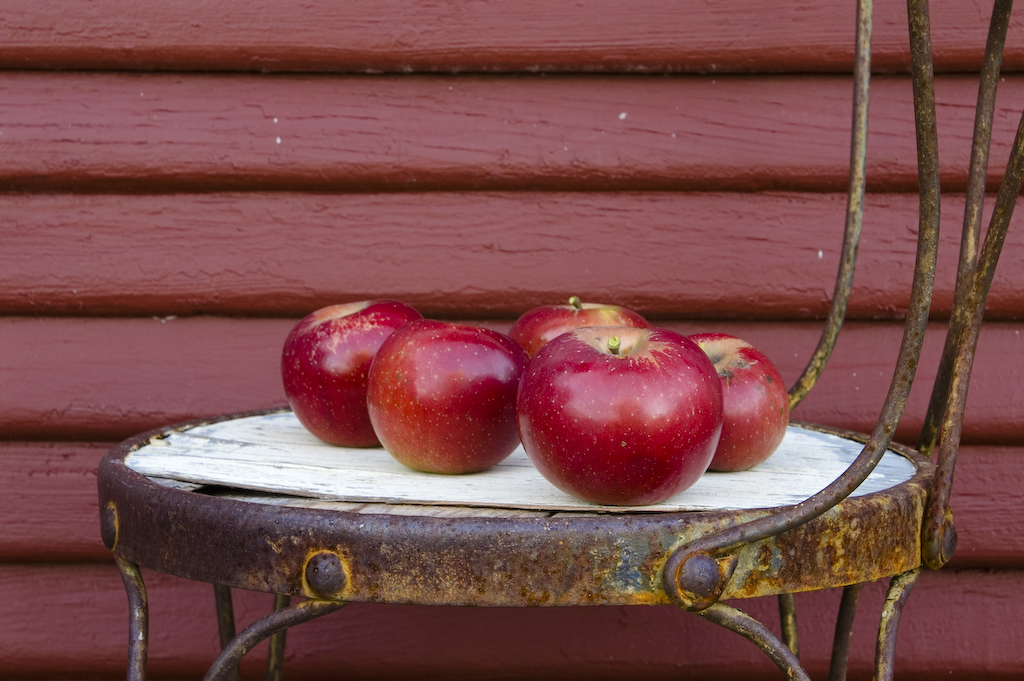 Photo: Gphoto / Wikimedia Commons (CC BY-SA 3.0)
Ripening
Oct to Nov
Color
Very dark red to burgundy
Texture
Initially hard and crunchy, softening with storage
Origin
Benton County, Arkansas, mid-19th century
Taste profile
When first picked, the Arkansas Black offers a spirited tartness, a lively zing that dances on the palate. As it mellows in storage, the tartness softens, giving way to more complex, nuanced flavors, often described as spicy with hints of cherry, honey, and even nuts, culminating in a refined sweetness.
Best for
Discovering the Enigma: The Arkansas Black Apple
Welcome, fellow apple enthusiasts, to a deep dive into one of America's most captivating and enduring apple varieties: the Arkansas Black. If you haven't yet had the pleasure of encountering this dark, enigmatic fruit, you're in for a treat. First impression? It's not just an apple; it's a statement. With a color so profound it borders on black, hence its name, this apple offers a journey for the senses that begins with a striking visual and culminates in a complex, evolving flavor experience. Originating from the heartland of America, the Arkansas Black carries with it a legacy of resilience, flavor, and an unparalleled ability to stand the test of time, both on the tree and in your pantry.
Beyond its dramatic appearance, the Arkansas Black is a fruit with character. It's often described as a connoisseur's apple, not for the faint of heart upon its initial picking due to its assertive tartness, but rewarding those with patience and an appreciation for layered flavors. Whether you're a seasoned apple grower, a home baker, a cider maker, or simply someone who appreciates a truly unique piece of fruit, the Arkansas Black offers something distinctively special.
Flavor and Texture: A Journey from Zesty to Sweet
Prepare for an evolving taste sensation with the Arkansas Black. When you first bite into a freshly picked Arkansas Black, you're met with a vigorous tartness. This initial zest is invigorating and bright, cutting through the crisp, firm flesh with a delightful energy. The texture at this stage is notably hard and crunchy, offering a satisfying resistance that apple lovers crave. It's an apple that makes its presence known.
However, the magic of the Arkansas Black truly unfolds with storage. As weeks and months pass in cool conditions, the apple undergoes a remarkable transformation. The assertive tartness mellows considerably, giving way to a more profound sweetness and a deeper spectrum of flavors. You'll begin to notice complex notes of cherry, sometimes a hint of honey, and even subtle spice or nutty undertones that emerge and meld beautifully. The flesh, while still firm, softens slightly, becoming a bit more yielding yet retaining much of its desired snap. This development of flavor and texture with keeping is one of the Arkansas Black's most celebrated attributes, making it a truly exceptional and versatile fruit.
Where it's Grown in the US
While the Arkansas Black has deep roots in its namesake state, its renown has led to its cultivation in diverse regions across the United States. Originating in Benton County, Arkansas, many aficionados still claim that the very best Arkansas Blacks still hail from its birthplace. The unique climate and soil conditions of western Arkansas seem to impart a special character to the fruit grown there.
However, its hardiness and adaptability have allowed it to thrive in other apple-growing states. You'll find Arkansas Black orchards in:
- Missouri
- Kentucky
- Tennessee
- North Carolina
- Virginia
- Pennsylvania
- Ohio
- Parts of the Pacific Northwest, specifically Oregon and Washington
- Smaller plantings in many other states where apples are cultivated
Its increasing popularity means it's moving beyond roadside stands and regional markets, becoming more widely available through commercial distribution, allowing more people to discover its unique charm.
How it Compares to Others
The Arkansas Black stands out in a crowd, particularly due to its color and storage capabilities. It's often compared to other firm, tart apples like the Winesap or Granny Smith, but it carves its own niche. While a Granny Smith offers a consistent tartness, the Arkansas Black's tart-to-sweet evolution is unique. Its hardness rivals that of a Mutsu (Crispin) or Fuji, yet its distinct flavor profile often leans more towards traditional heirloom apple characteristics.
In terms of appearance, few apples parallel its deep, almost black hue. The Black Diamond, a variant of the Huaniu apple from Tibet, is noted for even darker coloration, but among common American cultivars, the Arkansas Black holds the throne for its dramatic, dark skin. Its singular combination of hardiness, storage longevity, and evolving flavor sets it apart as a truly special variety that offers a refreshing alternative to more common supermarket apples.
Best Culinary Uses with Recipe Ideas
The versatility of the Arkansas Black, particularly its ability to hold its shape and its intense flavor, makes it a star in the kitchen.
- Fresh Eating: While initially tart, its crunch and evolving flavor make it a fantastic fresh-eating apple, especially after a few weeks in storage when its sweetness emerges.
- Pies and Crumbles: Its firm flesh holds up beautifully to baking, preventing a mushy pie. The tartness provides an excellent counterpoint to sweet fillings. Try an Arkansas Black and bourbon pie for a truly Southern treat.
- Tarts and Galettes: Slice thin and arrange artfully on a tart for a stunning presentation and a burst of flavor.
- Apple Sauce and Butter: Due to its robust flavor, it makes a wonderfully complex applesauce, especially when blended with a sweeter variety. Its color can also lend a beautiful hue to apple butter.
- Cider: The high acidity and firm flesh contribute to excellent hard cider, providing depth and body.
- Baked Apples: Core and fill with oats, nuts, and brown sugar, then bake until tender for a comforting dessert.
- Salads: Its crispness and tartness are fantastic in savory salads, pairing well with robust greens, walnuts, and blue cheese.
Growing Conditions & Considerations
The Arkansas Black apple tree is generally vigorous and productive, preferring full sun and well-draining soil. It is known to be a relatively cold-hardy variety, thriving in USDA Hardiness Zones 5-8. While it is somewhat resistant to common apple diseases, good orchard practices, including proper pruning and air circulation, are always beneficial. It is a late-season apple, with ripening occurring in late October to early November, making it a great variety for extending your apple harvest. Pollination is crucial, so ensure you have a suitable pollinator nearby, such as 'Red Delicious', 'Golden Delicious', or 'Gala'. Patience is a virtue with this tree, as it may take a few years to begin bearing fruit consistently, but the reward is well worth the wait.
Pick-Your-Own Tips for Arkansas Black
If you're heading to an orchard for a pick-your-own adventure, keep these tips in mind for Arkansas Black:
- Timing is Key: Aim for late October or early November. These apples ripen late, so don't go too early, or they'll be overly tart and not fully developed.
- Look for Dark Color: The darker the red, the riper (and often sweeter after storage) the apple. Look for a deep burgundy or almost black hue. A subtle greenish blush where the apple was shaded is normal, but the overall impression should be very dark.
- Gentle Twist: To pick any apple, gently cup it in your hand and twist upwards. If it's ready, it should detach easily with its stem.
- Wear Dark Clothing: While not specific to this apple, picking apples can be messy. Dark clothes hide stains better!
- Plan for Storage: Since these apples are exceptional keepers, plan to store a good portion of your harvest in a cool, dark place to enjoy them through the winter.
Fun Facts About the Arkansas Black
- Storage Champion: It's one of the best keeping apples in the world, often lauded for its ability to last six months or more in ideal conditions.
- Color Evolution: The skin continues to darken even after being picked and stored, becoming an even more profound shade of black-red.
- Heirloom Status: Despite its popularity, it retains its heirloom status, celebrated for its unique heritage and natural development.
- Not a Twig: Despite common confusion, the Arkansas Black is a distinct variety and not merely a black version of the 'Arkansas Black Twig'.
International Growing
While fundamentally an American heirloom, the reputation of the Arkansas Black has gently spread globally. Its unique characteristics, particularly its exceptional storage life and striking appearance, make it an attractive prospect for niche growers in various countries. You'll find limited cultivation in parts of Europe, particularly in countries with climates conducive to apple growing and a market for heirloom or specialty varieties. Its hardiness allows it to adapt to a range of temperate climates, captivating apple enthusiasts far beyond its original home in Arkansas.
Photo credit: Gphoto / Wikimedia Commons (CC BY-SA 3.0). Some historical facts adapted from Wikipedia (CC BY-SA).
Storage notes
An exceptional keeping apple, it can store for up to six months in cool, dark, and appropriately humid conditions, with flavors deepening and tartness mellowing over time.
History
The Arkansas Black apple emerged from the rich agricultural landscape of Benton County, Arkansas, in the mid-19th century. Its exact parentage is shrouded in the mists of time, but it quickly gained recognition for its striking appearance and remarkable keeping qualities. While not to be confused with the 'Arkansas' or 'Arkansas Black Twig' varieties, the Arkansas Black earned its singular reputation through consistent performance and distinct characteristics. It became a beloved staple in its home region, gradually spreading its allure to other parts of the United States, celebrated as a triumph of American orcharding for its unique combination of beauty and resilience.
Frequently asked questions
When is Arkansas Black ready to pick?+
Arkansas Black apples ripen October through November across most US growing regions. Southern orchards start a couple weeks earlier and northern or high-elevation orchards finish later. Call your local U-Pick orchard the week you plan to visit to confirm the trees are open.
What does a Arkansas Black apple taste like?+
When first picked, the Arkansas Black offers a spirited tartness, a lively zing that dances on the palate. As it mellows in storage, the tartness softens, giving way to more complex, nuanced flavors, often described as spicy with hints of cherry, honey, and even nuts, culminating in a refined sweetness.
What is Arkansas Black best used for?+
Arkansas Black is a great choice for Fresh eating, Pies, Baking, Cider, Long storage. If you plan to bake, pair it with a firmer variety like Granny Smith or Braeburn so the filling holds its shape.
How should I store Arkansas Black apples after picking?+
An exceptional keeping apple, it can store for up to six months in cool, dark, and appropriately humid conditions, with flavors deepening and tartness mellowing over time.
Where can I pick Arkansas Black apples near me?+
Use the Apple Picking Finder directory to see U-Pick orchards in your state that grow Arkansas Black, along with hours, pricing, and directions.
Explore next
Pick Arkansas Black apples near you →
See the closest U-Pick orchards with hours, pricing, and directions.
Ripening calendar →
Month-by-month guide to when every variety is ready to pick across the US.
Recipes that use Arkansas Black →
Pies, crisps, cider, butter, and more, tested with fresh-picked apples.
All apple varieties →
Compare 50+ apples by flavor, texture, and best use.